Understanding the Three-Roll Idler Bracket
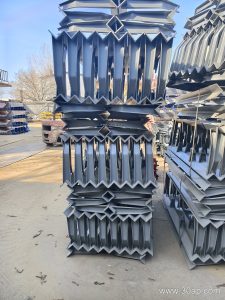
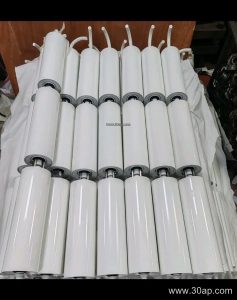
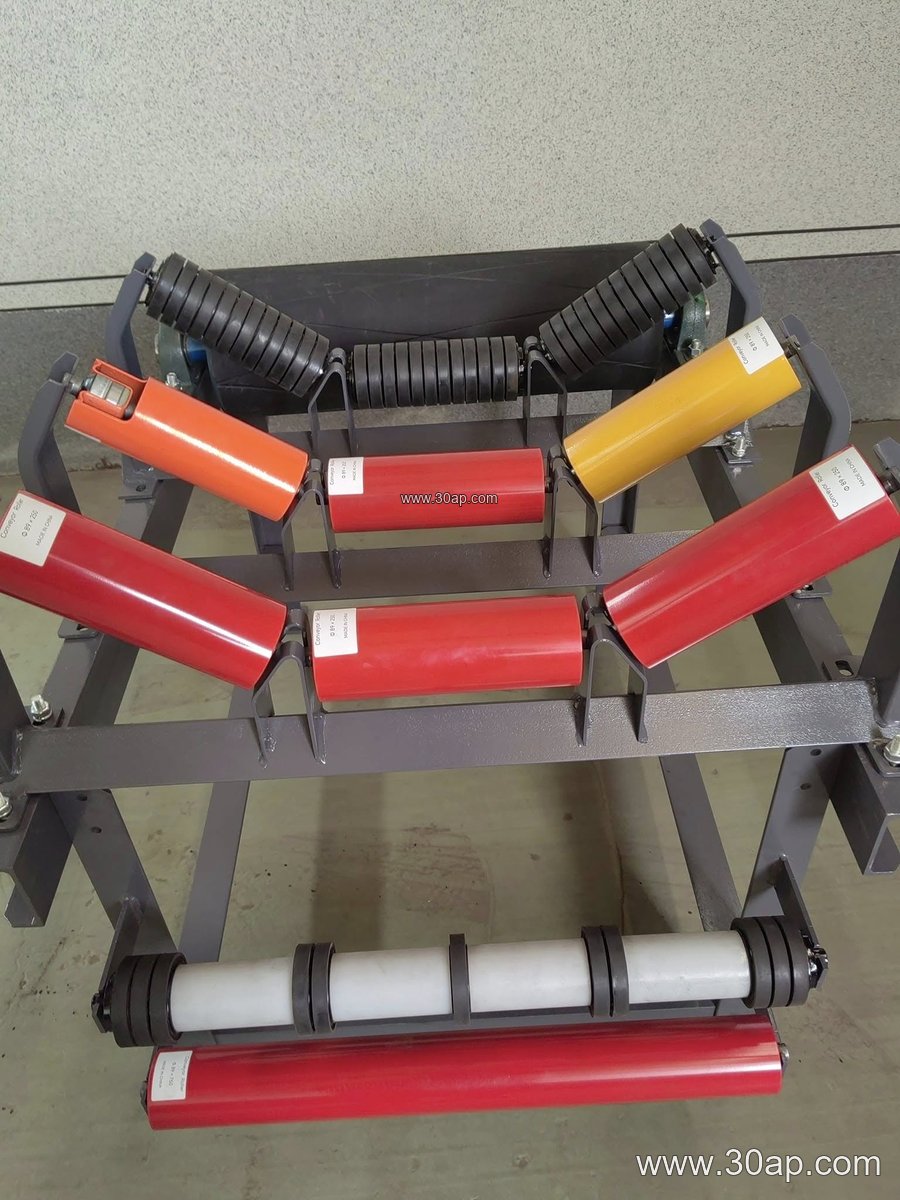
The three-roll idler bracket is a fundamental component in belt conveyor systems, designed to support and guide the conveyor belt through the carrying run. This bracket, often referred to as a troughing idler bracket or simply a three-roll bracket, holds three idler rollers in a trough shape to keep bulk materials centered on the belt. Its robust construction and precise angles are critical for smooth operation in industries such as mining, coal preparation, cement plants, and power generation.
Construction and Design
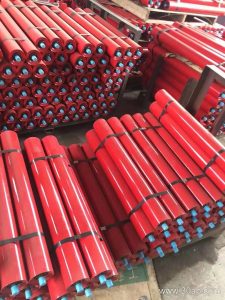
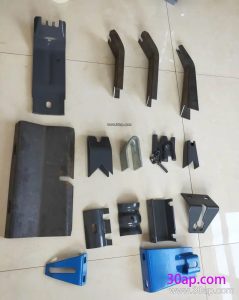
Typically fabricated from angle steel, channel steel, or bent steel plate, the three-roll idler bracket is built to withstand heavy loads and harsh environments. The bracket consists of a base frame and adjustable or fixed arms that position the idlers at specific trough angles. Common trough angles include 20, 30, 35, and 45 degrees, with adjustable brackets allowing changes among these angles to suit different material characteristics. The bracket is mounted on the conveyor stringer and supports idlers with diameters such as Ø89, Ø108, Ø133, Ø159, or Ø194 mm. Installation hole spacing and beam length vary with belt width and trough angle, so they are determined by design rather than fixed values.
Role in Conveyor Systems
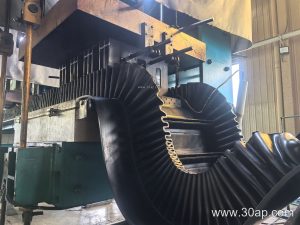
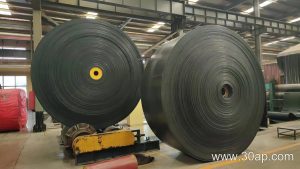
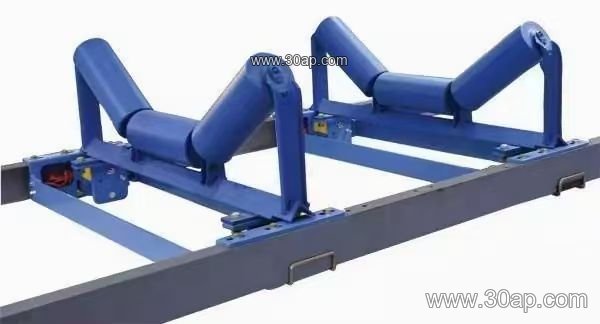
In a typical conveyor, the three-roll idler bracket works in harmony with the conveyor belt and idler rollers to maintain proper belt training and minimize spillage. By creating a trough profile, it helps contain bulk materials like coal, ore, aggregate, or cement clinker. The bracket also contributes to belt life by reducing stress concentrations and ensuring even load distribution. In mining operations, for instance, heavy-duty three-roll brackets support abrasion resistant conveyor belts carrying crushed rock, while in power plants they handle coal on flame retardant conveyor belts.
Selection and Application Considerations
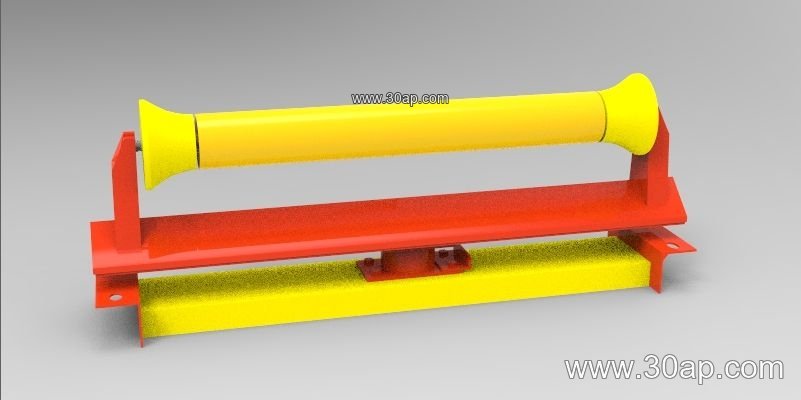
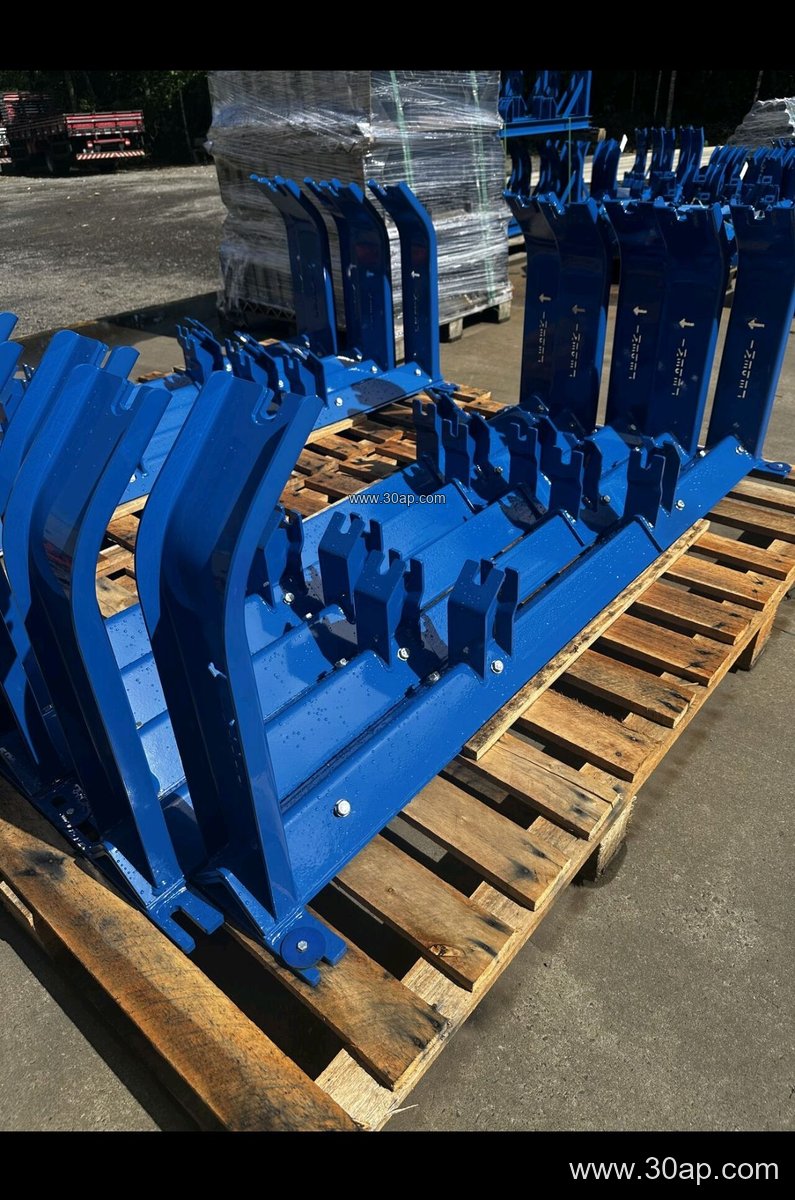
When selecting a three-roll idler bracket, engineers consider belt width, trough angle, idler diameter, and the specific application. Belt widths commonly range from B500 to B2200, and the bracket must match the belt’s load capacity and speed. For example, a B1200 belt with a 35-degree trough and Ø133 idlers might be used in a quarry, while a B800 belt with a 30-degree trough and Ø108 idlers could suit a cement plant. Adjustable brackets are useful where material flow varies, allowing angle changes to optimize capacity. Fixed brackets offer simplicity and rigidity for consistent operations. It is important to note that the three-roll idler bracket is distinct from other support types such as return brackets or impact brackets, each serving specific locations along the conveyor.
Maintenance and Compatibility
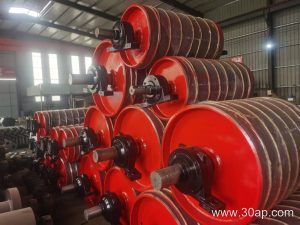
Regular inspection of the three-roll idler bracket is essential to prevent misalignment and premature wear. Check for bent arms, loose bolts, or corrosion, especially in dusty or wet conditions. The bracket should be compatible with the idler rollers and conveyor pulley arrangement to ensure seamless operation. In coal mining, for instance, brackets must resist accumulation of coal dust, while in port facilities they may need corrosion protection. Proper installation and alignment extend the life of the entire conveyor system, including the conveyor belt and pulleys.
Conclusion
The three-roll idler bracket is a vital link in reliable conveyor performance. By understanding its construction, application, and selection criteria, buyers can make informed decisions that enhance efficiency and reduce downtime in demanding industries.