What a Carbon Steel Pulley Is and Where It Fits
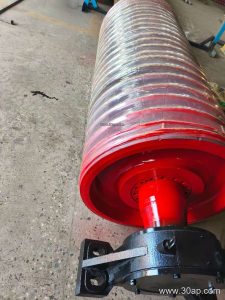
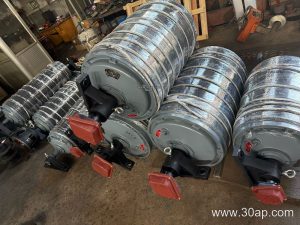
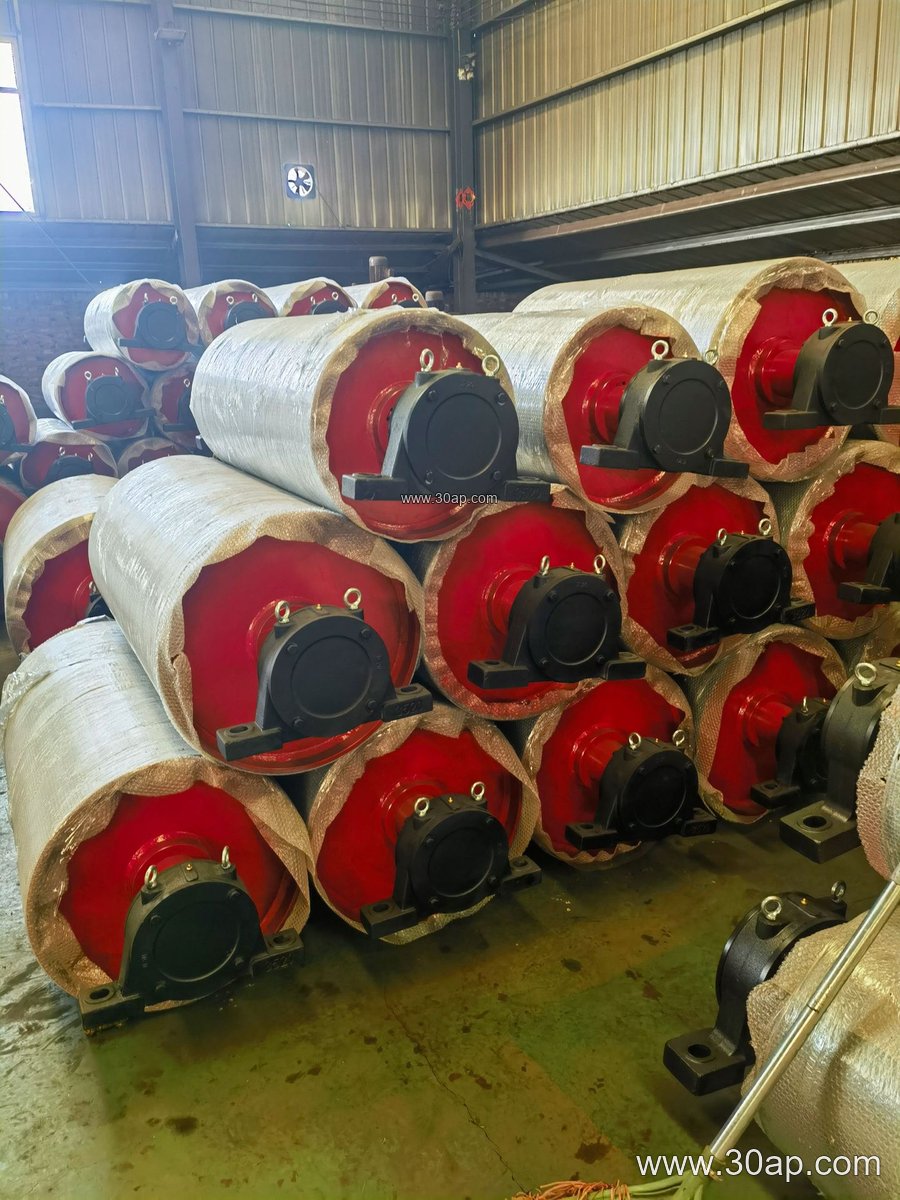
A carbon steel pulley is the rotating drum at the heart of a belt conveyor, built from carbon steel to handle the tension and load of moving bulk materials. It is not a single-purpose part: the same basic product appears as a drive pulley at the head of the line, a tail pulley at the loading end, and a bend pulley where the belt changes direction. Each position asks something different of the drum, and a buyer who understands those differences gets a better fit for the plant. In a limestone quarry or a coal handling system, the pulley works alongside the conveyor belt, idler roller, and conveyor bracket to keep material moving without interruption.
How the Drum Is Built
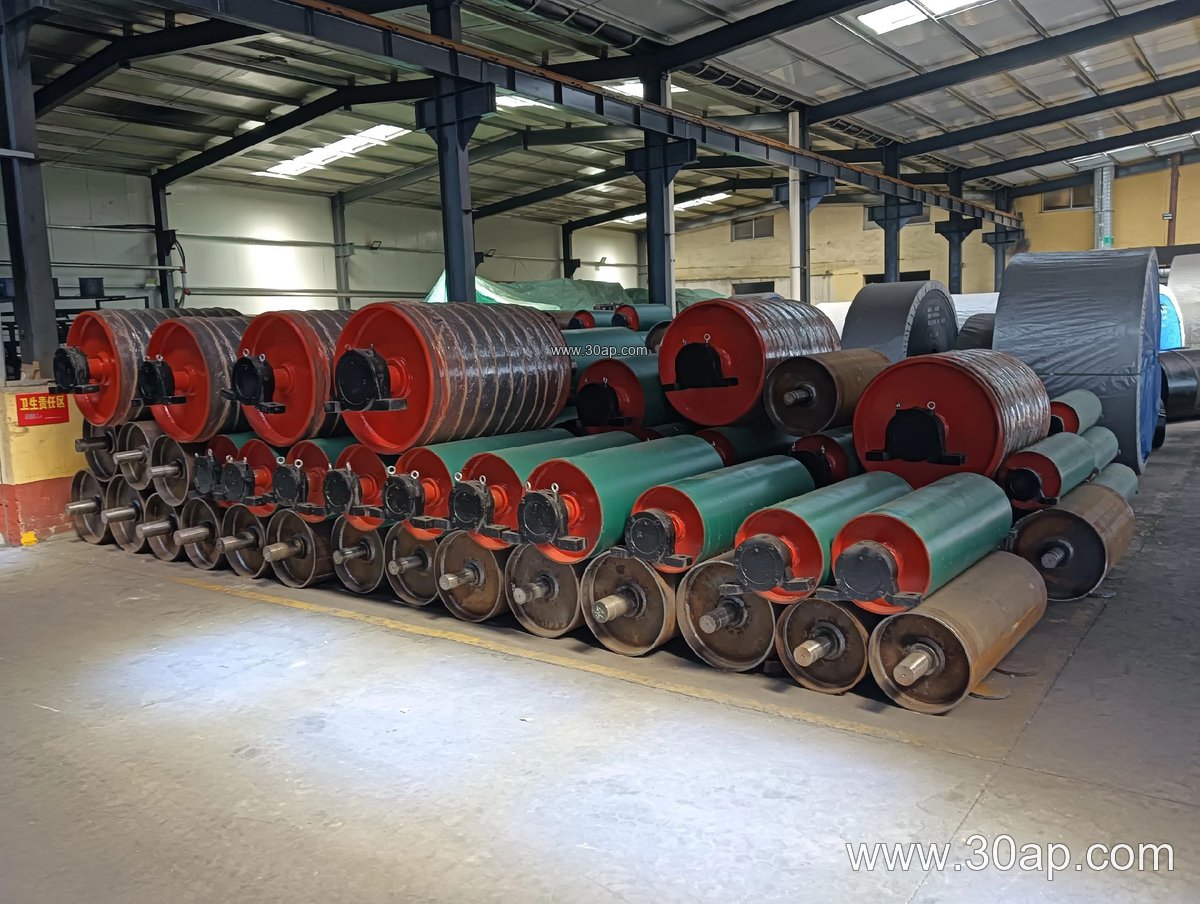
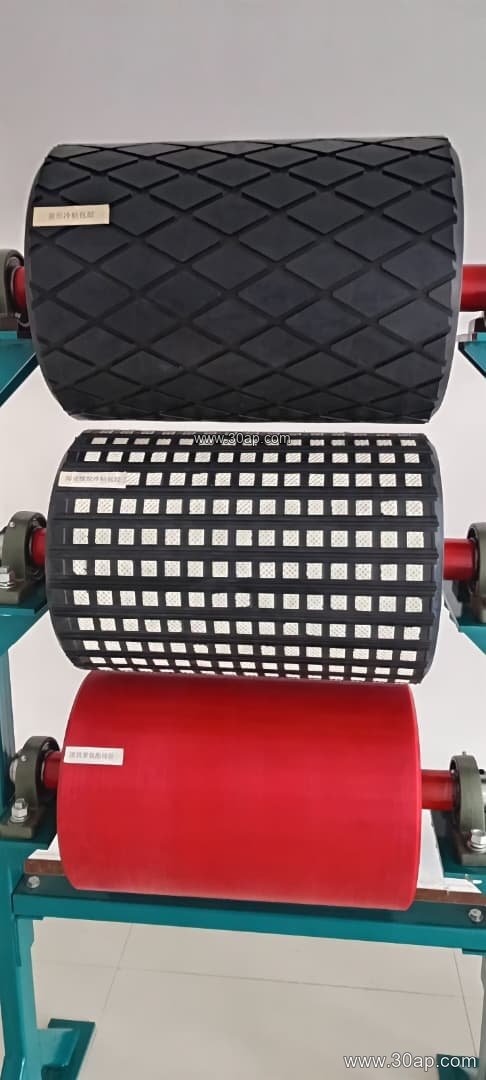
Construction starts with a steel shell, usually rolled and welded, then machined at the ends to accept the shaft and bearing housings. The shaft is sized by torque and load rather than by belt width alone, so a given belt width can carry different shaft diameters depending on the drive duty. Common shaft diameters include Ø50, Ø60, Ø70, Ø80, Ø90, Ø100, Ø120, Ø140, Ø160, Ø180, and Ø200 mm. The shell surface may stay plain or receive a rubber lagging for grip, and the lagging can be applied by cold bonding, hot vulcanizing, or as cast rubber. Diamond, herringbone, and ceramic lagging are also used where slip or wear is a concern. Lagging thickness commonly falls in the 8, 10, 12, 15, and 20 mm range.
Types by Duty Position
The names are not interchangeable, and mixing them up can lead to the wrong purchase. A drive pulley transmits power to the belt; a tail pulley supports the belt at the loading point; a bend pulley guides the belt around a corner or into a take-up. Other subtypes such as the take-up pulley, snub pulley, and wing pulley serve narrower roles. For example, a wing pulley is sometimes chosen at the tail of a sand and gravel line to shed sticky material, but it is not a substitute for a drive pulley. When comparing, keep the duty position clear: a head pulley and a tail pulley may share a shell diameter but differ in lagging and shaft design.
Common Sizes and Surface Options
Diameter and face width are selected together with the belt and the conveyor layout. The table below shows typical combinations seen in bulk handling, but these are reference points, not fixed rules. A B1200 belt may run on a Ø1000 drive pulley in one plant and a different diameter in another, depending on belt speed and tension.
| Belt Width (mm) | Typical Pulley Face Width (mm) | Example Diameter (mm) | Common Lagging |
|---|---|---|---|
| B400 | ≈500 | Ø200, Ø250 | Plain or 8 mm rubber |
| B500 | ≈600 | Ø250, Ø315 | 10 mm diamond |
| B650 | ≈750 | Ø315, Ø400 | 10 mm herringbone |
| B800 | ≈950 | Ø400, Ø500 | 12 mm rubber |
| B1000 | ≈1150 | Ø500, Ø630 | 12 mm diamond |
| B1200 | ≈1400 | Ø630, Ø800, Ø1000 | 15 mm ceramic |
| B1400 | ≈1600 | Ø800, Ø1000 | 15 mm rubber |
| B1600 | ≈1800 | Ø1000, Ø1250 | 20 mm ceramic |
| B1800 | ≈2000 | Ø1250, Ø1400 | 20 mm rubber |
Face width usually exceeds belt width by a margin so the belt stays centered. For a B1200 system, a Ø1000 carbon steel pulley with 15 mm diamond lagging is a common sight in a cement plant clinker line, while a B800 × Ø500 unit may serve a smaller aggregate conveyor. Larger drums such as Ø1600 and Ø1800 appear in high-capacity ports and iron ore terminals, often paired with a steel cord conveyor belt or a heavy-duty fabric core belt like EP Conveyor Belt. The pulley must match the belt’s tension rating, so a high-strength belt generally calls for a robust drum and bearing assembly.
Where It Works and What to Watch
Carbon steel pulleys turn up across mining, coal preparation, power plant coal handling, steel sintering, and port bulk terminals. In a wash plant or a copper ore line, abrasive dust and moisture are constant, so lagging wear and bearing sealing deserve attention. A flame retardant conveyor belt may be required underground, and the pulley’s lagging should be chosen with the same fire safety in mind. In food or fertilizer plants, cleanliness and corrosion protection matter more than raw grip. Buyers should confirm the shaft diameter from the drive calculation, check that the lagging thickness suits the belt and load, and verify the face width against the actual belt width. Maintenance comes down to checking lagging wear, bolt tightness, and bearing condition during scheduled shutdowns. Matching the carbon steel pulley to the conveyor belt, idler roller, and conveyor bracket as a system avoids premature belt tracking problems and keeps the line running.