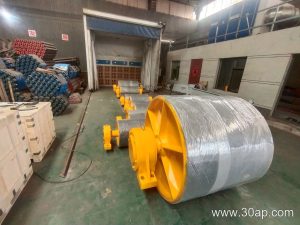
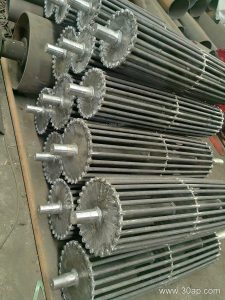
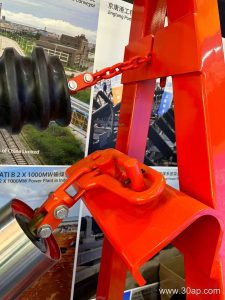
What a Conveyor Belt Tracking Idler Does
A conveyor belt tracking idler is a specialized roller assembly designed to keep the belt centered as it travels along the conveyor structure. Unlike standard carrying or return idlers that mainly support the belt and material load, this idler actively corrects misalignment. It is often recognized by its angled or pivoted roller arrangement, which generates a gentle steering force when the belt begins to drift. In a typical bulk handling line, you will find tracking idlers positioned at intervals on the return strand or just before key transfer points to prevent edge damage and spillage.
The device is not a drive pulley, tail pulley, or bend pulley. Those components transmit power and change the belt path, while a tracking idler is a guiding roller that works with the belt’s natural motion. Misalignment is a common cause of downtime in quarry, cement, and power plant conveyors, so this idler plays a practical role in protecting the conveyor belt and adjacent structures.
Construction and Working Principle
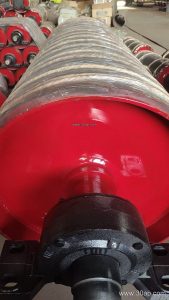
A typical tracking idler consists of two or more rollers mounted on a pivoted frame or a fixed angled base. The frame is connected to the conveyor bracket through a vertical pivot or linkage. When the belt contacts the rollers off-center, friction and the angled roller surface create a small lateral force that nudges the belt back toward the centerline. Some designs use tapered rollers, while others rely on a friction pivot or a combination of vertical and horizontal rollers.
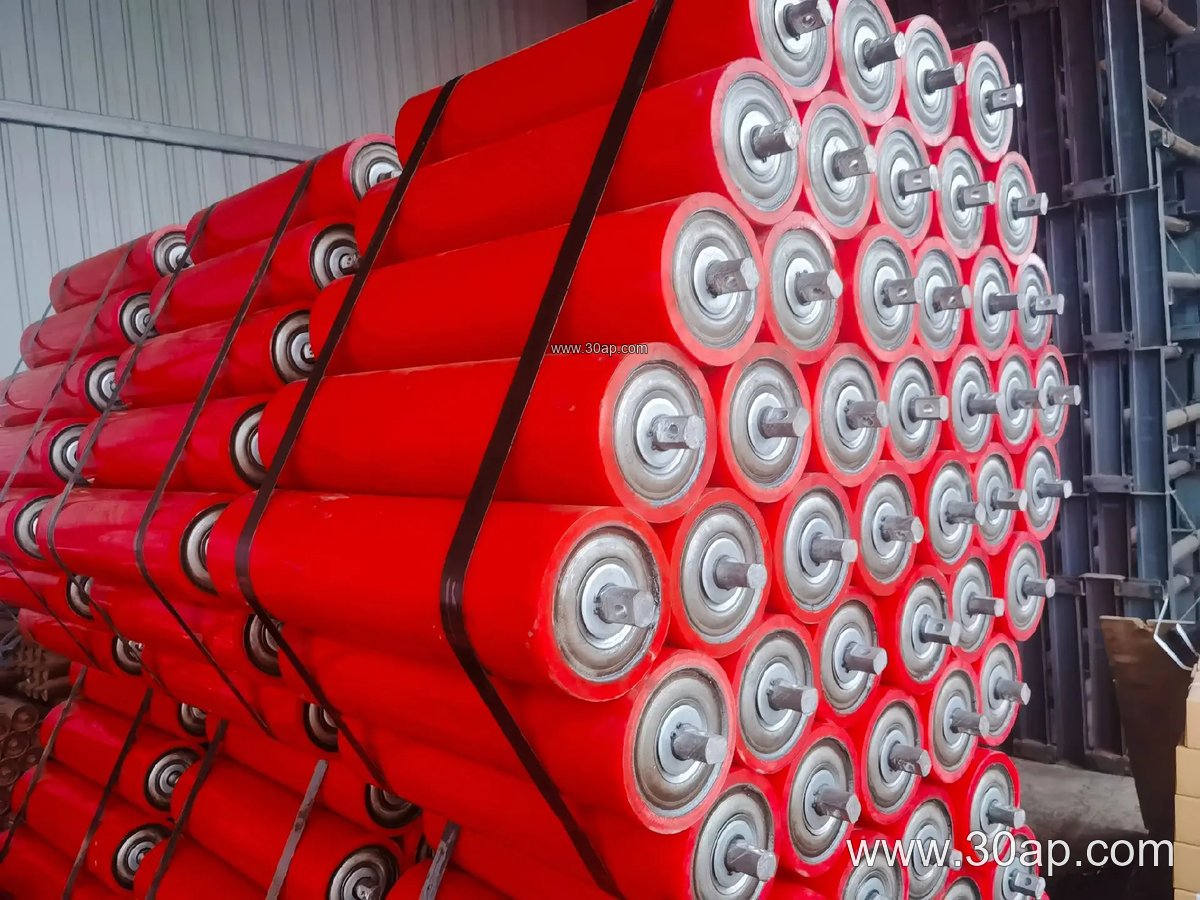
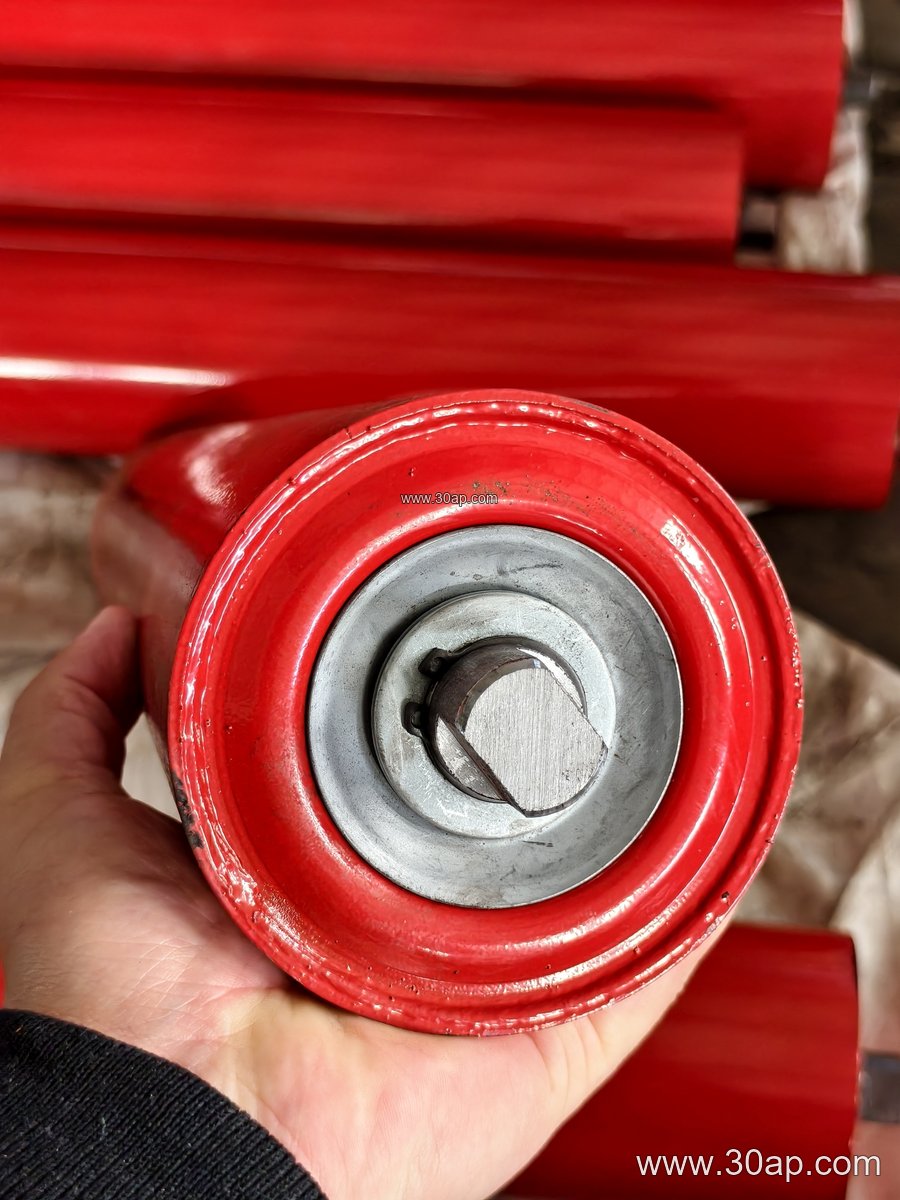
Common roller diameters for tracking idlers include Ø89, Ø108, Ø127, Ø133, and Ø159 mm, though the final choice depends on belt width, load, and conveyor speed. Roller shells are usually made of steel tube, and some versions use rubber rings or ceramic lagging for extra grip and wear resistance. Bearings such as 6205, 6305, 6306, and 6308 are frequently used in these rollers, with sealing selected according to dust and moisture conditions. The idler frame must be strong enough to resist bending under belt tension, especially on heavy-duty mining conveyors.
Where Tracking Idlers Fit in the Conveyor Line
Tracking idlers are common in a variety of industries. In a coal mining conveyor or underground mining conveyor, they help keep the belt aligned where space is tight and dust is heavy. In a limestone quarry or aggregate conveyor line, they reduce edge wear on the conveyor belt caused by uneven loading. Cement plants, power plant coal handling systems, and port bulk terminals also use tracking idlers on long overland conveyors and transfer belts.
They are often paired with a V-shaped return idler or a flat return roller to maintain belt stability. On the carrying side, a troughing idler set may handle the main load while tracking idlers are installed at selected points. The idler works best when the belt is properly spliced and the structure is square; it cannot correct every alignment problem by itself. Regular inspection of the idler roller, conveyor bracket, and pulley alignment is still necessary.
Selection Notes for Buyers
When specifying a conveyor belt tracking idler, match the roller diameter and length to the belt width and the idler group configuration. Belt widths such as B500, B650, B800, B1000, B1200, B1400, and B1600 mm are common in bulk handling, and the idler roll length will vary with trough angle and frame type. Do not assume that one belt width fixes a single shaft diameter or bearing size. The shaft and bearing are determined by load calculation and idler design.
Consider the operating environment as well. In a coal mining conveyor or a fertilizer plant, dust and corrosion resistance matter. In a steel plant or sinter line, heat may affect bearing grease and seal life. A food grade conveyor or a recycling conveyor may require different surface materials. The idler shell can be plain steel, rubber-covered, or ceramic-covered depending on the need for traction and wear resistance.
Maintenance and Troubleshooting
A tracking idler should rotate freely and return to its neutral position after belt contact. If the belt continues to drift, check for material buildup on the idler roller, worn bearings, or a bent frame. A seized idler can flat-spot the conveyor belt and damage the conveyor pulley alignment. Lubrication intervals and seal condition should follow the manufacturer’s instructions, and replacement idlers should match the original mounting dimensions.
Keep spare idler rollers and brackets on hand for critical conveyors in mines, cement plants, and power stations. A small tracking idler is a low-cost component compared with the cost of a damaged belt or a stopped production line. For more information on compatible conveyor belt and idler roller options, visit our site at www.example.com/conveyor-belt-tracking-idler.