What the V-Type Idler Bracket Does
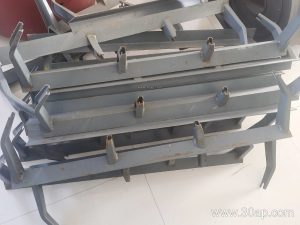
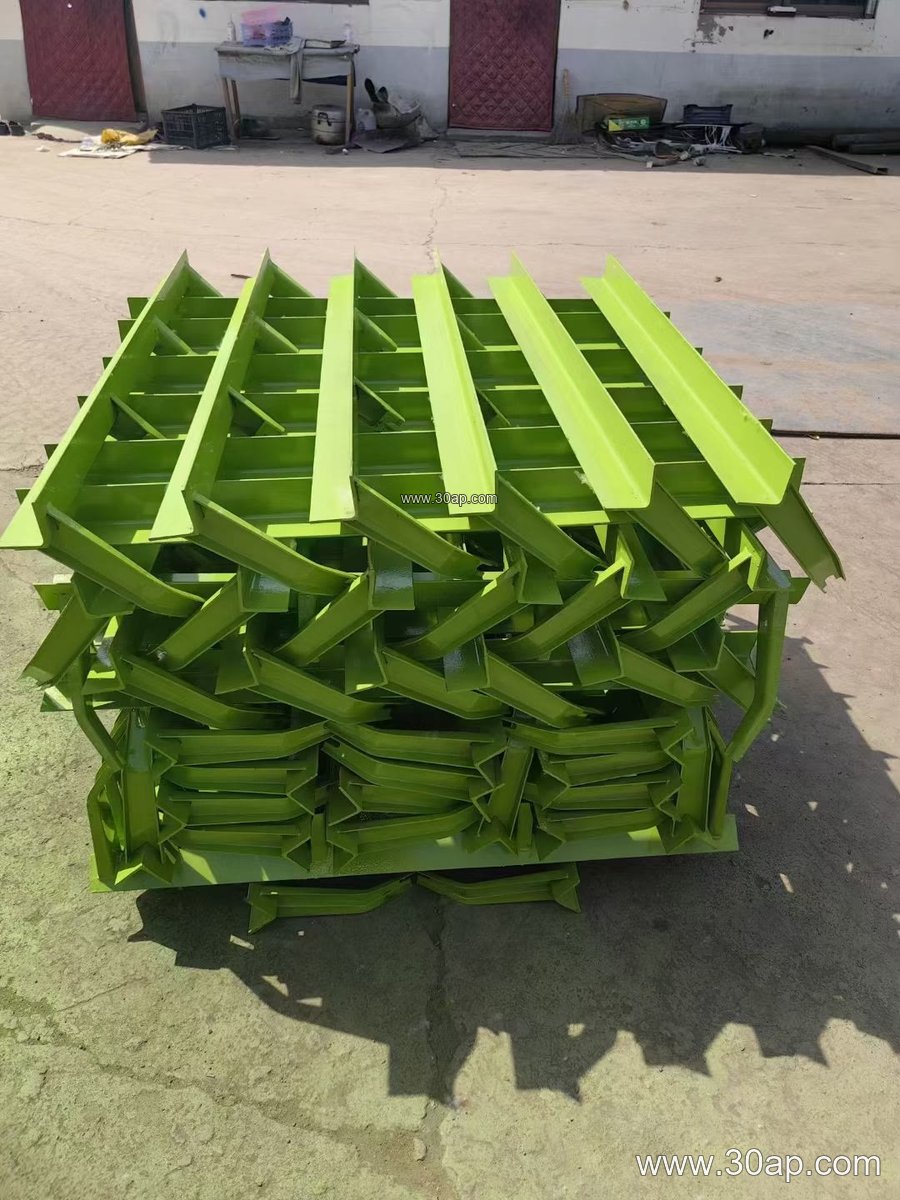
A V-Type Idler Bracket is a return-side support component that holds two idler rollers in a V configuration beneath the carrying belt. Instead of letting the return strand run flat on a single roller, this bracket trains the belt into a shallow V, which helps center the belt and shed loose material that would otherwise build up on the rollers. In a quarry or a limestone mine, that self-cleaning effect is often the reason maintenance crews prefer this bracket over a plain flat return arrangement.
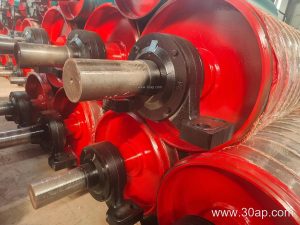
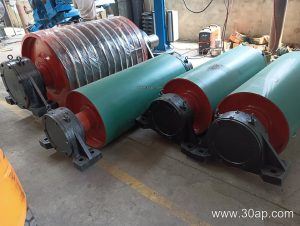
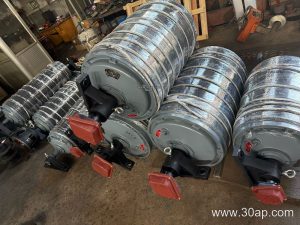
The bracket is a distinct product from the carrying-side troughing bracket, and it should not be confused with a bend pulley or a tail pulley. Those are conveyor pulleys that redirect the belt; the V-type bracket simply supports and guides the returning belt through its idler rollers.
Construction and Mounting
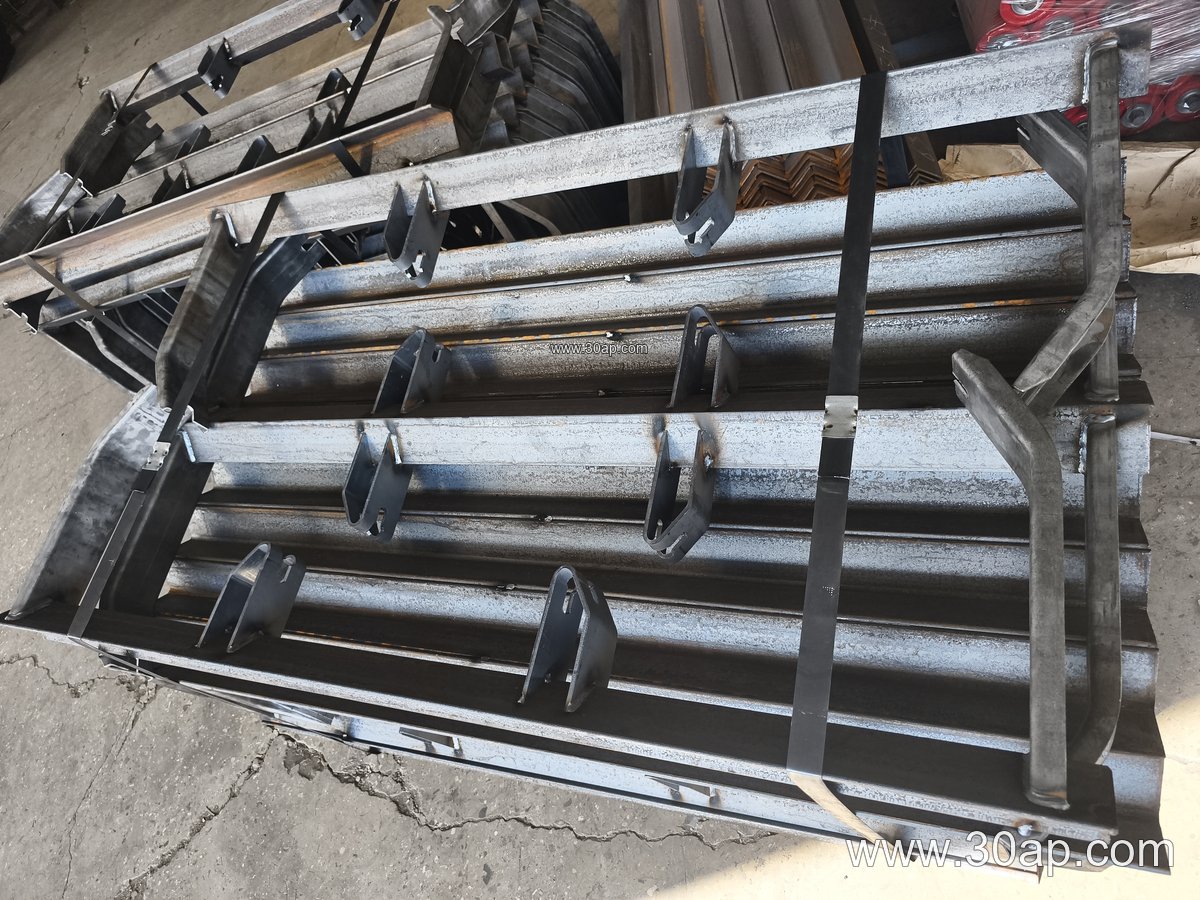
Most units are fabricated from angle steel, channel steel, or folded steel plate, then drilled to match the conveyor frame. The two arms are set at a fixed angle, typically in the range that produces a gentle V under load. Mounting hole spacing and crossbeam length are determined by belt width and frame design, so they are not universal figures.
The bracket normally bolts to the return-side stringers of the conveyor bracket system. Installation is straightforward: align the bracket, secure the fasteners, and confirm that both idler rollers sit at the same height so the belt does not drift to one side. A misaligned bracket will cause edge wear on the conveyor belt long before the rollers themselves fail.
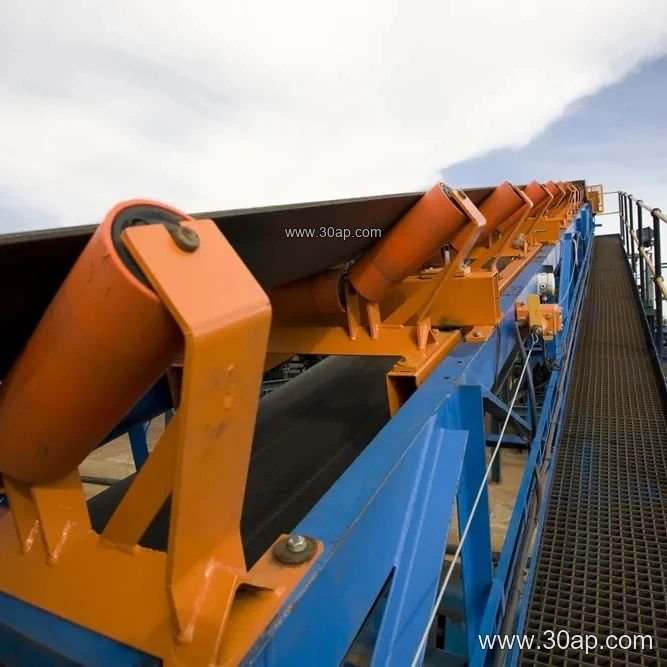
Where It Fits in the Conveyor
Return-side support matters in almost any bulk handling line. Typical locations include:
- Aggregate and sand production lines, where grit and spillage collect quickly
- Coal washing plants and power plant coal handling systems
- Cement plant clinker and raw material conveyors
- Iron ore and copper ore transfer points
- Port ship loading and stockyard conveyors
In these settings the bracket works together with the conveyor belt, idler roller, and conveyor pulley to keep the return strand stable. When the carried material is abrasive, pairing the bracket with an abrasion resistant conveyor belt and well-sealed rollers extends service life. In underground coal mining, flame retardant conveyor belt and anti-static conveyor belt grades are common, and the bracket itself should be selected to suit the same environment.
Common Reference Sizes
The table below gives reference ranges only. Actual dimensions follow the conveyor design, and a given belt width does not dictate a single roller diameter or angle.
| Parameter | Common Reference Values |
|---|---|
| Belt width | B500, B650, B800, B1000, B1200, B1400, B1600, B1800 |
| Idler diameter | Ø89, Ø108, Ø133, Ø159 |
| V angle | Usually set by design; adjustable versions allow fine tuning |
| Material | Angle steel, channel steel, folded plate |
For example, a B800 return line might use Ø108 rollers, while a B1200 conveyor in a heavy-duty mining conveyor belt system may call for Ø133. These are illustrations, not fixed pairings.
Selection Notes for Buyers
Start with the belt width and the return strand load, then confirm the roller diameter and the frame hole pattern. Ask whether a fixed or adjustable version suits your maintenance practice; adjustable brackets let crews correct minor belt tracking without replacing parts. Check that the bracket material matches the site conditions, especially in wet or corrosive plants.
Finally, consider the whole support package. The V-Type Idler Bracket performs best when the return rollers turn freely and the belt itself is in good condition. A worn or mistracked belt will overload any bracket, so inspect the belt edges and splice areas at the same time. For broader conveyor needs, including rubber conveyor belt and EP conveyor belt options, buyers can review matching components at gsdconveyorbelt.com before finalizing the return-side layout.