What an 800mm Conveyor Belt Is
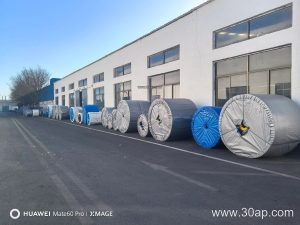
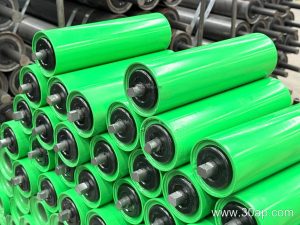
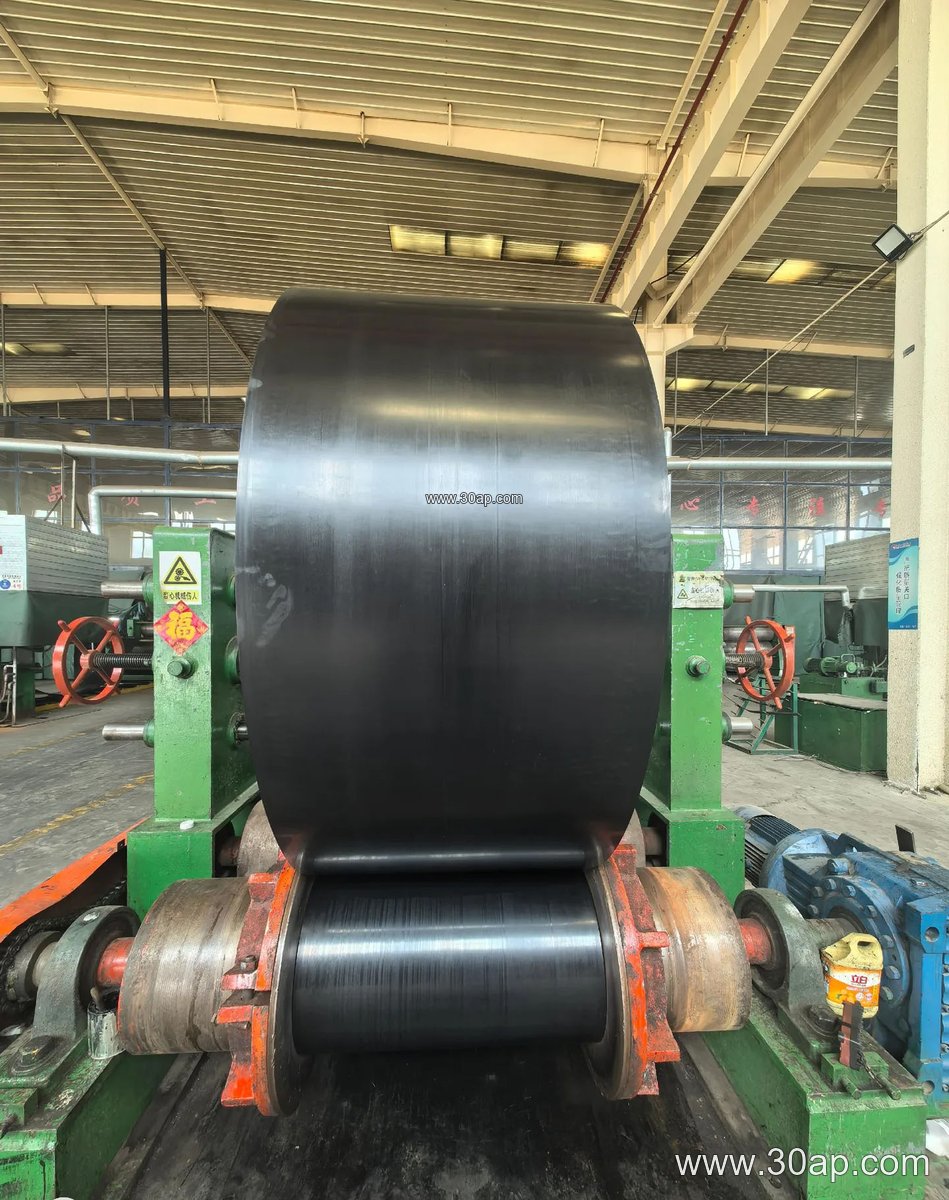
An 800mm conveyor belt is a belt with a nominal width of 800 millimeters, often written as B800. It sits in the middle of the common width range, above 650mm and below 1000mm, and is widely used where a single line must carry a steady, moderate-to-high tonnage without becoming unnecessarily wide. The belt is only one part of the system: idler roller sets, conveyor pulley assemblies, and conveyor bracket frames are sized together with it, so the belt width should always be read as part of a complete conveyor design rather than as a stand-alone number.
The same product is also described as an 800 mm wide conveyor belt or a B800 belt. These are equivalent names for the same item, not different products.
Construction and Common Specifications
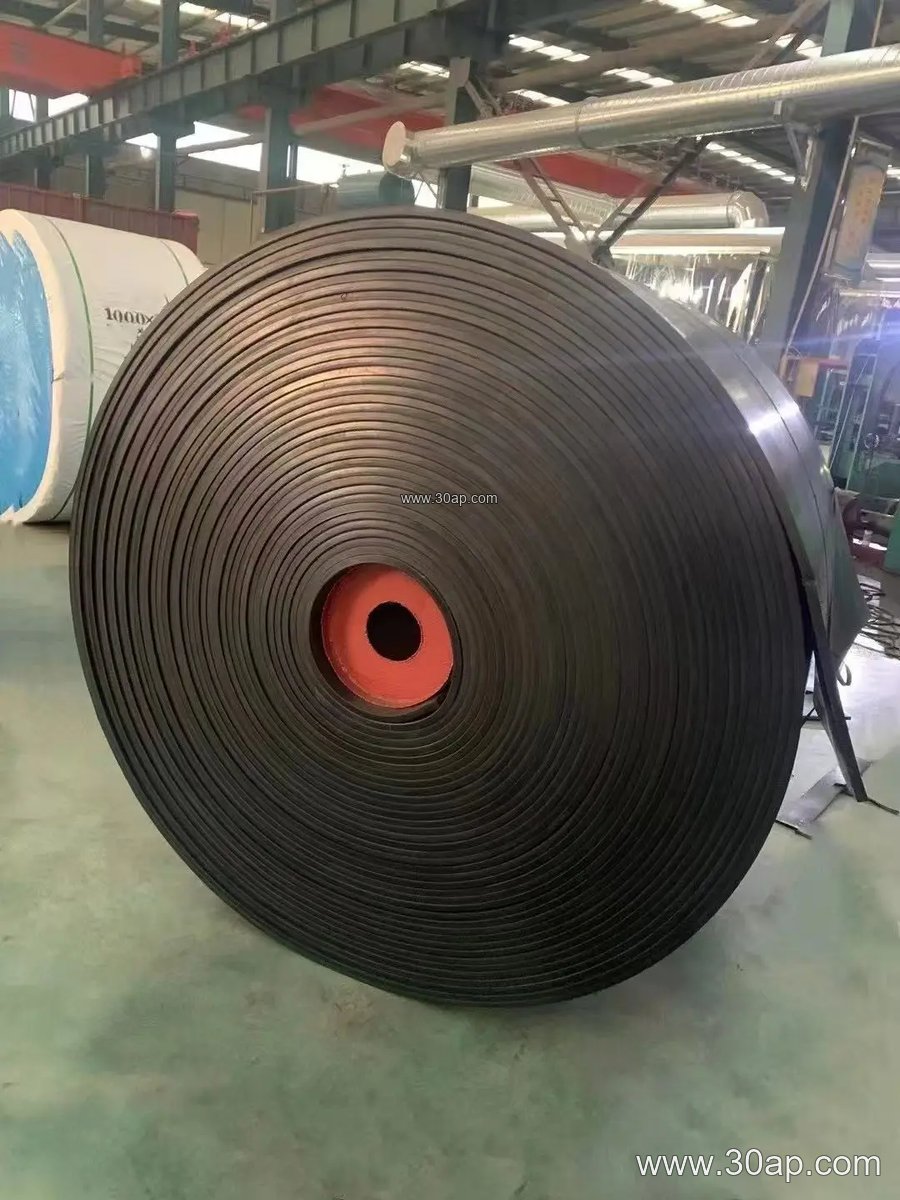
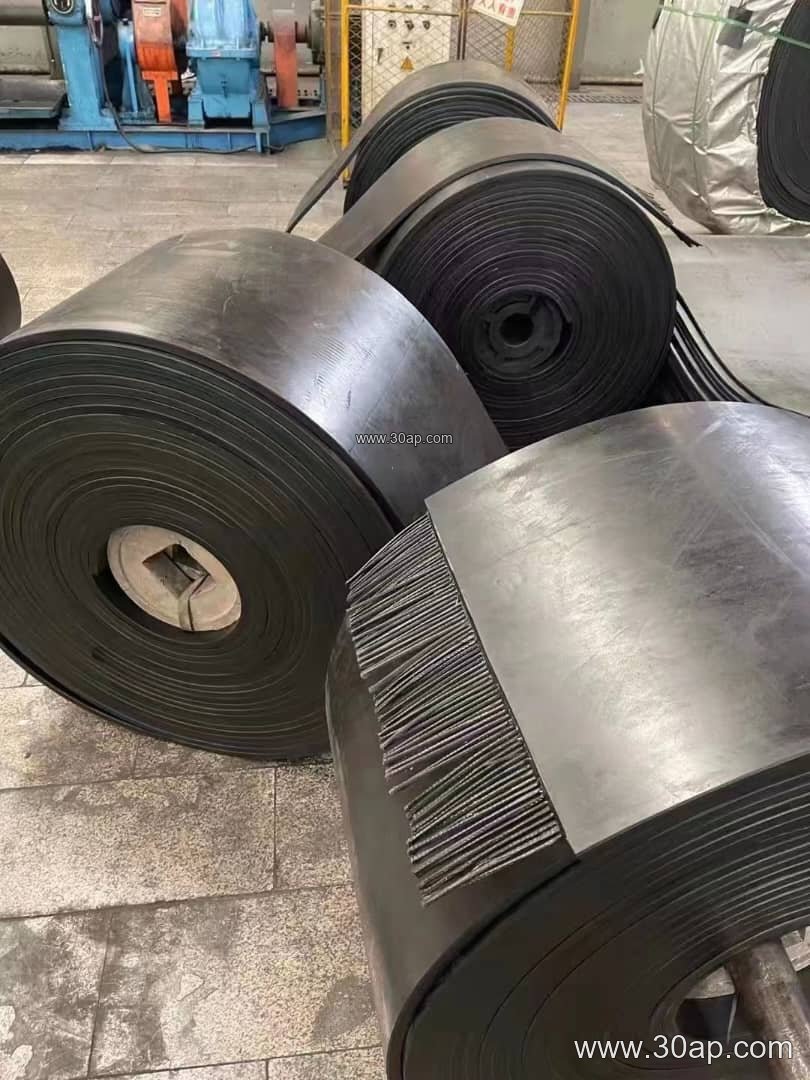
Most 800mm belts are fabric-cored or steel-cord reinforced, with rubber or PVC covers. Fabric-core designs include EP conveyor belt and NN conveyor belt constructions, where polyester or nylon warp and weft yarns carry the tension. Steel cord conveyor belt is chosen when tensile loads are higher than fabric plies can handle economically. Cover thickness and ply count are set by the duty, not by the width alone.
| Parameter | Typical Range (Reference Only) |
|---|---|
| Belt width | B800 (800 mm) |
| Fabric core types | EP200, EP315, EP400, EP500, EP630, EP800, EP1000, EP1250, EP1600, EP2000 |
| Ply count | 2 to 6 plies, by design |
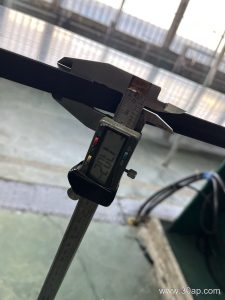
| Cover thickness | 3+1.5, 4+2, 5+2, 6+2, 8+3 mm |
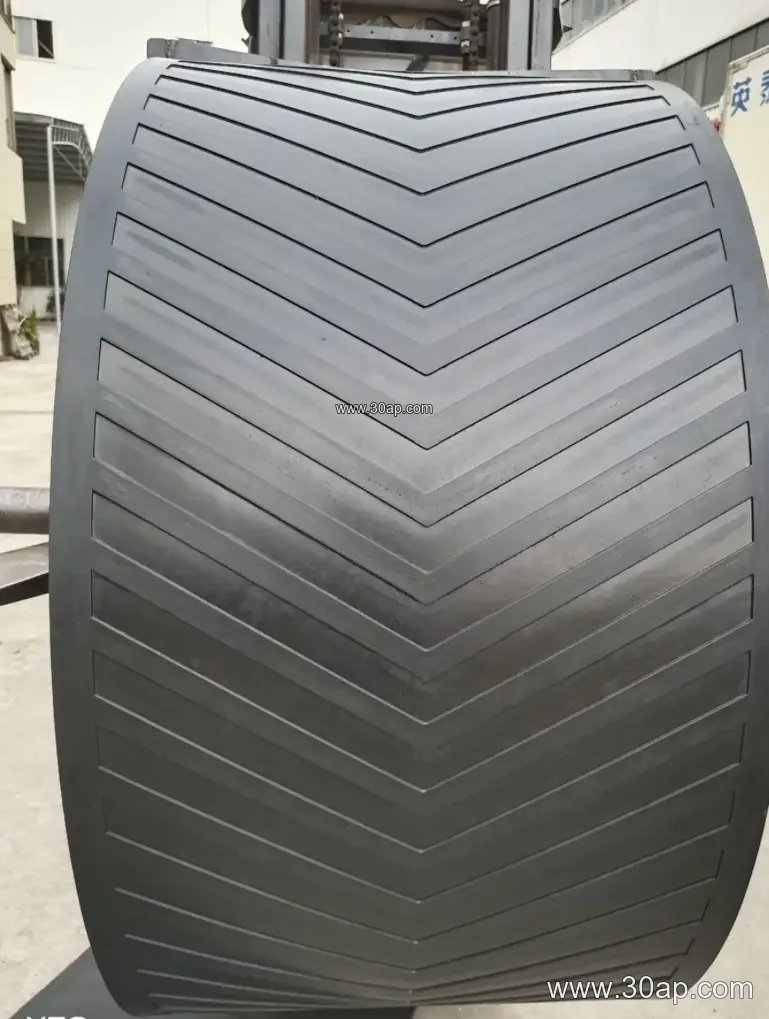
| Surface forms | Plain, chevron, corrugated sidewall, skirted |
These values are common references. Actual constructions differ between manufacturers and should be confirmed against the conveyor design.
Where It Is Used
The B800 width appears across mining, coal preparation, cement plants, power stations, quarries, sand and aggregate plants, and port bulk handling. In a coal mining conveyor line, a flame retardant conveyor belt and anti-static properties are often required, while a heat resistant conveyor belt may be needed near kilns or clinker transfer points in cement works. An abrasion resistant conveyor belt is common in quarry and crusher duty, and an oil resistant belt suits certain recycled or oily feedstock streams.
Because 800mm is a practical middle width, it often serves as a transfer belt between crushing and screening stages, or as a main haulage belt on medium-capacity lines. Where the route climbs steeply, a chevron conveyor belt or a corrugated sidewall conveyor belt can be considered, but these are separate surface designs and should not be treated as replacements for a plain 800mm belt in a standard horizontal run.
Buyer Checklist
- Confirm the required tensile grade, for example EP400 or EP630, from the conveyor calculation rather than by habit.
- State the material: lump size, temperature, moisture, oil content, and abrasiveness all affect cover choice.
- Check whether flame retardant or anti-static performance is required by the site, especially underground coal mining.
- Match the belt to the trough idler roller angle and the conveyor pulley diameters used in the existing frame.
- For replacement belts, record the splice type and whether an endless conveyor belt is preferred to reduce downtime.
An 800mm belt should never be assumed to fit a fixed pulley or shaft size; those components are selected from the conveyor’s tension and wrap requirements. Drive pulley, tail pulley, and bend pulley each have their own role and are not interchangeable.
Care and Longevity
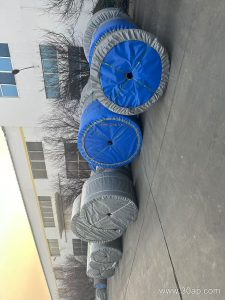
Alignment, loading point impact, and skirt rubber clearance are the usual causes of early edge wear. Keeping idler roller rotation free and checking conveyor bracket condition prevents belt training problems. Storing spare belt rolls flat, away from heat and sunlight, protects the covers before installation.
For a quotation, give the width as B800, the core type and grade, cover thickness, and any special property such as abrasion resistant, heat resistant, or cold resistant. Clear data at the enquiry stage avoids mismatches later.