What an Ore Conveyor Belt Does
An ore conveyor belt is the load-carrying element of a bulk handling system that moves crushed rock, iron ore, copper ore, coal, and similar heavy minerals from a crusher or stockpile to screening, stockpiling, or ship loading. It is not simply a rubber strip; the belt is a composite of a tension-bearing carcass and protective rubber covers, and both parts must suit the duty. In a quarry or concentrator, a poorly matched belt on an ore conveyor belt line can stop the whole circuit, so the specification deserves the same attention as the drive, tail, and bend pulleys.
Construction in Brief
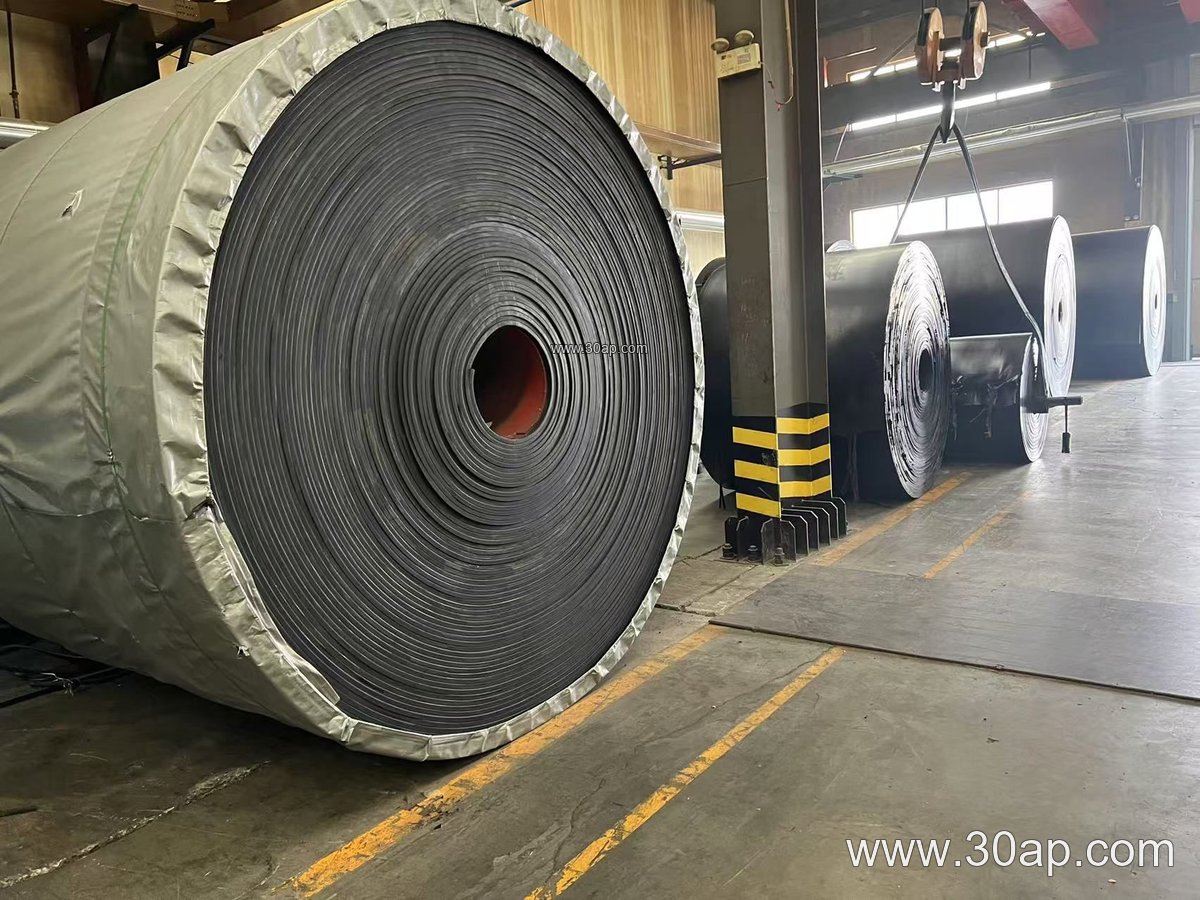
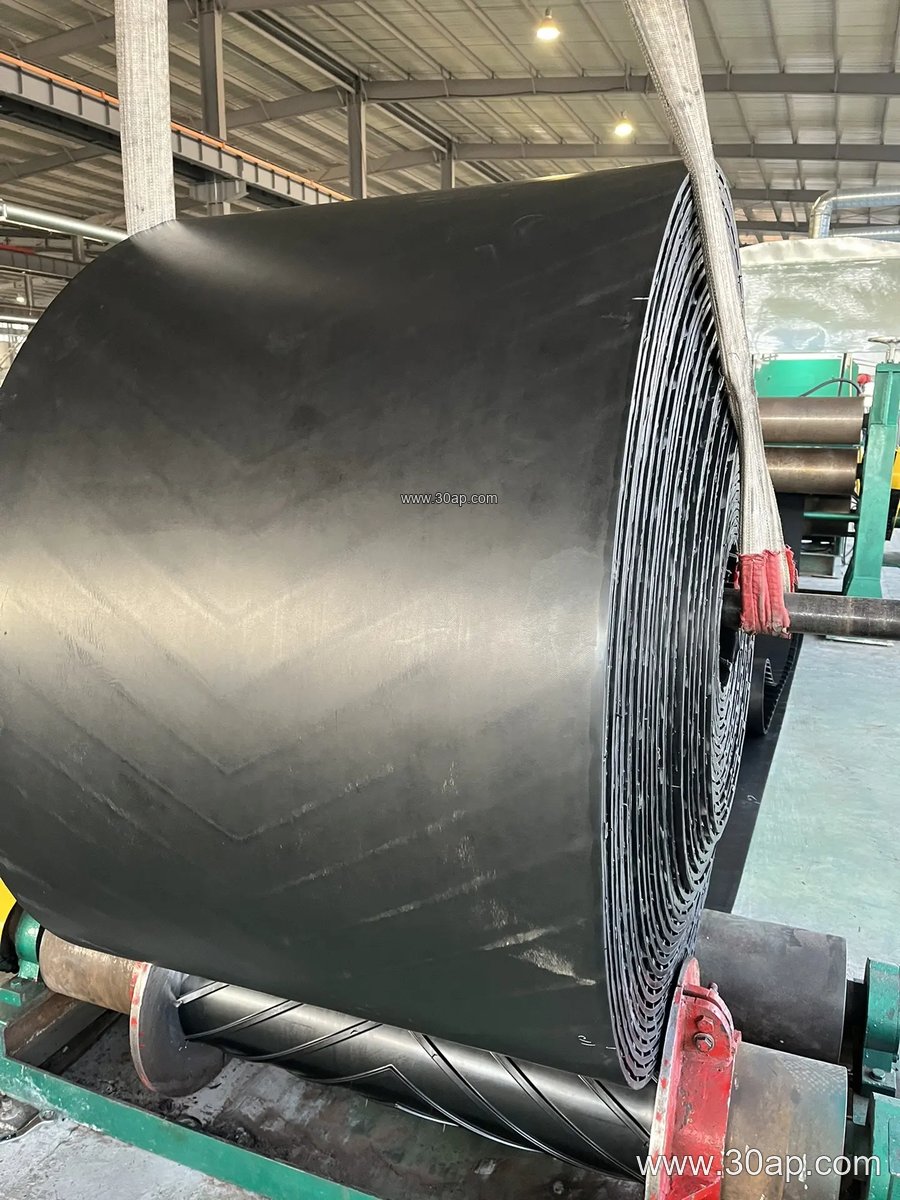
Most belts combine a fabric core (EP or NN) or a steel cord carcass with top and bottom covers. The carcass carries tension, while the cover resists cutting, abrasion, and sometimes heat or oil. A rubber conveyor belt for ore duty typically uses a high abrasion resistant cover because sharp, angular rock is the dominant wear mechanism. Belt edges, splices, and cover thickness all influence service life.
Common Types for Ore Duty
The table below lists representative constructions and typical strength ranges. These are reference values, not fixed supply promises; final selection follows the conveyor design.
| Construction | Representative Grades | Typical Use |
|---|---|---|
| EP fabric core | EP200 to EP1000 | General ore and aggregate conveying |
| NN nylon core | NN100 to NN400 | Flexible, impact-tolerant runs |
| Steel cord | ST1000 to ST2500 | Long, high-tension trunk lines |
| PVG / PVC | PVG800, PVG800S | Underground coal and fire-sensitive areas |
For long overland lines, a steel cord conveyor belt reduces the number of splices and carries high tension efficiently. For shorter in-plant runs, an EP conveyor belt such as EP400 or EP630 is often a practical balance of strength and cost. In underground coal mining, flame retardant and anti-static properties are usually mandatory, which is why PVG800S and similar grades appear there.
Widths, Covers, and Pulley Coordination
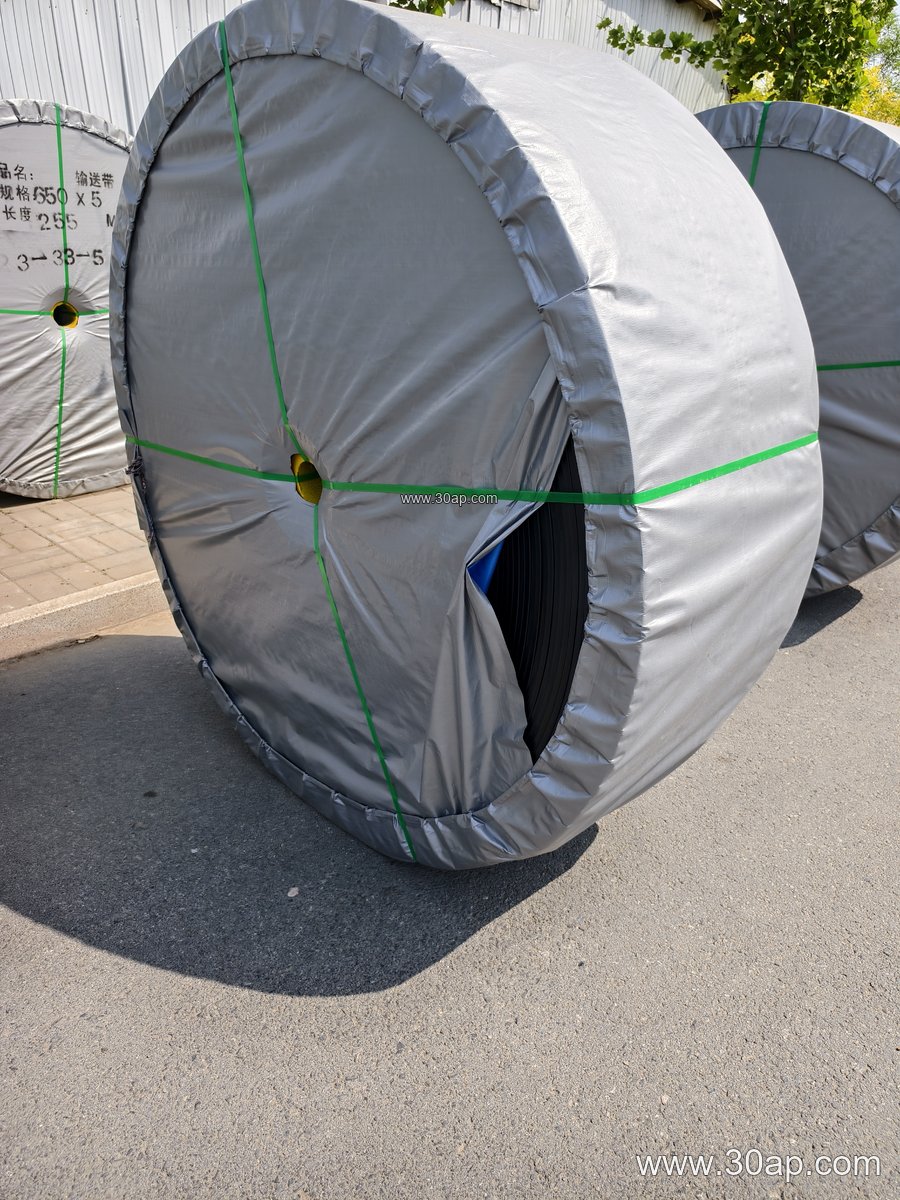
Belt width is chosen from the required capacity and the largest lump size. Common widths include B650, B800, B1000, B1200, B1400, and B1600, with wider belts used on high-capacity trunk conveyors. Cover thickness is usually stated as top plus bottom, for example 4+2 mm, 5+2 mm, or 6+2 mm; heavy ore service often favors the thicker options. A 1200mm wide conveyor belt is a frequent choice for medium-capacity plants, while a 1500mm or 1800mm wide belt may serve large port or mine systems.
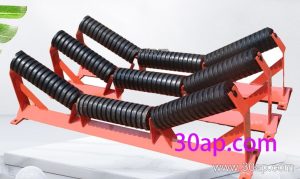
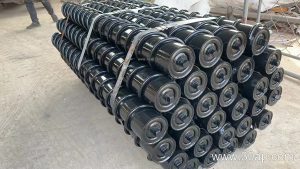
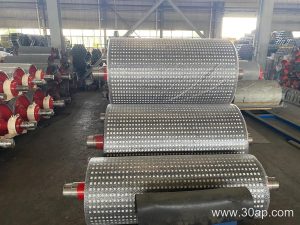
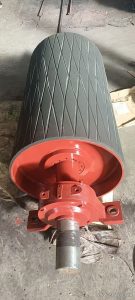
Pulley diameter is not dictated by belt width alone. It depends on carcass type, number of plies, splice method, and tension. Drive pulleys, tail pulleys, and bend pulleys each have their own design rules, and they are not interchangeable. The conveyor pulley manufacturer, idler roller supplier, and belt maker should confirm the geometry together.
Where These Belts Are Used
- Iron ore and copper ore concentrators feeding crushers and mills
- Coal mining and underground coal mining transport
- Cement plants moving clinker and limestone
- Power plant coal yards and ship loading terminals
- Sand and gravel quarries and stone crushing lines
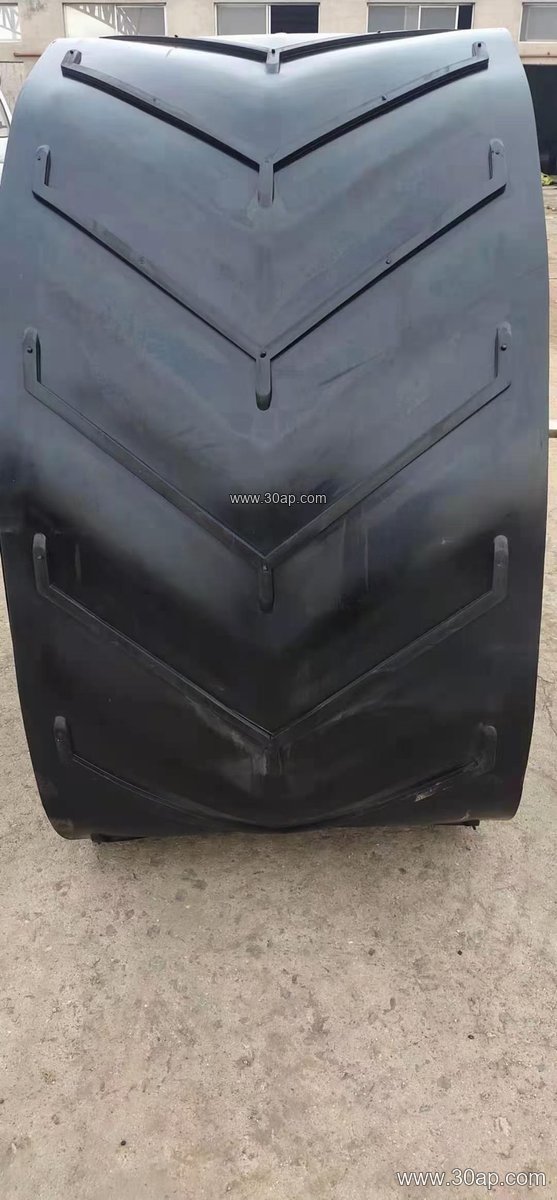
In each setting the belt meets different conditions. A quarry conveyor belt faces impact and abrasion; a cement plant may need heat resistance near clinker; a port system values high strength and low stretch. Chevron and corrugated sidewall designs help on steep inclines where standard belts would slip or spill.
Buyer Checklist
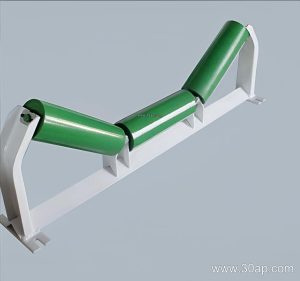
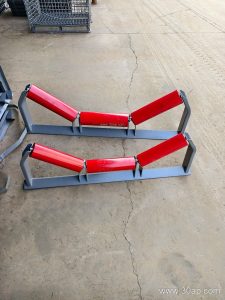
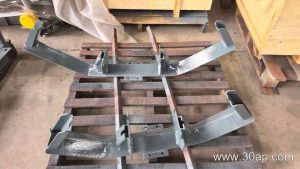
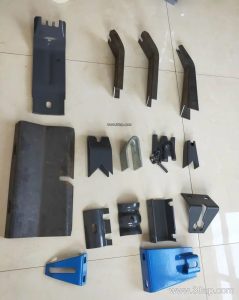
Before ordering, collect the material description, lump size, capacity, incline angle, ambient and material temperature, and the drive arrangement. Confirm the carcass grade, cover thickness, and whether flame retardant or anti-static performance is required. Check the conveyor bracket and idler roller spacing so the belt is properly supported at loading points. Ask for the splice recommendation, because an endless conveyor belt made on site can behave differently from a mechanically joined one.
Finally, keep spare belt sections and inspect covers, edges, and splices regularly. A well-matched ore conveyor belt, supported by suitable idler rollers and pulleys, is the most reliable way to keep a mine, quarry, cement line, or power plant running.