What a Belt Anti-Misalignment Idler Does
A belt anti-misalignment idler is a training idler installed on the carrying or return side of a conveyor to keep the belt centered on its path. When a conveyor belt begins to drift toward one side, the angled rolls of this idler steer it back toward the middle. In a quarry, a cement plant, or a power plant coal yard, a belt that wanders off line can rub the frame, spill material, and shorten belt life, so this small component protects the whole system.
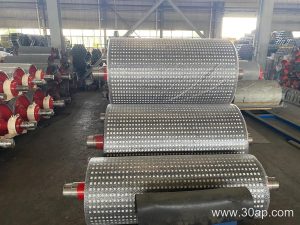
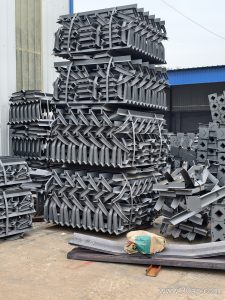
The device is also called a self-aligning idler or a training idler. It works together with the conveyor pulley, idler roller, and conveyor bracket, but it is not a substitute for a drive pulley, tail pulley, or bend pulley. Each of those pulleys has its own role in the conveyor layout, and the anti-misalignment idler simply corrects tracking along the run.
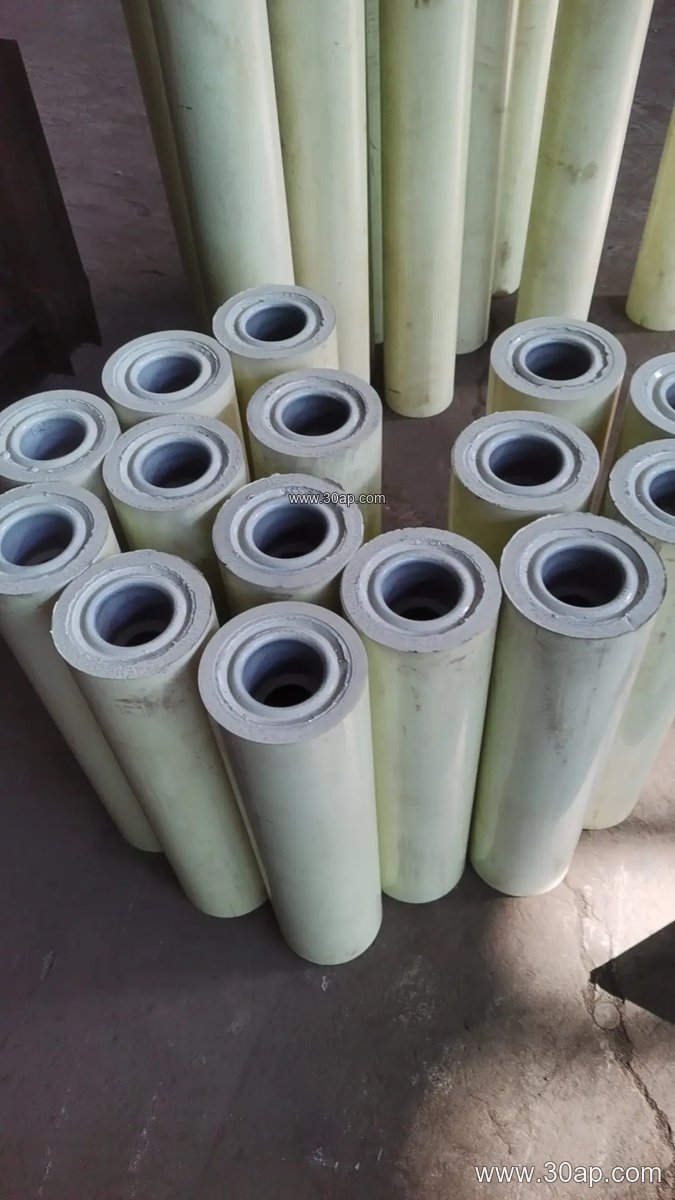
How the Idler Is Built
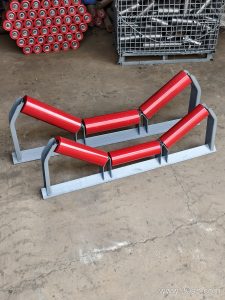
A typical unit uses two or more rolls mounted at an angle on a pivoting frame. The frame turns slightly when the belt presses against one side, and the resulting skew guides the belt back. Common configurations include friction self-aligning and conical self-aligning designs. Roll surfaces may be plain steel, nylon, or rubber covered, depending on the material and the environment.
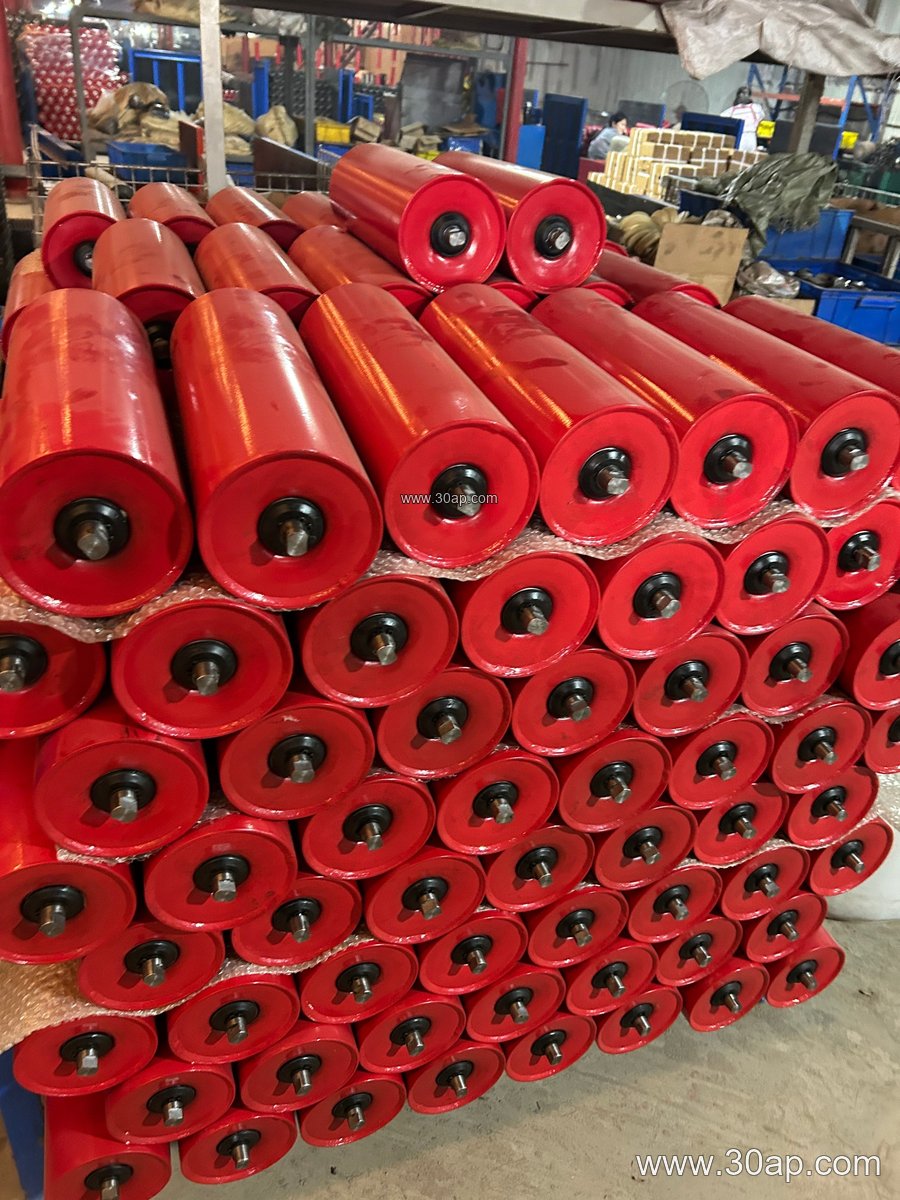
Roll diameters usually follow the same family as other carrying idlers, such as Ø89, Ø108, Ø127, Ø133, or Ø159 mm, while larger sizes like Ø178 and Ø219 mm appear on heavy-duty lines. Bearings are commonly 6204, 6205, 6305, 6306, 6308, or 6310, chosen to match the load and roll size rather than a fixed rule. Roll length is set by belt width, trough angle, and roll arrangement, so a three-roll trough set for B800 may use rolls around 315 mm long, while B1400 may call for roughly 530 mm. These are common references, not fixed pairings.
Where It Fits on the Conveyor
Training idlers are often placed after the loading point, before the head pulley, and at intervals along long runs. On a troughed carrying side, a three-roll arrangement with a 20, 30, 35, or 45 degree trough angle is common. The slight forward tilt of about 1.5 to 2 degrees, used on some training designs, helps the rolls guide the belt without abrupt correction.
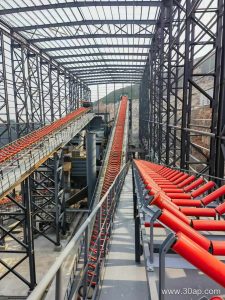
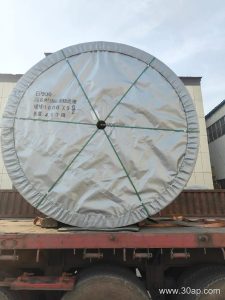
Applications range widely. A stone crushing line moving aggregate on an EP conveyor belt, an underground coal mining conveyor using a flame retardant conveyor belt, and a cement plant feeding clinker on a heat resistant conveyor belt all benefit from reliable tracking. So does a port handling bulk material on a steel cord conveyor belt. In each case, the idler works alongside the conveyor belt, conveyor pulley, and conveyor bracket to keep the line running straight.
Selection Points for Buyers
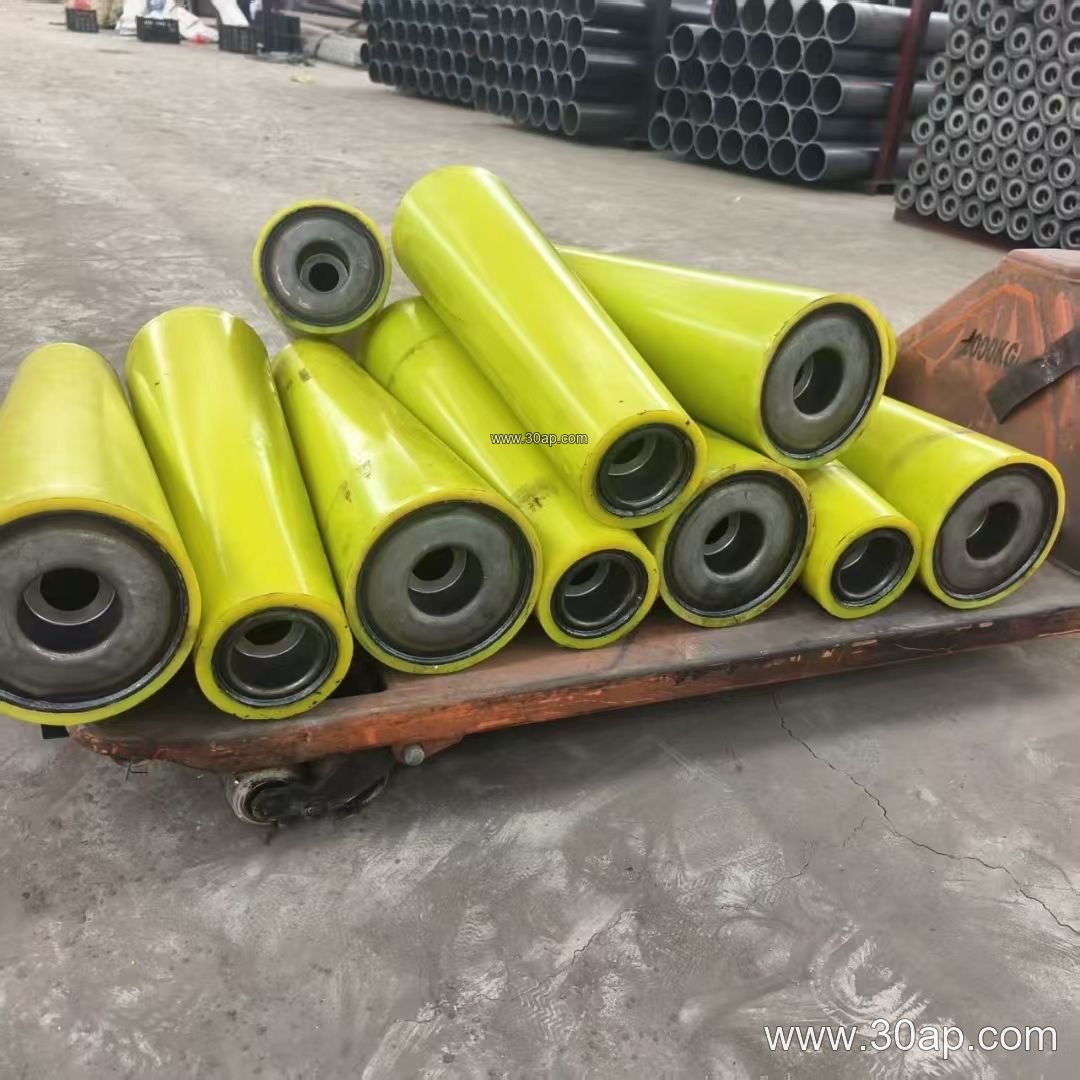
Before ordering, confirm the belt width, the trough angle, and whether the idler is for the carrying or return side. Check the roll diameter and bearing size against the load and speed of the conveyor. The return side may use a V-type or flat training arrangement, while the carrying side typically uses a troughed self-aligning set.
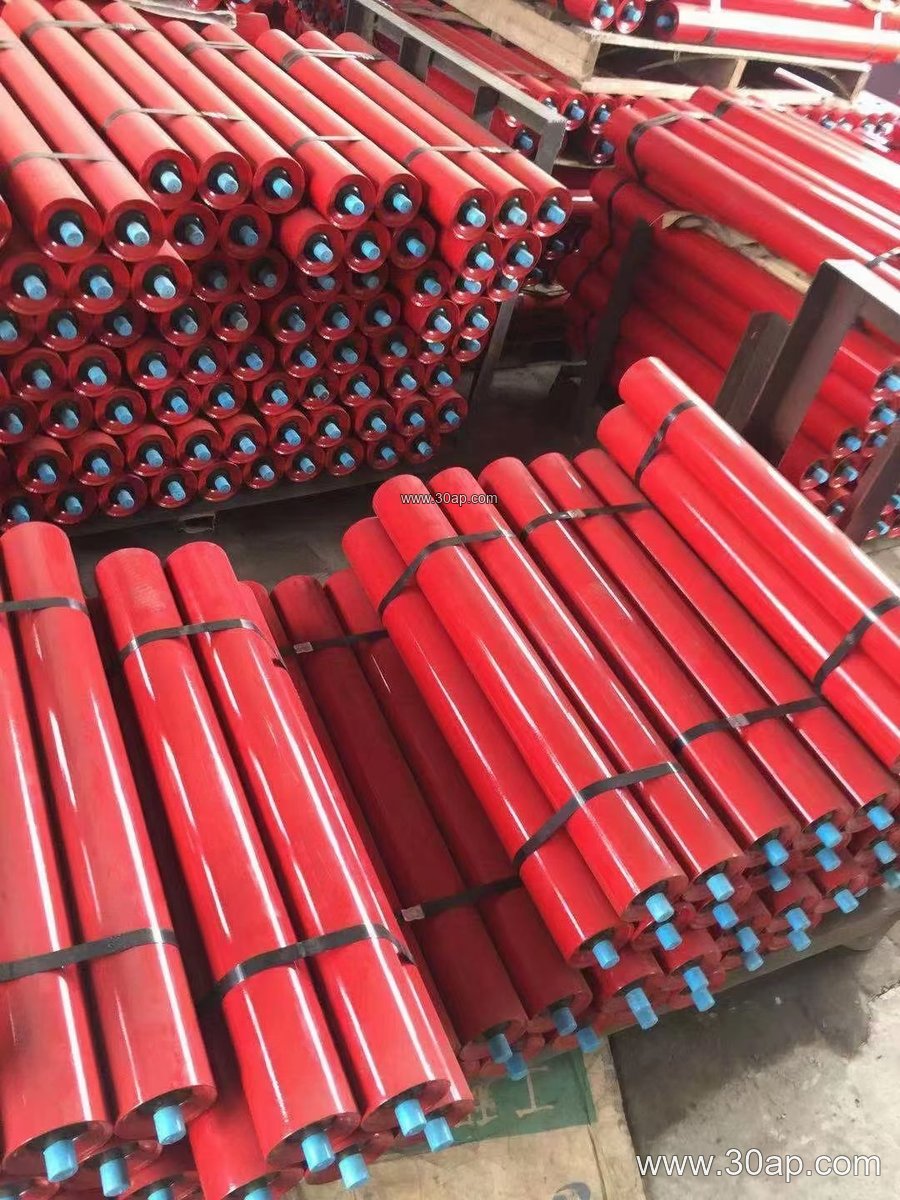
- Belt width range: commonly B400 to B2400, with B650, B800, B1000, and B1200 among the most requested.
- Roll diameter: Ø63 to Ø219 mm, selected by load and belt speed.
- Trough angle: 20, 30, 35, or 45 degrees.
- Bearing: 6204 through 6310, matched to the roll and duty.
- Surface: steel, nylon, or rubber covered rolls.
Also consider the environment. A dusty quarry or a coal yard may favor sealed bearings and wear-resistant roll surfaces. A fertilizer or grain facility may need corrosion protection. Buyers should ask for the mounting dimensions and confirm compatibility with the existing conveyor bracket and frame.
Installation and Maintenance
Mount the idler square to the belt centerline and check that the pivot moves freely. A training idler that cannot pivot will not correct misalignment. After installation, observe the belt over several runs and adjust the frame position if drift persists. Inspect rolls for sticking, buildup, or worn surfaces, and replace bearings when noise or play appears. Keeping the belt tension and loading centered reduces the work the idler must do.
For more conveyor components, including idler roller, conveyor pulley, and conveyor bracket options, visit our site and match the parts to your line. A well-chosen belt anti-misalignment idler is a low-cost way to protect the belt and keep production steady.