What a Conveyor Pulley Assembly Does
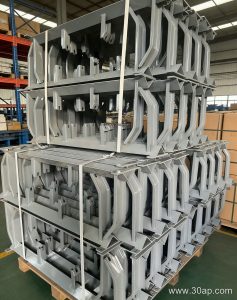
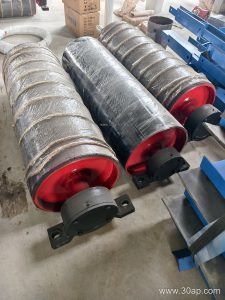
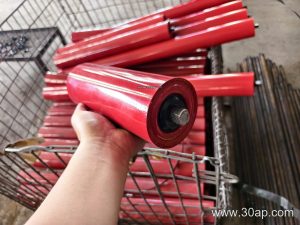
A conveyor pulley assembly is the rotating heart of a belt conveyor. It transmits motion to the conveyor belt, maintains proper belt tension, and guides the belt along its path. While the pulley itself is the visible cylinder, the assembly includes the shaft, bearings, bearing housings, locking elements, and often the lagging surface. In a quarry or aggregate line, a single conveyor may use several assemblies: a drive pulley at the head, a tail pulley at the loading point, and bend pulleys to route the belt. Each position places different demands on the assembly, so understanding the complete unit matters more than judging the pulley shell alone.
Construction and Key Components
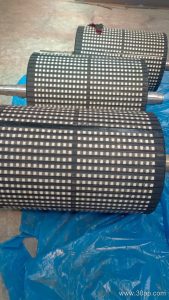
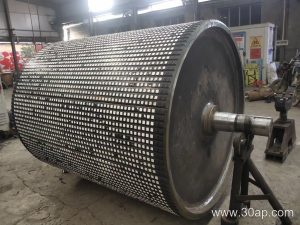
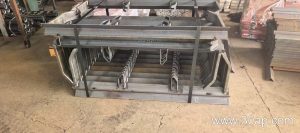
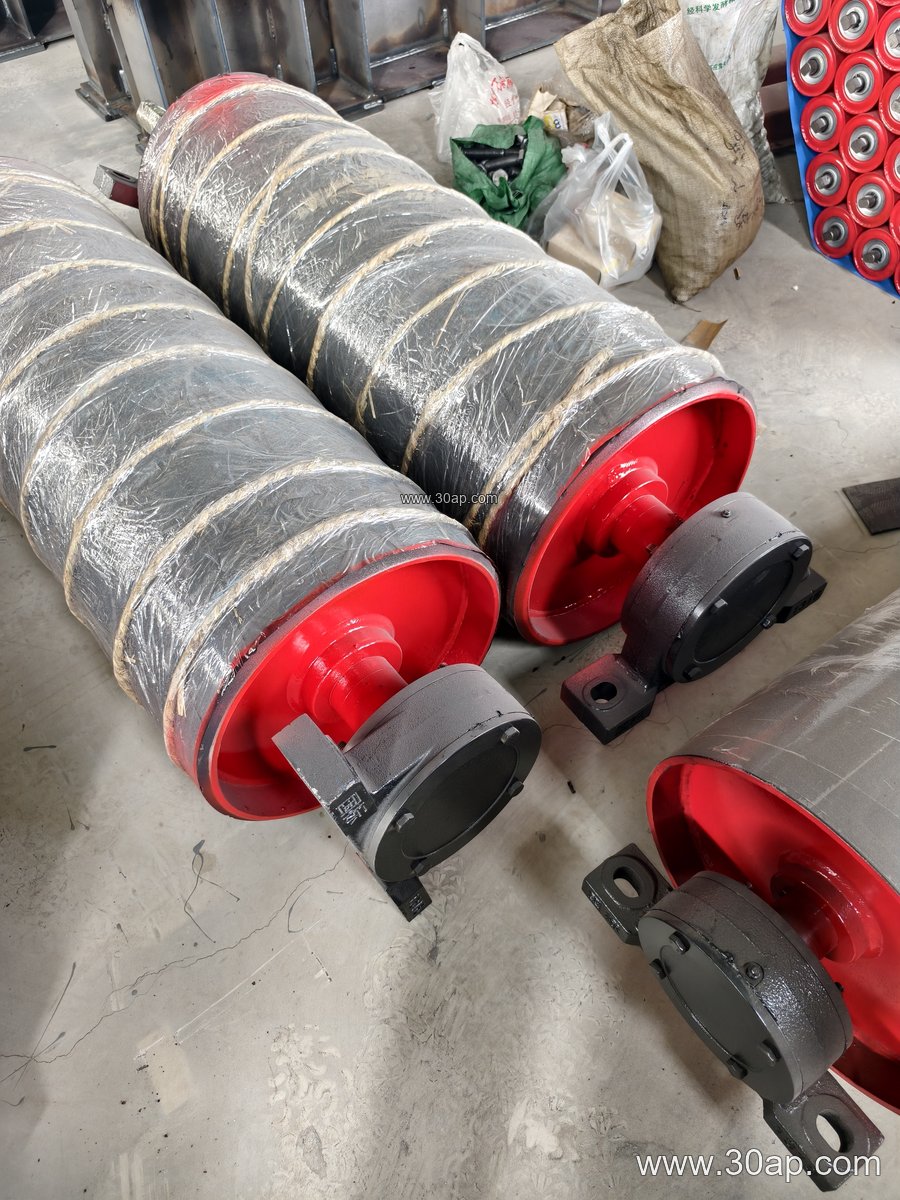
A typical assembly starts with a steel drum, either welded or seamless, machined to balance. The shaft is sized by torque and radial load, not by belt width alone. Common shaft diameters include Ø80, Ø100, Ø120, and Ø140 mm, but final selection depends on the drive power and belt tension. Bearings are mounted in housings that bolt to the conveyor bracket, allowing alignment and removal. Lagging – the rubber or ceramic layer on the drum surface – improves grip and protects the shell. Common lagging thicknesses are 8, 10, 12, 15, and 20 mm.
Surface Options
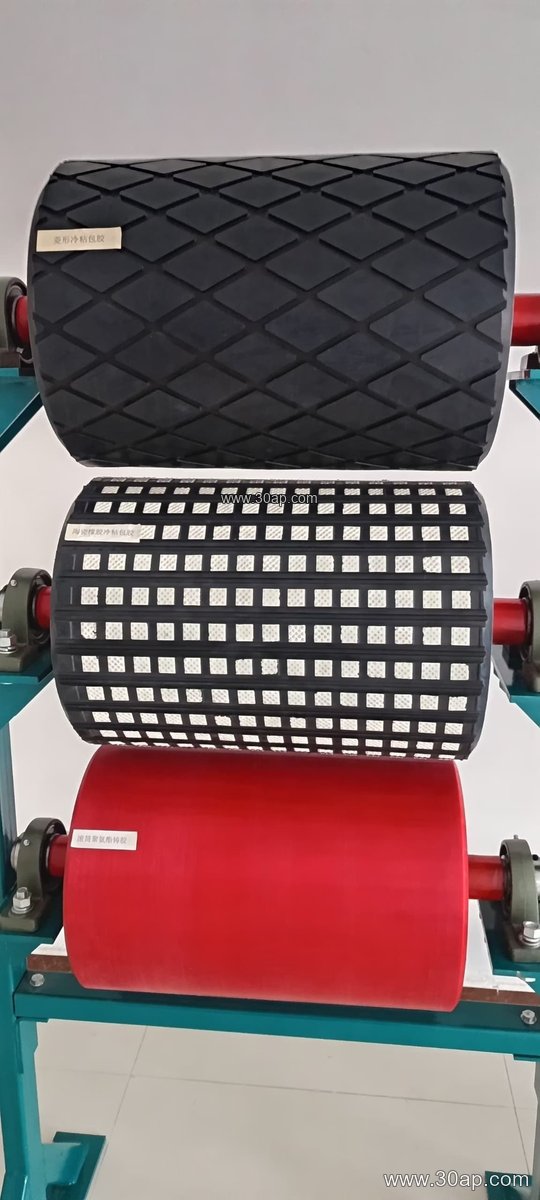
- Plain steel drum for light-duty or non-drive positions
- Hot-vulcanized rubber lagging for high-traction drives
- Diamond or herringbone grooved lagging to shed water and fines
- Ceramic lagging for abrasive conditions in iron ore or copper ore handling
Matching the Assembly to the Belt
The pulley face width is usually wider than the belt to allow for mistracking. For example, a B800 belt often runs on a drum about 950 mm wide, and a B1200 belt on a drum around 1400 mm wide. Diameter selection follows the belt’s minimum bend radius and the required contact arc. A B800 × Ø500 assembly may suit a tail position, while a B1200 × Ø1000 assembly could serve a high-tension drive. There is no fixed rule that one belt width pairs with only one diameter; the duty and belt construction determine the right combination. When the conveyor carries a heavy-duty mining conveyor belt or an abrasion resistant conveyor belt, the pulley assembly should be sized with extra margin for tension and wear.
Where These Assemblies Are Used
In a cement plant, conveyor pulley assemblies handle clinker and limestone, often with heat resistant conveyor belt or EP conveyor belt. In a coal washing plant, flame retardant conveyor belt and anti-static properties matter, so the pulley assembly must be grounded and the lagging chosen to avoid sparking. Port bulk terminals rely on large assemblies with B1600 or B1800 face widths to move ore and grain. In a crushing and screening circuit, the tail pulley assembly absorbs impact and keeps the belt centered under the crusher discharge.
Drive, Tail, and Bend Positions
Drive pulleys are built for torque transmission, with larger shafts and high-friction lagging. Tail pulleys often use a smaller diameter and may include a self-cleaning wing design. Bend pulleys redirect the belt with minimal wrap and are usually plain-faced. These are not interchangeable: a bend pulley from a tensioning section cannot replace a drive pulley at the head. When replacing a unit, confirm the position and load before ordering.
Buyer Checklist
Before specifying a conveyor pulley assembly, gather the belt width, belt type (such as steel cord conveyor belt or multi-ply fabric core), maximum operating tension, pulley position, and ambient conditions. Check whether the assembly needs a conveyor bracket interface, what shaft diameter the bearings require, and whether lagging should be smooth, grooved, or ceramic. Ask for the balance grade and runout tolerance. For cold or hot climates, confirm the lagging compound suits the temperature. A well-matched assembly reduces belt wear, extends bearing life, and keeps the conveyor running smoothly in demanding industries from mining to power generation.