What a Heavy-Duty Conveyor Bracket Does
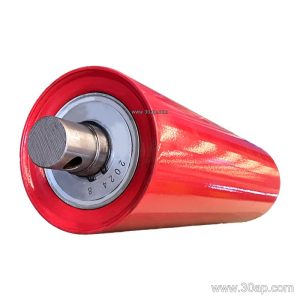
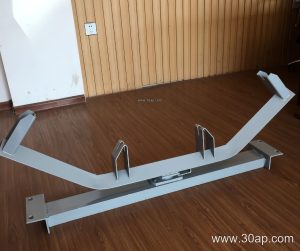
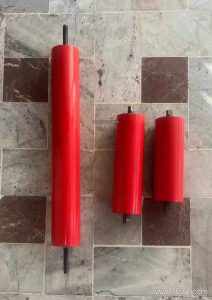
A heavy-duty conveyor bracket is the structural support that holds the idler roller in the correct position under a loaded conveyor belt. In a quarry, limestone mine or crusher circuit, the bracket carries the full weight of the belt plus the material on it, so its job is both geometric and mechanical: it fixes the trough angle, keeps roller spacing consistent, and transfers the load into the conveyor frame. The same component is often called a heavy-duty idler bracket or heavy-duty roller support bracket, and those names describe the same part.
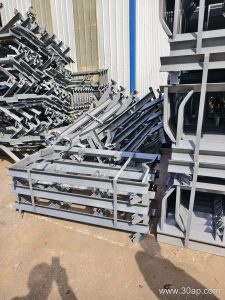
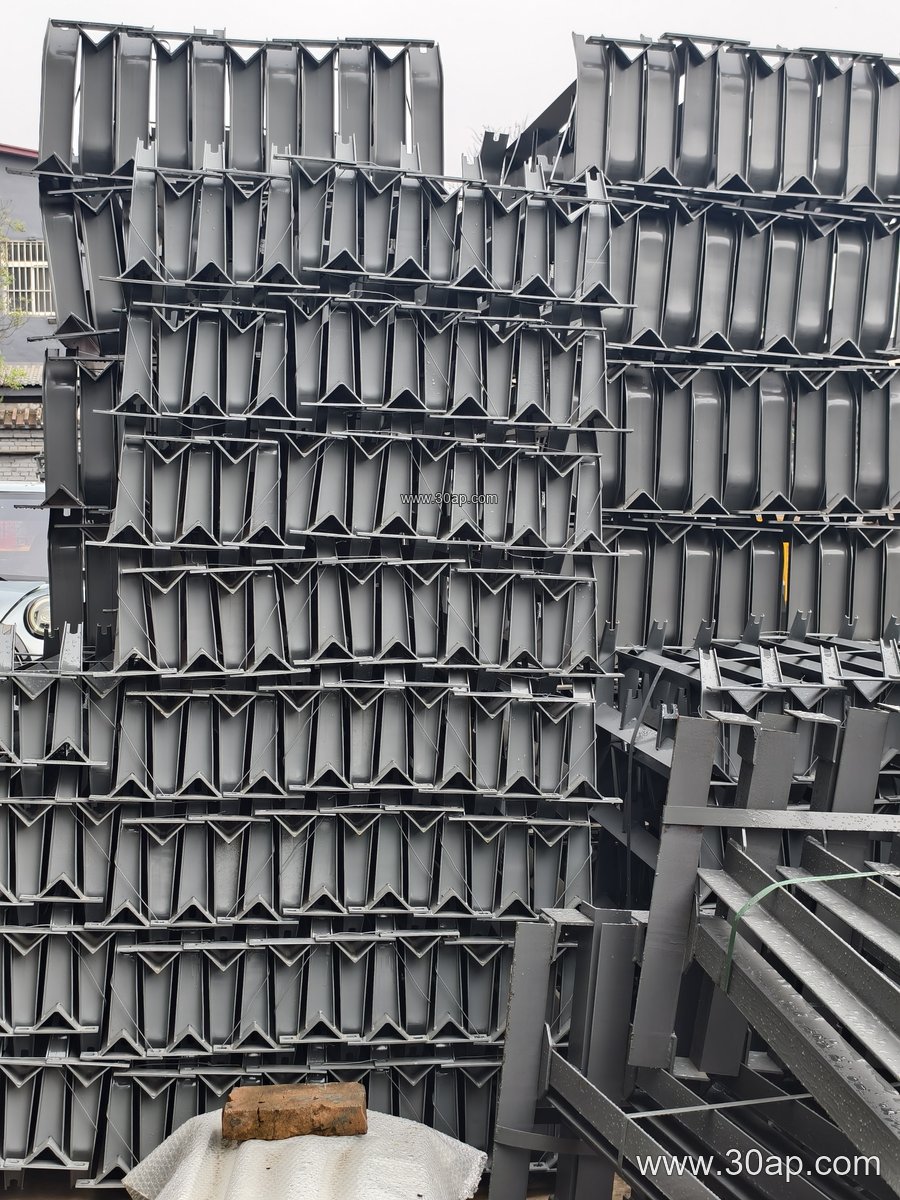
Where a standard bracket may be pressed from light sheet, a heavy-duty design is usually built from angle steel, channel steel or folded steel plate. The heavier section resists bending when a 1200mm wide conveyor belt arrives fully loaded from a crusher, and it keeps the trough profile stable through start-stop cycles.
Construction and Mounting Positions
The bracket family covers several positions along the conveyor. Trough brackets sit on the carrying side, return brackets support the belt on its way back, and transition brackets guide the belt between the pulley and the first full trough set. Impact brackets with cushioning are common below a transfer chute, while self-aligning brackets correct belt drift on long runs.
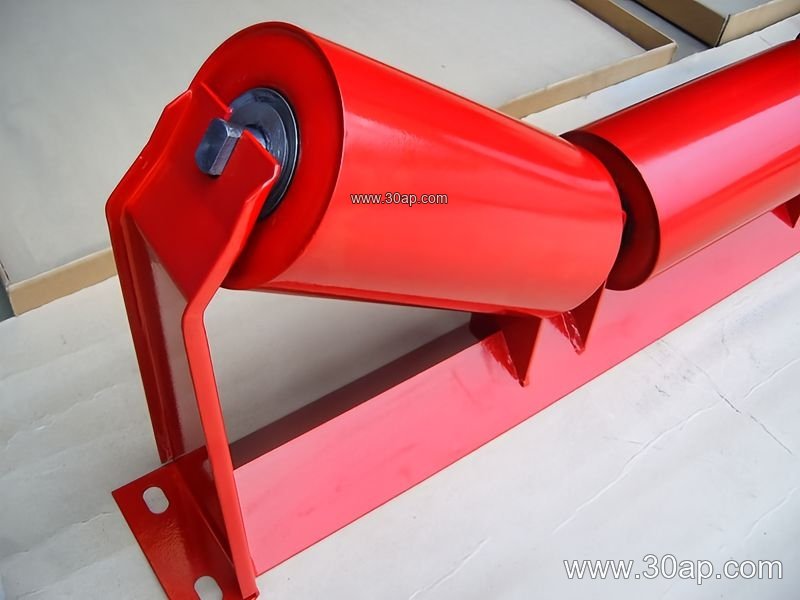
- Carrying side: trough bracket with 20, 30, 35 or 45 degree trough angle
- Return side: flat return bracket or V-return bracket
- Transition zones: bracket sets with gradually changing angle
- Loading points: impact bracket with buffer rollers
- Long conveyors: self-aligning and forward-leaning brackets
Adjustable brackets allow the trough angle to be changed on site, which is useful when a plant handles both fine aggregate and lumpy ore. Fixed brackets are simpler and stiffer, and they suit lines where the trough angle is settled at design stage. Forward-leaning brackets usually sit at about 1.5 to 2 degrees to help centre the belt. Hole spacing and crossbeam length follow the belt width and trough angle, so they are determined by design rather than fixed for all conveyors.
Matching Belt Width, Trough Angle and Roller Diameter
Bracket geometry and roller size should be chosen together. A typical combination might be B800 with a 35 degree trough and Ø108 rollers, or B1200 with 45 degrees and Ø133 rollers. Wider lines such as B1600 or B1800 often use Ø159 or Ø194 rollers, but the final match depends on load, belt tension and frame design. No single belt width is limited to one trough angle or one roller diameter.
| Belt width | Common trough angle | Common roller diameter | Typical position |
|---|---|---|---|
| B500 / B650 | 20–30 degrees | Ø89 | Small aggregate lines |
| B800 / B1000 | 30–35 degrees | Ø108 | Cement and power plant belts |
| B1200 / B1400 | 35–45 degrees | Ø133 | Ore and coal conveying |
| B1600 / B1800 | 35–45 degrees | Ø159 / Ø194 | Heavy bulk transport |
| B2000 / B2200 | 35–45 degrees | Ø194 | Large port and mining systems |
These figures are reference values only; each conveyor should be checked against its own load calculation and frame drawing.
Where These Brackets Are Used
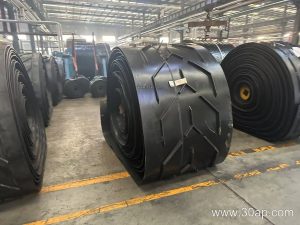
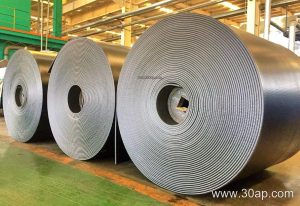
Heavy-duty brackets appear wherever tonnage is high and downtime is costly. In a coal preparation plant, flame retardant conveyor belt and anti-static conveyor belt are common, and the brackets must hold alignment through dusty, wet conditions. In a cement plant, heat resistant conveyor belt may run close to clinker transfer points, so bracket placement and roller clearance matter. In an iron ore or copper ore terminal, a steel cord conveyor belt carries very high tension, and the bracket frame must be stiff enough to keep the trough shape under that load.
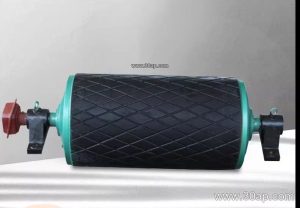
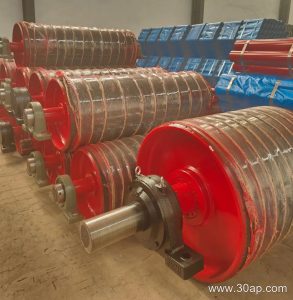
Other industries follow the same logic: power plant coal handling, limestone quarries, sand and gravel lines, fertilizer plants and grain silos. In each case the bracket works with the conveyor pulley, the idler roller and the belt itself rather than in isolation.
Buyer Checklist
- Confirm the belt width and the required trough angle before ordering.
- State the roller diameter and the mounting hole pattern, or supply the frame drawing.
- Choose material thickness for the actual load, not for the lightest option.
- Decide between fixed and adjustable brackets based on how often the profile may change.
- Check that return and transition positions are included, not only carrying brackets.
- Ask for the bracket finish and corrosion protection suitable for the site.
A well-chosen heavy-duty conveyor bracket is a small part of the total conveyor cost, but it protects the belt, the rollers and the pulley from misalignment and vibration. Buyers who match bracket type, trough angle and roller size to the real duty of the line get longer service life from the whole system.