What an Idler Bracket Does on a Conveyor
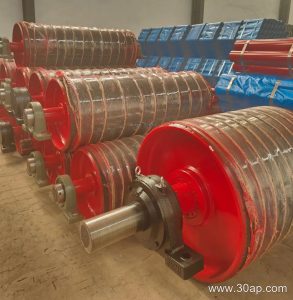
An idler bracket is the structural component that holds a conveyor idler roller in the correct position beneath or above the conveyor belt. It sets the trough angle, keeps roller spacing consistent, and transfers the load of the belt and material into the conveyor frame. Without a properly matched bracket, even a well-made idler will sit out of alignment, which leads to edge wear, belt wander, and shortened roller life.
The bracket is not a single universal part. It is a family of formed steel supports, each matched to a specific position on the conveyor structure and to the duty of the line.
Common Bracket Types and Where They Sit
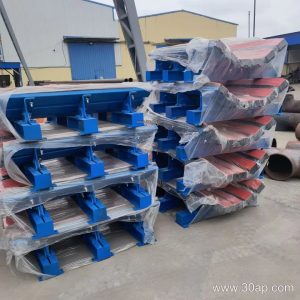
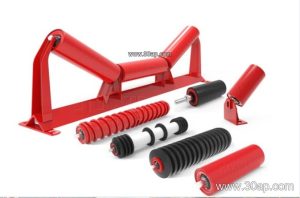
Carrying-side brackets are usually troughing types, built to hold two or three rollers at a set angle. Return-side brackets hold a single flat roller or a V-shaped pair. Transition brackets ease the belt from flat to troughed. Impact brackets sit under loading points and carry heavier, shock-absorbing rollers. Self-aligning and forward-leaning brackets are used where belt tracking is a concern.
- Troughing bracket – carrying side, two or three rollers
- Transition bracket – near pulleys and loading zones
- Return bracket / V-return bracket – supporting the empty belt
- Impact bracket – under chutes and transfer points
- Self-aligning bracket – correcting minor belt drift
- Adjustable bracket – allowing trough angle changes on site
Construction and Materials
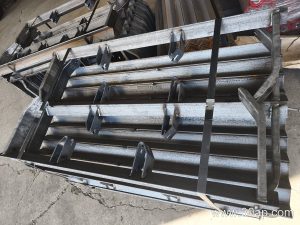
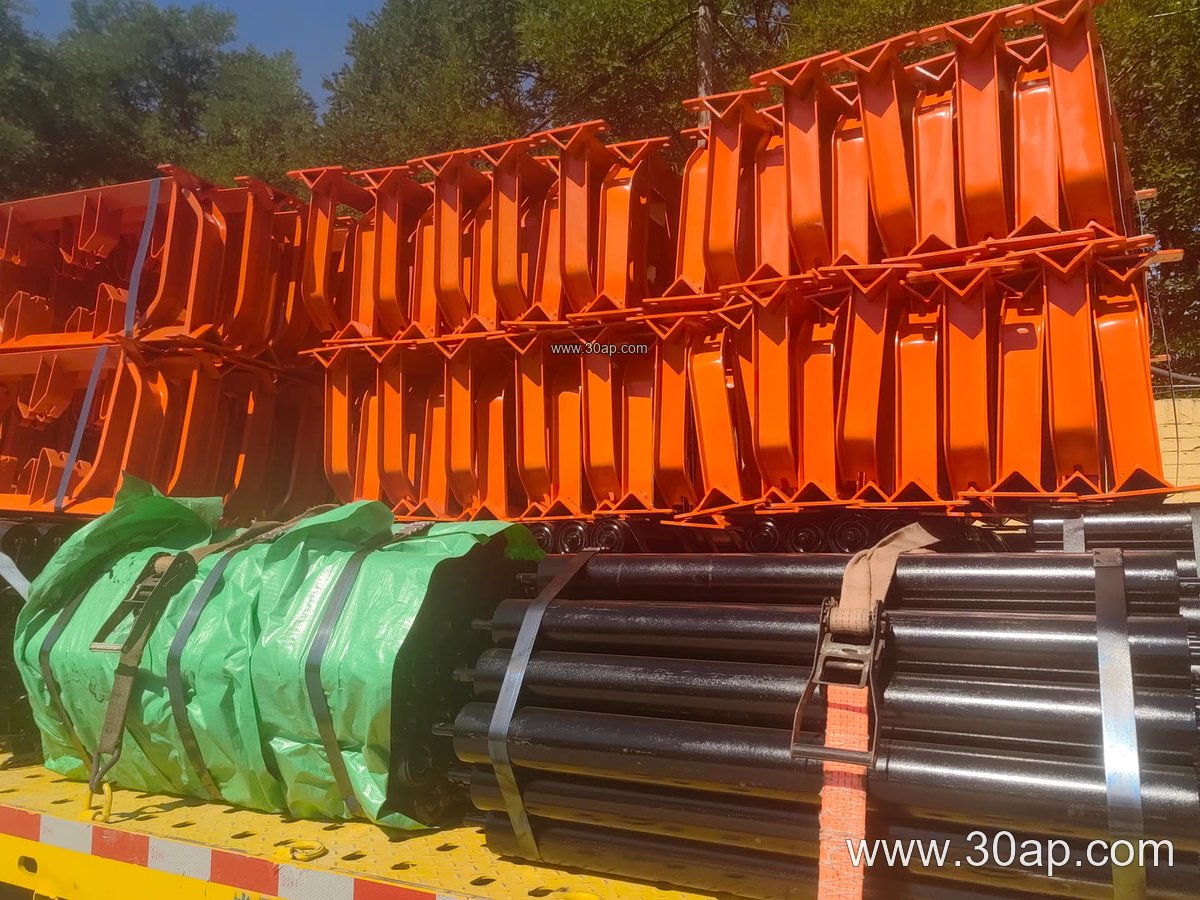
Most brackets are fabricated from angle steel, channel steel, or folded steel plate, then drilled or punched for mounting. The forming method matters: a folded plate bracket distributes stress differently from a welded angle bracket, and the hole pattern must match the frame and the roller shaft ends. Powder coating or galvanizing is common in wet or dusty service, though the exact finish should be confirmed with the supplier rather than assumed.
Trough Angle, Belt Width and Roller Diameter
These three values work together, but they are not locked to one another. A wider belt generally needs a longer crossbeam and a larger mounting span, while the trough angle is chosen from the material’s angle of repose and the belt’s flexibility. Typical reference combinations include B800 with 35 degrees and Ø108 rollers, B1200 with 45 degrees and Ø133 rollers, or B650 with 30 degrees and Ø89 rollers. These are examples, not fixed rules, and a given belt width can be paired with more than one trough angle or roller diameter depending on design.
| Parameter | Common Reference Values |
|---|---|
| Belt width | B500, B650, B800, B1000, B1200, B1400, B1600, B1800, B2000, B2200 |
| Trough angle | 20°, 30°, 35°, 45° |
| Roller diameter | Ø89, Ø108, Ø133, Ø159, Ø194 |
| Forward lean | about 1.5° to 2° |
| Material | angle steel, channel steel, folded plate |
Mounting hole spacing and crossbeam length vary with belt width and trough angle, so they are determined by design rather than taken from a single table.
Where These Brackets Are Used
In a limestone quarry, troughing brackets carry a heavy quarry conveyor belt through the crushing and screening stages. In a coal preparation plant, flame retardant and anti-static belting runs over brackets that must resist dust and moisture. Power plant coal handling, cement clinker lines, iron ore terminals, and aggregate plants all rely on the same basic bracket logic, though the duty and the belt construction differ.
The bracket also interacts with the belt itself. A rigid, high-strength steel cord conveyor belt tolerates tighter transitions than a flexible multi-ply fabric core belt, while a chevron or skirted belt may need more clearance at the bracket edges. Matching bracket geometry to belt type avoids pinching and premature cover wear.
Buyer Checklist
Before ordering, confirm the belt width, the required trough angle, the roller diameter and shaft end type, the frame hole pattern, and the material of construction. Ask whether the bracket is fixed or adjustable, and check the intended position on the conveyor. For harsh service, discuss surface treatment and the expected dust or moisture exposure. More guidance on matching brackets with conveyor pulley and roller assemblies is available at www.bridgestoneconveyor.com/idler-bracket, and related belting data can be reviewed at www.bridgestoneconveyor.com/conveyor-belt.
A bracket that fits correctly the first time saves far more than its purchase cost in reduced downtime and longer idler life.