What a High Strength Conveyor Belt Is
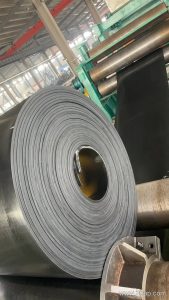
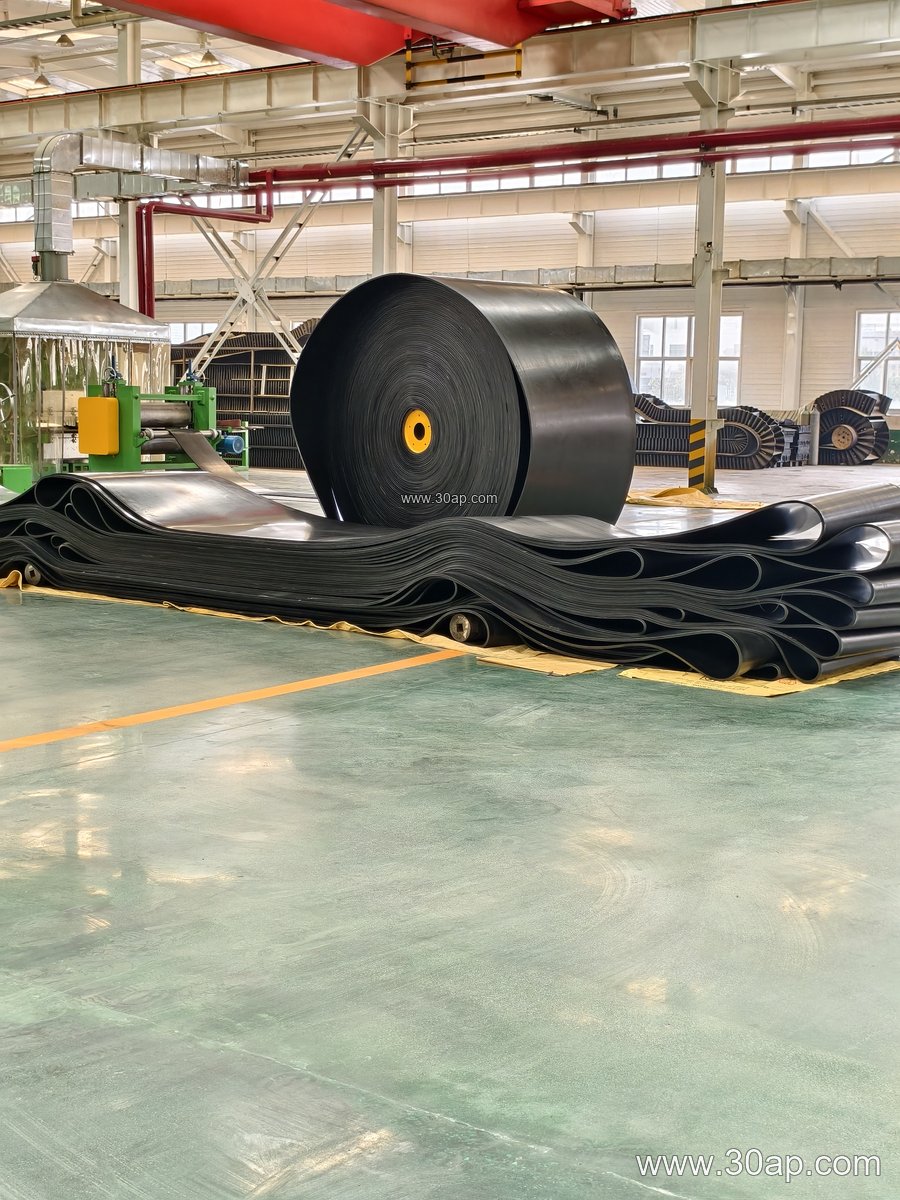
A high strength conveyor belt is a heavy-duty conveyor belt built to carry large tonnages over long distances without excessive stretch or premature failure. The strength comes from the carcass: the load-bearing fabric or steel cord layer inside the rubber. In practice, buyers often choose between an EP conveyor belt with polyester-polyamide plies, an NN conveyor belt with nylon plies, and a steel cord conveyor belt for the highest tension duties. Each is a legitimate form of high strength belt, and the right choice depends on the conveyor profile, the material, and the splice method available.
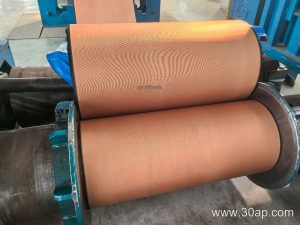
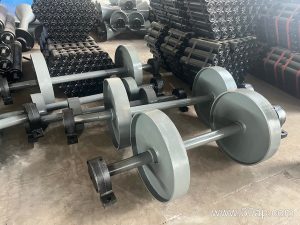
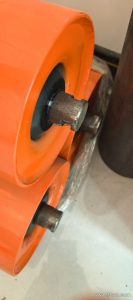
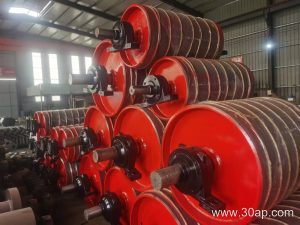
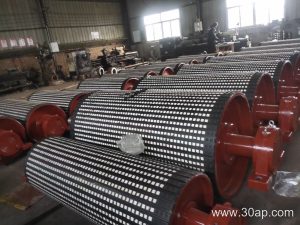
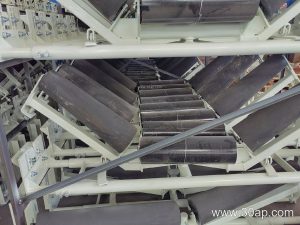
The belt is not the only component in the system. Conveyor pulleys at the drive, tail, and bend positions each do a different job, and idler rollers support the belt along the carrying and return runs. A conveyor bracket holds those idlers in alignment. Matching belt strength to the whole conveyor layout matters more than picking the highest number on a datasheet.
How the Strength Is Built In
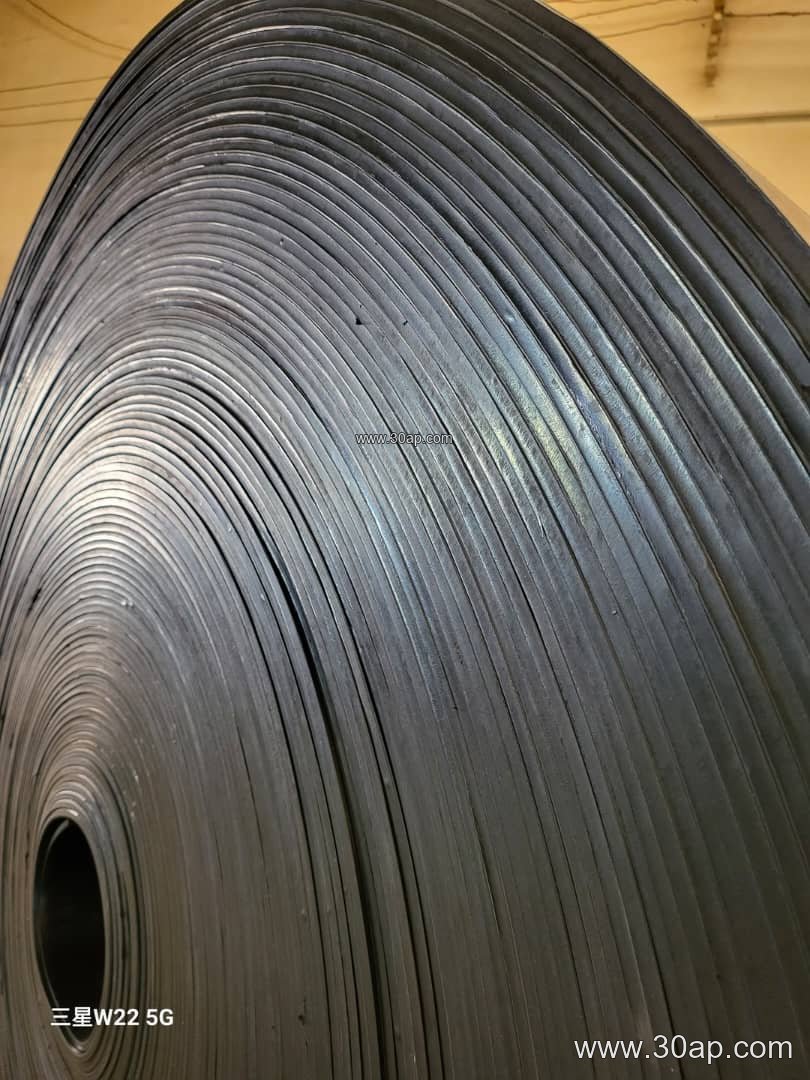
Fabric-core belts use multiple plies of woven fabric bonded between rubber layers. A multi-ply fabric core conveyor belt distributes tension across several layers, which gives good troughability and reliable mechanical splicing. Steel cord belts replace the fabric with parallel brass-plated cords, allowing very high tension in a thinner, heavier belt that usually needs a vulcanized splice.
Cover compound is the second half of the story. An abrasion resistant conveyor belt protects the carcass from sharp rock and ore, while a heat resistant conveyor belt uses special compounds for clinker, sinter, or cement. Flame retardant and anti-static grades are common in coal mining conveyor belt applications underground. Cold resistant, oil resistant, and acid resistant versions cover other plant conditions.
Typical Strength Grades and Dimensions
The figures below are common reference ranges, not fixed supply promises. Actual values are confirmed per project and per manufacturer.
Fabric Core Grades
| Type | Common Strength Grades |
|---|---|
| EP conveyor belt | EP200, EP315, EP400, EP500, EP630, EP800, EP1000, EP1250, EP1600, EP2000 |
| NN conveyor belt | NN100 to NN400 class ranges |
Steel Cord and Belt Widths
| Item | Typical Range |
|---|---|
| Steel cord grades | ST1000, ST1250, ST1600, ST2000, ST2500, ST3150 |
| Belt width | B500, B650, B800, B1000, B1200, B1400, B1600, B1800, B2000 |
| Cover thickness | 3+1.5, 4+2, 5+2, 6+2, 8+3 mm |
| Carcass plies | Usually 2 to 6 layers for fabric belts |
Belt width and pulley diameter are separate design decisions. A wider belt does not automatically dictate one particular pulley size, and shaft diameter must be calculated from the actual load case rather than guessed from width alone.
Where These Belts Work
High tension belts appear across mining, coal preparation, cement plants, power stations, steel plants, quarries, sand and aggregate yards, ports, and recycling lines. A quarry conveyor belt moving blasted rock needs abrasion resistance and impact tolerance. An iron ore or copper ore conveyor belt may combine high strength with cut and gouge resistance. Ship loading and stockyard systems often use long single flights where low stretch saves take-up travel.
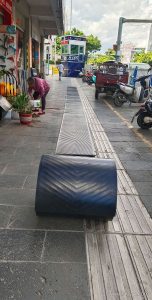
Special profiles solve specific problems. A chevron conveyor belt or corrugated sidewall belt handles steep inclines, a skirted belt contains material at transfer points, and a pipe conveyor belt encloses the load for dust control and route flexibility. These are alternatives for particular layouts, not replacements for a standard high strength belt on a flat run.
What Buyers Should Check
- Tension and safety factor: confirm the calculated maximum belt tension and the splice efficiency the supplier assumes.
- Material condition: note lump size, temperature, oil or chemical exposure, and whether the belt must be flame retardant.
- Pulley and idler compatibility: check conveyor pulley diameters, idler roller spacing, and transition distances against belt stiffness.
- Cover thickness: match top and bottom cover to wear and return-side conditions rather than defaulting to the thickest option.
- Splicing: decide between mechanical and vulcanized joints early, because it affects belt grade, delivery format, and downtime planning.
- Documentation: ask for grade, ply or cord construction, cover thickness, width, and tolerance data in writing.
For a full conveyor package, belts are usually specified together with conveyor pulleys, idler rollers, and conveyor brackets so that tension, troughability, and wear life are considered as one system.
Care and Service Life
Alignment, loading conditions, and transfer chute design influence belt life as much as compound quality. Keep idlers turning freely, inspect pulley lagging, and correct mistracking before edge damage spreads. Store spare belts away from sunlight, oil, and ozone sources, and follow the maker’s splice procedure. With the right grade and reasonable maintenance, a high strength conveyor belt can serve long campaigns in abrasive, hot, or underground environments.