What a Wide Conveyor Belt Is
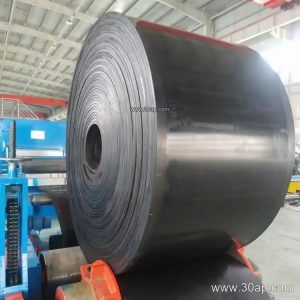
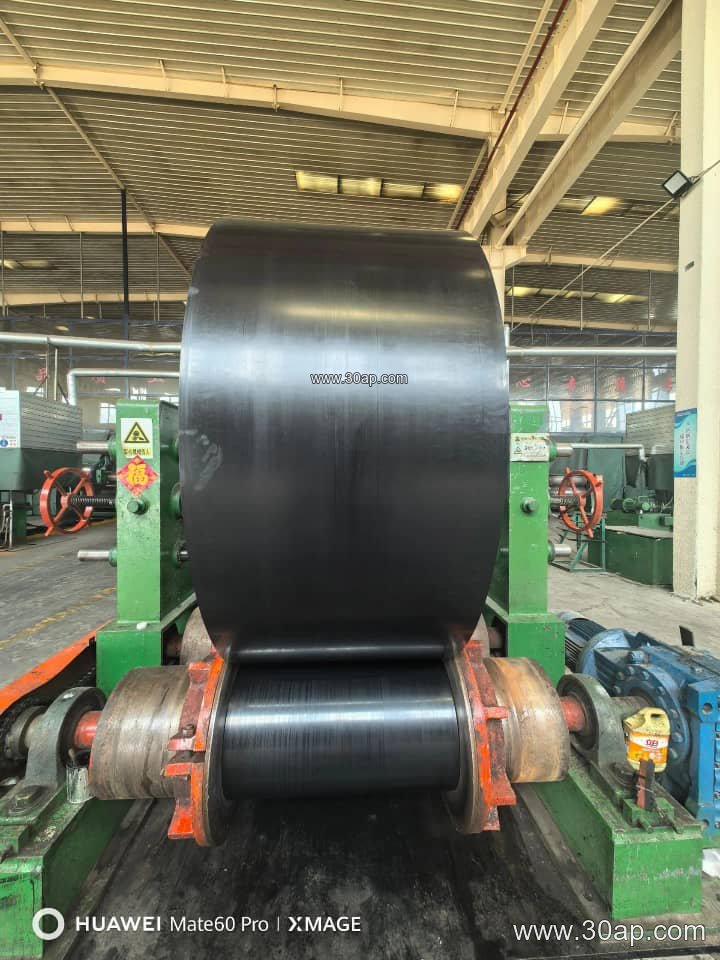
A wide conveyor belt is a heavy-duty belt designed for high-volume material transport across large conveyor systems. In practice, widths of 1200 mm, 1400 mm, 1600 mm, 1800 mm, and 2000 mm are common, and extra-wide belts may exceed these dimensions for specialized duties. Rather than a single product family, the term describes a size class that can be built on different carcass constructions, including EP conveyor belt, NN conveyor belt, steel cord conveyor belt, and multi-ply fabric core conveyor belt. The width is matched to the conveyor frame, pulley face, and loading conditions, so a wide belt is always part of an engineered system rather than a standalone item.
Construction and Subtypes
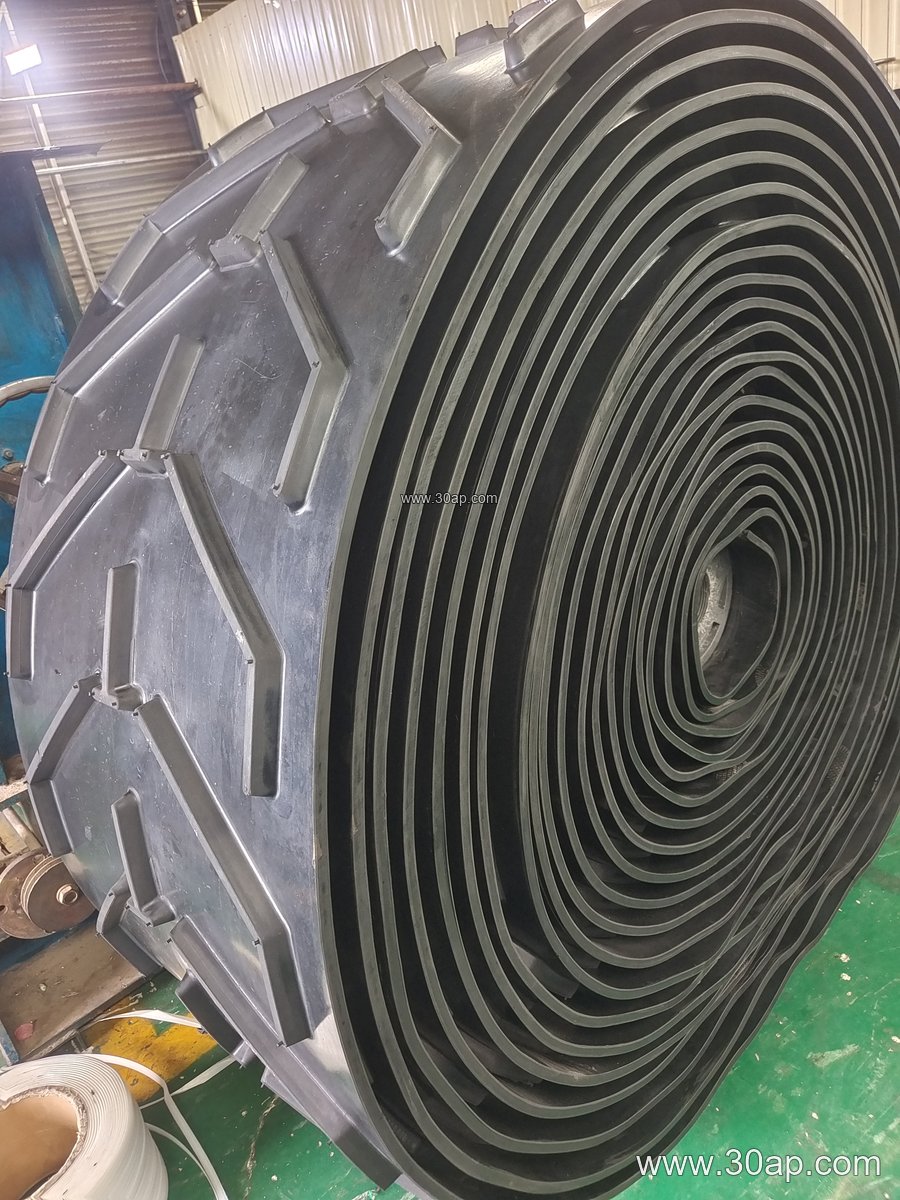
The belt body usually combines a fabric or steel cord carcass with rubber covers. Common cover thicknesses include 4+2 mm, 5+2 mm, 6+2 mm, and 8+3 mm, while carcass layers often range from 2 to 6 plies in fabric constructions. For abrasive conditions, an abrasion resistant conveyor belt or high abrasion resistant conveyor belt may be specified. Heat resistant conveyor belt and high temperature conveyor belt grades serve cement kiln and clinker lines, while flame retardant conveyor belt and fire resistant conveyor belt options are selected for coal mining conveyor belt and underground coal mining conveyor belt applications. Oil resistant conveyor belt and chemical resistant conveyor belt covers protect the carcass in processing plants. For steep inclines, chevron conveyor belt or corrugated sidewall conveyor belt profiles help contain material, and skirted conveyor belt designs reduce spillage at transfer points.
Typical Industries and Duty
Wide belts appear in mines, coal preparation plants, cement works, power stations, steel plants, quarries, sand and gravel operations, ports, and recycling facilities. A quarry conveyor belt or aggregate conveyor belt often runs at 1200 mm to 1800 mm width to handle crusher discharge. Iron ore conveyor belt and copper ore conveyor belt duties may call for steel cord conveyor belt or high strength conveyor belt constructions such as ST1600, ST2000, or ST2500 when tension demands are high. In coal mining, PVG conveyor belt and PVC mining conveyor belt grades are common, while a mining flame retardant conveyor belt or mining fire resistant conveyor belt may be required for underground service. Port conveyor belt and ship loading conveyor belt systems frequently use 1800 mm or 2000 mm widths to maximize throughput.
Specifications and Selection Notes
Buyers should treat belt width, carcass strength, cover grade, and pulley dimensions as related but separate decisions. A 1200mm wide conveyor belt does not dictate a single pulley diameter, and shaft size must be calculated from the actual conveyor design. The table below lists representative reference values; final selections depend on the conveyor layout, load, and environment.
Reference Data
| Parameter | Common Reference Values |
|---|---|
| Belt width | B500, B650, B800, B1000, B1200, B1400, B1600, B1800, B2000 |
| EP strength grades | EP200, EP315, EP400, EP500, EP630, EP800, EP1000, EP1250, EP1600, EP2000 |
| Steel cord grades | ST1000, ST1250, ST1600, ST2000, ST2500, ST3150 |
| Cover thickness | 3+1.5 mm, 4+2 mm, 5+2 mm, 6+2 mm, 8+3 mm |
| Carcass plies | 2 to 6 layers (fabric constructions) |
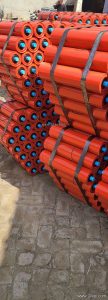
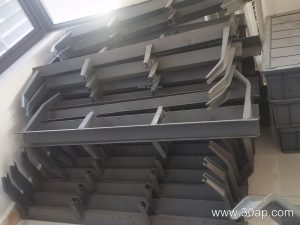
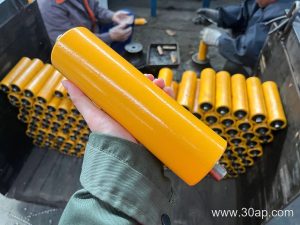
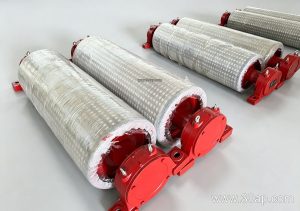
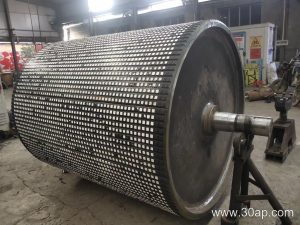
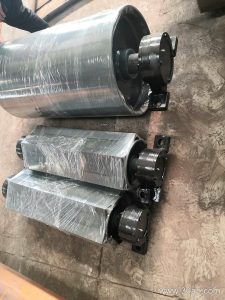
An EP1000 1200mm conveyor belt may suit a primary crusher line, while an EP1250 1800mm conveyor belt could be considered for a high-capacity overland system. A 1500mm wide conveyor belt or 2000mm wide conveyor belt is often associated with port and bulk terminal projects, but engineers should verify the drive, tail, and bend pulleys, idler roller spacing, and conveyor bracket layout before ordering. The drive pulley, tail pulley, and bend pulley each perform different functions and are not interchangeable; the same applies to carrying idlers, impact idlers, and return idlers.
Buyer Checklist
- Confirm the actual belt width and whether an extra-wide conveyor belt is needed.
- Match carcass grade to tension: EP200 to EP2000 for fabric belts, or ST1000 to ST3150 for steel cord belts.
- Select cover grade for abrasion, heat, oil, flame, cold, or static conditions as required.
- Check pulley face width, idler roller alignment, and conveyor bracket dimensions.
- Consider endless conveyor belt or field splicing based on installation access.
- Review loading impact points for impact resistant conveyor belt options.
For more information on wide belt configurations and related components such as conveyor pulley, idler roller, and conveyor bracket, consult a qualified conveyor designer. A well-matched wide conveyor belt reduces spillage, improves transfer stability, and supports reliable bulk material conveyor belt service in demanding plants.