What Is a 1800mm Conveyor Belt?
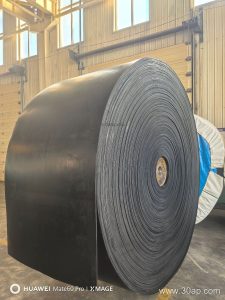
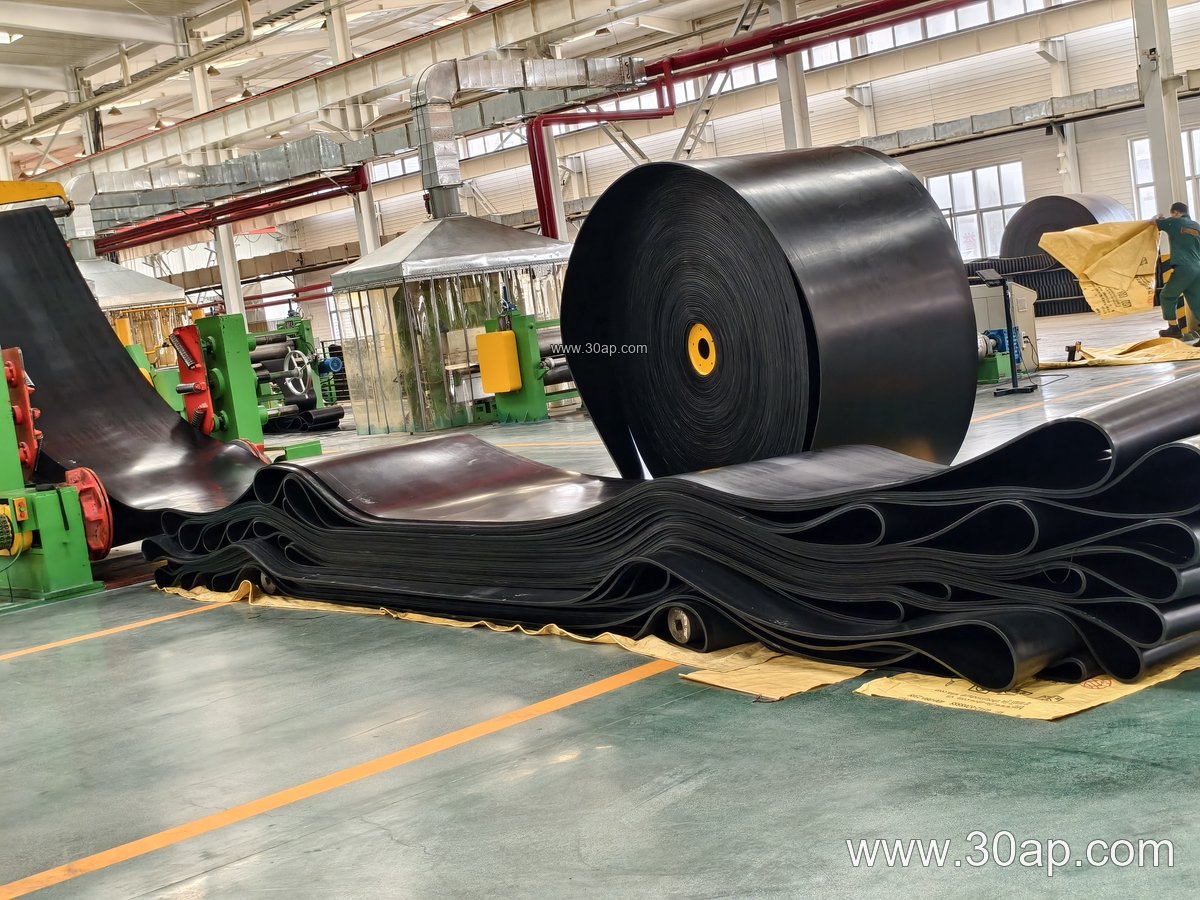
A 1800mm conveyor belt is a wide-profile belt designed for high-capacity bulk material transport. The 1800mm width (approximately 70.9 inches) allows for substantial throughput and is often found in large-scale mining, quarrying, cement, and power plant operations. This belt width is commonly used with corresponding conveyor pulleys, idler rollers, and conveyor brackets sized to handle the load. Whether you need a rubber conveyor belt for general service or a specialized EP conveyor belt for demanding conditions, the 1800mm format offers a balance between capacity and structural practicality.
Construction and Common Types
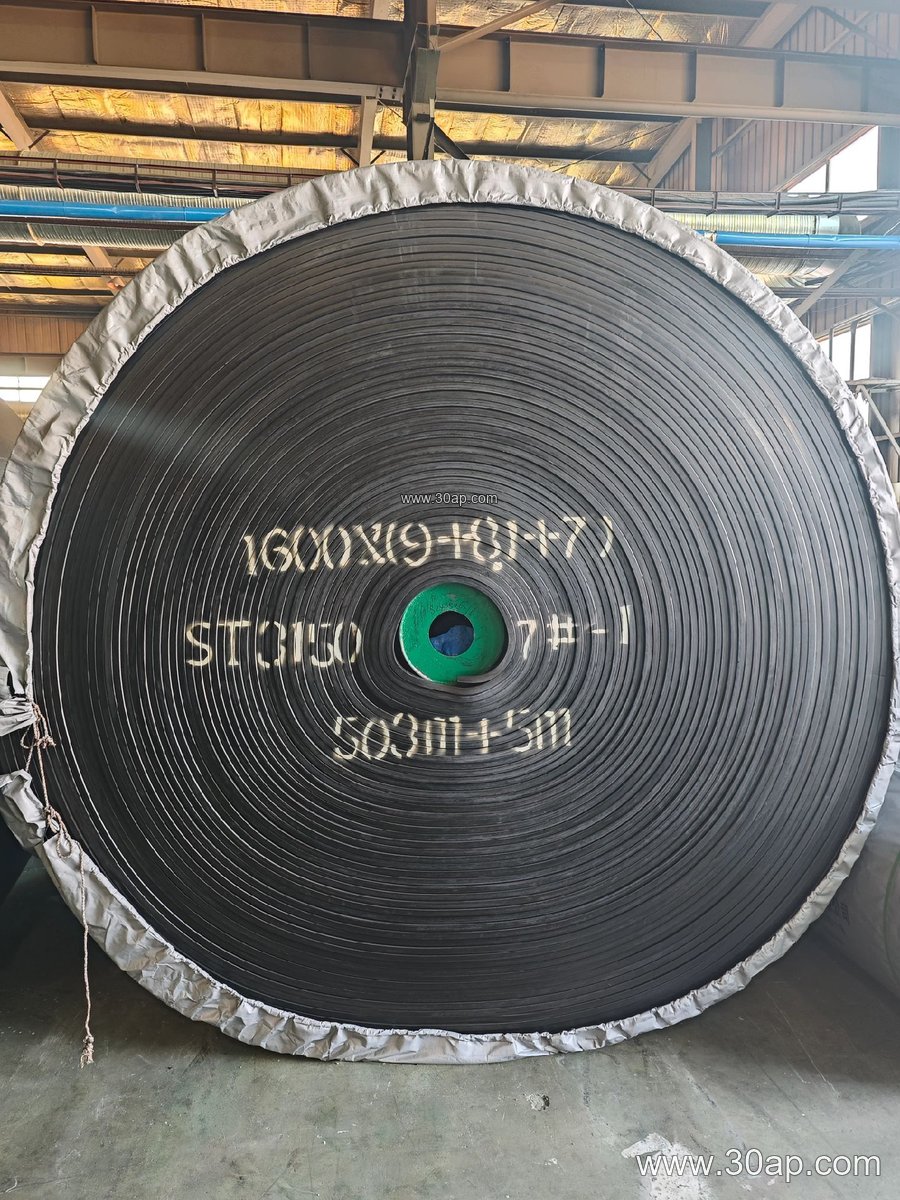
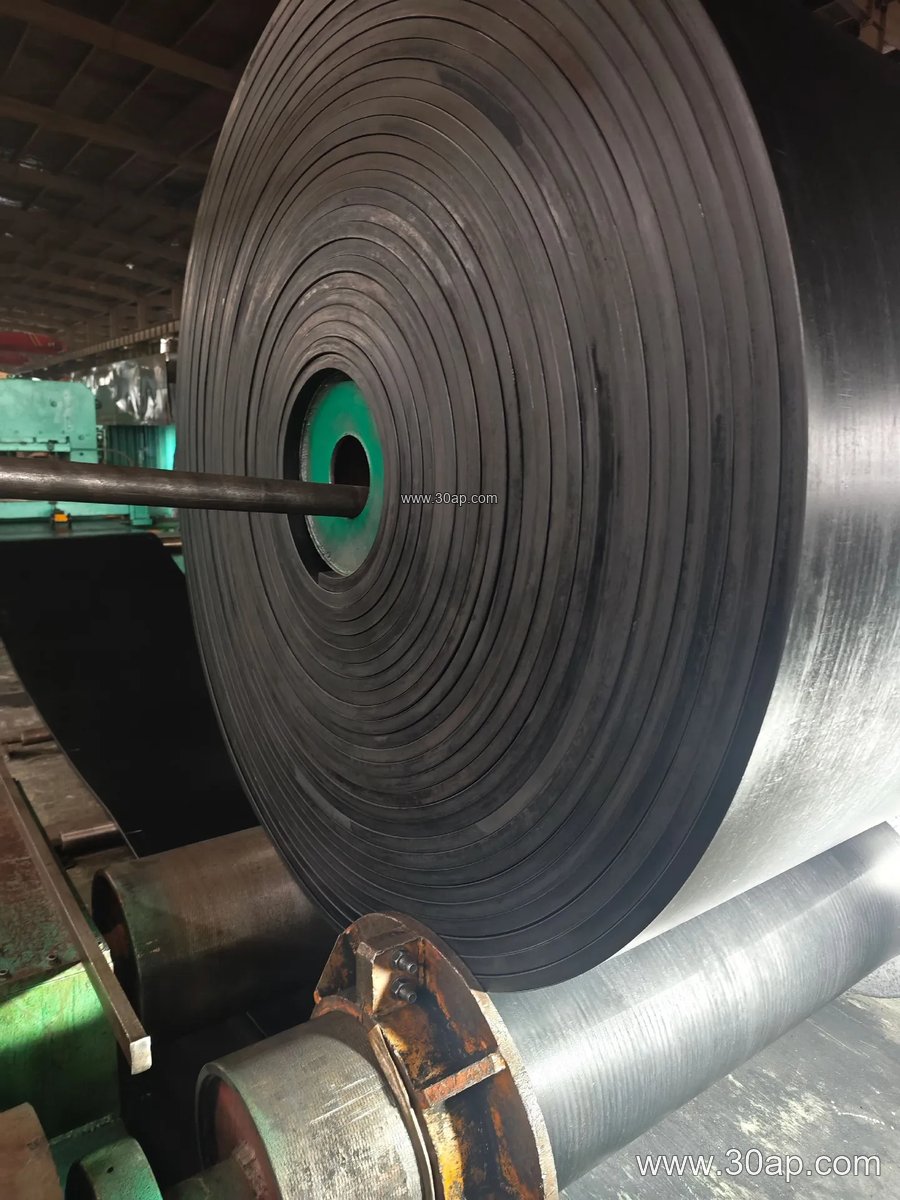
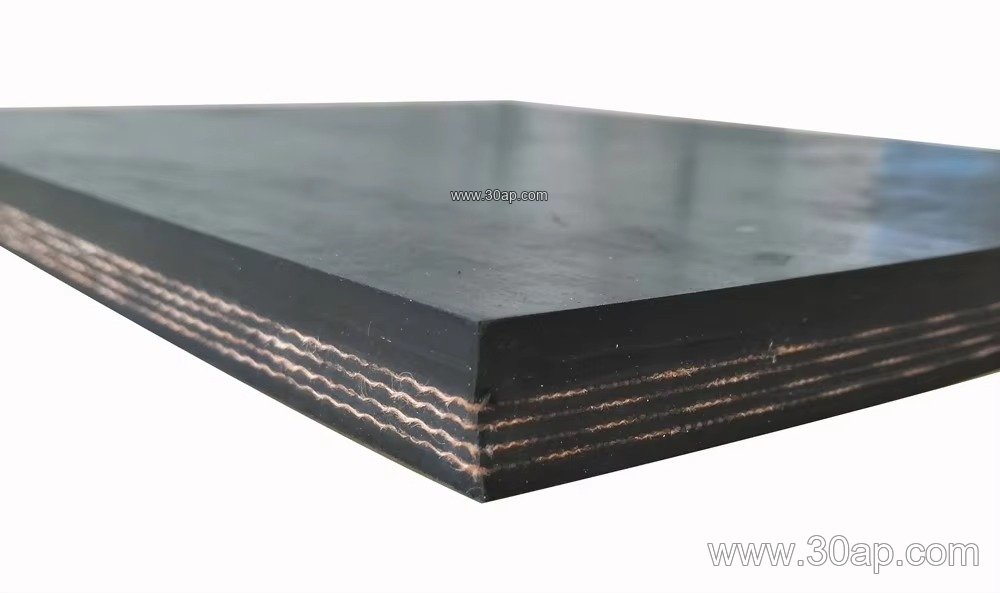
The 1800mm conveyor belt is available in several constructions to suit different operating environments. Fabric-core belts, such as EP (polyester-nylon) and NN (nylon-nylon) conveyor belts, are widely used for general bulk handling. Steel cord conveyor belts are chosen for very long distances and high tension applications. For specific industries, variants like heat resistant conveyor belt, oil resistant conveyor belt, flame retardant conveyor belt, and abrasion resistant conveyor belt are available. Chevron conveyor belt and corrugated sidewall conveyor belt designs help prevent material spillage on inclined paths. Each type maintains the 1800mm width while offering distinct performance characteristics.
Typical Specifications
While exact values depend on the manufacturer and application, the following table outlines common reference data for 1800mm conveyor belts. These are not universal specifications but serve as a starting point for selection.
| Parameter | Common Range |
|---|---|
| Belt width | 1800 mm (B1800) |
| Fabric core types | EP, NN |
| Strength grades (EP) | EP200 to EP2000 |
| Steel cord grades | ST1000 to ST3150 |
| Cover thickness | 3+1.5 mm to 8+3 mm |
| Number of plies | 2 to 6 (fabric core) |
| Special properties | Abrasion resistant, heat resistant, flame retardant, oil resistant, anti-static, cold resistant |
Where It Is Used
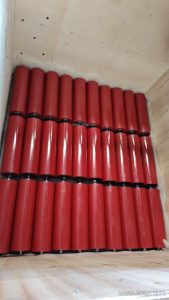
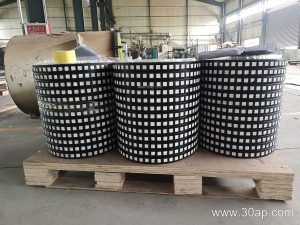
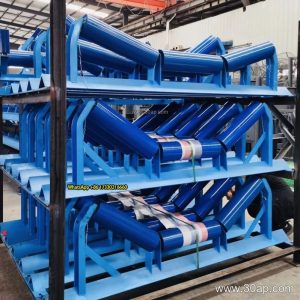
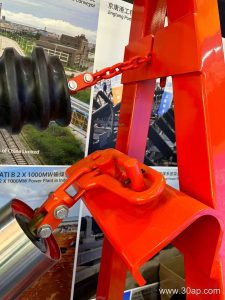
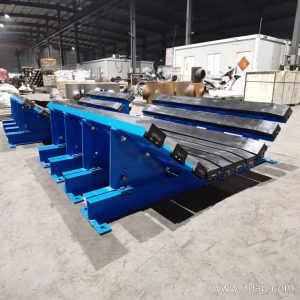
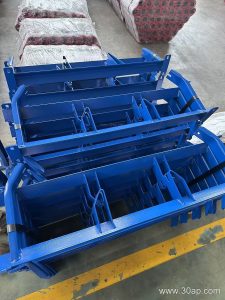
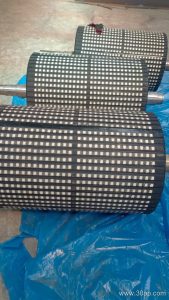
The 1800mm conveyor belt is often specified for high-volume operations. In the mining industry, it handles ore, coal, and overburden. Quarries and aggregate plants use it to move crushed stone and sand. Cement plants rely on wide belts for clinker and raw meal transport. Power plants use them for coal handling. The width supports large lump sizes and reduces the number of conveyor lines needed. In these settings, the belt works in conjunction with conveyor pulleys (drive, tail, and bend pulleys), idler rollers, and sturdy conveyor brackets to maintain reliable operation.
Selection and Maintenance Tips
Choosing the right 1800mm conveyor belt involves matching the belt type to the material and environment. Consider the following:
- Material characteristics: abrasive, hot, oily, or flammable materials require specific belt grades.
- Load and tension: calculate the required strength grade based on conveyor length, capacity, and incline. For fabric belts, EP315 or EP400 may suffice for moderate duties, while EP1000 or higher may be needed for heavy loads.
- Pulley and idler compatibility: ensure pulleys and idlers are rated for the belt width and tension. Do not assume a fixed relationship between belt width and pulley diameter; consult design guidelines.
- Maintenance: regularly inspect belt edges, splices, and cover wear. Keep idler rollers turning freely and check pulley alignment to prevent tracking issues.
For specialized needs, such as underground coal mining, a PVG conveyor belt or flame retardant conveyor belt may be required. In food processing, a food grade conveyor belt is available, though 1800mm width is less common in that sector.
Buyer’s Checklist
Before purchasing a 1800mm conveyor belt, clarify the following with suppliers: belt type (e.g., EP, NN, steel cord), strength grade, cover thickness, number of plies, and any special properties. Confirm that the belt width matches your conveyor structure and that associated components like pulleys, idlers, and brackets are properly sized. Request technical data sheets and refer to industry standards where applicable. Remember that specifications vary by manufacturer, so always verify actual performance data for your specific application.