What a Steel Plant Conveyor Belt Has to Handle
A steel plant conveyor belt works in one of the harshest material handling environments in heavy industry. Sinter, pellets, coke, limestone, iron ore, slag, mill scale and hot briquettes all move along the same plant network, often over long distances and at high tonnage. The belt is not simply a carrying surface; it is a wear part, a flame barrier and a production link all at once. When a steel plant conveyor belt fails, the cost is measured in downtime at the blast furnace or sinter strand, not just in the price of the belt itself.
Because of this, buyers usually treat the belt as an engineered component. The specification has to match the duty: lump size, temperature, oil exposure, abrasion level, incline angle and the pulley and idler roller layout of each conveyor. At www.xuanxuanmachinery.com we see steel plant projects where the same plant uses several different belt constructions on different lines, and that is normal.
Construction of the Belt
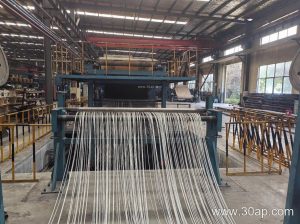
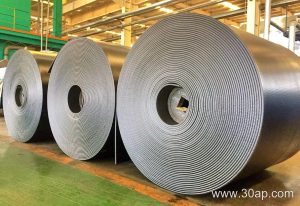
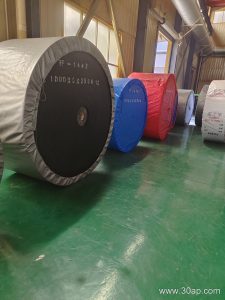
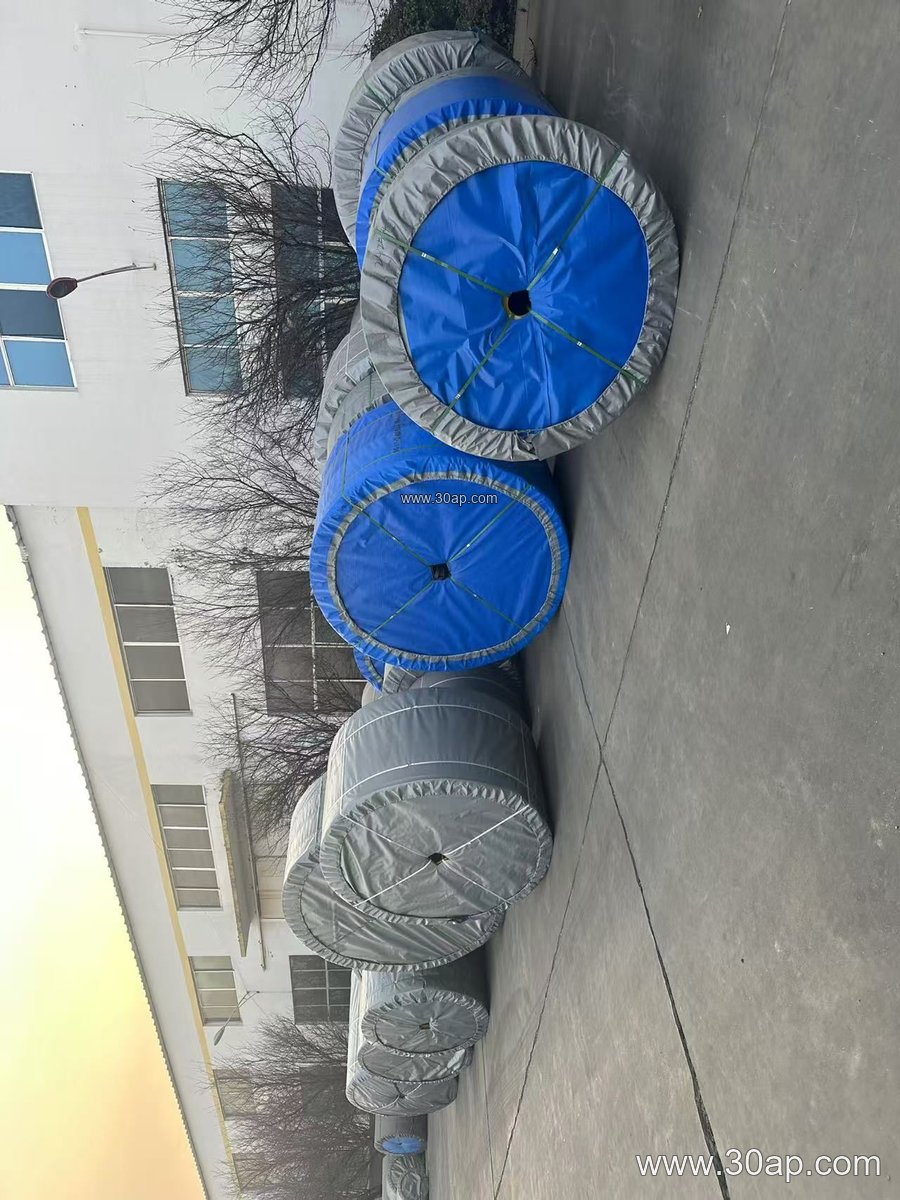
A steel plant conveyor belt is typically a fabric core or steel cord product with rubber covers. The carcass carries tension; the covers protect the carcass from abrasion, heat and impact. Common carcass options include EP Conveyor Belt (polyester-nylon), NN Conveyor Belt (nylon-nylon), and Steel Cord Conveyor Belt for very high tension and long center distances. Multi-Ply Fabric Core Conveyor Belt construction with 2 to 6 plies is common for medium-duty lines, while heavy sinter and ore lines often use steel cord.
Cover compound selection matters as much as carcass strength. Abrasion Resistant Conveyor Belt covers handle coke, sinter and ore fines. Heat Resistant Conveyor Belt grades are used where material temperature is elevated, and Flame Retardant Conveyor Belt or Fire Resistant Conveyor Belt covers are specified for enclosed galleries and underground sections. Oil Resistant Conveyor Belt covers suit oily scrap and mill scale areas, and Anti-Static Conveyor Belt construction is often requested where dust ignition is a concern.
Typical Reference Data
The values below are common reference ranges only. Actual construction is confirmed by design for each conveyor.
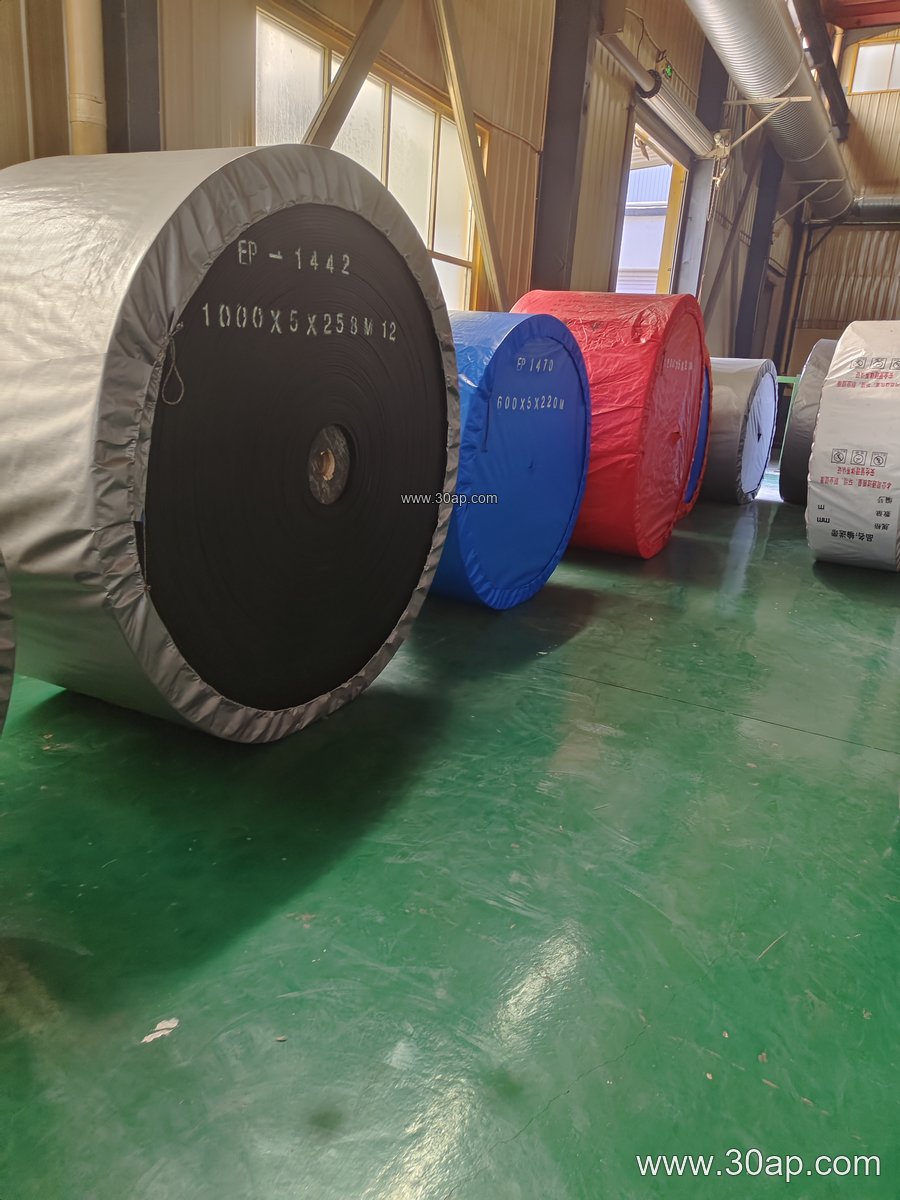
- Fabric core grades: EP200, EP315, EP400, EP500, EP630, EP800, EP1000, EP1250, EP1600, EP2000
- Steel cord grades: ST1000, ST1250, ST1600, ST2000, ST2500, ST3150
- Belt widths: B500, B650, B800, B1000, B1200, B1400, B1600, B1800, B2000
- Cover thickness examples: 3+1.5 mm, 4+2 mm, 5+2 mm, 6+2 mm, 8+3 mm
Where It Runs in the Plant
Steel plant conveyor belts appear on sinter feed lines, coke conveying, ore yard systems, lime and dolomite handling, slag transport and finished product transfer. In a coal Mining Conveyor Belt context, flame retardant and anti-static properties are usually mandatory; in a steel plant the same logic applies to coke and coal handling areas. Incline sections may use Chevron Conveyor Belt or Corrugated Sidewall Conveyor Belt profiles to prevent material rollback, and enclosed routes may use Pipe Conveyor Belt to control dust.
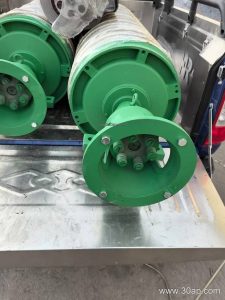
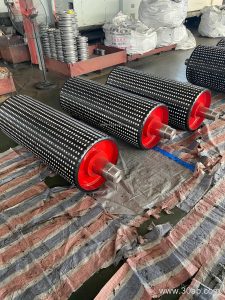
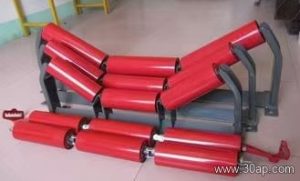
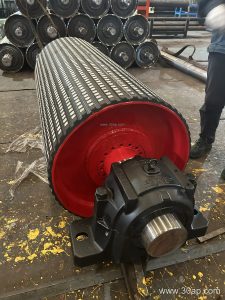
The belt does not work alone. Conveyor pulley alignment, idler roller condition and conveyor bracket rigidity all affect belt life. A misaligned bend pulley or a seized idler roller can destroy a new belt within weeks, so mechanical checks should always accompany a belt upgrade. For plant operators, www.xuanxuanmachinery.com lists belt, idler roller and pulley references that help match components correctly.
Specification Points a Buyer Should Confirm
Before ordering, confirm the material being carried, lump size, temperature range, oil or chemical exposure, belt width, carcass grade, cover thickness and the required flame or anti-static properties. Also confirm the conveyor layout: incline angle, pulley diameters, transition distance, loading point impact and whether an Endless Conveyor Belt is needed for a specific critical line. For very wide lines, Wide Conveyor Belt or Extra-Wide Conveyor Belt constructions may be required, and these should be checked against the pulley and idler roller arrangement rather than assumed.
A steel plant conveyor belt is often specified together with a spare length and a repair strategy. Cold splicing or hot vulcanized splicing should be decided at the design stage, because splice strength affects the allowable belt tension. Buyers should also ask for the cover compound data and carcass grade certificate, and should avoid treating any single belt width or grade as universally suitable.
Maintenance and Long-Term Service
Routine inspection of the belt surface, splice area, edge wear and cover thickness helps catch problems early. Keep the conveyor pulley clean and check lagging condition; verify idler roller rotation and replace damaged rollers promptly. Clean the conveyor bracket and frame so material buildup does not cause belt tracking problems. For high temperature zones, monitor cover hardening and cracking, and keep a record of belt running hours.
For steel plant operators sourcing replacement belts, choosing the right construction for each line is more valuable than buying one universal specification. A well matched Steel Plant Conveyor Belt, supported by sound pulley, idler roller and bracket maintenance, keeps the plant moving with fewer unplanned stops.