What a Heavy-Load Conveyor Idler Does
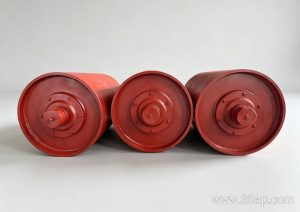
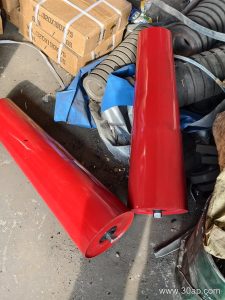
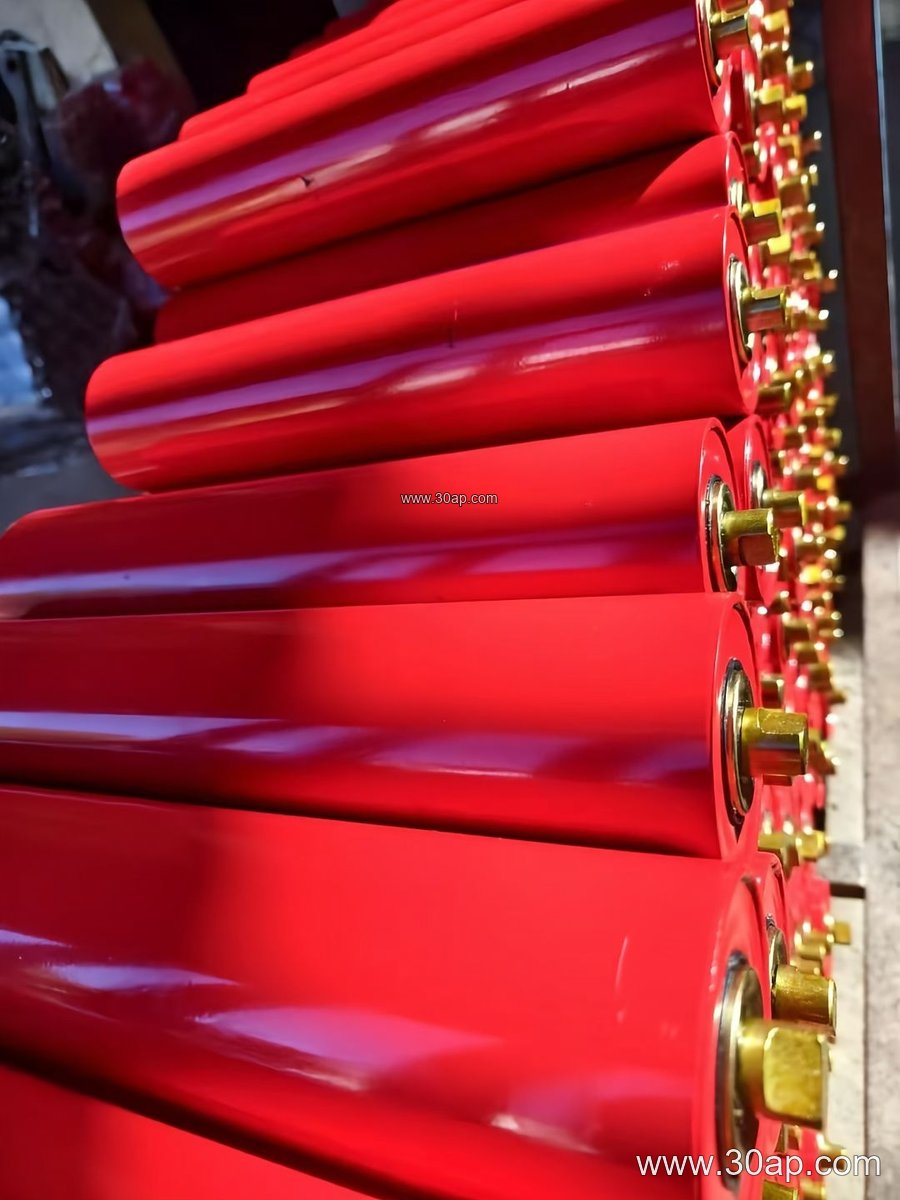
A heavy-load conveyor idler is the rotating support that carries a fully loaded conveyor belt between the loading point and the discharge end. In a quarry, a cement plant or an iron ore transfer station, the idler is not a minor accessory; it sets the belt line, absorbs impact, and determines how much friction the drive must overcome. The same component is also called a heavy-duty carrying roller, and that equivalent name appears on many specification sheets. It should not be confused with a conveyor pulley, which drives, returns or bends the belt at the ends of the structure.
The working principle is simple. The belt slides over a series of rollers mounted in a frame, and each roller turns on its shaft through sealed bearings. Because the belt no longer drags on a fixed surface, power demand and belt wear both drop. Under heavy loads the design margin in the roller, shaft and bearing becomes the deciding factor.
Construction Details That Matter
A typical heavy-load roller uses a thick-walled steel tube, a through shaft or welded end discs, and deep-groove ball bearings in a sealed housing. Roller surfaces are usually plain steel, but nylon, ceramic or rubber rings are chosen where sticking, abrasion or impact is a problem. Bearing numbers such as 6205, 6305, 6308 and 6310 are common in this class, and the correct bearing is matched to the calculated load, not to a single tube diameter.
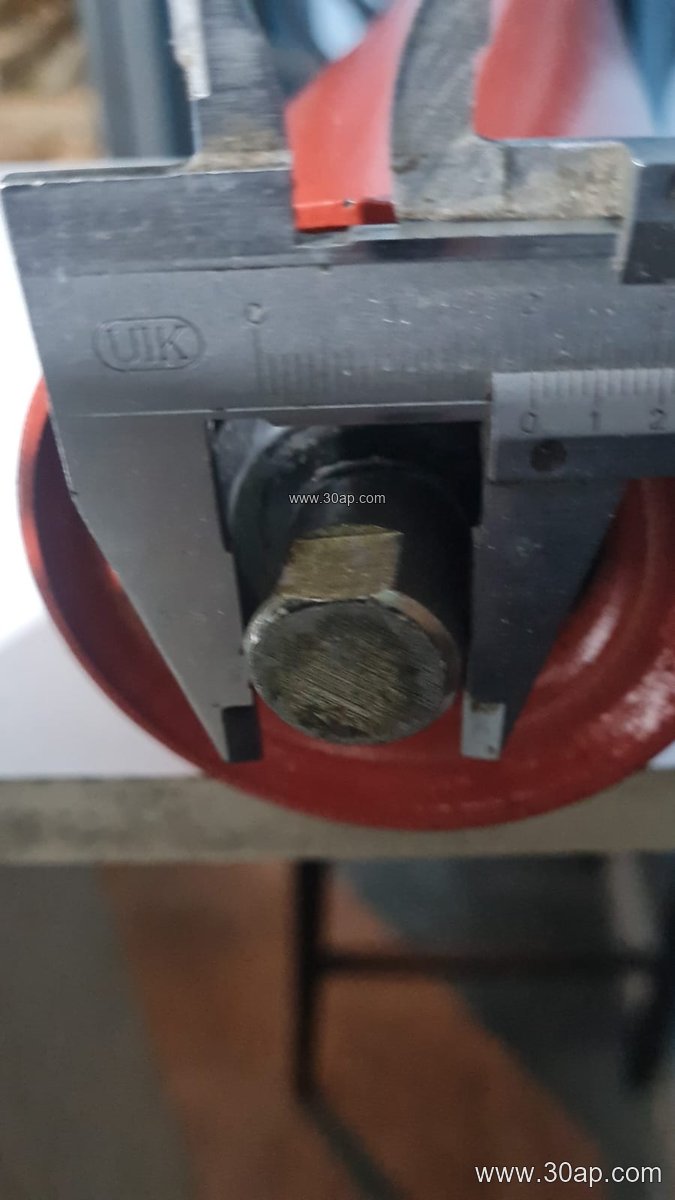
Sealing is the quiet hero. Dust from a crusher circuit or fine coal from a wash plant will destroy an unsealed bearing quickly, so labyrinth seals, felt seals and grease retention features deserve attention during inspection. The tube wall thickness, weld quality and shaft end machining also separate a durable idler roller from a short-lived one.
Where These Idlers Are Used
Heavy-load idlers appear wherever the belt carries dense, abrasive or lumpy material. Two common settings illustrate the range. In a limestone quarry, primary crushed rock lands on the belt with considerable impact, so rubber-ring impact idlers are placed under the loading chute while three-roll troughing sets carry the load along the incline. In a coal-fired power plant, the coal handling conveyor benefits from smooth-running rollers that keep startup torque low and reduce spillage along the transfer points.
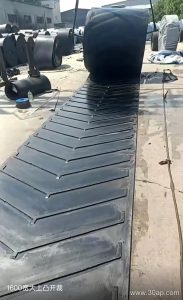
The belt itself matters too. A steel cord conveyor belt or a high-abrasion resistant conveyor belt may be tensioned heavily, and the idler spacing and roll diameter must suit that tension and the belt sag allowed. A flame retardant conveyor belt used underground brings additional safety requirements for the whole system, including the rollers.
Matching Roll Diameter, Belt Width and Trough Angle
Buyers often ask which roller diameter fits which belt width. The honest answer is that several combinations work, and the final choice comes from load, speed and space. The table below shows common reference values; treat them as starting points, not fixed pairings.
| Item | Common reference values |
|---|---|
| Roller diameter | Ø89, Ø102, Ø108, Ø127, Ø133, Ø159, Ø178 mm |
| Belt width | B650, B800, B1000, B1200, B1400, B1600, B1800 mm |
| Trough angle | 20°, 30°, 35°, 45° |
| Troughing set | two-roll, three-roll |
| Roller surface | steel, nylon, ceramic, rubber ring |
A wider belt generally needs a longer roller and a larger frame, but the shaft diameter is set by the calculated load. For a three-roll troughing set, a B800 belt commonly uses rollers around 315 mm long, while a B1200 belt may use about 465 mm; the side rollers and centre roller can differ. Aligning a heavy-load conveyor idler with the belt line and checking that the frame sits square on the conveyor bracket prevents edge damage and premature bearing failure.
Buyer Checklist
- Confirm the actual load per idler, belt speed and ambient conditions before choosing a roller class.
- Decide between troughing, impact, return and self-aligning positions; each has a different job on the same conveyor.
- Check seal type, bearing size and tube wall thickness rather than price alone.
- Ask how roller length and shaft ends match the existing frame and conveyor bracket.
- Plan a spare stock for the loading zone, where impact shortens roller life.
For a complete belt line, the heavy-load idler works alongside the conveyor belt, the drive pulley and the return rollers. Getting the roller specification right at the design stage is cheaper than rebuilding the frame after repeated failures.