What a Galvanized Conveyor Bracket Does on the Line
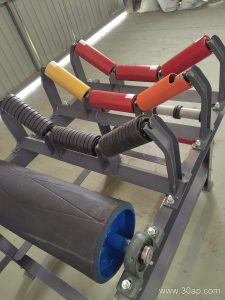
A galvanized conveyor bracket is the structural support that carries idler rollers and holds the conveyor belt in its intended profile. In a quarry, a cement plant, or a power plant coal yard, these brackets sit along the stringer and determine whether the belt runs centered, whether the load is supported evenly, and how quickly maintenance can be completed. The galvanized finish is not decorative: hot-dip or pre-galvanized coating resists moisture, dust, and the corrosive washdown common in aggregate and mineral handling. That makes the bracket a practical choice for outdoor conveyors and for plants where humidity or fine dust shortens the life of painted steel.
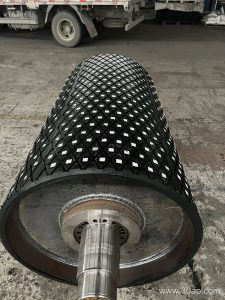
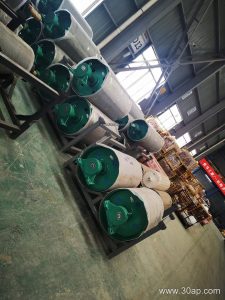
The bracket should not be confused with the roller it holds. A conveyor bracket is the frame; an idler roller is the rotating part. The two are selected together but are separate components, and replacing one does not correct a problem caused by the other. Likewise, a drive pulley, a tail pulley, and a bend pulley each have their own function and cannot be substituted for one another.
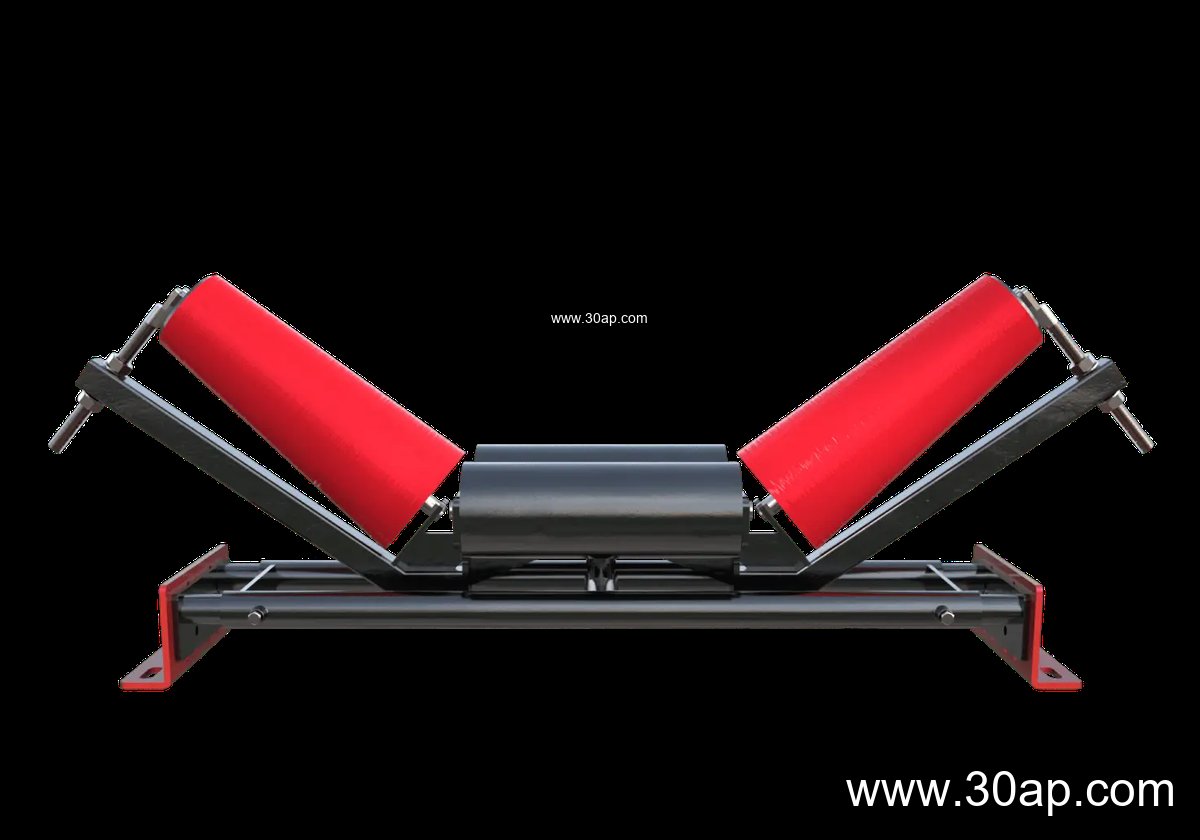
Construction and Common Forms
Most brackets are fabricated from angle steel, channel steel, or folded steel plate, then galvanized. The shape of the frame follows the duty. Common configurations include:
- Troughing brackets that set the belt into a three-roll trough
- Transition brackets used where the belt changes from flat to troughed
- Return brackets and V-return brackets that support the empty belt
- Impact brackets placed under loading points
- Self-aligning and forward-leaning brackets for belt tracking
- Adjustable brackets that allow the trough angle to be changed
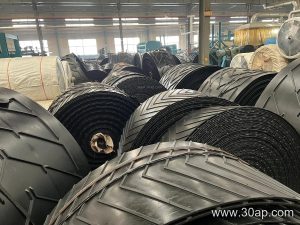
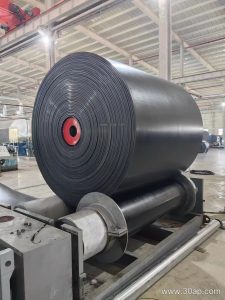
For a heavy-duty mining conveyor belt or an abrasion resistant conveyor belt carrying sharp rock, the bracket and its rollers must be matched to the impact and load. A rubber conveyor belt with a thick cover behaves differently from a steel cord conveyor belt under the same bracket spacing, so the frame design should follow the belt and the material, not a single fixed rule.
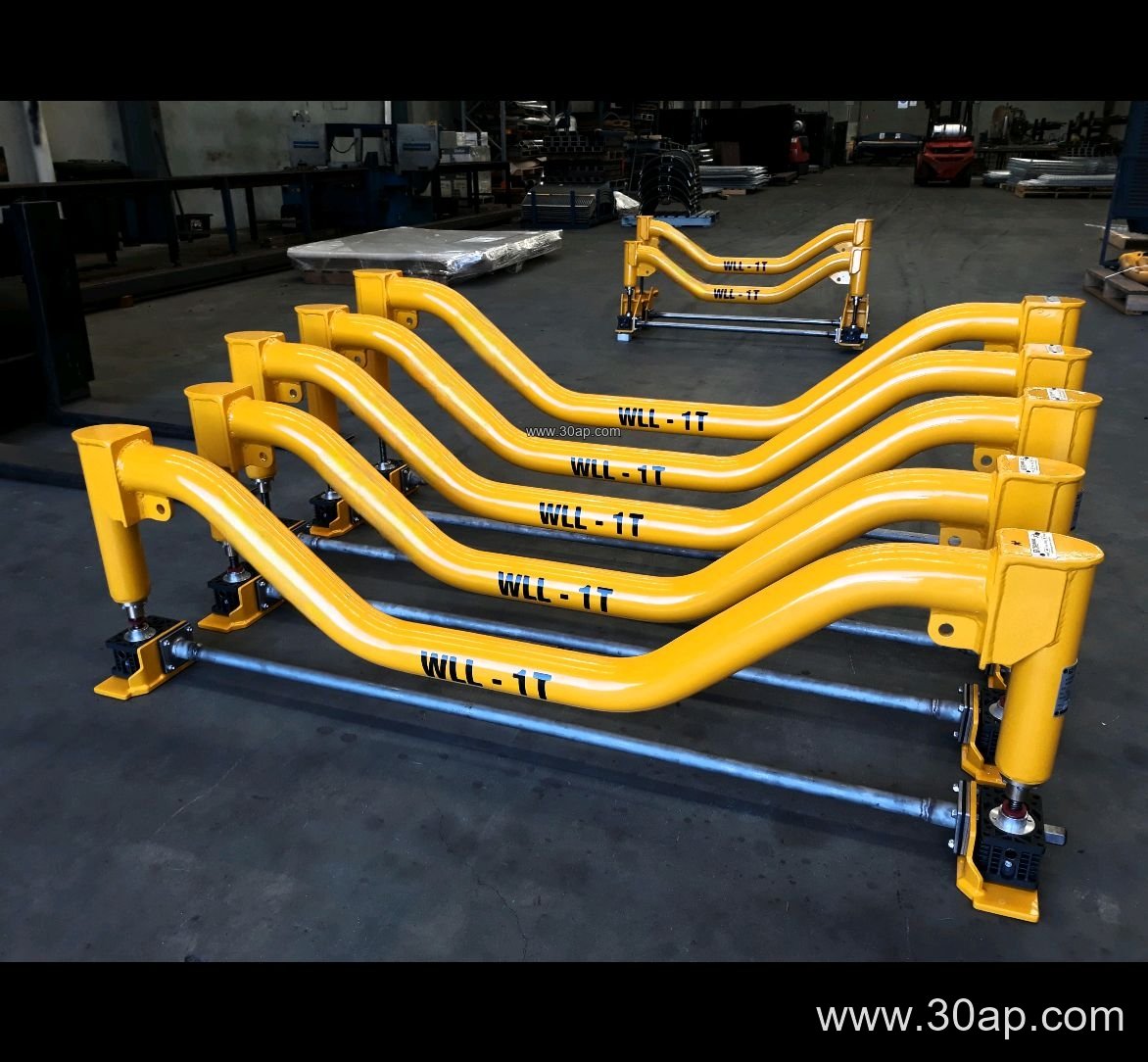
Matching Belt Width, Trough Angle, and Roller Diameter
Belt width, trough angle, and roller diameter are related but not locked to one another. A B800 belt may run at 30 degrees or 35 degrees depending on the material and the transition length; a B1200 belt might use 35 degrees or 45 degrees with Ø108 or Ø133 rollers. The table below lists reference combinations often seen in design discussions. These are examples, not mandatory pairings, and final values are set by the conveyor design.
| Belt width | Trough angle | Roller diameter | Typical bracket form |
|---|---|---|---|
| B500 | 20–30 degrees | Ø89 | Troughing, return |
| B650 | 30 degrees | Ø89–Ø108 | Troughing, transition |
| B800 | 30–35 degrees | Ø108 | Troughing, impact, self-aligning |
| B1000 | 35 degrees | Ø108–Ø133 | Troughing, V-return |
| B1200 | 35–45 degrees | Ø133 | Troughing, adjustable |
| B1400 | 35–45 degrees | Ø133–Ø159 | Troughing, transition |
| B1600 | 35–45 degrees | Ø159 | Troughing, impact |
| B1800–B2000 | 35–45 degrees | Ø159–Ø194 | Heavy troughing, return |
Mounting hole spacing and crossbeam length change with belt width and trough angle, so they should be confirmed from the drawing rather than assumed. Forward-leaning brackets usually use a small tilt, often around 1.5 to 2 degrees, to help center the belt.
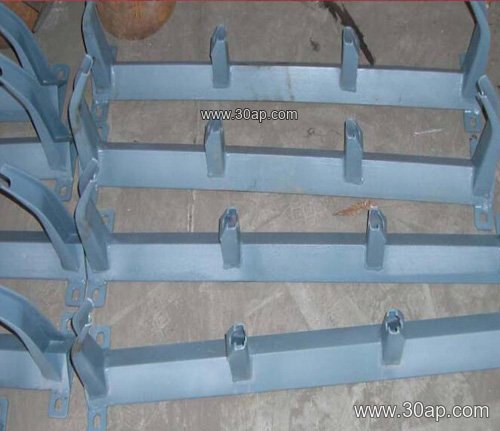
Where the Bracket Fits in the Plant
In a limestone quarry or a stone crushing line, galvanized brackets support the conveyor that carries crushed rock from the crusher to the screening deck. In a coal handling system at a power plant, they hold the rollers beneath a flame retardant conveyor belt or a fire resistant conveyor belt where dust and moisture are constant. A cement plant uses them on clinker and raw material conveyors, while a fertilizer or grain silo operation values the corrosion resistance of the coating. In each case the bracket works with the conveyor belt, the idler roller, and the pulley to keep the line running straight and quiet.
What Buyers Should Check
Before ordering, confirm the belt width, the required trough angle, the roller diameter, and the mounting dimensions. Ask how the bracket is galvanized and whether the coating suits the local environment. Check that the frame material matches the load: a light folded-plate bracket is not the same as a channel-steel frame for a heavy-duty conveyor. For a pipe conveyor belt or a corrugated sidewall conveyor belt, the bracket layout differs from a standard troughed line, so the drawing should be reviewed against the actual belt type. Buyers should also confirm that spare brackets match existing hole patterns to avoid re-drilling during shutdowns.
Used with care, a galvanized conveyor bracket is a low-maintenance part that protects the belt, extends roller life, and keeps material moving from the pit to the stockpile.