Understanding the Parallel Idler Bracket
A parallel idler bracket is a fundamental component in belt conveyor systems, designed to support and align the idler rollers that carry the conveyor belt. Unlike angled or troughing brackets that shape the belt into a trough, this bracket holds the idler roller in a flat, horizontal position. This makes it particularly suitable for the return side of the conveyor, where the belt runs empty and needs simple, reliable support. In many bulk material handling operations, from a quarry conveyor line to a cement plant’s clinker transport, the parallel idler bracket ensures smooth belt travel and reduces wear on both the belt and the rollers.
Construction and Design
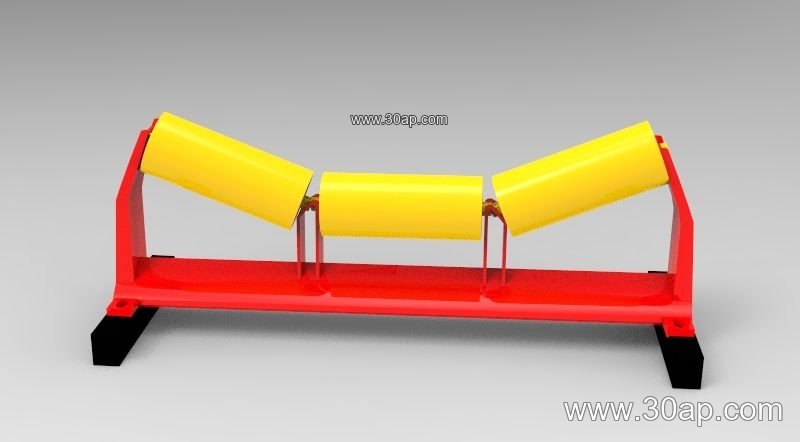
Typically fabricated from sturdy materials such as angle steel, channel steel, or folded steel plate, the parallel idler bracket is built to withstand the rigors of continuous operation. The bracket’s design focuses on stability and ease of installation. It usually features slots or holes that allow for precise mounting of the idler roller, ensuring proper alignment with the conveyor frame. While dimensions vary by conveyor design, common belt widths such as B500, B650, B800, B1000, B1200, and B1400 are often accommodated with corresponding bracket sizes. The bracket may be fixed or adjustable, with adjustable versions allowing fine-tuning of roller position to optimize belt tracking.
Where It Is Used
The parallel idler bracket is most commonly found on the return run of a conveyor, supporting the empty belt as it travels back to the tail pulley. It is also used in certain flat-belt applications on the carrying side, especially where material needs to be transported without being troughed. Industries such as coal mining, power plant coal handling, and aggregate production rely on these brackets to maintain belt stability and extend service life. In a typical stone crushing plant, for instance, parallel brackets on the return side help prevent belt sag and misalignment, contributing to overall operational efficiency.
Selection and Compatibility
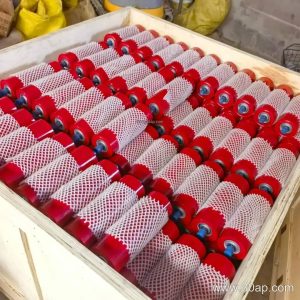
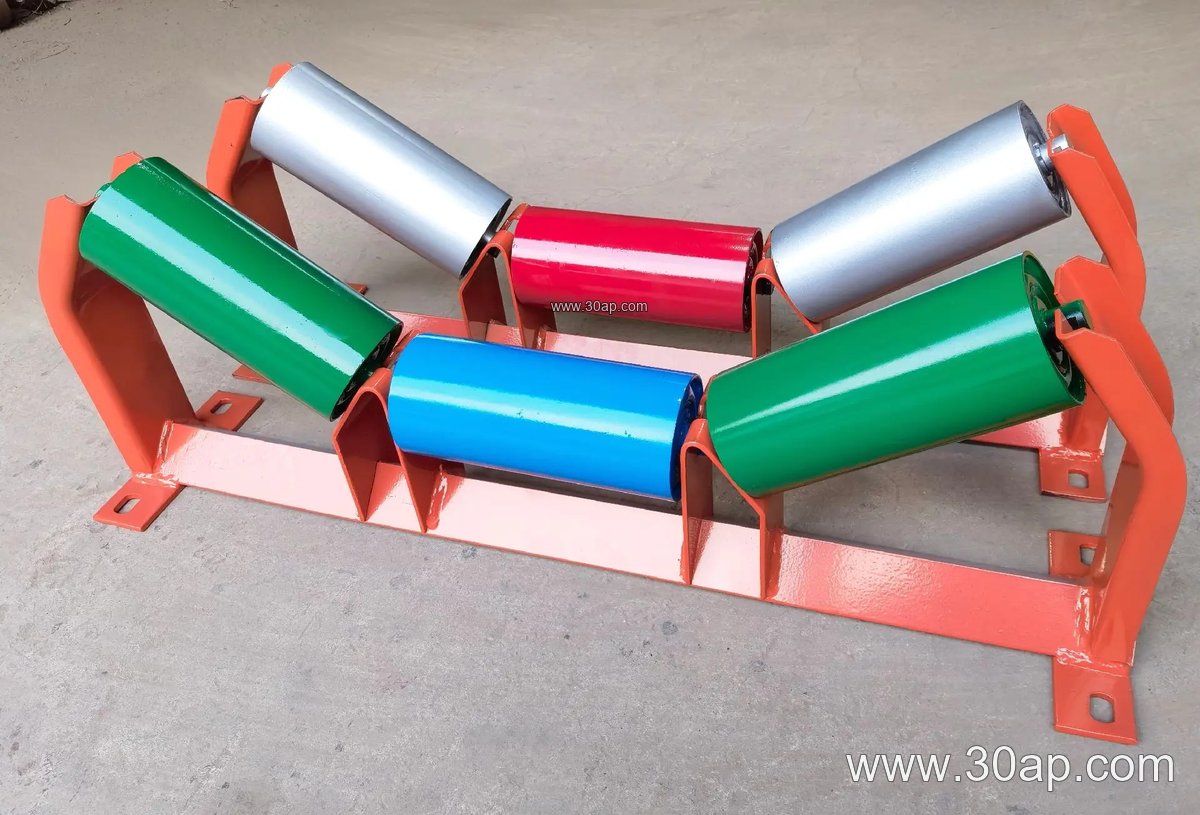
When selecting a parallel idler bracket, buyers should consider the conveyor’s belt width, the idler roller diameter, and the mounting arrangement. Common roller diameters include Ø89, Ø108, Ø133, Ø159, and Ø194, and the bracket must be compatible with the chosen roller’s shaft and bearing housing. It is important to note that no single bracket size fits all; installation hole spacing and crossbeam length are determined by the specific belt width and design requirements. For example, a B800 conveyor might use a bracket with a certain hole pattern, while a B1200 system requires a different configuration. Adjustable brackets can accommodate minor variations, but the base design should always match the conveyor frame.
Maintenance and Long-Term Reliability
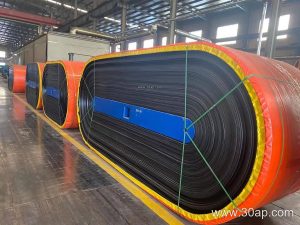
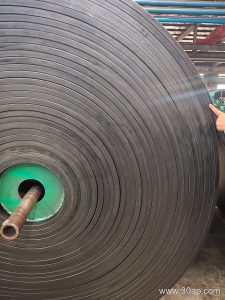
Regular inspection of parallel idler brackets is essential to prevent unexpected downtime. Check for signs of wear, corrosion, or deformation, especially in harsh environments like a limestone mine or a fertilizer plant. Loose bolts or misaligned brackets can cause the belt to track poorly, leading to edge damage and premature failure of the conveyor belt. Lubricate moving parts if applicable, and replace worn brackets promptly. Pairing quality brackets with appropriate idler rollers and a durable conveyor belt—such as an abrasion resistant conveyor belt or a heat resistant conveyor belt for high-temperature materials—ensures a reliable conveyor system.
Buyer’s Checklist
- Verify belt width and idler roller diameter to ensure bracket compatibility.
- Confirm whether a fixed or adjustable bracket is needed for your application.
- Check material construction for resistance to corrosion and impact.
- Ensure mounting hole spacing matches the conveyor frame.
- Consider the operating environment (e.g., dusty, wet, or high-temperature) when choosing surface finish or coatings.
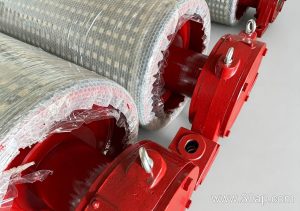
For more information on conveyor components and belts, visit our site at www.example.com/conveyor-bracket or explore our range of conveyor pulley and idler roller solutions. Proper selection of the parallel idler bracket, along with high-quality EP conveyor belt or steel cord conveyor belt, contributes to a efficient and long-lasting conveyor system.