What a Conveyor Carrying Bracket Does
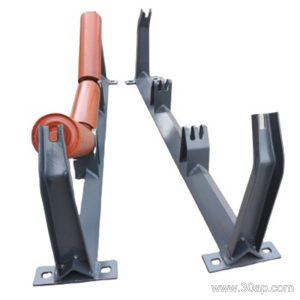
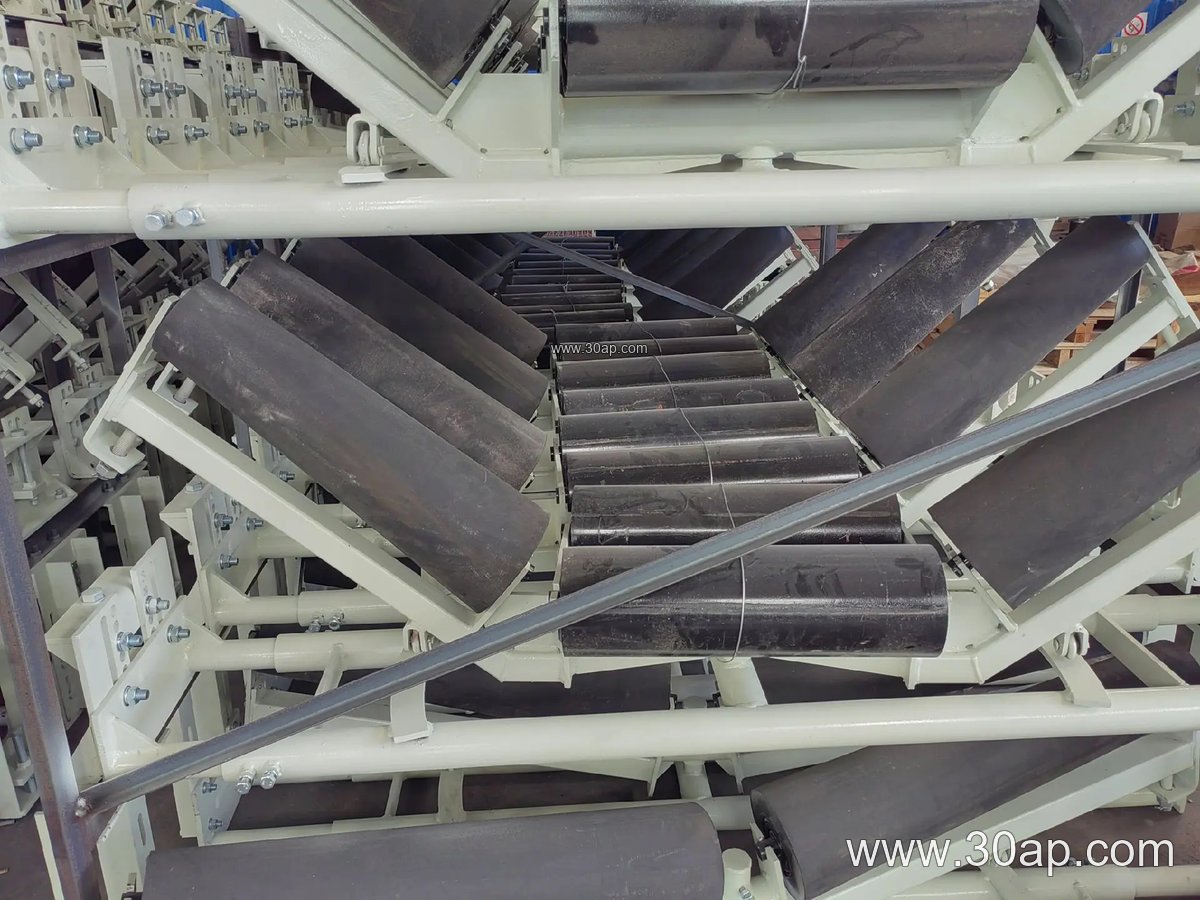
A conveyor carrying bracket is the steel support that holds the carrying-side idler rollers in position along a troughed belt conveyor. In everyday plant language it is often called a carrying idler bracket, troughing bracket, or troughing frame, and it sits between the conveyor stringers, directly under the loaded run of the belt. Its job sounds simple, but it sets the belt profile, keeps the idlers at the correct angle, and transfers the weight of material and belt into the conveyor structure.
On a quarry or aggregate line, a poorly aligned bracket shows up quickly as belt wander, spillage at the transfer point, and uneven roller wear. That is why the bracket is usually treated as a structural component rather than a small accessory.
How the Bracket Is Built
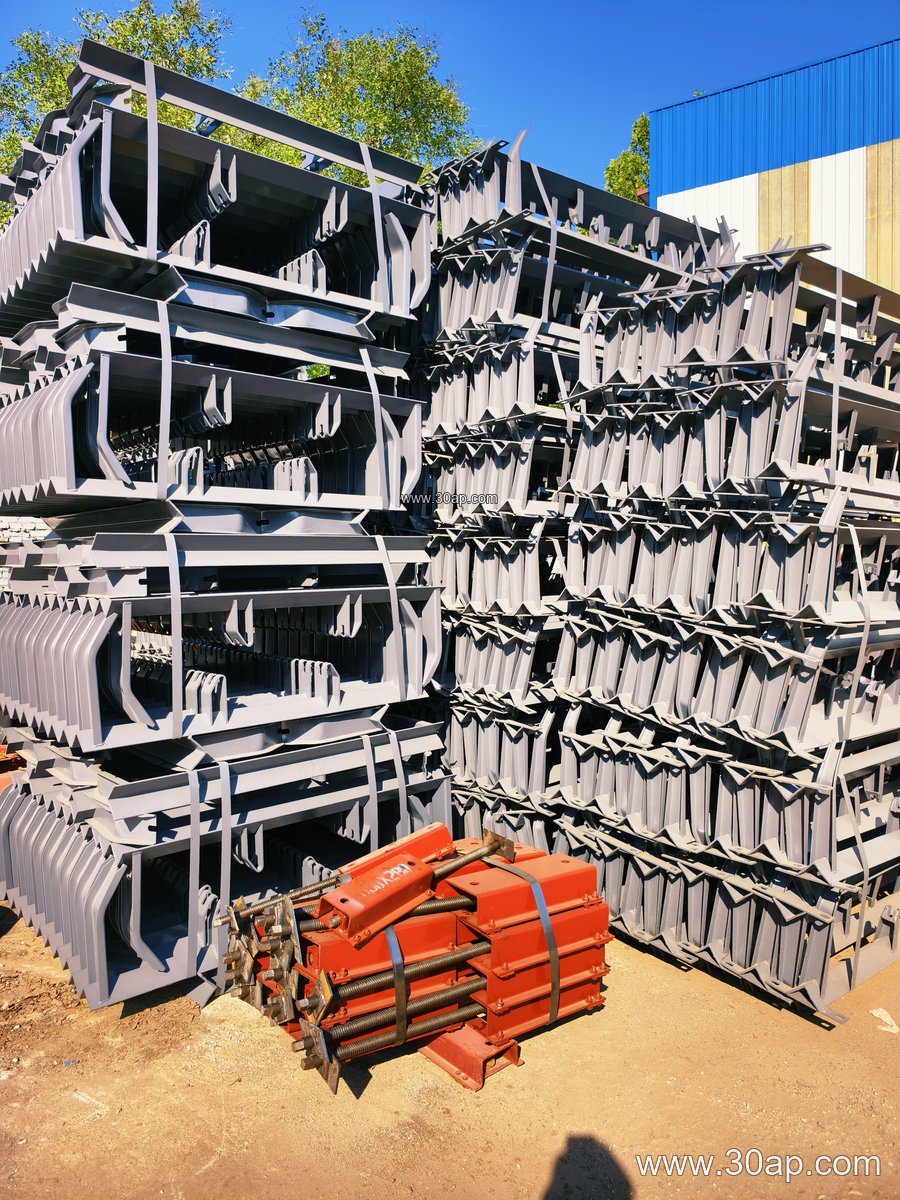
Most carrying brackets are fabricated from angle steel, channel steel, or folded steel plate. The frame may be a single rigid piece or a hinged design with separate side wings. Hinged or adjustable versions allow the trough angle to be set during installation and corrected later if the belt training changes.
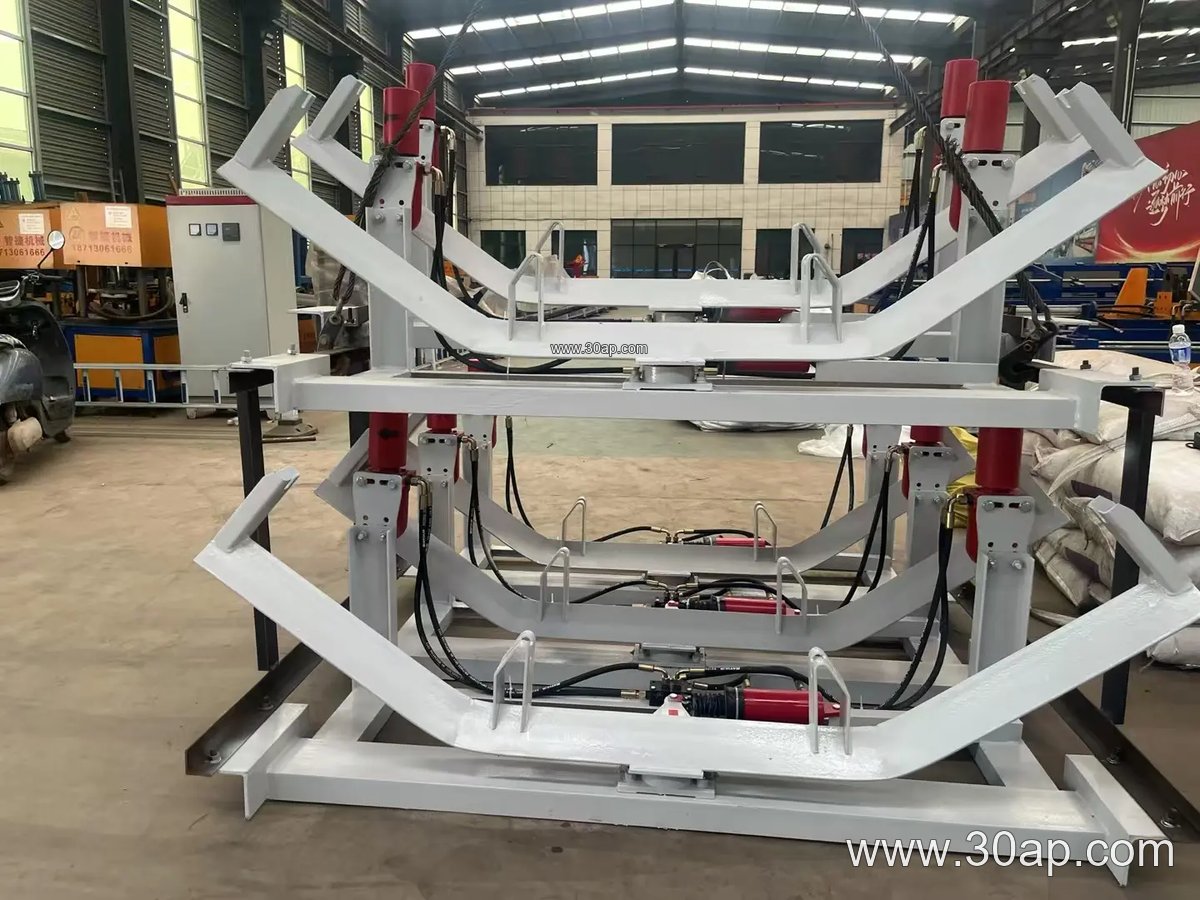
Typical details include:
- Slotted or drilled mounting holes for fixing to the conveyor frame
- Notches or seats that locate the idler shaft ends
- Reinforced corners where the side wings meet the base
- Galvanized or painted finish for dusty, damp, or corrosive areas
Bracket dimensions follow belt width, trough angle, and roller diameter, so hole spacing and beam length are determined by design rather than by a single fixed number.
Where Carrying Brackets Are Used
These brackets appear wherever a belt carries bulk material on the top run. In a limestone mine or crushing and screening circuit, they support the belt after the crusher discharge and through the screening building. In a coal washing plant or power station coal yard, they carry the loaded strand through transfer towers and galleries. Cement plants use them on clinker and raw meal lines, while port and ship loading conveyors rely on them for long, heavily loaded spans.
The bracket works together with the conveyor belt, idler roller, and conveyor pulley. A heavy-duty mining conveyor belt or a steel cord conveyor belt adds load, so the bracket and its mounting must match that duty. In dusty or wet conditions, an abrasion resistant conveyor belt reduces wear on the belt itself, but the bracket still needs clean idler seats and firm fixation.
Common Configurations and Reference Sizes
Carrying brackets are usually matched to trough angles of 20, 30, 35, or 45 degrees. Adjustable brackets can be set between these angles, while fixed brackets are welded or bolted at one angle. The table below shows reference combinations; actual values depend on the conveyor design.
| Belt width | Trough angle | Roller diameter | Typical use |
|---|---|---|---|
| B500 | 20–30 degrees | Ø89 | Light aggregate, sand |
| B650 | 30 degrees | Ø89–Ø108 | Small quarry lines |
| B800 | 35 degrees | Ø108 | General bulk handling |
| B1000 | 35–45 degrees | Ø108–Ø133 | Cement, coal, ore |
| B1200 | 35–45 degrees | Ø133 | Heavy mining duty |
| B1400 | 35–45 degrees | Ø133–Ø159 | Power plant coal |
| B1600 | 35–45 degrees | Ø159 | Port and long haul |
| B1800–B2000 | 35–45 degrees | Ø159–Ø194 | High capacity systems |
Other bracket types in the same family include transition brackets near pulleys, impact brackets under loading points, and self-aligning brackets for belt training. They are not replacements for the standard carrying bracket, but they solve specific local problems. Return-side supports such as V-return brackets and flat return brackets serve a different position on the conveyor and should not be confused with the carrying frame.
What Buyers Should Check
Before ordering, confirm the belt width, the required trough angle, and the idler diameter, because these three values drive the bracket geometry. Ask for the mounting hole pattern and overall beam length so the bracket fits the existing stringer. Check the steel thickness and finish against the site environment; a wash plant or fertilizer store may need a more protective coating than a dry aggregate yard.
Also consider the belt type in service. A chevron conveyor belt, corrugated sidewall conveyor belt, or pipe conveyor belt may need special idler and bracket arrangements, and a heat resistant conveyor belt or flame retardant conveyor belt may require brackets that keep clear of hot or hazardous zones. For high-tonnage duties, a heavy-duty carrying bracket with reinforced wings is usually the safer choice than a light frame.
Finally, plan for maintenance. Spare brackets, correct bolt grades, and a simple alignment check after idler replacement keep the carrying run stable and extend the life of the belt and rollers.