What a Wear-Resistant Mining Idler Does
A wear-resistant mining idler is a carrying or return roller built to survive the abrasive, impact-heavy conditions found in quarries, coal preparation plants, and ore handling circuits. It supports the conveyor belt along its route, keeps the belt tracking correctly, and reduces friction so the drive system does not have to work harder than necessary. In a rock quarry or a copper ore beneficiation line, the idler roller is often the first component to show wear, because it sits directly under falling material and constant grit.
The keyword phrase describes a function rather than a single fixed model. Any idler roller used in a mining conveyor that has been upgraded for abrasion resistance can be described this way, including troughing, impact, and return positions.
How the Roller Is Built
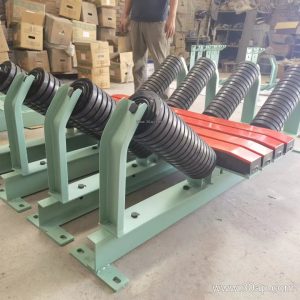
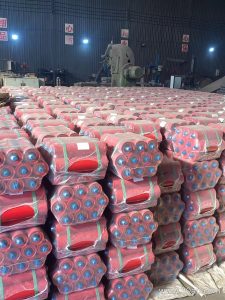
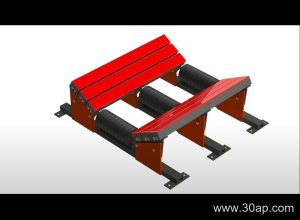
Most wear-resistant mining idlers combine a thick-walled steel tube shell with a sealed bearing housing. The shell may be plain steel, nylon-coated, ceramic-faced, or fitted with rubber rings. Rubber ring impact idlers are common beneath crusher discharge points, while ceramic or nylon surfaces suit fine, sharp material that would quickly polish a plain tube.
Bearing selection matters as much as the shell. Common bearing numbers include 6204, 6205, 6305, 6306, 6308, and 6310, matched to the roller diameter and load rather than to belt width alone. Sealing is usually a labyrinth or multi-stage lip design, because dust ingress is the main cause of premature bearing failure in a stone crushing plant or cement works.
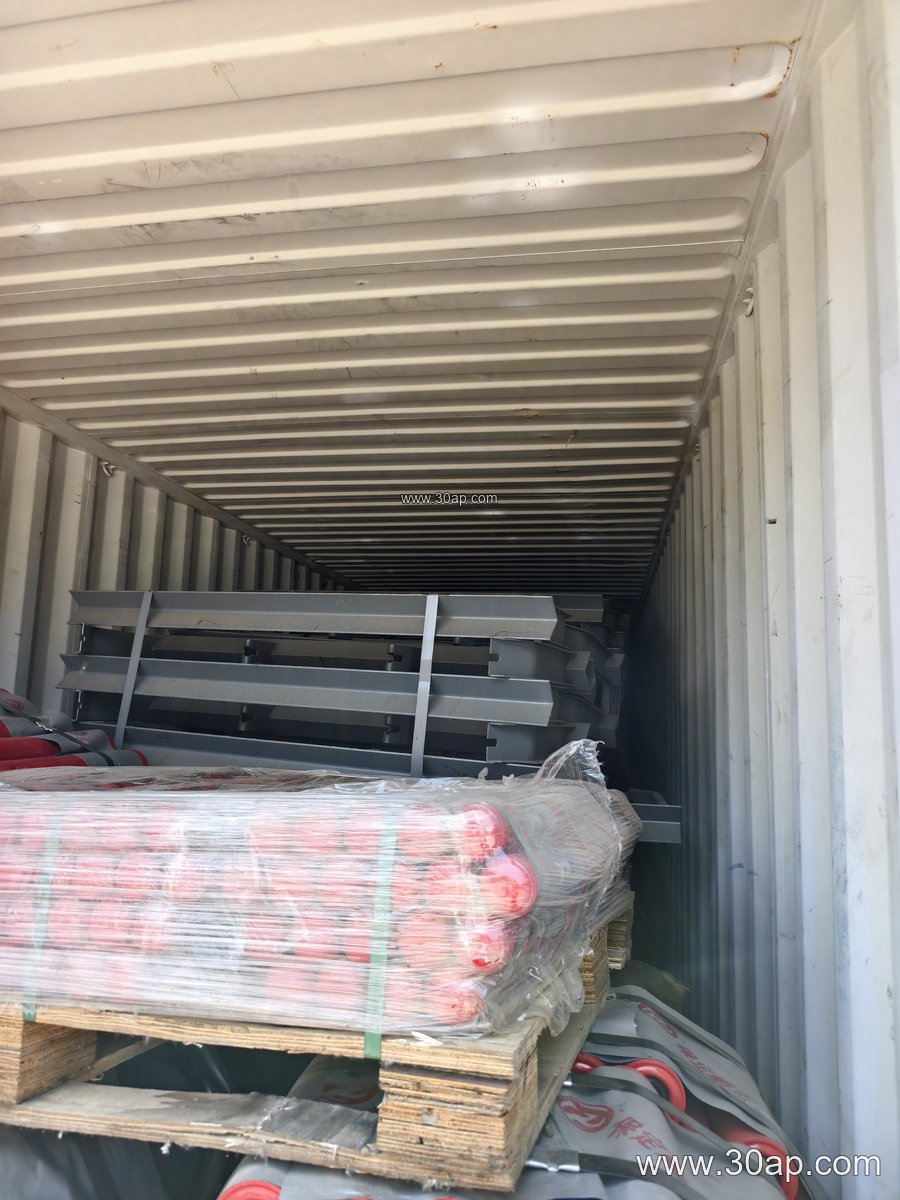
Common roller diameters
The table below lists typical diameters used across bulk handling conveyors. These are reference values, not a fixed selection rule.
| Roller diameter | Typical position |
|---|---|
| Ø63, Ø76, Ø89 | Light to medium carrying and return runs |
| Ø102, Ø108, Ø127, Ø133 | General troughing and return idlers |
| Ø159, Ø178, Ø194 | Heavy-duty and impact positions |
| Ø219 | Large belt widths and high load zones |
Matching Idlers to Belt Width and Trough Angle
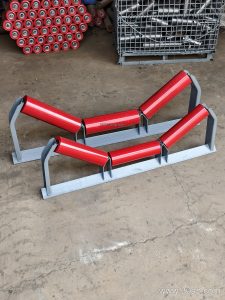
Belt width drives roller length, not roller diameter on its own. A three-roll troughing set on a B800 belt commonly uses a centre roll of about 315 mm, while a B1200 set often uses roughly 465 mm. Side rolls and centre rolls can differ, so the set should be confirmed against the actual conveyor drawing. Trough angles of 20, 30, 35, and 45 degrees change the material cross-section and the load on each roll; a 45-degree set carries more volume but places different stress on the belt edges.
Where belt training is a problem, a self-aligning idler with a slight forward tilt of about 1.5 to 2 degrees can help. This is a separate function from wear resistance and should not be confused with it.
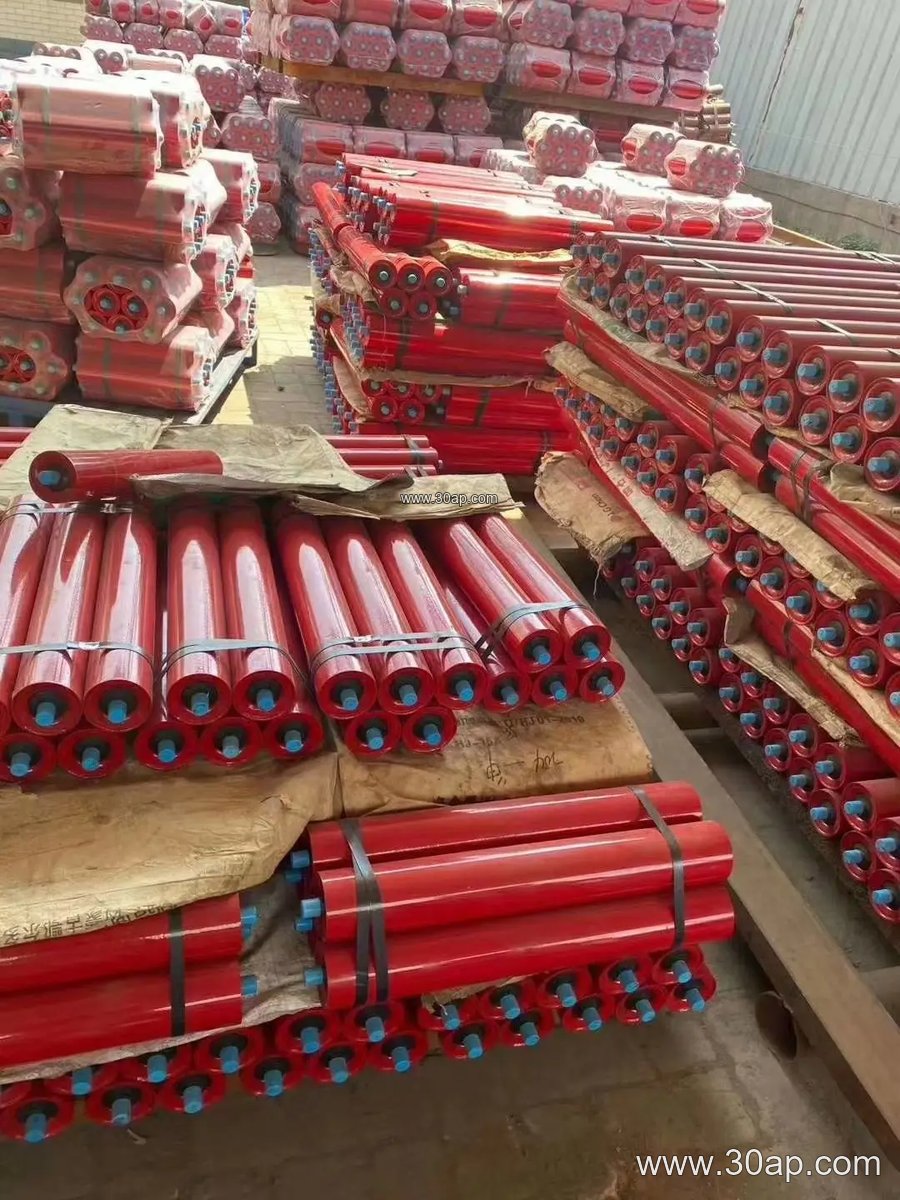
Where These Idlers Are Used
Wear-resistant mining idlers appear wherever an abrasive bulk material conveyor operates. Two common settings are a limestone quarry feeding a primary crusher and a coal preparation plant handling washed product. In both, the conveyor belt runs continuously and dust is unavoidable.
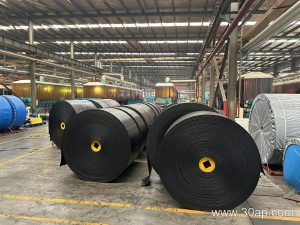
The idler must also suit the belt it carries. A heavy-duty mining conveyor belt, an abrasion resistant conveyor belt, or a steel cord conveyor belt each presents a different load profile to the roller. On a long overland run, a steel cord belt may need larger diameter rolls to control sag, while a multi-ply fabric core belt on a shorter transfer conveyor may work well with standard Ø108 or Ø127 rolls. Matching the idler to the belt construction avoids both overload and unnecessary cost.
What Buyers Should Check
- Shell thickness and surface: confirm whether plain steel, nylon, ceramic, or rubber rings suit the material being carried.
- Bearing and seal type: ask for the bearing number and the sealing arrangement, since dust protection decides service life.
- Roller length and set form: verify centre and side roll lengths against the belt width and trough angle.
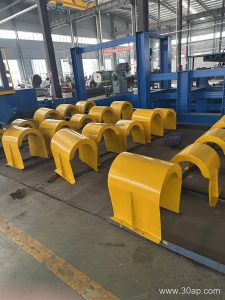
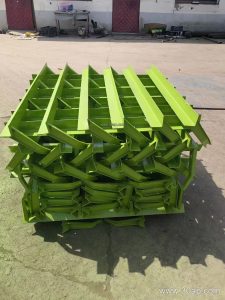
- Mounting: check that the idler frame or conveyor bracket matches the existing stringer spacing and bolt pattern.
- Balance and concentricity: poorly balanced rollers vibrate and wear both the belt and the bearings.
For plant operators, keeping a small stock of the most-used sizes reduces downtime. A worn idler roller can score the belt cover, and on an abrasion resistant conveyor belt that damage quickly becomes a belt replacement instead of a roller change. Inspecting rollers at transfer points, where impact is highest, is usually the most productive maintenance habit.
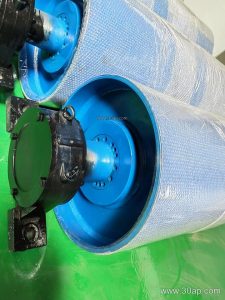
Related components such as the conveyor pulley, conveyor bracket, and the belt itself should be reviewed together when specifying a new conveyor section, because roller choice affects belt life and drive load. Buyers comparing quotes should ask for shell wall thickness, bearing brand, and seal type rather than price alone, so that two apparently similar idlers can be compared fairly.