What a Belt Conveyor Idler Frame Does
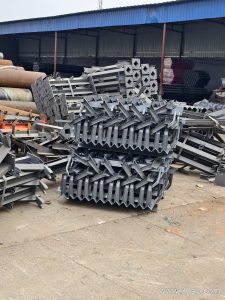
A belt conveyor idler frame is the structural element that holds the idler rollers in the right position under the conveyor belt. It is often called a conveyor idler bracket or idler support frame, and it is usually a welded assembly made from angle steel, channel steel, or folded steel plate. The frame carries the load of the belt and the material on top of it, so its geometry directly affects belt tracking, idler life, and the power needed to run the conveyor.
Because the frame is the interface between the idler roller and the conveyor structure, it is worth choosing with the same care as the belt itself. A heavy-duty conveyor belt can only perform well if the rollers beneath it stay aligned and the frames stay rigid.
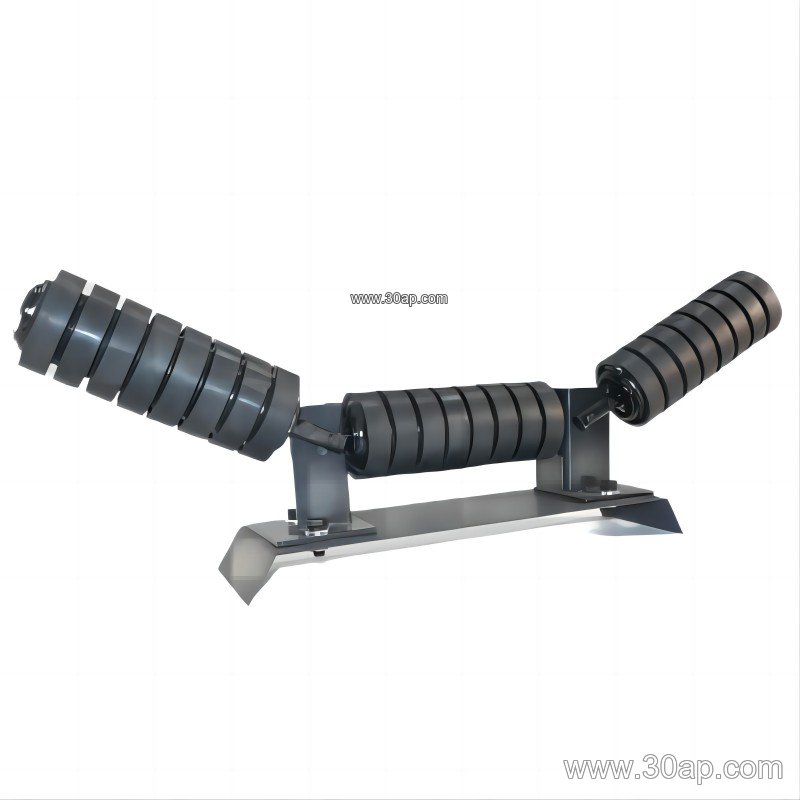
How the Frame Is Built
Most frames are produced by cutting steel, drilling or punching mounting holes, and welding the crossbeam to end brackets. The mounting slots position each idler at a set trough angle, and the crossbeam length follows the belt width. On adjustable designs, the same frame can be set to different angles. In dusty plants, hot-dip galvanized or painted finishes are common to slow corrosion.
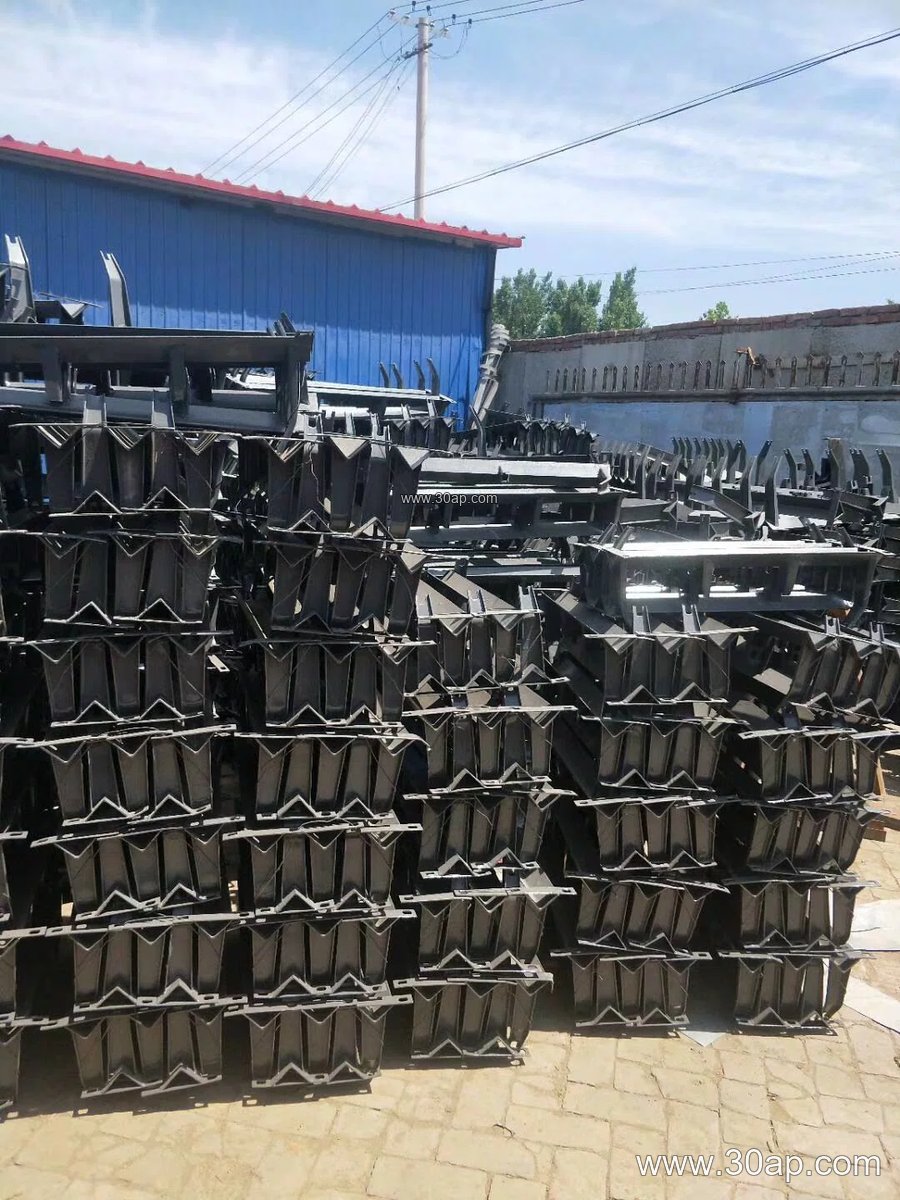
The frame is normally fixed to the conveyor stringer with bolts through the conveyor bracket, so hole spacing and beam length are matched to the belt width and trough angle at the design stage rather than being universal numbers.
Common Frame Types and Typical Reference Data
The table below lists frame types and reference dimensions that appear in general design practice. Values are indicative and should be confirmed against the actual conveyor design.
| Frame Type | Typical Trough Angle | Common Belt Width Range | Typical Idler Diameter |
|---|---|---|---|
| Upper trough frame | 20–45 degrees | B500–B2200 | Ø89–Ø194 |
| Transition frame | 20–35 degrees | B650–B1800 | Ø108–Ø159 |
| Return flat frame | Flat | B500–B2000 | Ø89–Ø159 |
| V-return frame | V-shaped | B650–B1800 | Ø108–Ø159 |
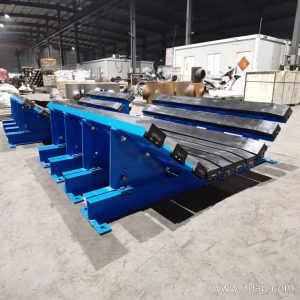
| Impact frame | 20–45 degrees | B800–B1800 | Ø133–Ø194 |
| Self-aligning frame | 20–45 degrees | B650–B1600 | Ø108–Ø159 |
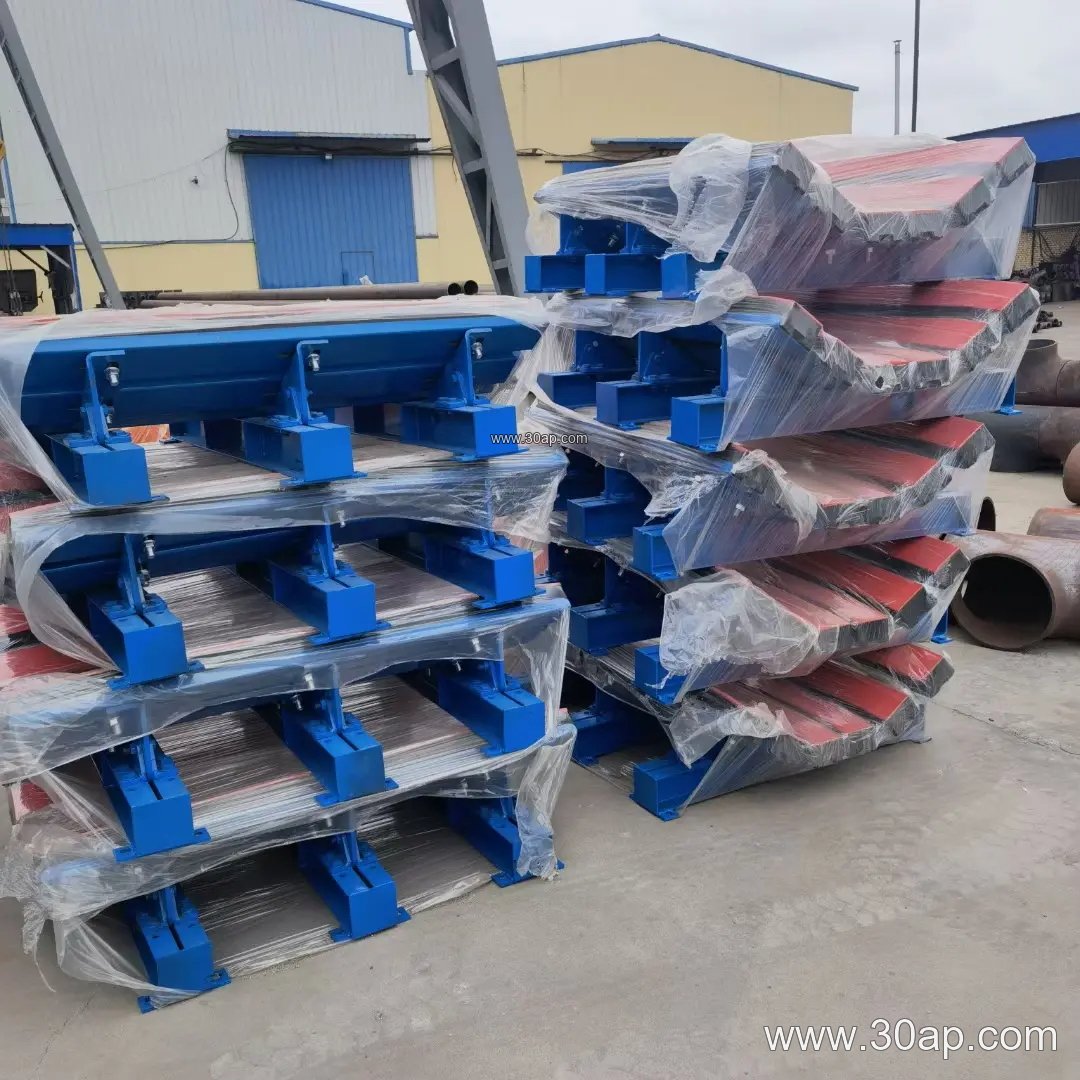
Angle steel frames are common on medium-duty lines, while channel steel or folded plate is often chosen for wider belts or heavier material. The frame should never be treated as a fixed match for one belt width and one pulley diameter; the layout is determined by the whole conveyor design.
Where the Frame Is Used
Idler frames appear on nearly every troughed conveyor. In a sand and gravel line, a B800 frame with a 35 degree trough angle and Ø108 idlers is a familiar combination, while a B1200 conveyor carrying crushed rock may use 45 degree troughing and Ø133 idlers. In a power plant coal yard, the same component supports the belt through loading and transfer points. Quarries, cement plants, and iron ore terminals also rely on these frames to keep an abrasion resistant conveyor belt or a heat resistant conveyor belt running true.
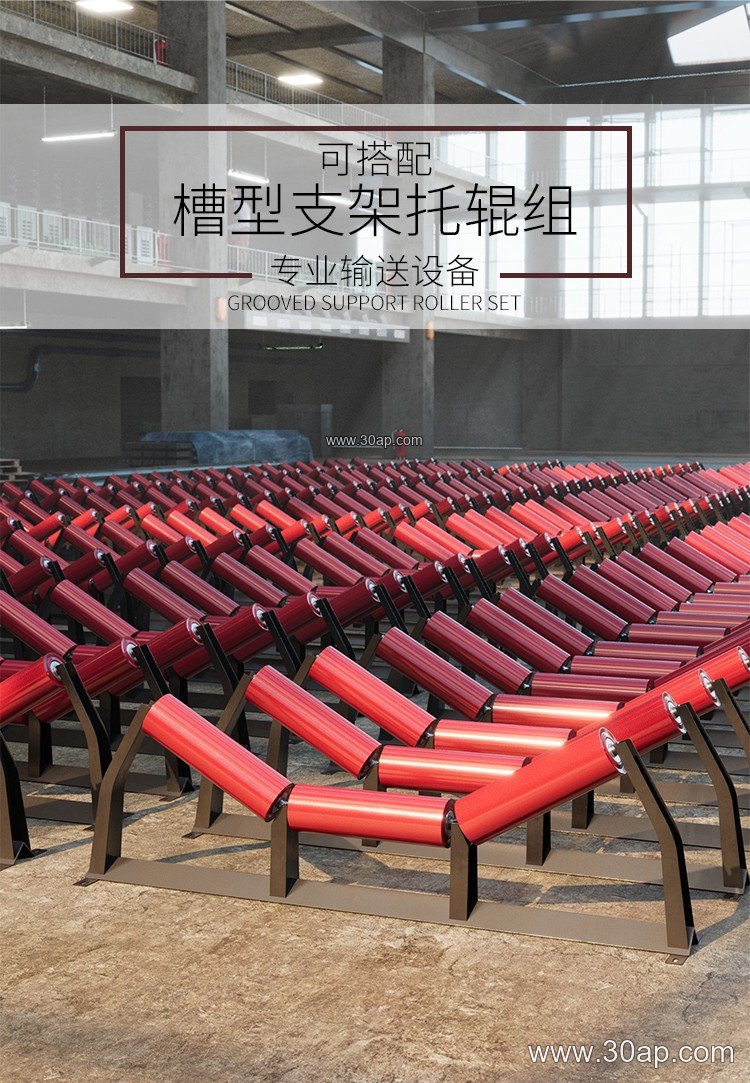
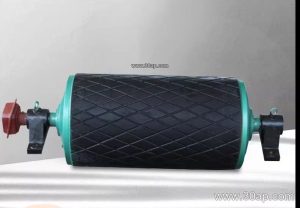
Frames are also used where belts change direction: a transition frame supports the belt as it leaves a conveyor pulley, and a V-return frame helps control the return strand. These are frame positions, not pulley types; drive, tail, and bend pulleys remain separate components with their own specifications.
Buyer Checklist
- Confirm belt width, such as B650, B1000, or B1400, and the required trough angle.
- Match frame mounting holes to the planned idler roller spacing and shaft end design.
- Select the steel section and finish for the site conditions, especially in coal mining or cement plants.
- Decide between fixed and adjustable frames where belt tracking needs fine tuning.
- Check that the frame suits the belt type, including an EP conveyor belt or a steel cord conveyor belt with different stiffness.
- Ask for a dimensional drawing before ordering large quantities.
Installation and Maintenance Notes
Frames should be aligned to the conveyor centerline and checked after the belt is tensioned. Loose bolts or bent crossbeams cause the belt to drift and shorten idler life. Periodic inspection of the frame, together with the idler roller and conveyor pulley, keeps a line running smoothly. For more on compatible components such as skirted conveyor belt and corrugated sidewall conveyor belt systems, review the full conveyor layout before specifying frames.