What an Intermediate Bend Pulley Does
An intermediate bend pulley is a non-drive conveyor pulley used to guide the conveyor belt through a change of direction at a point between the head and tail of the machine. It does not pull the belt; it redirects it, adjusts wrap angle, or helps control belt path where space is limited. This intermediate bend pulley is often confused with a snub pulley or a take-up pulley, but it serves its own purpose: it keeps the belt tracking through intermediate sections of long or elevated conveyors.
Because it carries tension without transmitting torque, its design differs from a drive pulley. The shell, shaft, bearings, and lagging are chosen around radial load and belt contact rather than power transmission. In a quarry conveyor or a cement plant clinker line, this kind of bend pulley helps route the belt around structures and back into the return strand.
Construction and Surface Options
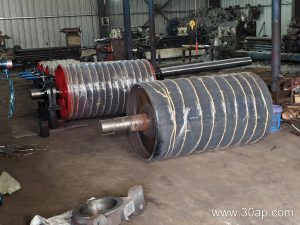
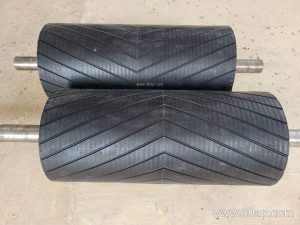
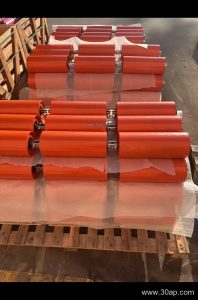
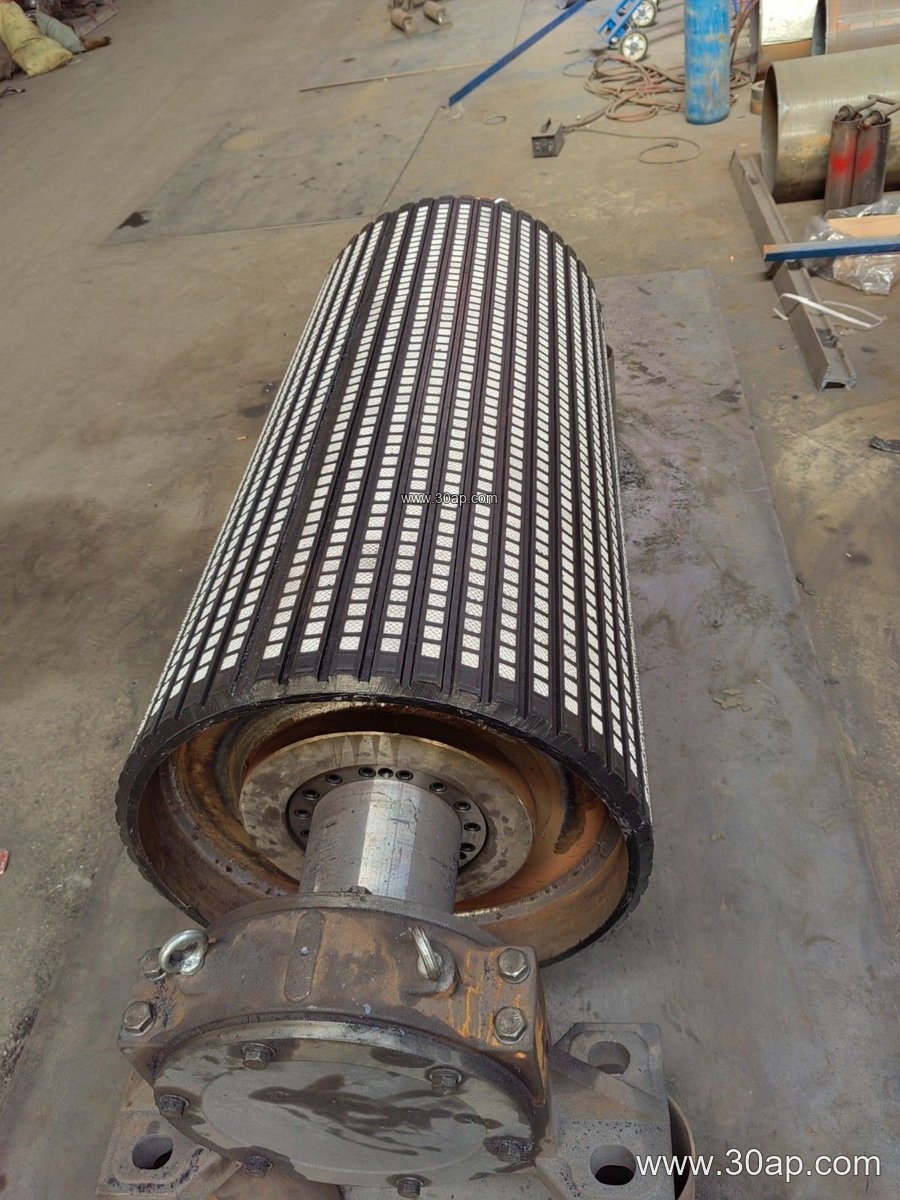
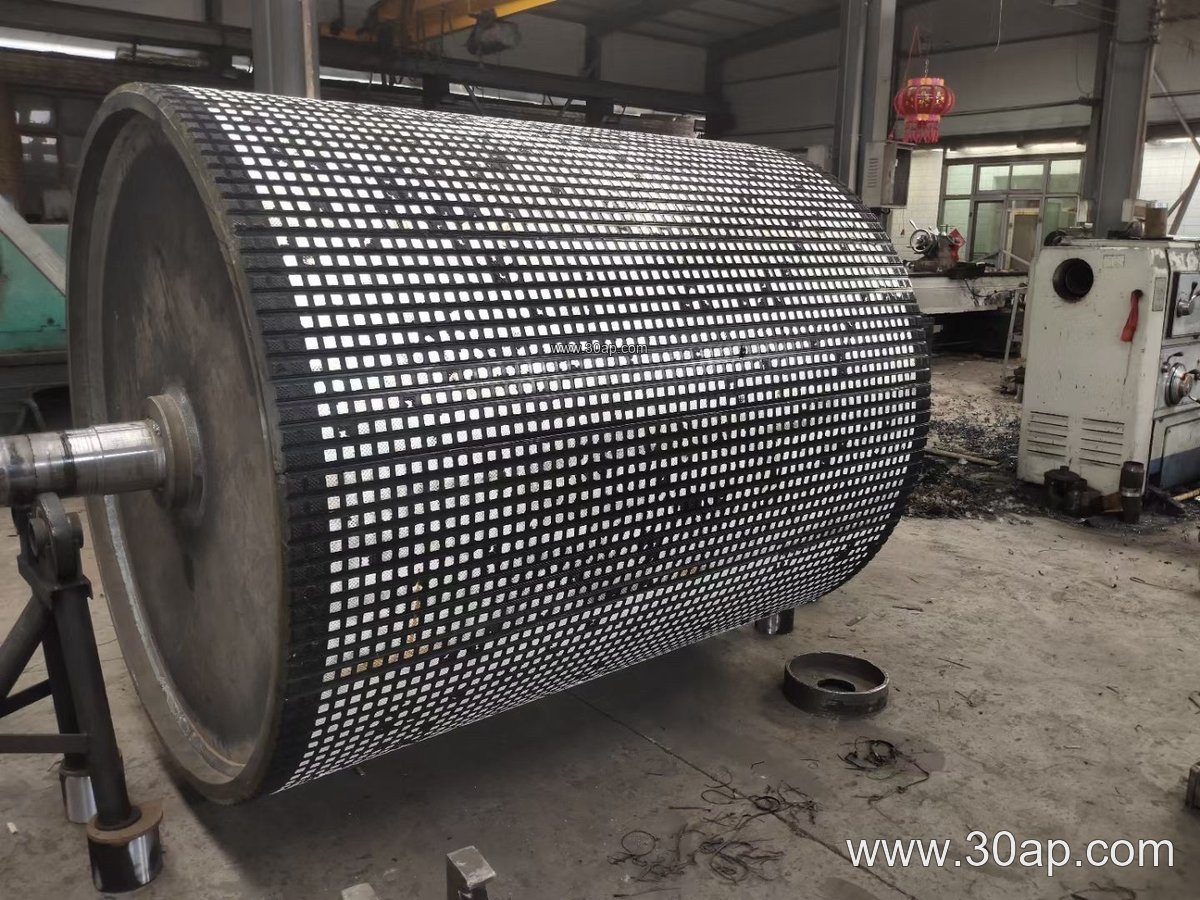
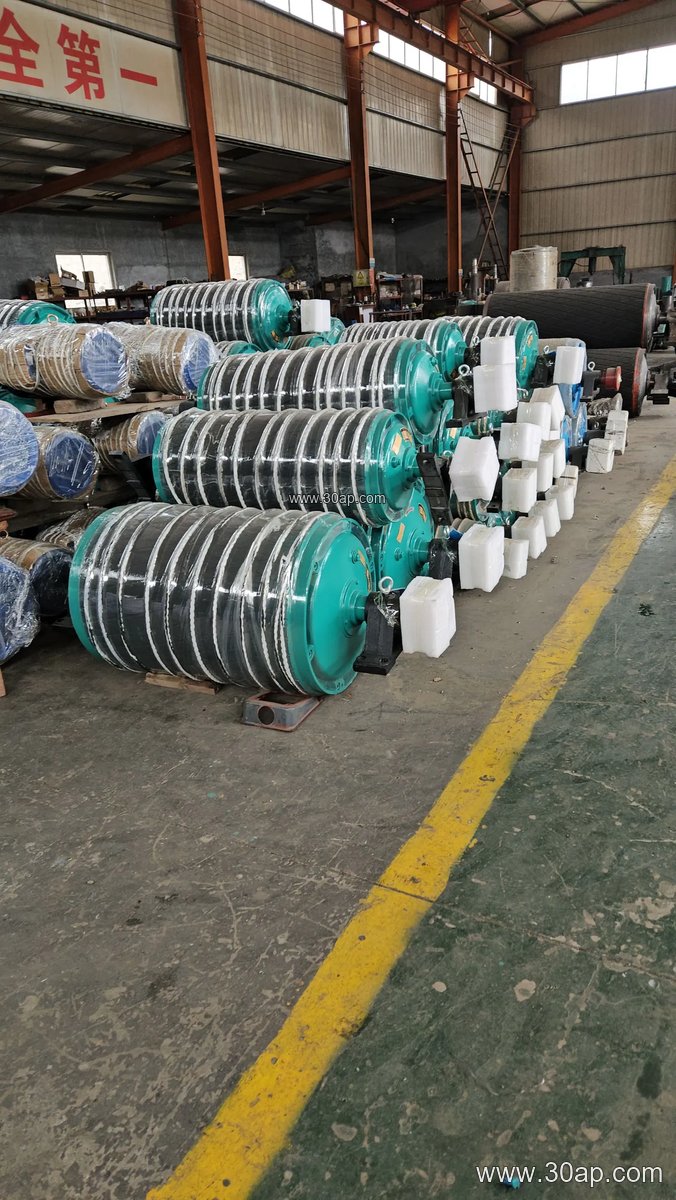
Most intermediate bend pulleys use a welded steel shell with machined end discs and a through shaft supported by self-aligning bearing housings. The belt side may be plain or covered with lagging. Rubber lagging improves grip and protects the shell, while ceramic or grooved lagging is sometimes used where material carryback is heavy. Plain face units are common where the pulley only changes direction and does not need extra traction.
| Parameter | Common Range or Option |
|---|---|
| Belt width reference | B400 to B2400 |
| Pulley diameter | Ø200 to Ø1800, selected by belt tension and shaft load |
| Face width | Usually wider than belt, for example B800 around 950 mm, B1200 around 1400 mm |
| Shaft diameter | Ø50 to Ø200, confirmed by torque and bearing calculation |
| Lagging thickness | 8, 10, 12, 15 or 20 mm depending on duty |
| Surface form | Plain, cold-bonded rubber, hot vulcanized rubber, diamond, ceramic |
A bend pulley on a 1200 mm wide conveyor might be specified as B1200 × Ø1000 with 12 mm rubber lagging, but this is an example combination, not a fixed rule. Shaft size should always follow the calculated load, never simply the belt width.
Where It Fits in a Conveyor System
An intermediate bend pulley is placed along the belt path, often on the return side, to change direction before the belt reaches the tail or take-up area. In a coal mining conveyor or a power plant coal handling line, these pulleys allow the belt to pass around transfer towers and incline transitions. In aggregate and sand making plants, they help keep the belt aligned through long horizontal runs and small vertical bends.
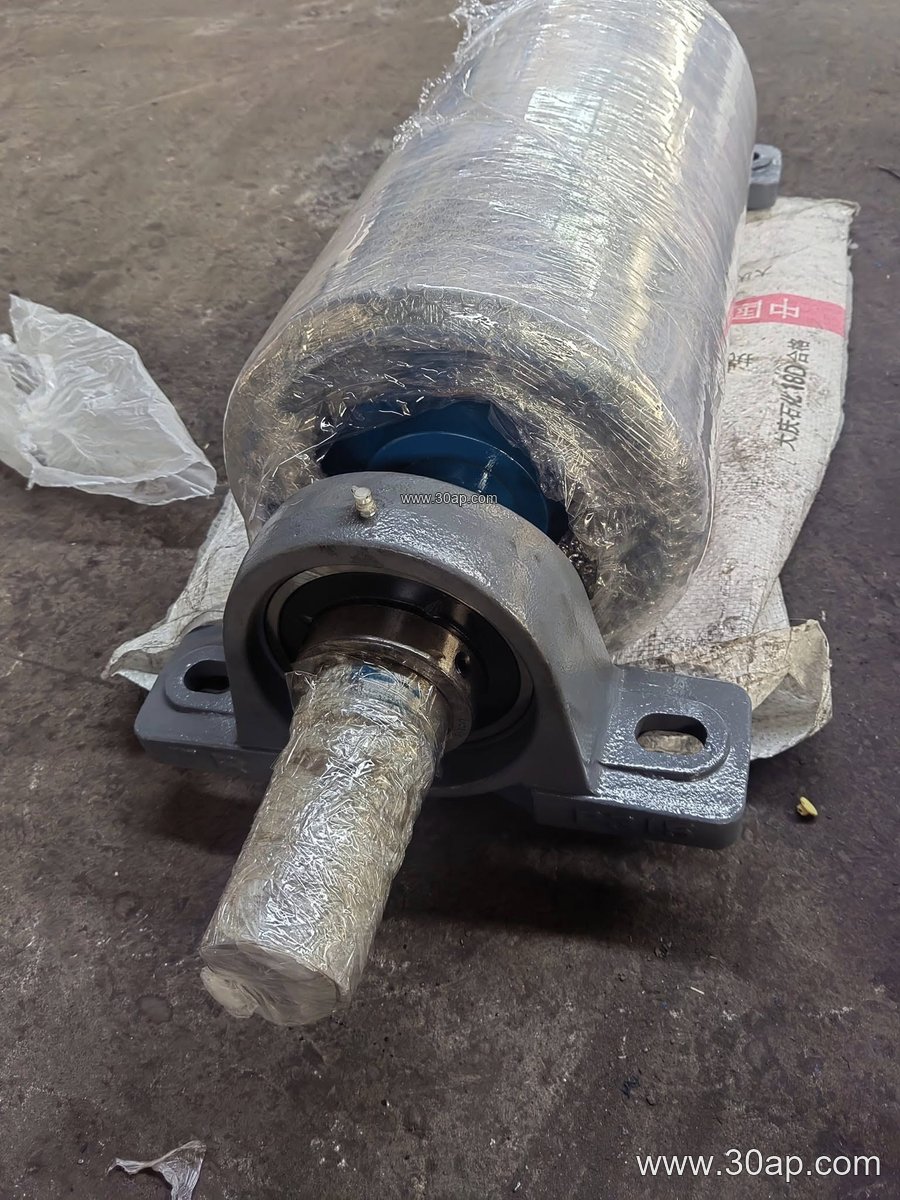
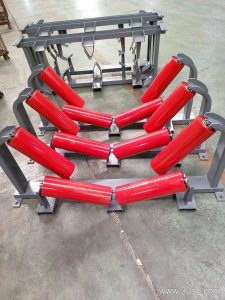
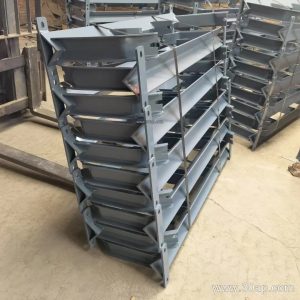
The pulley works together with the conveyor belt, idler roller sets, and conveyor bracket supports. A properly sized bend pulley reduces belt edge stress and helps prevent mistracking. It is not a substitute for a drive pulley or a tail pulley; each has a distinct role in the conveyor layout.
Buyer Checklist
- Confirm the belt width and the required pulley face width, allowing for belt wander.
- State the belt tension and radial load so the shaft and bearings can be sized correctly.
- Decide whether plain, rubber lagged, or ceramic lagging suits the material and environment.
- Check bearing housing style and mounting position against the conveyor bracket.
- For dusty or wet conditions, consider sealed bearings and suitable lagging grooves.
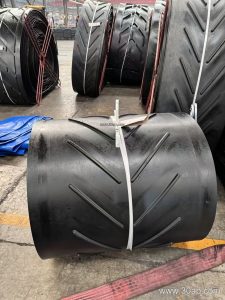
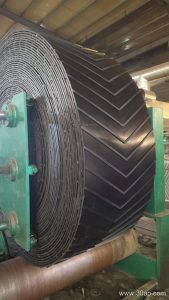
For users working with abrasive bulk material, pairing the pulley with an abrasion resistant conveyor belt or a heavy-duty mining conveyor belt can extend service life. In coal or underground mining applications, a flame retardant conveyor belt and anti-static conveyor belt may be required by the site. The intermediate bend pulley itself should be inspected for lagging wear, shell runout, and bearing condition during routine shutdowns.