What a 1500mm Wide Conveyor Belt Is
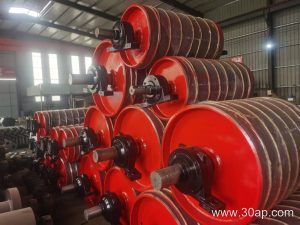
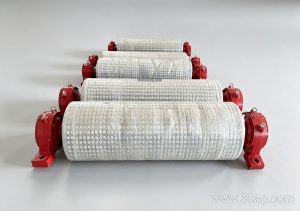
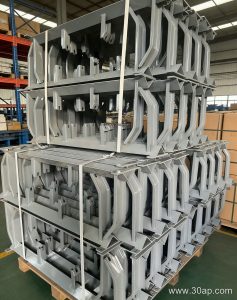
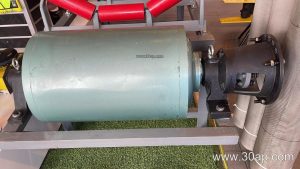
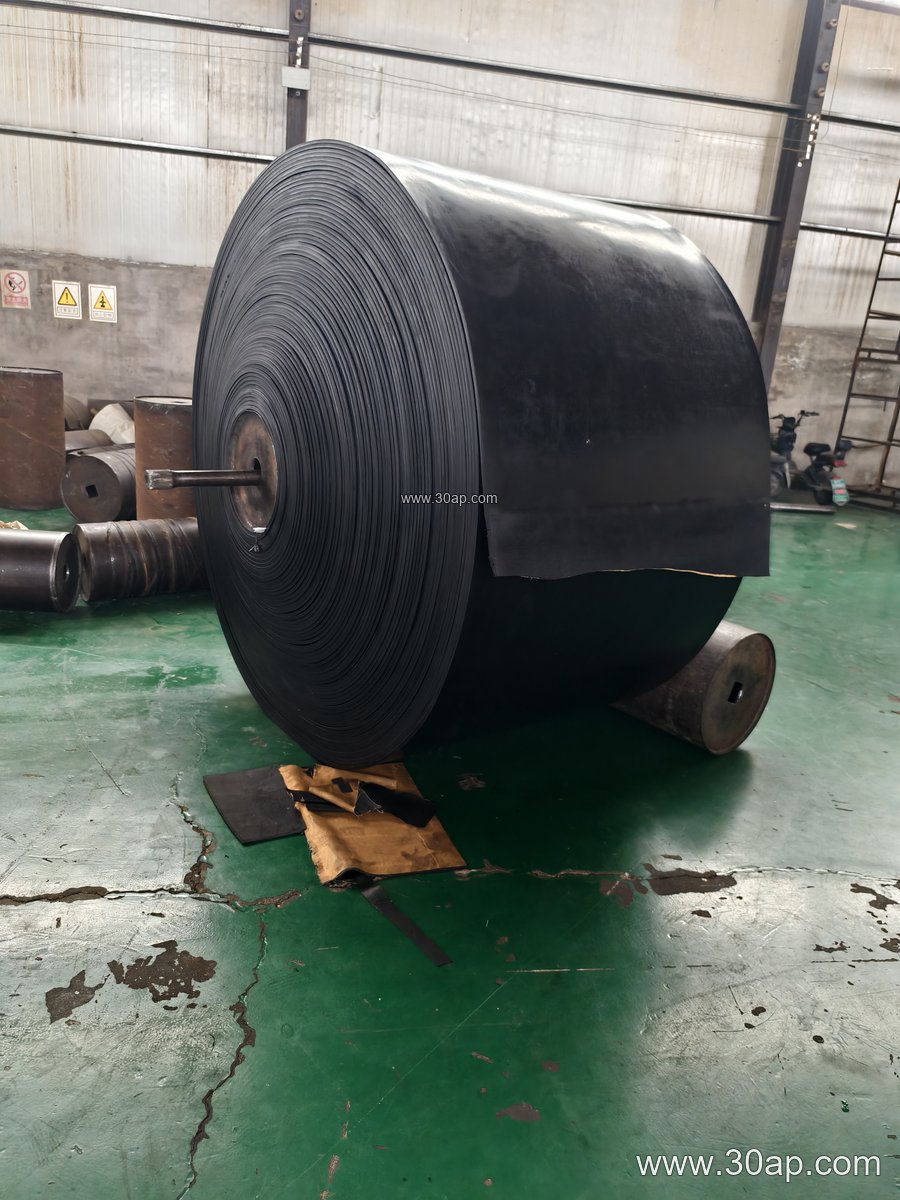
A 1500mm wide conveyor belt is a heavy-duty bulk material belt with a nominal width of 1.5 meters. It sits in the wider end of common production widths, above 1200mm and below 1800mm and 2000mm, and is chosen when a single stream must carry a large tonnage without excessive belt speed. In a full conveyor system, the belt works with idler rollers, conveyor pulleys, and conveyor brackets, but the belt itself is the load-bearing element.
The width is only one dimension. Buyers also specify carcass type, strength grade, cover thickness, and surface form, so two 1500mm wide belts can differ greatly in mass, flexibility, and service life.
Construction and Common Grades
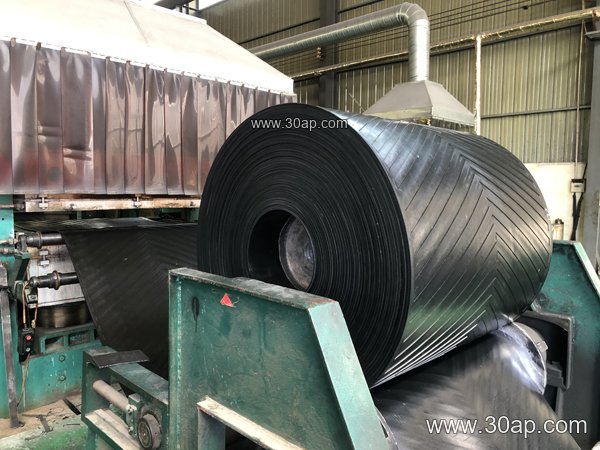
Most belts at this width use a fabric core or a steel cord carcass. Fabric core versions include EP conveyor belt and NN conveyor belt constructions, often built as a multi-ply fabric core conveyor belt with two to six plies. Steel cord conveyor belt designs are used where tension is very high over long distances.
Cover compounds are matched to the duty: abrasion resistant, heat resistant, oil resistant, flame retardant, fire resistant, anti-static, cold resistant, or acid and chemical resistant. For underground coal work, PVG conveyor belt and PVC mining belt grades are common, while surface mines and quarries often favor rubber covers with high abrasion resistance.
Reference Dimensions
The table below shows typical values only. Final specifications are set by the conveyor design, and different manufacturers offer different combinations.
| Parameter | Common reference values |
|---|---|
| Belt width | 1500mm (also written B1500) |
| Fabric strength grades | EP200, EP315, EP400, EP500, EP630, EP800, EP1000, EP1250 |
| Steel cord grades | ST1000, ST1250, ST1600, ST2000 |
| Cover thickness (top + bottom) | 4+2, 5+2, 6+2, 8+3 mm |
| Carcass plies | 2 to 6 layers, depending on grade |
| Surface forms | Plain, chevron, skirted, corrugated sidewall |
Where It Fits in the Plant
This width appears in high-capacity main haulage and transfer lines. In the mining sector it moves ore and waste rock on mining conveyor belt circuits, including underground mining conveyor belt and coal mining conveyor belt systems. Cement plants use it on clinker and raw meal lines, power plants on coal handling, and ports on ship loading conveyors. Quarries, aggregate plants, and crusher conveyor belt stations also use wide belts to keep up with primary crushing output.
Specialty variants follow the same width logic. A corrugated sidewall conveyor belt or skirted conveyor belt at 1500mm contains material on steep inclines, and a pipe conveyor belt is a different concept entirely, forming a closed tube rather than running flat.
Selection Points for Buyers
- Confirm the calculated belt tension and choose a carcass grade with margin; do not assume one strength suits every 1500mm belt.
- Match the cover to the material: sharp rock calls for high abrasion resistance, hot clinker for heat resistant grades, and coal for flame retardant and anti-static properties.
- Check pulley and idler compatibility with the actual belt thickness and minimum bend radius; belt width alone does not fix pulley diameter or shaft size.
- Decide whether an endless conveyor belt splice or a mechanical joint suits the installation space.
- For dusty or explosive atmospheres, specify anti-static and fire resistant covers and confirm them with the supplier.
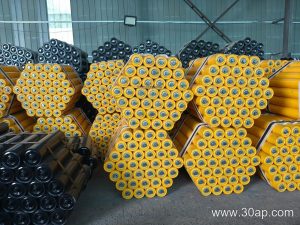
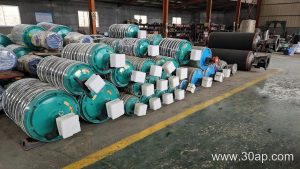
On the conveyor frame, drive, tail, and bend pulleys each have a distinct role, and idler roller spacing, trough angle, and conveyor bracket design all affect how a 1500mm belt tracks. A belt that is correctly specified but poorly supported will still wander or wear unevenly.
Installation and Maintenance Notes
Wide belts need careful alignment during installation. Check that the belt centerline matches the pulley centerlines, keep idlers square to the frame, and tension the belt according to the manufacturer’s guidance rather than by feel. Inspect covers for cuts and gouges, watch for edge damage that can start a rip, and check splice condition at regular intervals. In cold climates, a cold resistant cover reduces cracking at start-up; in oily or chemical environments, an oil resistant or chemical resistant grade protects the carcass.
For spare parts planning, record the belt grade, cover thickness, and splice type so replacement sections match the original. For more on belts, idlers, and pulleys, visit www.bulkconveyorparts.com and review the conveyor belt and idler roller ranges before finalizing a specification.