What a Belt Conveyor Idler Frame Does
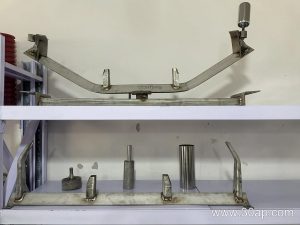
A belt conveyor idler frame is the structural element that holds the idler rollers in the correct position under and along the conveyor belt. In many plants it is simply called a conveyor idler bracket or roller support frame, but it performs a precise job: it sets the trough angle on the carrying side, supports the return strand, and keeps the belt profile stable from the loading point to the discharge pulley. Without a properly aligned frame, even a high-quality belt and set of rollers will track poorly and wear quickly.
The frame is not a pulley. Drive pulleys, tail pulleys and bend pulleys transmit power and change belt direction, while the idler frame only supports the belt line. This distinction matters when specifying spare parts, because a frame and a conveyor pulley serve different roles and are not interchangeable.
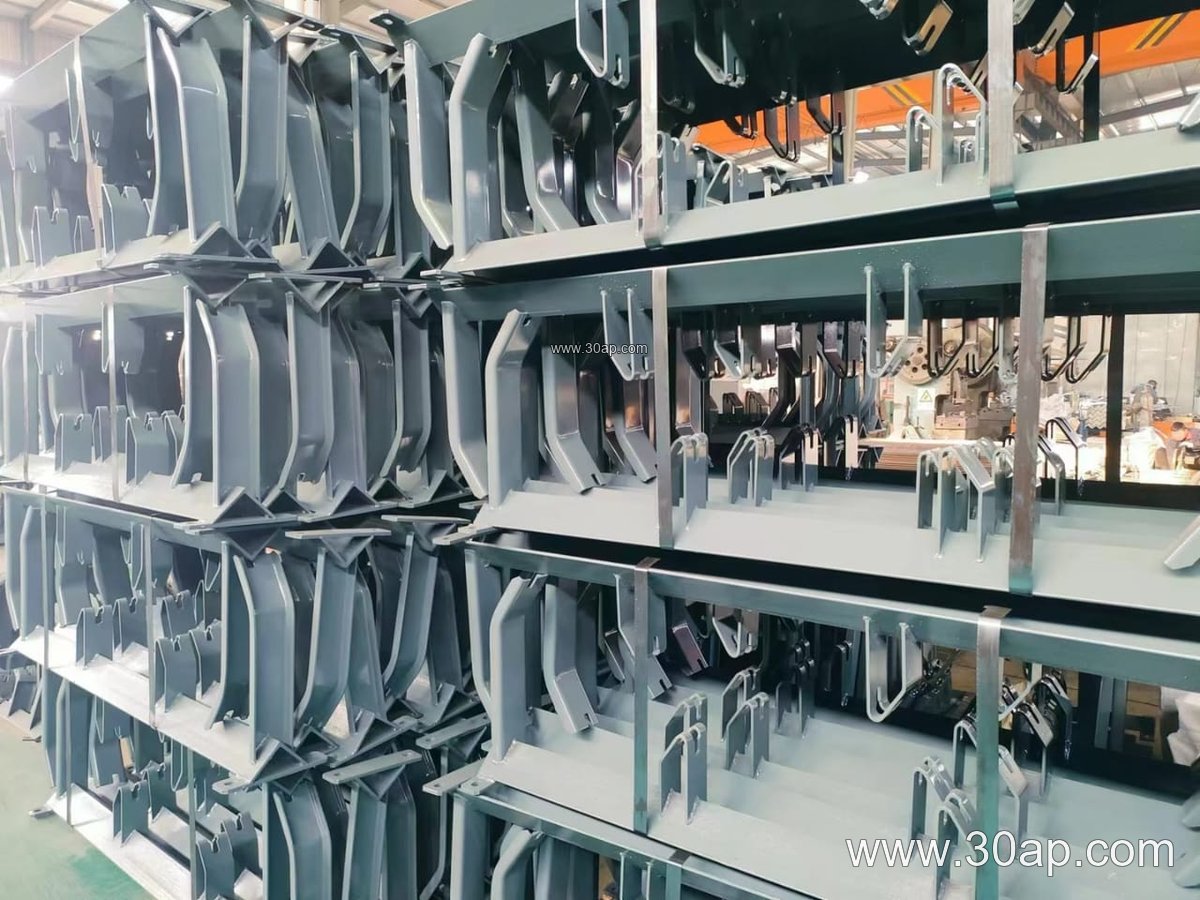
Construction and Common Configurations
Most frames are fabricated from angle steel, channel steel or folded steel plate, then drilled or punched for mounting. The design must resist vibration, material impact and continuous load without flexing out of alignment. Common configurations include trough frames on the carrying side, transition frames near pulleys, flat return frames, V-return frames, impact frames at loading points, self-aligning frames and suspended or adjustable versions.
Adjustable frames allow the trough angle to be set within a range, which is useful when a conveyor handles more than one material or when the belt needs tuning after installation. Fixed frames are simpler and often preferred where the duty is stable. A slight forward tilt of the side rollers, typically around 1.5 to 2 degrees, is used on some designs to help center the belt.
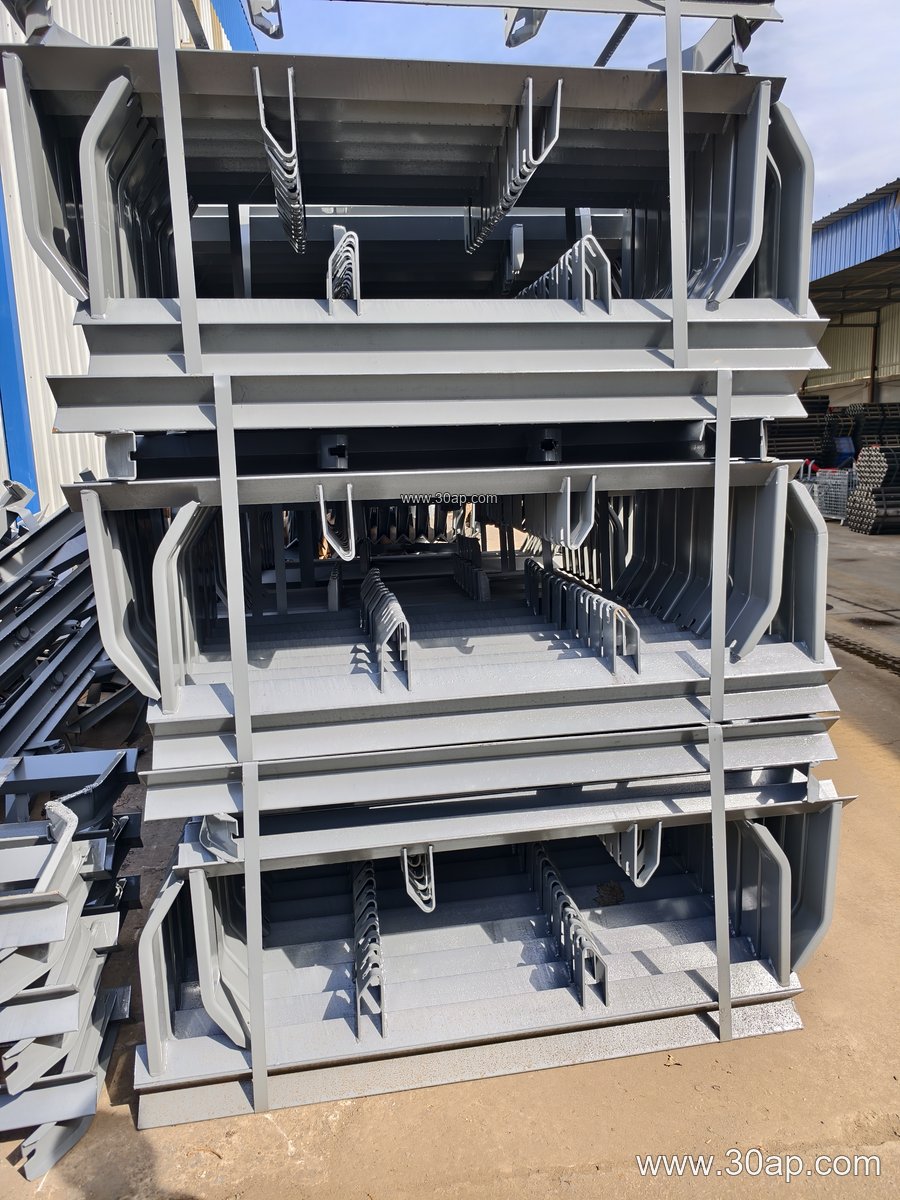
Typical Reference Data
The values below are common reference points, not universal specifications. Actual hole spacing and beam length depend on belt width, trough angle and the idler supplier’s design.
| Item | Common Options |
|---|---|
| Frame type | Trough, transition, return, V-return, impact, self-aligning, suspended, adjustable |
| Belt width | B500, B650, B800, B1000, B1200, B1400, B1600, B1800, B2000 |
| Trough angle | 20°, 30°, 35°, 45° |
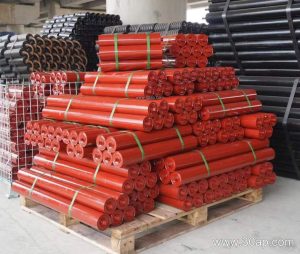
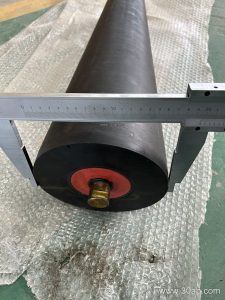
| Idler diameter | Ø89, Ø108, Ø133, Ø159, Ø194 |
| Material | Angle steel, channel steel, folded steel plate |
A frame might be described as B800, 35°, Ø108, or B1200, 45°, Ø133. These combinations are examples only; one belt width does not lock a conveyor into a single trough angle or roller diameter.
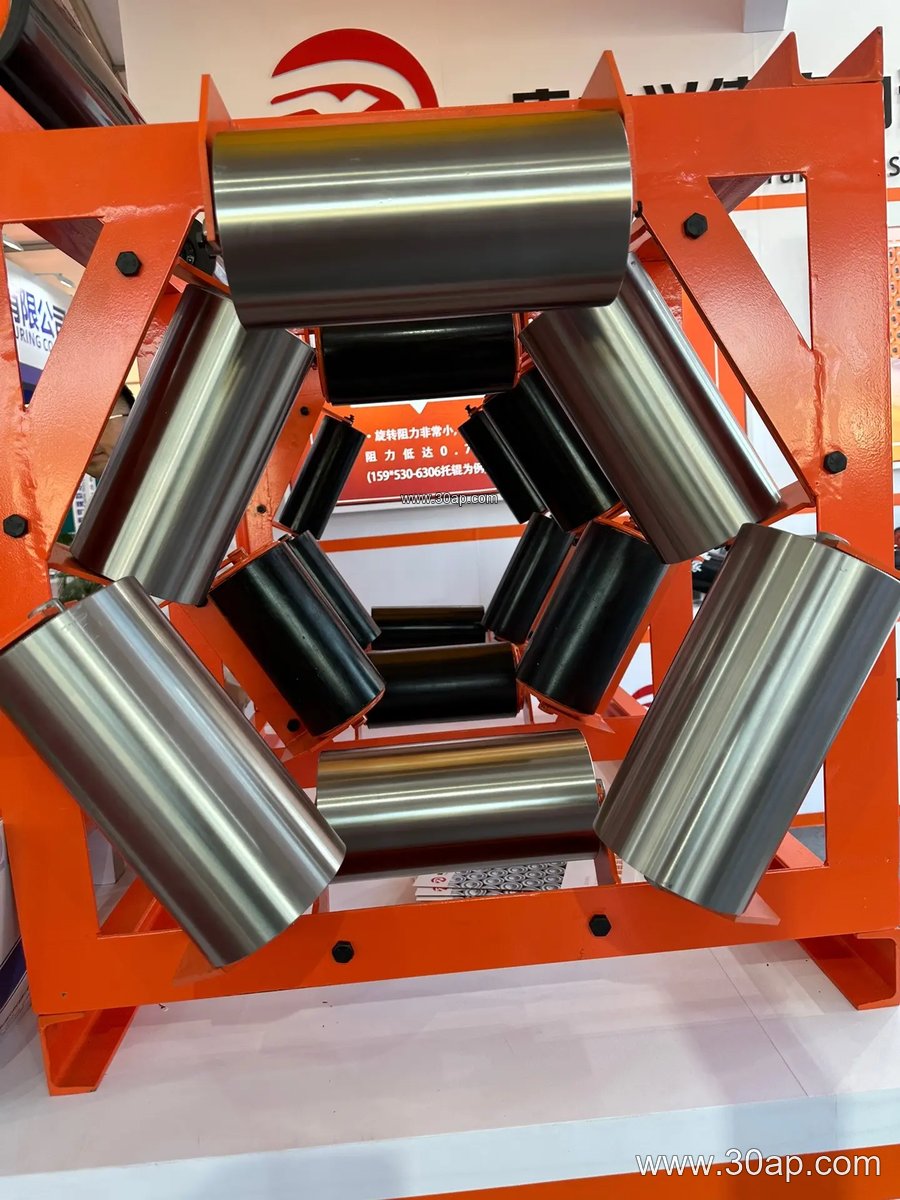
Where These Frames Are Used
Idler frames appear wherever bulk material moves on a belt. In a limestone quarry or crushing and screening line, impact frames under the crusher discharge protect rollers from falling rock. In a coal wash plant or power plant coal yard, flame retardant and anti-static belts run on trough frames that must stay aligned through dusty, vibrating service. Cement plants use them on clinker and raw meal lines, while port terminals rely on wide frames for high-capacity ship loading conveyors.
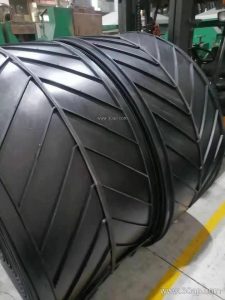
The frame choice should match the belt. A heavy-duty mining conveyor belt or steel cord conveyor belt carrying iron ore needs a robust frame and adequately sized idlers. A pipe conveyor belt or corrugated sidewall belt has different support requirements and should be specified with the belt supplier’s guidance. In food or grain handling, cleanliness and smooth roller rotation matter more than extreme impact resistance.
Buyer Checklist
- Confirm belt width, trough angle and idler diameter as a set, not as isolated numbers.
- State whether the frame is fixed or adjustable, and whether forward tilt is required.
- Identify the mounting position: carrying side, return side, transition zone or loading point.
- Match frame material and finish to the environment, including dust, moisture and temperature.
- Check that mounting hole spacing suits the actual idler roller and conveyor bracket dimensions.
- Ask for drawings before ordering, since beam length and hole positions vary by design.
For a complete conveyor line, the frame works together with the conveyor belt, idler roller, conveyor pulley and conveyor bracket. A buyer who treats these as one support system, rather than separate commodities, usually gets better belt tracking and longer service life. Whether the plant handles gold mining conveyor belt duties, aggregate conveyor belt loads or a simple B650, 30°, Ø89 run, the idler frame should be selected from the actual belt and load data rather than from a catalogue guess.