What a Fire Resistant Conveyor Belt Is
A fire resistant conveyor belt is a rubber conveyor belt designed to limit the spread of flame and reduce the risk of fire propagation along a conveyor line. It is used where conveyed material, dust, or the surrounding environment may create ignition hazards. In coal mining, power plants, cement works, and some port or bulk handling terminals, this belt is often specified alongside a flame retardant conveyor belt to support site safety planning.
The fire resistance property comes from the rubber compound and the way the belt is built. The cover rubber and the core construction work together, and the belt may also be anti-static to reduce static charge buildup. It is not a substitute for good housekeeping, correct electrical protection, or proper conveyor design, but it adds a layer of protection in demanding environments.
Construction and Common Configurations
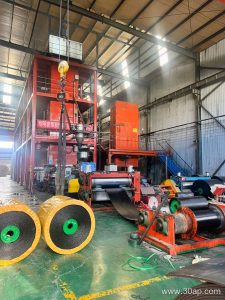
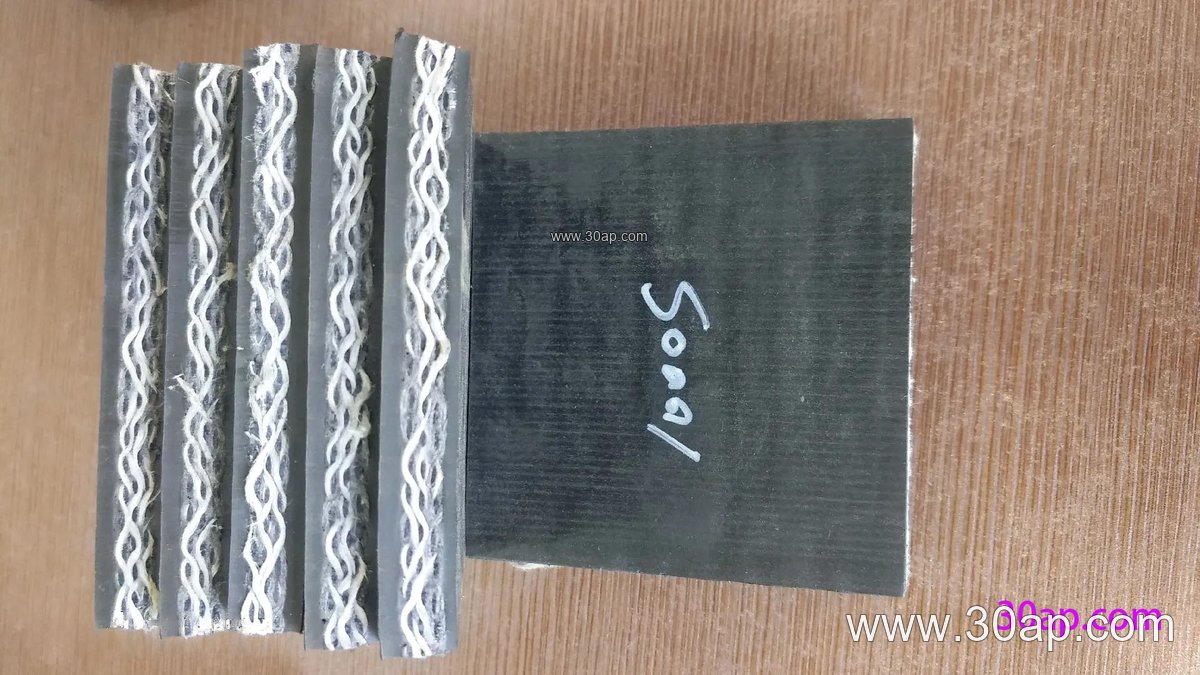
Most fire resistant belts use a fabric core or steel cord carcass. Fabric core options include EP conveyor belt and NN conveyor belt constructions, where EP or nylon plies carry the tensile load. Steel cord conveyor belt designs are chosen for long runs and high tension. Cover rubber grades are selected for the material being carried, and the fire resistant compound is applied to the cover and, in many designs, to the core.
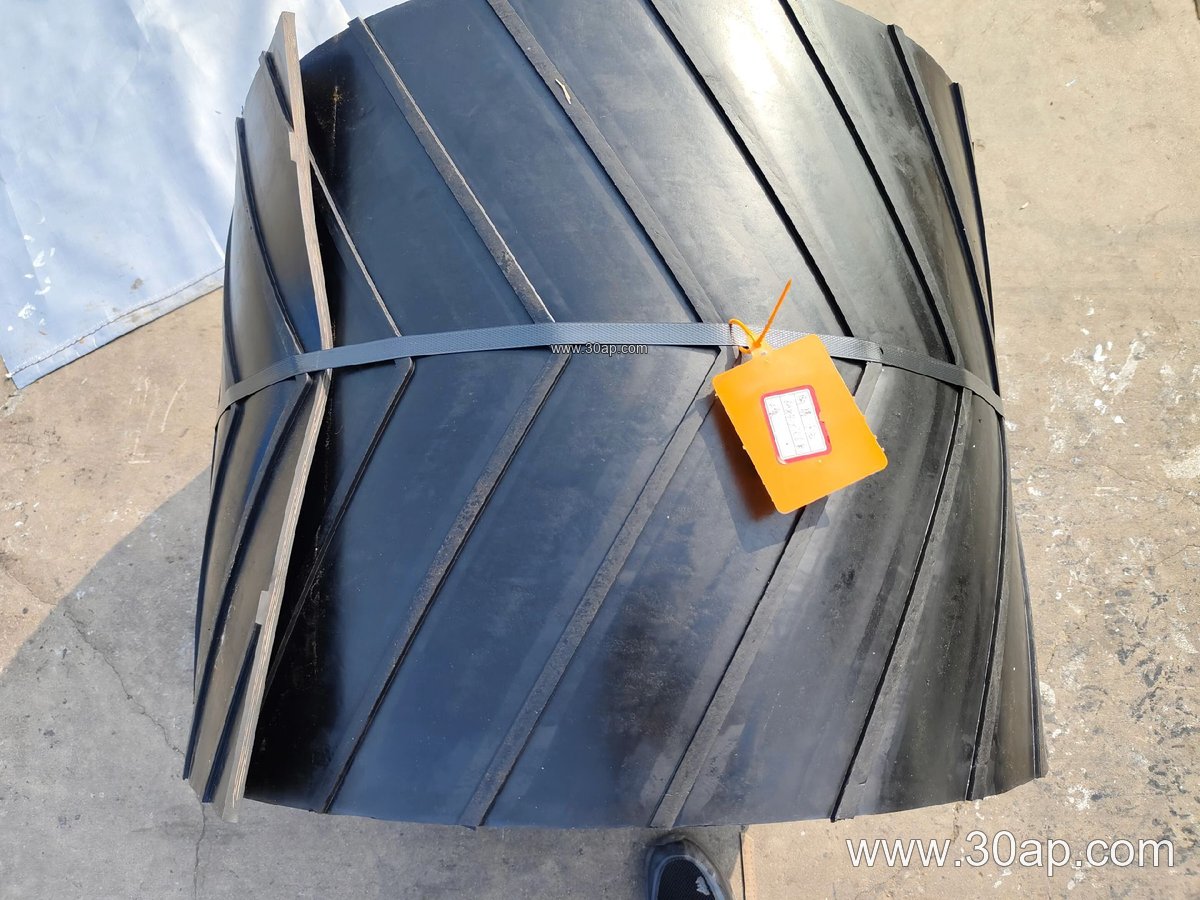
Common build details include:
- Fabric core with 2 to 6 plies, depending on strength and load.
- Cover thickness combinations such as 3+1.5 mm, 4+2 mm, 5+2 mm, 6+2 mm, and 8+3 mm.
- Belt widths from B500 to B2000, with wider belts used in high capacity systems.
- Anti-static properties for areas where static discharge is a concern.
Strength grades vary by design. EP belts may be referenced as EP200, EP315, EP400, EP500, EP630, EP800, EP1000, EP1250, EP1600, or EP2000, while steel cord belts may be described with ST grades. These values are reference points, not a fixed rule for every conveyor. The final specification should match the calculated tension, pulley diameters, and loading conditions.
Where It Is Used
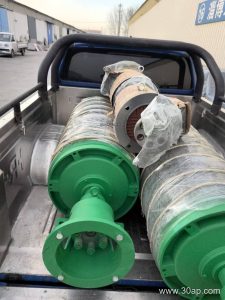
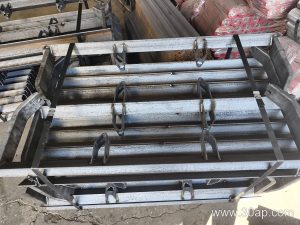
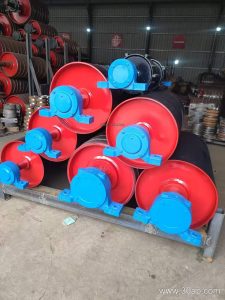
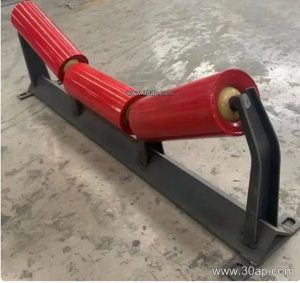
Fire resistant conveyor belts appear in underground coal mining, coal preparation plants, and power plant coal handling systems. They are also found in cement plants, quarries, and bulk material terminals where dust and heat sources are present. In these settings, the belt works with conveyor pulleys, idler rollers, and conveyor brackets to keep material moving reliably.
For comparison, a heat resistant conveyor belt is selected mainly for hot material such as clinker or sinter, while an oil resistant conveyor belt addresses oily cargo. A fire resistant belt focuses on flame spread and ignition risk. Some projects combine requirements, but each property should be confirmed with the belt supplier.
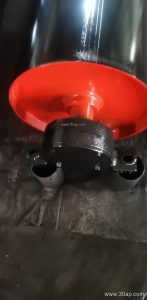
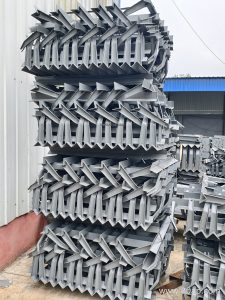
Related equipment matters too. Drive pulleys, tail pulleys, and bend pulleys each have a distinct role in belt path and tension control, and they are not interchangeable. Idler roller spacing and conveyor bracket condition affect belt tracking and wear. A fire resistant belt still needs correct alignment and maintenance to perform well.
Buyer Checklist and Selection Notes
Buyers should start with the material, lump size, capacity, and operating environment. Then confirm the required belt strength, width, cover grade, and fire resistance class. For underground coal mining, a PVC or PVG conveyor belt may be considered where the site standard calls for it, but the fire resistant conveyor belt remains the main subject here.
Ask for the belt construction, cover thickness, ply count, and any anti-static data. Confirm that the belt matches the conveyor pulley diameters and the idler roller arrangement. Check whether the site needs a Mining Fire Resistant Conveyor Belt specification and whether the belt will run on an existing frame with conveyor brackets.
Useful reference data includes:
| Parameter | Common Reference |
|---|---|
| Belt width | B500, B650, B800, B1000, B1200, B1400, B1600, B1800, B2000 |
| Cover thickness | 3+1.5, 4+2, 5+2, 6+2, 8+3 mm |
| Fabric plies | 2 to 6 layers |
| Strength examples | EP200 to EP2000; ST grades by design |
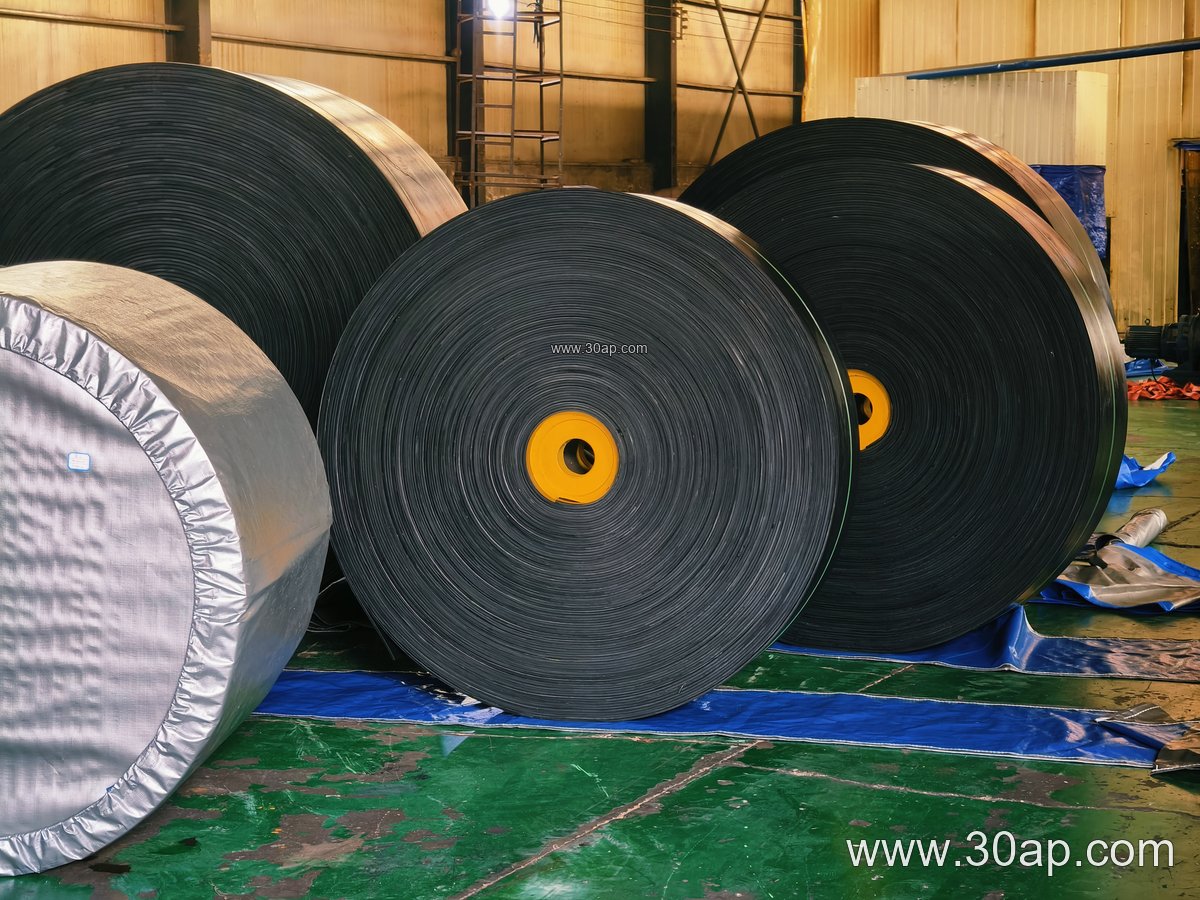
Finally, plan storage and splicing. Keep the belt away from sharp edges, excessive heat, and prolonged UV exposure. Use the supplier’s splicing method and check tension after installation. A well specified fire resistant conveyor belt, matched with sound conveyor pulleys and idler rollers, supports safer and more stable operation in mines, cement plants, power stations, and aggregate yards.