What a Building Materials Conveyor Pulley Does
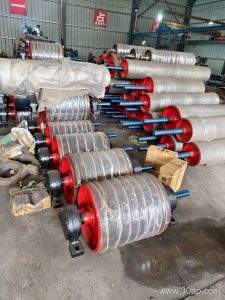
A Building Materials Conveyor Pulley is the rotating drum that turns a conveyor belt, sets its tension, and shapes its path through a crushing, screening, or bulk handling line. In a sand and aggregate plant it is the part that keeps stone moving from the jaw crusher discharge to the stockpile stacker, often through dust, grit, and uneven loading. The same drum family appears in cement clinker handling and power plant coal yards, where reliability matters more than ornament.
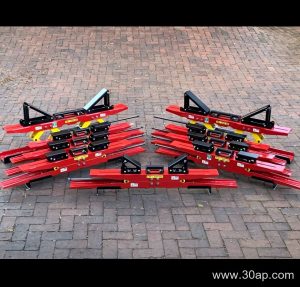
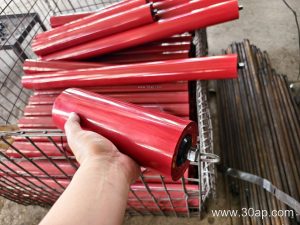
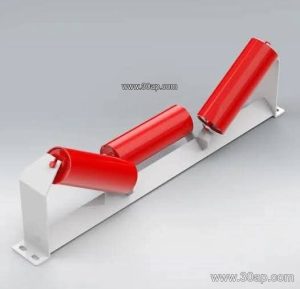
It is worth separating the drum from its neighbors on the machine. The conveyor pulley is a powered or free-running cylinder; idler rollers support the belt between pulleys, and conveyor brackets hold the whole assembly in line. A drive pulley, a tail pulley, and a bend pulley each do a different job, and they are not interchangeable names for the same part. A bend pulley only redirects the belt, while a drive pulley transfers torque through its lagging.
Construction and Surface Choices
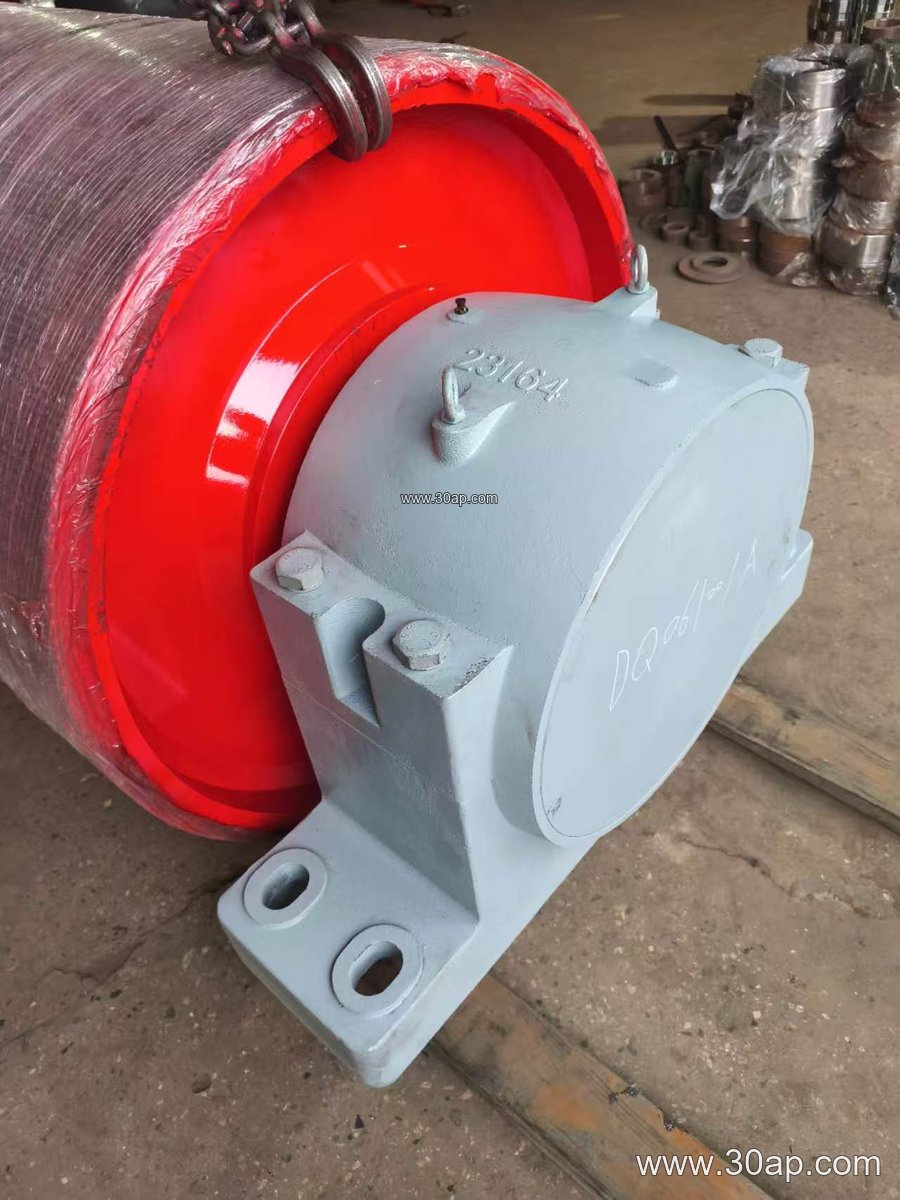
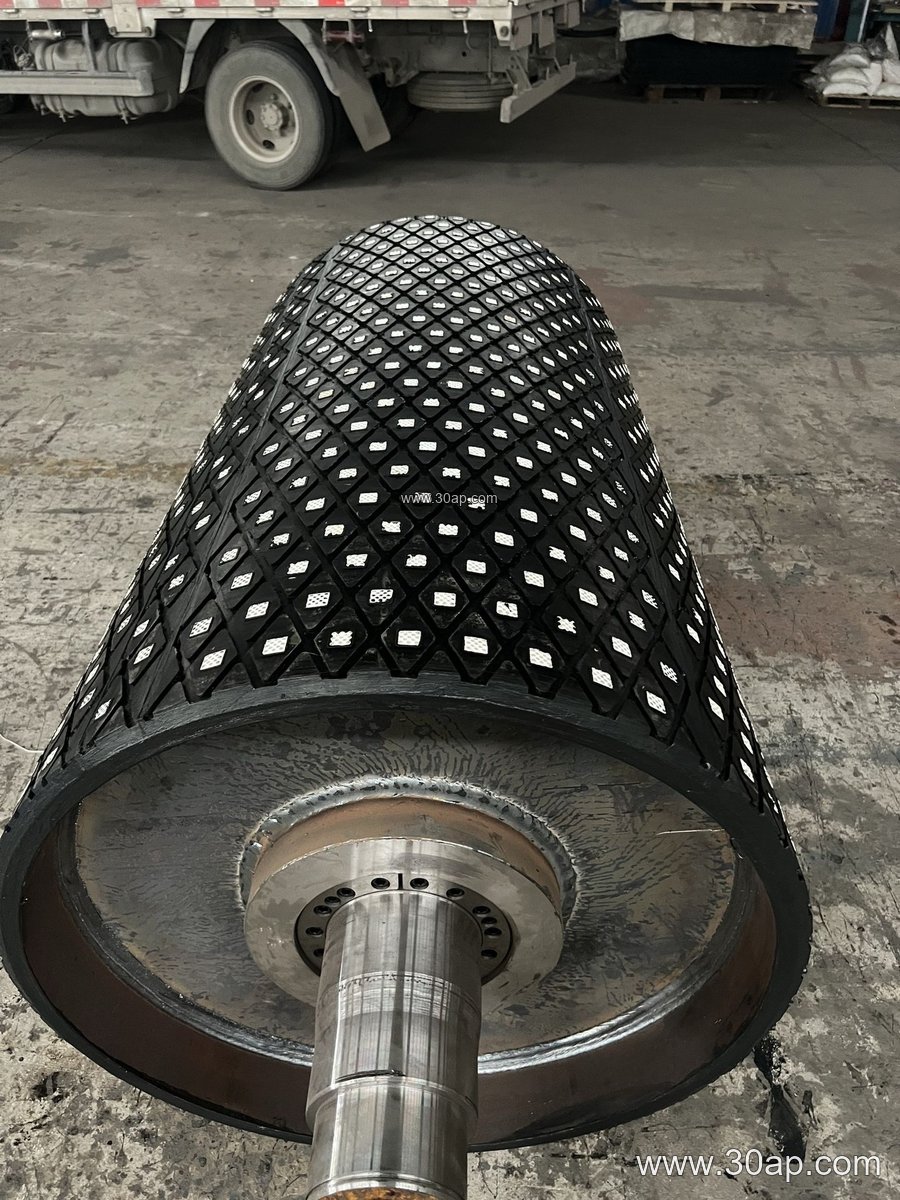
Most units start as a welded steel shell with machined end discs and a through shaft, balanced for the belt speed used. Larger drums are often built with a hub-and-disc design so the shell can be replaced without scrapping the shaft. The surface is where buyers usually have the most choice, and it should match the duty rather than a catalog default.
- Plain face for light, clean duty
- Cast rubber or cold-bonded rubber for general grip
- Hot-vulcanized rubber for higher load and longer wear
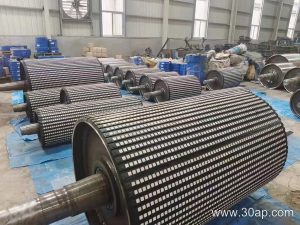
- Diamond or herringbone lagging to shed water and fines
- Ceramic lagging where abrasive aggregate slips
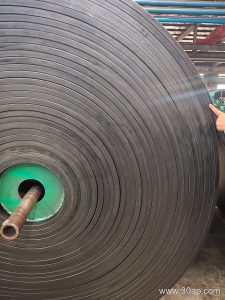
Lagging thickness commonly runs 8, 10, 12, 15, or 20 mm. On a Building Materials Conveyor Pulley driving a heavy stone belt, a thicker hot-bonded cover often pays back in fewer belt slips, but the choice should follow calculated traction demand. A belt such as an abrasion resistant conveyor belt or a heavy-duty mining conveyor belt may need more grip than a smooth fabric core belt carrying dry sand.
Sizes, Widths, and Shaft Fit
Belt width and drum diameter are related by design, not by a fixed rule. A B800 belt may run on a Ø500 drum in one plant and a larger diameter in another, depending on wrap angle, belt speed, and the belt’s own minimum pulley diameter. Face width is usually a little wider than the belt, as the reference figures below suggest.
| Belt width | Typical face width | Common diameter range |
|---|---|---|
| B500 | about 600 mm | Ø250 to Ø400 |
| B650 | about 750 mm | Ø315 to Ø500 |
| B800 | about 950 mm | Ø400 to Ø630 |
| B1000 | about 1150 mm | Ø500 to Ø800 |
| B1200 | about 1400 mm | Ø630 to Ø1000 |
| B1400 | about 1600 mm | Ø800 to Ø1250 |
| B1600 | about 1800 mm | Ø1000 to Ø1400 |
| B1800 | about 2000 mm | Ø1250 to Ø1600 |
These are reference ranges, not fixed pairings. Shaft diameter is set by torque and bearing load, commonly Ø80 to Ø200 on plant conveyors, and should never be guessed from belt width alone. A B1200 × Ø1000 drive drum and a B800 × Ø500 tail drum can both exist in the same quarry line.
Where It Fits in the Line
In a limestone quarry or a cement plant clinker circuit, the head or discharge pulley sits at the transfer point and takes the highest tension. The tail pulley at the loading end turns freely and often carries a self-cleaning profile. A tension pulley on the take-up keeps slack out of a long overland run, and a snub or bend pulley increases belt wrap on the drive. Each position loads the drum differently, so the lagging and bearing selection should follow the duty.
Dusty aggregate lines benefit from a drum that sheds fines rather than packing them into the lagging grooves. In a coal yard or underground coal mining conveyor, flame retardant conveyor belt and fire resistant conveyor belt grades are usually paired with drums whose lagging also meets the site’s fire rules.
Buyer Checklist
Before ordering a Building Materials Conveyor Pulley, confirm the belt width, the required diameter, the shaft and bearing size, the lagging type and thickness, and the mounting position. Ask how the shell and shaft are joined, whether the lagging is bonded or bolted, and what balancing standard applies at the intended belt speed. Check that the pulley face clears the belt and that the conveyor bracket and idler roller heights still align after installation.
Keep a spare tail or bend drum on site for critical crushing and screening circuits, and record lagging wear at each shutdown. For matching belts, a fabric core conveyor belt, EP conveyor belt, or steel cord conveyor belt each has its own minimum pulley diameter, so the drum and belt should be selected together rather than one after the other.