What Is a Terminal Conveyor Pulley?
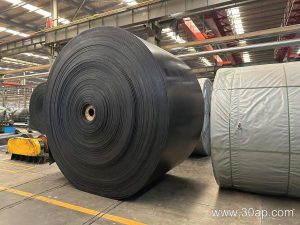
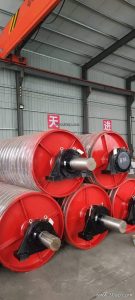
A terminal conveyor pulley is the drum at the head or tail end of a belt conveyor that redirects the belt and transfers tension to the conveyor structure. In many bulk handling circuits it serves as the head pulley, discharging material from the belt, or as the tail pulley, guiding the belt as it returns to the carrying side. This component is distinct from drive, tail, and bend pulleys, which perform different functions and are not interchangeable. The terminal pulley works together with the conveyor belt, idler rollers, and conveyor brackets to keep the belt tracking and the system running smoothly.
Industries such as quarrying, limestone mining, cement plants, power stations, and aggregate lines rely on well-matched terminal pulleys to maintain belt alignment and reduce wear. For example, at a quarry conveyor transfer point, the terminal pulley must handle abrasive rock and dust while keeping the belt centered.
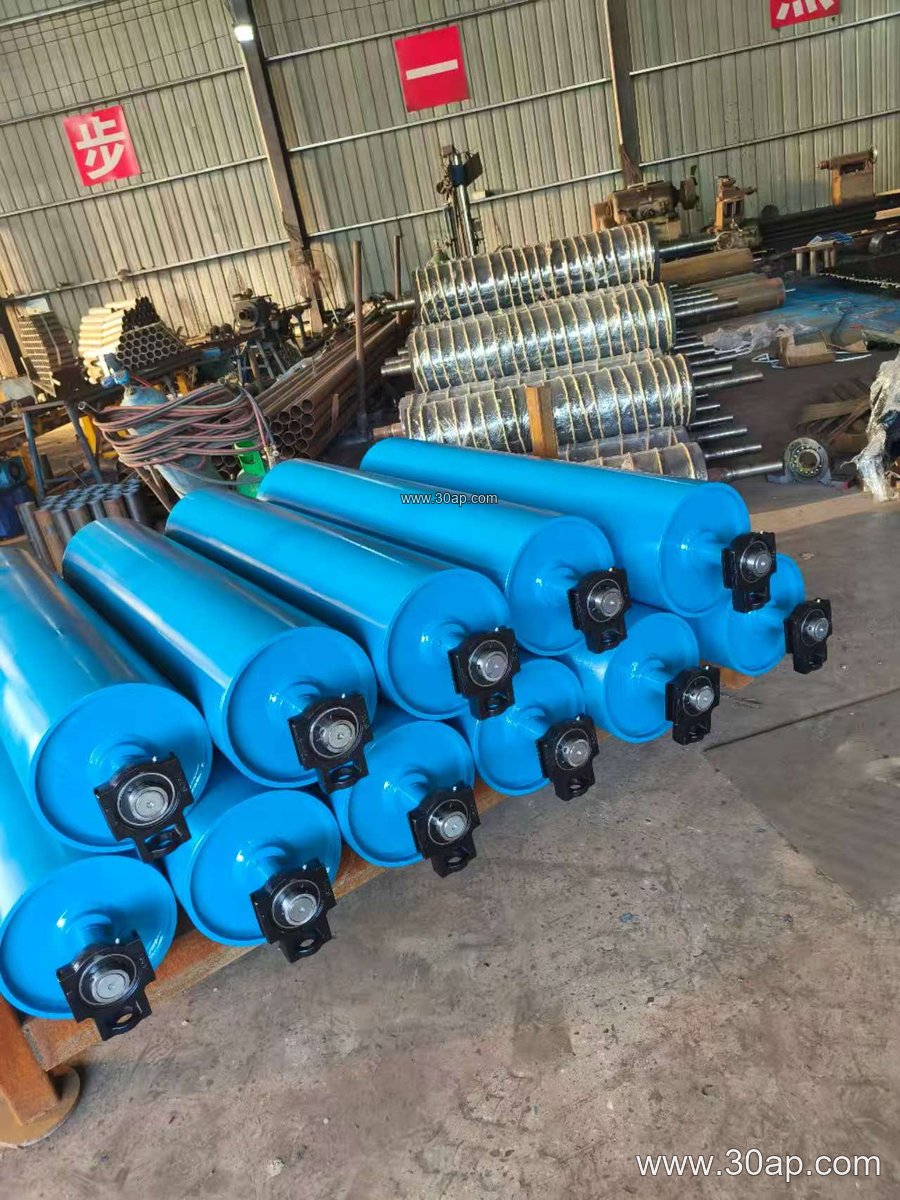
Construction and Key Components
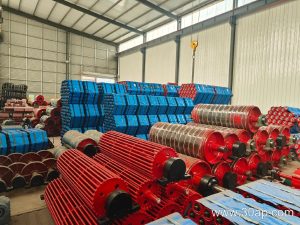
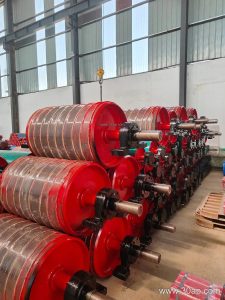
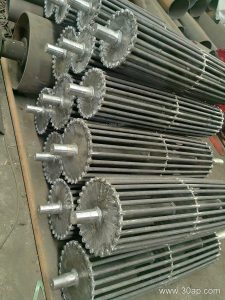
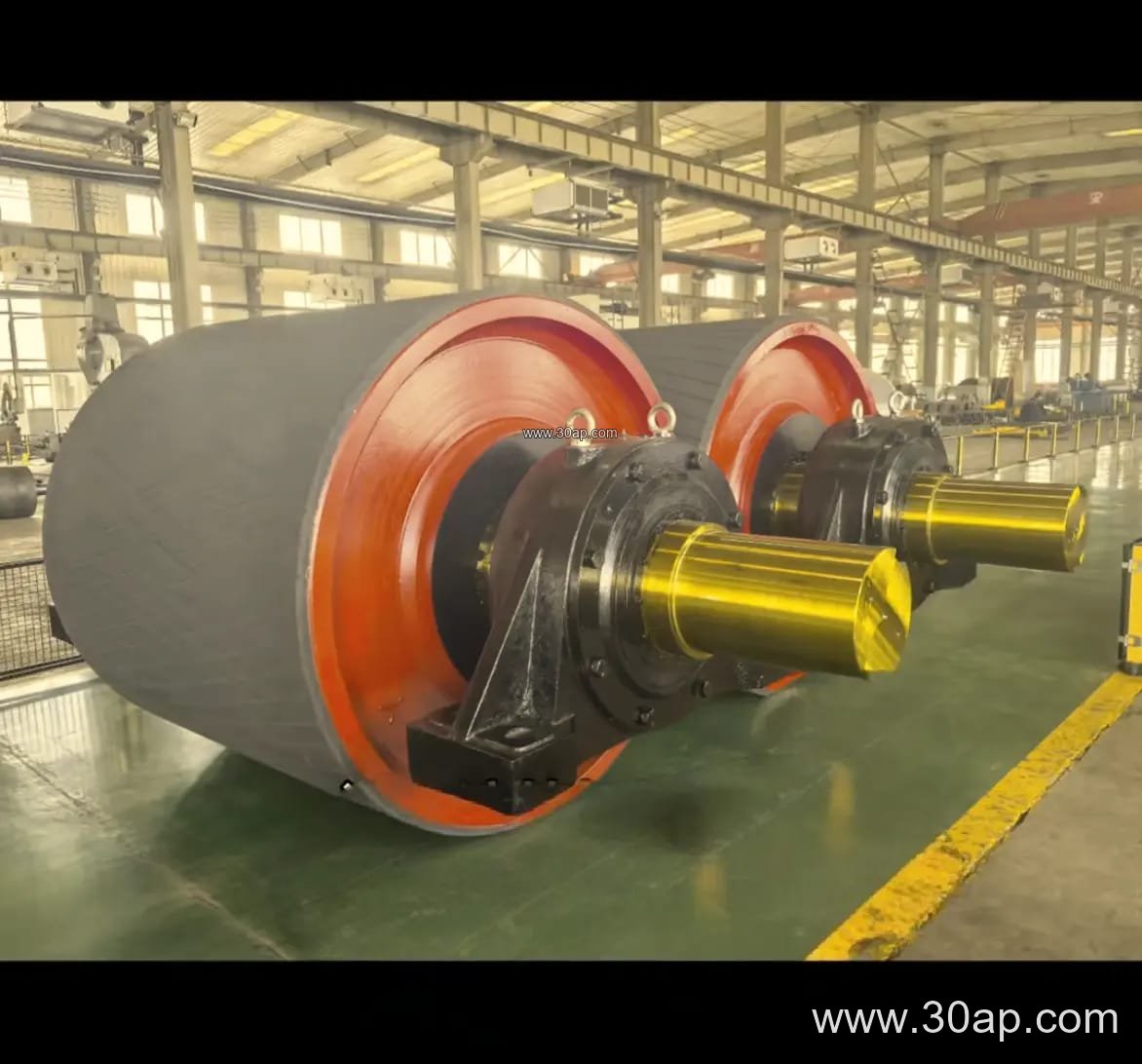
A terminal conveyor pulley typically consists of a cylindrical shell, end discs, a shaft, and bearing assemblies. The shell may be machined from steel or fabricated, and the surface can be plain or covered with rubber lagging. Lagging options include hot vulcanized rubber, cold-bonded rubber, diamond grooving, and ceramic tiles. Common lagging thicknesses are 8 mm, 10 mm, 12 mm, 15 mm, and 20 mm, selected according to the material and belt speed.
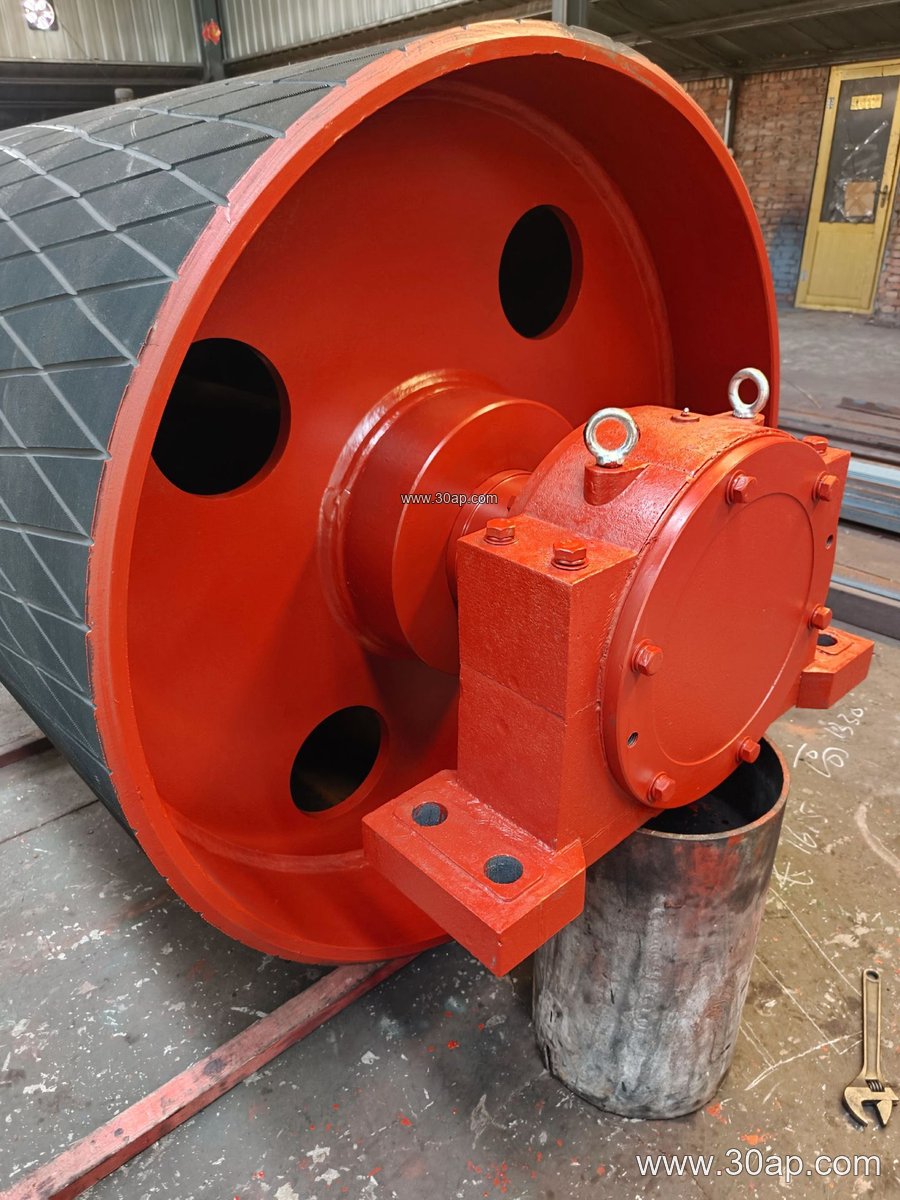
The shaft diameter is determined by torque and load, not by belt width alone. Typical shaft sizes range from Ø50 to Ø200 mm, with larger diameters for higher tension applications. The pulley face width is usually wider than the belt to accommodate misalignment; for instance, a B800 belt often uses a pulley face around 950 mm, while a B1200 belt may use about 1400 mm. These are common references, not fixed rules.
Where It Fits in the Conveyor System
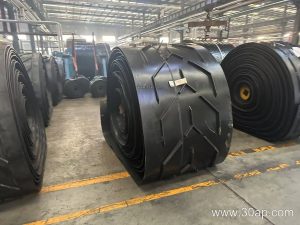
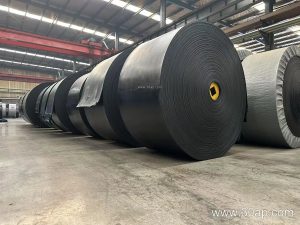
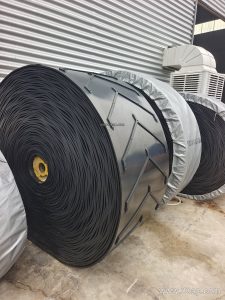
Terminal pulleys are installed at the head or tail of a conveyor. At the head, the pulley often acts as the discharge point and may be lagged to improve grip. At the tail, it guides the belt and can be part of a tensioning arrangement. In a coal mining conveyor, a flame retardant conveyor belt is often used, and the terminal pulley must be compatible with the belt’s cover compound. In a cement plant, heat resistant conveyor belt may be present near kilns, requiring the pulley to withstand elevated temperatures.
Proper alignment with idler rollers and conveyor brackets is critical. Misalignment can cause belt edge damage and premature pulley wear. Regular inspection of lagging and bearings helps prevent unplanned downtime.
Selection and Sizing Considerations
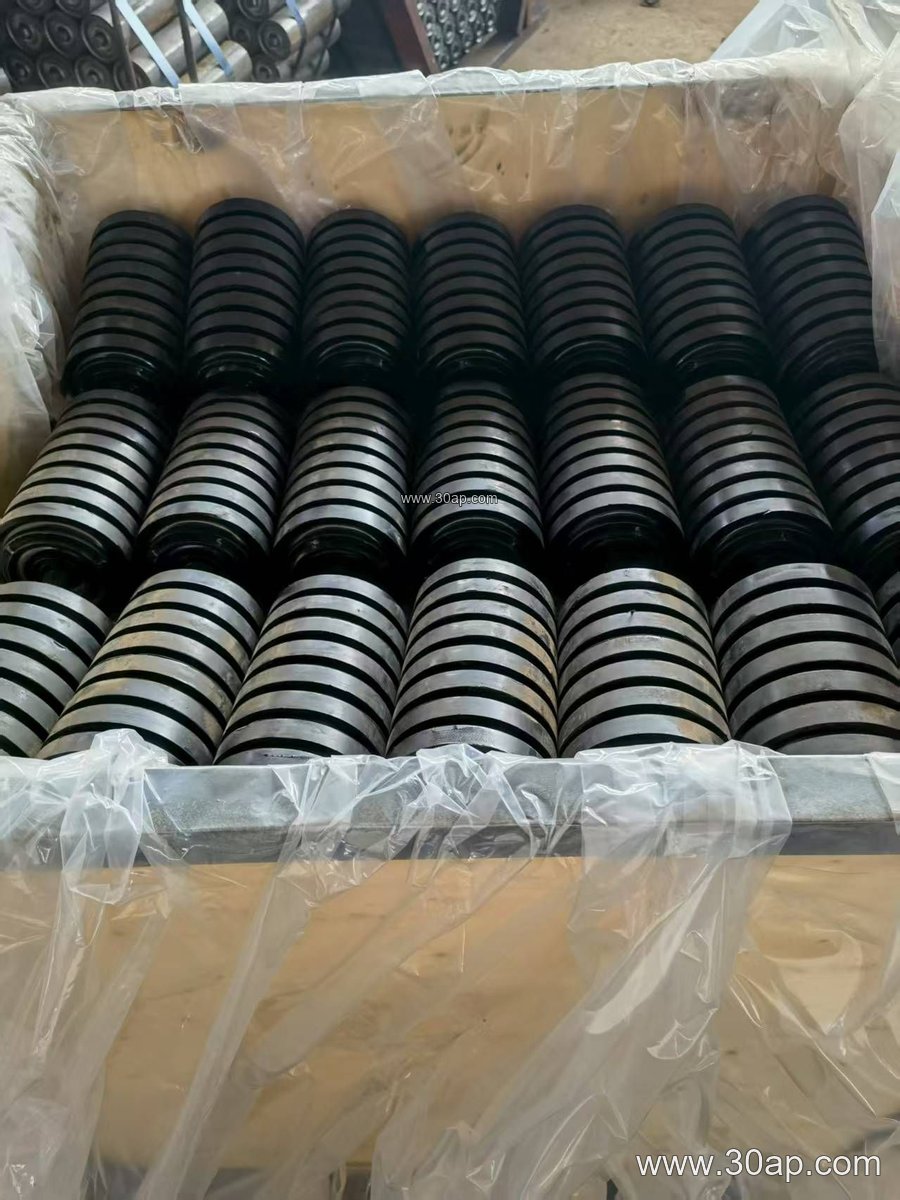
Buyers should consider belt width, belt type, load, and environment. For a heavy-duty mining conveyor belt such as an EP400 or ST2000, the terminal pulley needs sufficient shell thickness and bearing capacity. The table below lists common reference combinations; actual sizes are determined by design.
| Belt Width (mm) | Typical Pulley Face (mm) | Common Diameter Range (mm) |
|---|---|---|
| B500 | 600 | Ø250–Ø400 |
| B800 | 950 | Ø315–Ø630 |
| B1200 | 1400 | Ø500–Ø1000 |
| B1600 | 1800 | Ø630–Ø1250 |
Surface choice matters: diamond lagging improves traction in wet conditions, while ceramic lagging suits high-abrasion environments like iron ore or copper ore handling. For a pipe conveyor belt, the terminal pulley must match the belt’s tubular shape and tension requirements.
Maintenance and Operational Notes
Inspect lagging for wear and replace when grooves or tiles are damaged. Check bearing lubrication and shaft alignment regularly. Keep the pulley clean from material buildup, especially in fertilizer or grain handling where buildup can cause tracking issues. In cold climates, cold resistant conveyor belt may be used, and the pulley should be checked for ice accumulation.
For reliable performance, match the terminal conveyor pulley to the conveyor belt specification and the overall system design. Whether in a coal mining conveyor belt system or a quarry conveyor belt line, the right pulley helps maintain efficiency and extend component life.