What a Heavy-Duty Ceramic Lagged Pulley Is
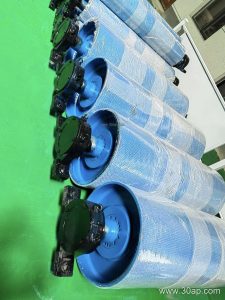
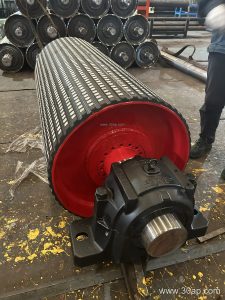
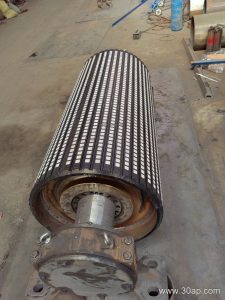
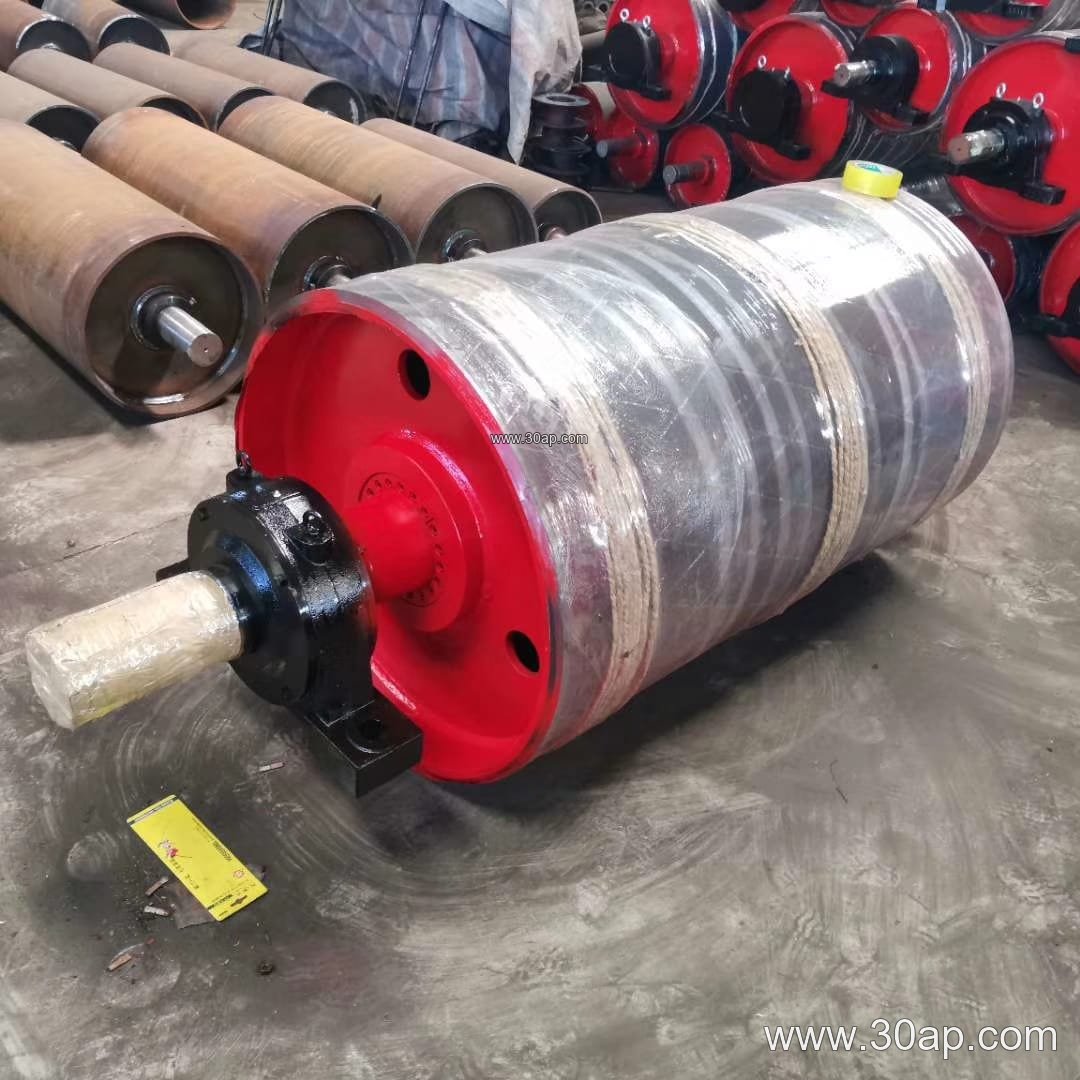
A heavy-duty ceramic lagged pulley is a conveyor pulley whose shell is covered with ceramic tiles set in a tough rubber or epoxy matrix. This ceramic lagging is designed for the toughest drive positions, where grip and wear life matter most. Unlike standard rubber lagging, the ceramic chips provide a hard, abrasive-resistant surface that bites into the conveyor belt without slipping, even in wet or muddy conditions. In a typical bulk handling plant, you will find this pulley as the drive pulley at the head of the conveyor, pulling the belt through its circuit. It is not a tail pulley or a bend pulley; those serve different roles and are not interchangeable with the drive pulley.
Construction and Key Components
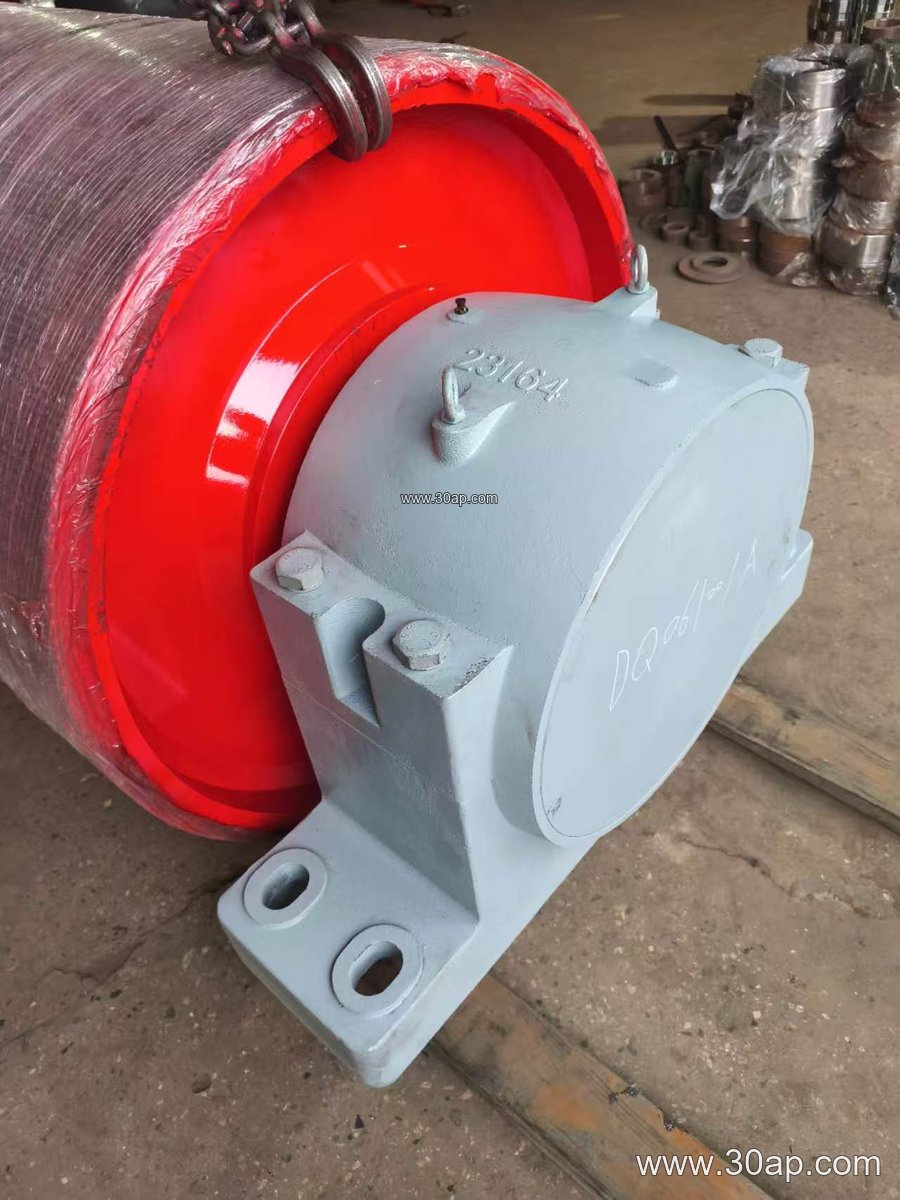
The pulley body is usually a welded steel drum with a machined face. The ceramic lagging is applied in tiles, often 8 to 20 mm thick, bonded to the drum with a high-strength adhesive. The tiles are arranged in a pattern that improves friction and sheds water. Common surface forms include flat ceramic tiles and diamond-pattern ceramic tiles. The pulley is fitted with a shaft, hubs, and bearing housings. Shaft diameters are typically Ø50 to Ø200 mm, selected by torque and load, not by belt width alone. The pulley face width is usually slightly wider than the belt; for example, a B1200 belt might use a pulley face around 1400 mm. Diameters range from Ø200 to Ø1800 mm depending on the application. For a heavy-duty drive, diameters such as Ø800 or Ø1000 mm are common when high tension and thick belts are involved.
Where It Fits in the Conveyor
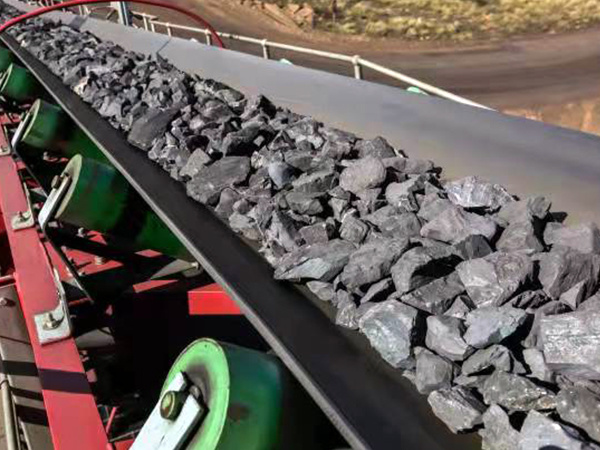
This ceramic lagged pulley is most often used as the drive pulley in abrasive and high-tension applications. In a quarry or aggregate line, it drives the main belt that carries crushed stone. In a coal mining operation, it may be the head pulley on a underground mining conveyor belt that hauls coal to the surface. In a cement plant, it drives the raw material or clinker belt, where dust and fines are constant. The ceramic surface resists the polishing effect of fine abrasives and keeps the belt from slipping under load. A tail pulley or a bend pulley would not need this level of grip; they are guide or tensioning pulleys, not the main driving unit.
Matching the Pulley to the Belt
Selecting a heavy-duty ceramic lagged pulley starts with the conveyor belt it will drive. A heavy-duty conveyor belt, such as an EP conveyor belt or a steel cord conveyor belt, requires a drive pulley with enough friction to transmit the torque without slip. For high-abrasion materials like iron ore or copper ore, the ceramic lagging extends service life compared to plain rubber. If the belt is a flame retardant conveyor belt for underground coal mining, the pulley lagging should be compatible with the belt’s static and fire safety requirements. The belt width and pulley diameter are matched by design; there is no fixed rule that one belt width only fits one diameter. For instance, a B800 belt might run on a Ø500 pulley in a short conveyor but a Ø630 or Ø800 pulley in a long, high-tension drive. The shaft diameter is determined by the torque and radial load, not simply by the belt width.
Buyer Checklist
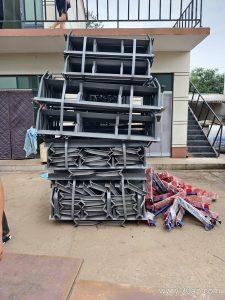
Before ordering, confirm the pulley position: drive, tail, bend, or take-up. This article concerns the drive pulley with ceramic lagging; other positions use different lagging or no lagging. Check the belt width, the required diameter, the shaft size, and the lagging thickness. Common lagging thicknesses are 8, 10, 12, 15, and 20 mm. Ask for the ceramic tile pattern and the bonding method. Verify that the pulley face width exceeds the belt width by a suitable margin. Also consider the conveyor bracket and bearing assembly to ensure proper fit. For high-wear applications, a ceramic lagged pulley is a practical choice for the main drive, while a rubber lagged pulley may be sufficient for a bend or tail position. Keep spare ceramic tiles and adhesive on hand for maintenance, and inspect the lagging regularly for cracked or missing tiles.