What a Metallurgical Conveyor Idler Does on the Line
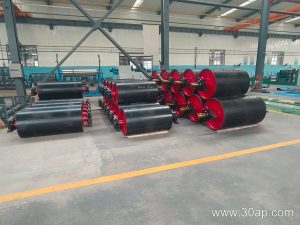
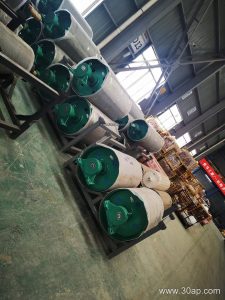
A metallurgical conveyor idler is the rolling support that carries the conveyor belt and its load along the carrying and return runs in metallurgical plants and adjacent bulk handling operations. In sinter plants, steel mills, coke yards and ore preparation buildings, this idler roller has to keep a loaded belt tracking steadily while dust, heat and abrasive fines work against the bearings and shell. The same component appears under different names in procurement documents, but a metallurgical conveyor idler is a single product family, not a substitute for a drive pulley, a tail pulley or a bend pulley. Those pulleys transmit power or change belt direction, while the idler only supports and guides the belt.
Construction Details That Matter in a Steel Plant
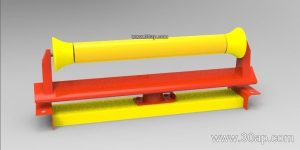
A typical unit is built from a steel tube shell, a shaft, bearing housings and a multi-stage seal. The shell may be plain steel, nylon-coated, ceramic-covered or fitted with rubber rings, depending on whether the concern is abrasion, material buildup or impact. Bearings such as 6204, 6205, 6305, 6306, 6308 and 6310 are common, but no single bearing is tied to one roller diameter. Roller diameters usually range from about Ø63 up to Ø219, and the choice depends on belt speed, load and the space available in the conveyor bracket.
- Shell material and surface form affect wear life and material carryback.
- Sealing arrangement decides how long the bearing survives in dusty sinter or coke service.
- Shaft and bearing housing design must suit the conveyor bracket and frame dimensions.
- Roll length follows belt width, trough angle and the idler set configuration.
Where the Idler Fits in Metallurgical Handling
In a sinter plant or steel works, the carrying run often uses three-roll troughing sets at 20, 30, 35 or 45 degrees. A 35-degree trough is common on medium-width belts, while wider belts may use a different angle to keep the load centered. Transition idlers sit near the head and tail to ease the belt from flat to troughed profile. On the return side, flat or V-return rollers support the empty belt, and impact idlers with rubber rings are placed under transfer chutes where ore or sinter drops onto the belt.
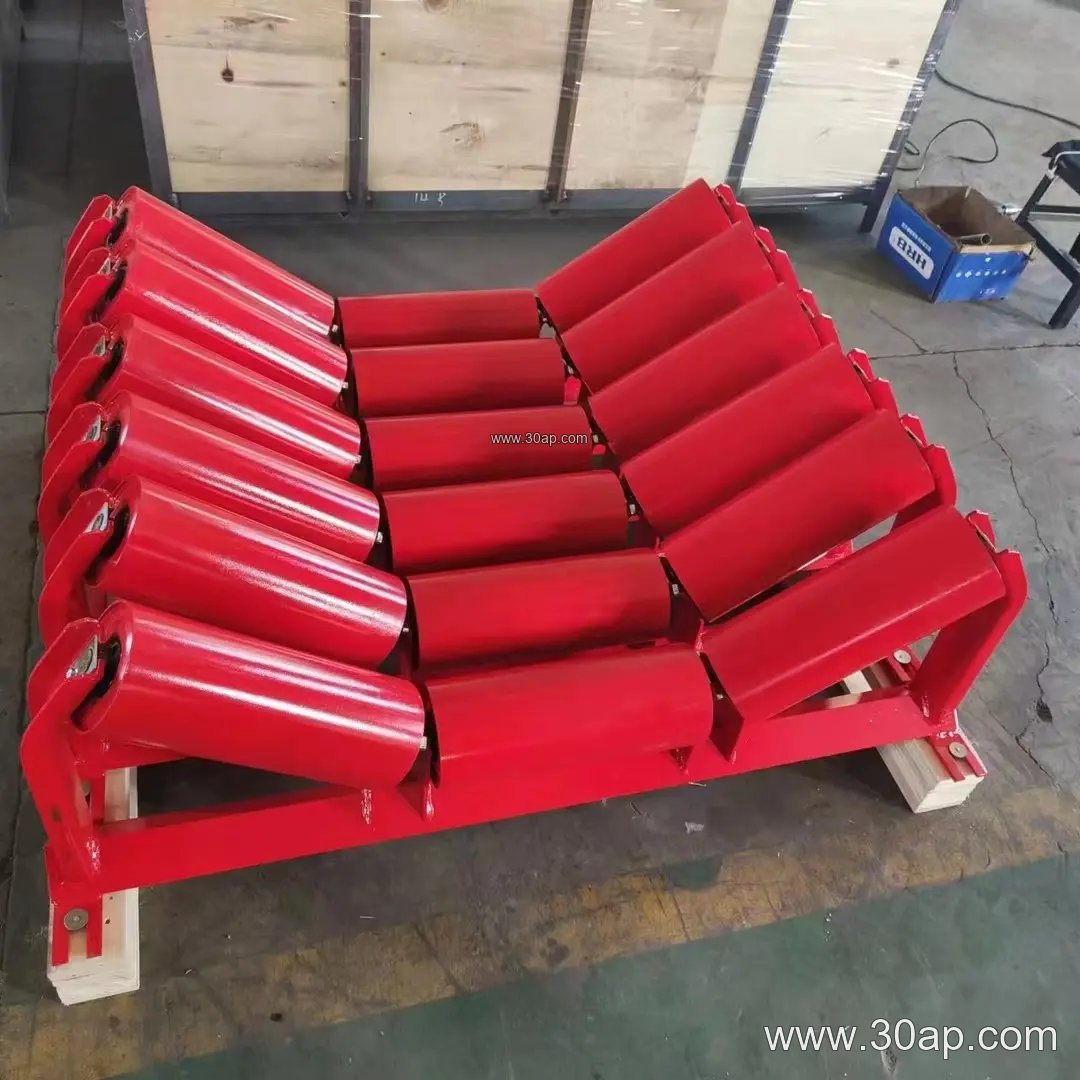
Similar arrangements appear in cement plants, coal preparation, power plant coal yards and quarry crushing circuits. A heavy-duty mining conveyor belt carrying iron ore or copper ore needs stable support, and a heat resistant conveyor belt in a sinter or clinker area needs idlers that do not add unnecessary friction. The idler itself does not control belt temperature, but its bearing and seal quality influence how smoothly the belt runs.
Reading Roller Diameter and Belt Width Together
Buyers often ask how roller diameter relates to belt width. The two are linked through load, speed and frame design, not through a fixed table. A 500mm or 650mm conveyor belt may use smaller rollers, while a 1200mm or 1400mm belt usually needs larger diameters and longer rolls. The following examples are common reference values, not mandatory combinations.
| Belt width (common example) | Approximate roll length for a three-roll troughing set | Typical roller diameter range |
|---|---|---|
| B500 | about 200 mm | Ø63 to Ø89 |
| B650 | about 250 mm | Ø76 to Ø108 |
| B800 | about 315 mm | Ø89 to Ø133 |
| B1000 | about 380 mm | Ø102 to Ø159 |
| B1200 | about 465 mm | Ø108 to Ø178 |
| B1400 | about 530 mm | Ø127 to Ø194 |
| B1600 | about 600 mm | Ø133 to Ø219 |
Side rollers and center rollers can differ in length, and the trough angle changes the geometry. A 45-degree set on a narrow belt is not the same as a 20-degree set on a wide belt, even when the belt width matches. For a plant using an EP conveyor belt or a steel cord conveyor belt, the idler spacing and load rating should be checked against the belt tension and the material weight.
Buyer Checklist Before Ordering
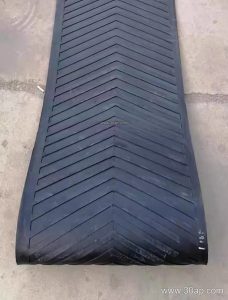
Start with the belt width and the existing bracket dimensions, then confirm the roller diameter, shell length and shaft end type. Ask whether the duty is carrying, return, transition, impact or self-aligning, because a friction self-aligning idler and a plain troughing idler serve different positions. Check the seal class for dusty or wet conditions, and confirm the surface form if sticky material is a problem. Spare parts should match the original mounting, so a replacement idler roller does not force frame modification. For plants running chevron conveyor belt or corrugated sidewall belt, confirm clearance around the idler and the pulley before changing roller size.
Finally, keep the specification sheet simple: belt width, trough angle, roller diameter, roll length, bearing size, shell type and quantity. A clear list prevents the common mistake of ordering a pulley when an idler was needed, or mixing return and carrying positions. More conveyor component references can be reviewed at ppfindustrial.com/metallurgical-conveyor-idler before finalizing a purchase list.