What a Rubber Impact Idler Does at the Loading Point
A rubber impact idler is a conveyor idler roller built with rubber rings or a rubber-covered shell and installed at the loading zone where material drops onto the conveyor belt. Its main job is to absorb the impact energy of falling rock, ore, clinker or aggregate before that energy reaches the belt carcass and the frame. In a quarry conveyor line or a coal mining conveyor transfer point, the difference between a standard steel idler and a rubber impact idler is often measured in belt life rather than in idler life alone.
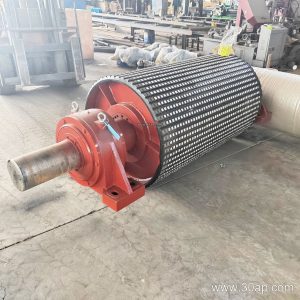
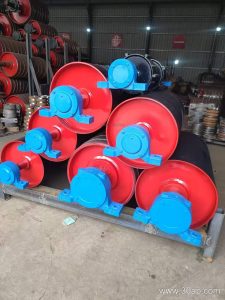
The product is also called a rubber ring impact idler or rubber disc impact roller. Those names describe the same item and are used interchangeably in catalogs, but they do not describe a training idler, a return idler or a conveyor pulley. A drive pulley, tail pulley and bend pulley are different components with different duties, and none of them should be specified as a substitute for a rubber impact idler.
How the Rubber Impact Idler Is Built
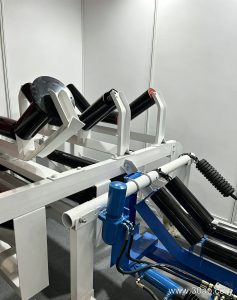
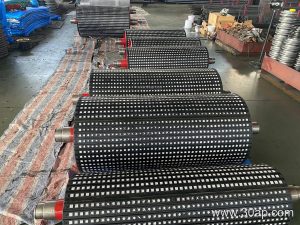
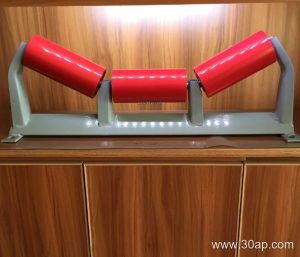
The typical construction starts with a steel tube shell, a through shaft, and sealed bearing housings at both ends. Rubber rings, usually molded from abrasion resistant rubber, are fitted over the shell in a closely spaced pattern. In some designs the rings are separate discs; in others the rubber is bonded to the shell as a sleeve. The rubber layer cushions the fall of material and reduces the shock load transmitted to the bearings and the conveyor bracket.
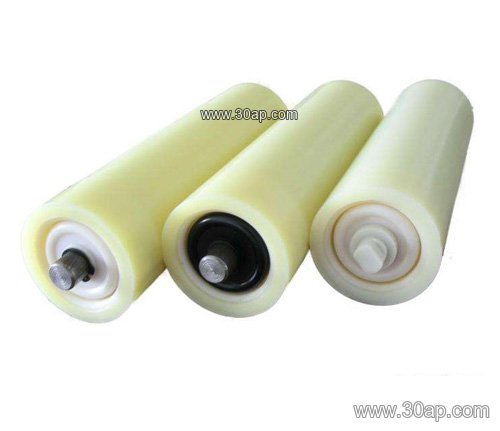
Bearing selection follows the load and speed of the conveyor, not the belt width alone. Common bearing sizes include 6204, 6205, 6305, 6306, 6308 and 6310, and the same bearing may be used across several roller diameters depending on the duty. Sealing is important in dusty locations such as a cement plant or a crushing and screening plant, because fine grit that reaches the bearing will shorten service life regardless of the rubber quality.
Where It Fits on the Conveyor
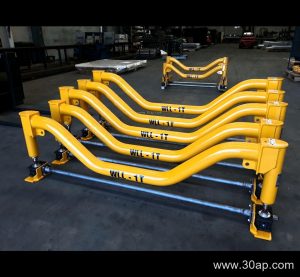
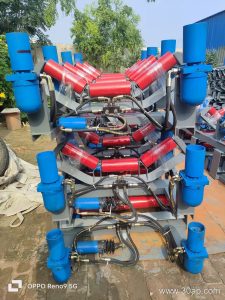
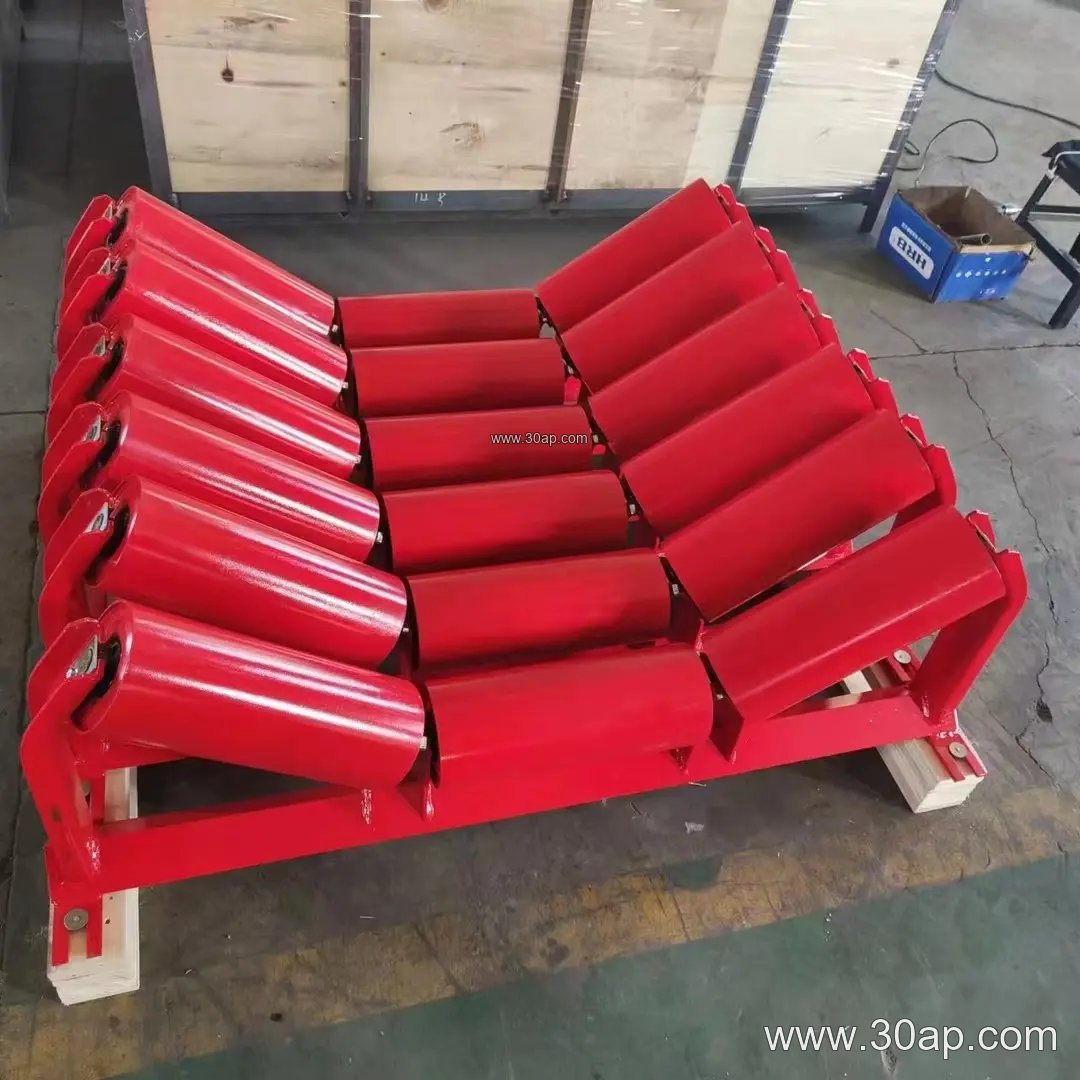
Impact idlers are placed under the belt at the transfer chute, ahead of the first standard carrying idler. In a three-roll troughing set, the center roll takes most of the direct hit, so the impact idler is often specified as a three-roll set with rubber rings on all rolls or on the center roll. The trough angle may be 20, 30, 35 or 45 degrees, and the roll length is set by belt width, trough angle and frame design. For example, a three-roll troughing set on a B800 belt commonly uses a roll length around 315 mm, while a B1200 set commonly uses about 465 mm; side rolls and center rolls can differ, so these are examples rather than fixed matches.
Common roll diameters for impact idlers include Ø89, Ø102, Ø108, Ø127, Ø133, Ø159 and Ø178 mm. Larger diameters are chosen when lump size and drop height are significant. Belt widths from B400 up to B2400 are used across bulk handling, but no single width dictates one roll diameter, and the final selection should follow the conveyor design.
Applications in Bulk Handling
In a limestone quarry or an iron ore transfer station, the rubber impact idler protects an abrasion resistant conveyor belt from sharp, heavy lumps. In a coal mining conveyor or a power plant coal handling system, flame retardant and anti-static properties of the belt are critical, and the impact idler should be compatible with that environment. A cement plant uses impact idlers under clinker and limestone drops, while a sand and gravel line uses them where screened stone falls from a chute. The same component is found in ship loading, port conveyor systems and tunnel spoil removal.
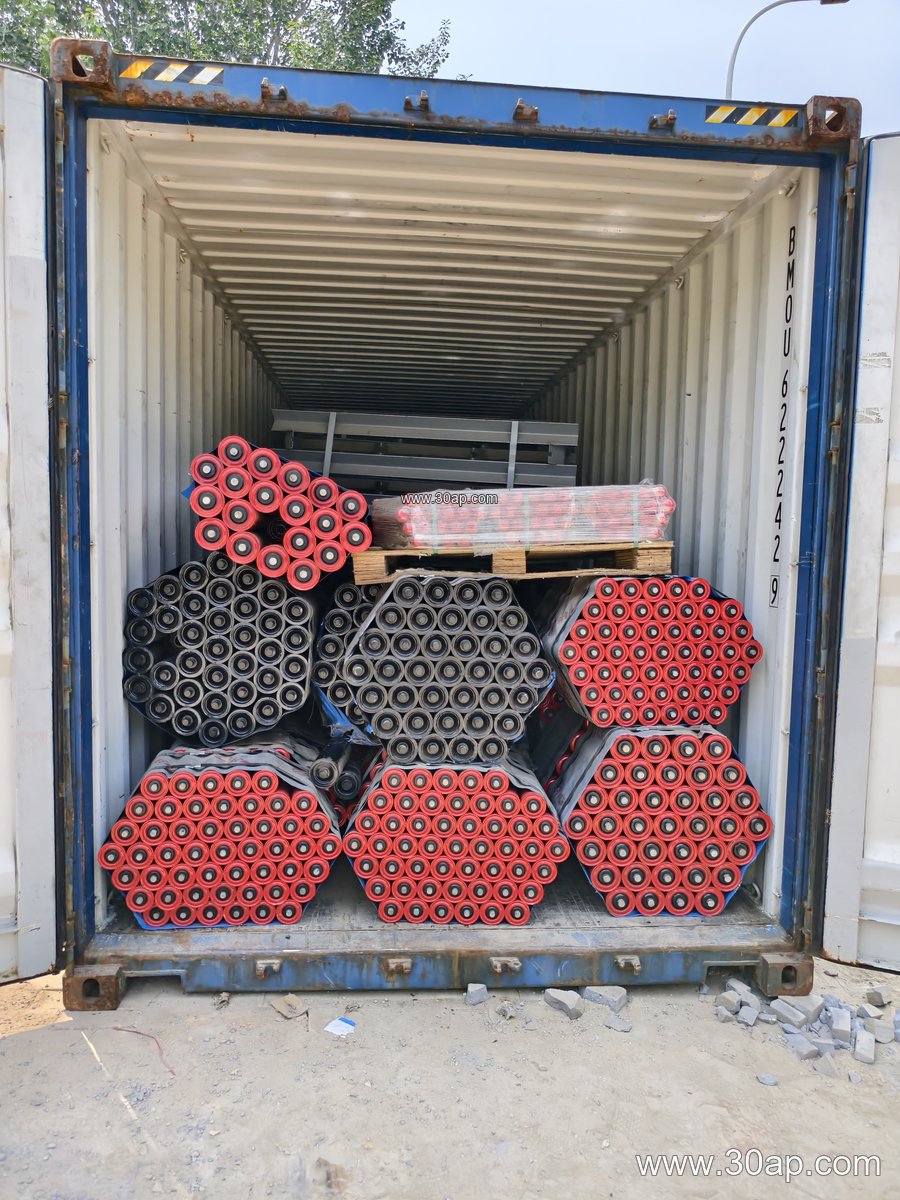
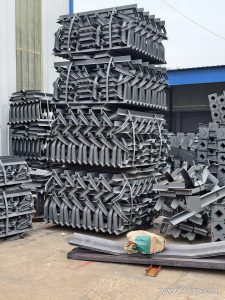
The idler works together with the conveyor belt, the conveyor pulley at the head end, and the conveyor bracket that holds the idler frame. A heavy-duty mining conveyor belt with a strong carcass, such as a steel cord conveyor belt or a multi-ply fabric core conveyor belt, may tolerate impact better than a light fabric belt, but the impact idler still reduces point loading and extends belt cover life.
Selection and Maintenance Notes for Buyers
Buyers should confirm the belt width, trough angle, roll diameter, roll length, shaft diameter and bearing size before ordering. The shaft diameter is a design value and should not be guessed from belt width alone. Rubber hardness and ring thickness matter in high-drop applications, and the idler frame should match the existing conveyor bracket spacing. During operation, check for worn or missing rubber rings, seized bearings and material buildup. Replacing worn impact idlers early is cheaper than replacing a damaged conveyor belt.
For a reliable match, share the conveyor layout, material lump size and drop height with the supplier. The rubber impact idler is a small part of the conveyor, but at the loading point it is often the part that decides how long the belt lasts.