What the Ø89 Rubber Disc Idler Is
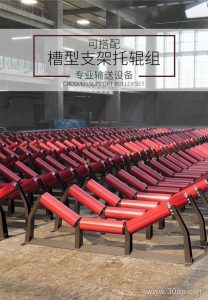
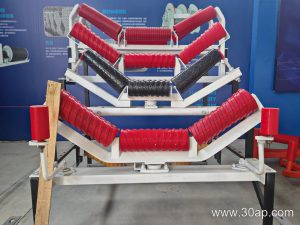
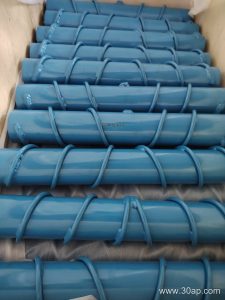
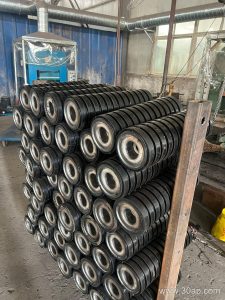
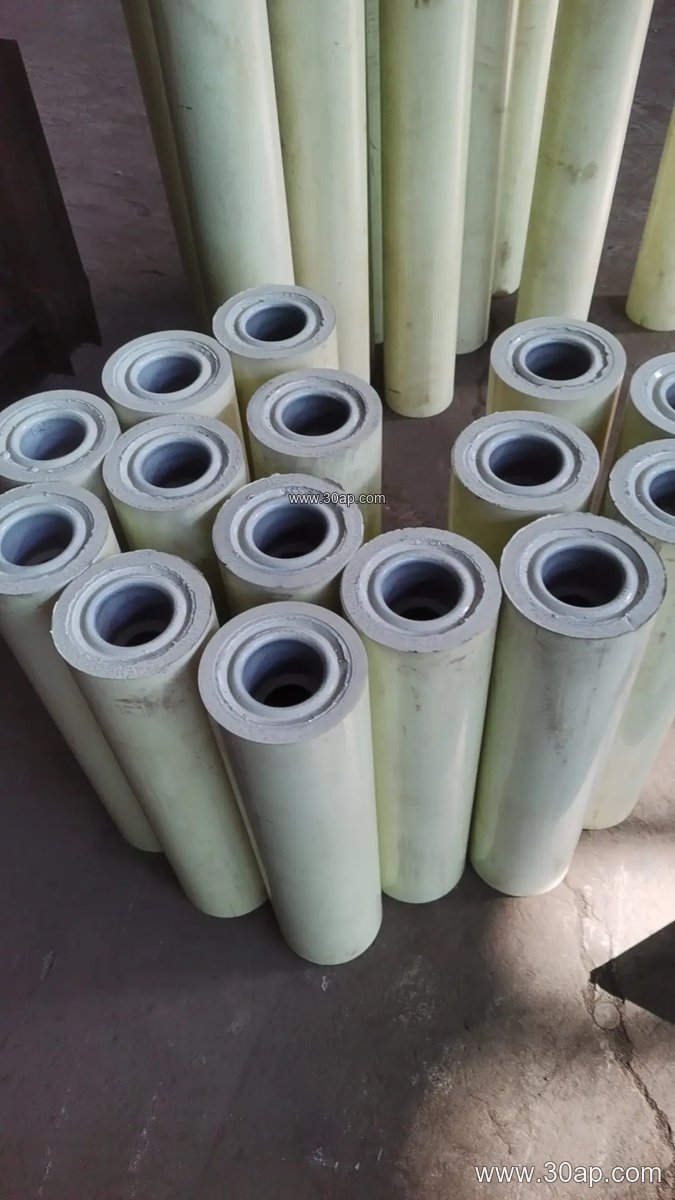
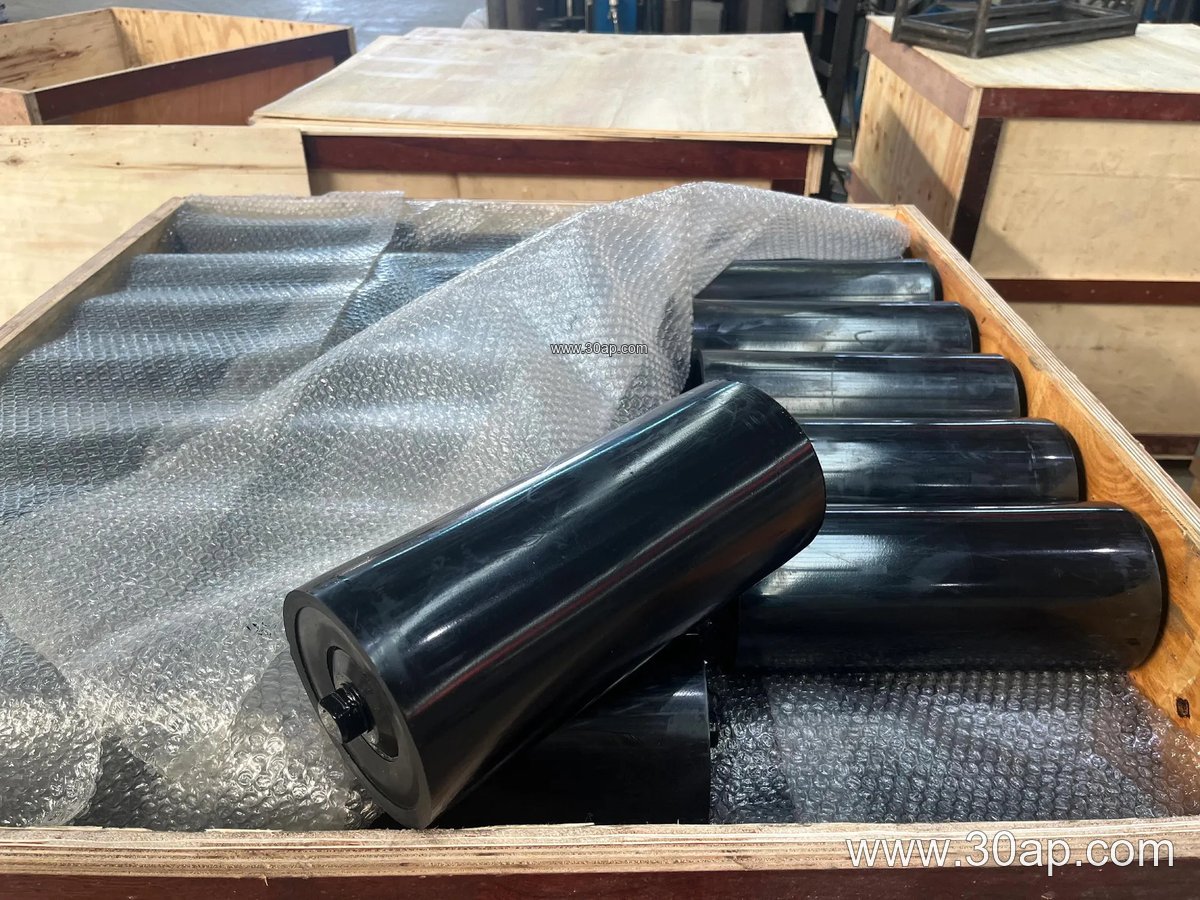
A Ø89 Rubber Disc Idler is a conveyor idler roller built on an 89 mm diameter shell and fitted with a series of rubber discs along its face. The rubber discs sit side by side like a stack of resilient rings, giving the roller a soft, cushioning surface instead of a bare steel tube. In a conveyor line the idler roller supports the conveyor belt and the material riding on it, and the rubber disc version is usually chosen where impact, vibration or sticky material would wear out a plain steel roll too quickly. It is often described simply as a rubber disc roller or rubber ring idler, and the Ø89 size is one of the common diameters in light to medium conveyor duty.
How the Roller Is Built
The core of the idler is a steel tube of about 89 mm outside diameter. Rubber discs are pressed onto the tube, spaced at intervals, and held in place by end plates or locking rings. Inside the tube, a shaft runs through bearing housings at each end, with seals protecting the bearing cavity from dust and water. Common bearing sizes for this class of idler include 6204, 6205 and 6305, though the exact bearing is matched to the load and shaft design rather than fixed by diameter alone. The rubber compound is normally chosen for abrasion resistance and rebound, and some designs use a grooved or profiled disc to shed fines.
Where It Fits on the Conveyor
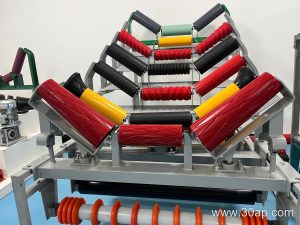
The rubber disc idler is most often used in the impact zone under the loading point, where lumps of rock, ore or clinker drop onto the belt. It also appears in transition sections and on the carrying side where the belt needs cushioning. A quarry conveyor belt handling blasted stone, a crusher conveyor belt receiving primary feed, or a cement plant belt carrying clinker all present the kind of shock loading that suits a rubber disc roller. In a coal mining conveyor belt or a power plant coal conveyor belt, the same roller can reduce belt damage at transfer points. It is not a replacement for a drive pulley, tail pulley or bend pulley; those are conveyor pulleys that transmit power and change belt direction, while the idler roller only supports the belt.
Specification Points Buyers Should Check
The Ø89 diameter is only one number. Buyers should confirm the roller length, which follows belt width, trough angle and idler arrangement. For a three-roll troughing set, common roll lengths are roughly 200 mm for B500, 250 mm for B650, 315 mm for B800, 380 mm for B1000, 465 mm for B1200 and 530 mm for B1400. These are typical examples, not fixed pairings, and the side rolls of a troughing set can differ from the centre roll. The table below sums up the main reference values.
| Parameter | Common reference | Notes |
|---|---|---|
| Roller diameter | Ø89 mm | Other diameters exist in the same family |
| Belt width | B500 to B1400 | Wider belts use larger rollers and longer shafts |
| Trough angle | 20, 30, 35, 45 degrees | Affects roll length and material profile |
| Bearing | 6204, 6205, 6305 | Selected by load, not by diameter alone |
| Disc material | Rubber compound | Abrasion and impact resistance |
| Surface form | Stacked rubber discs | Spacing and profile vary by design |
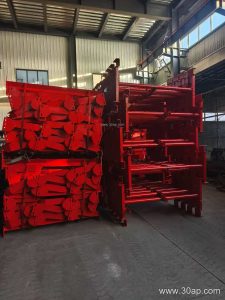
It is worth asking whether the roller is intended for the carrying side or the return side, and whether it will be mounted in a fixed conveyor bracket or a self-aligning frame. Sealing quality matters in wet or dusty plants, and the shaft end must match the bracket slot. A buyer should also check that the rubber discs are firmly bonded and that the end caps are properly sealed.
Applications Across Industries
In a limestone quarry or sand and aggregate line, the Ø89 rubber disc idler often sits under the primary feed and along transfer chutes. In an iron ore or copper ore handling circuit, it cushions the belt where ore drops from one conveyor to the next. In a coal preparation plant or a port ship loading conveyor, the rubber surface helps absorb shock and reduces spillage around the load point. The roller also suits bulk material conveyor belts carrying fertilizer, grain or recycled aggregate where a softer contact face is preferred. Where the belt itself carries a chevron conveyor belt or a corrugated sidewall conveyor belt, the idler should be checked for clearance so the cleats or sidewalls do not rub the discs.
Selection and Maintenance Notes
Match the idler to the belt speed, the lump size and the expected load. A rubber disc roller is not automatically better than a steel roll everywhere; on a long overland run with fine material, a standard troughing idler may be more economical. Inspect the discs for cracking, check that the roller turns freely, and confirm the bearing seals are intact. Replacing a worn roller early protects the conveyor belt and avoids downtime in a mine, cement works or power station. Buyers who need the full conveyor package can pair the idler with the right conveyor pulley and conveyor bracket for their frame, and should request the roller drawing before ordering.