What a 1400mm Conveyor Belt Is
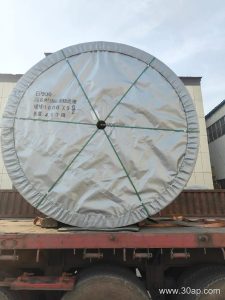
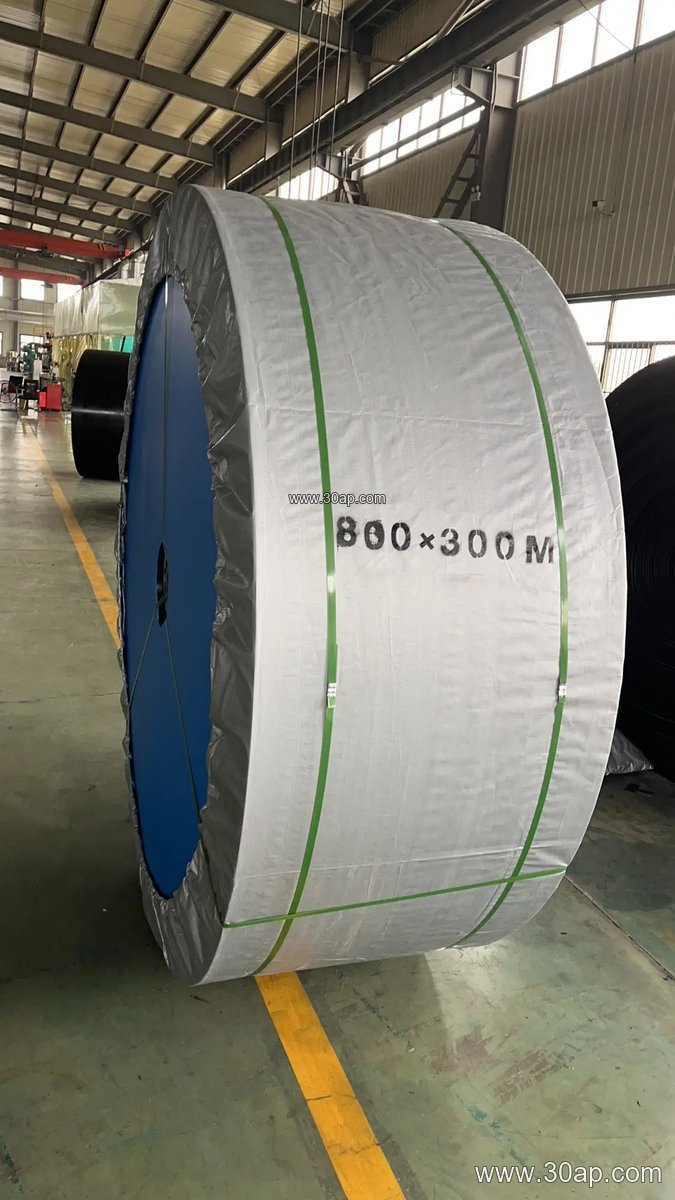
A 1400mm conveyor belt is a wide belt built for conveying lines that need more material across the belt surface than a 1000mm or 1200mm belt can handle. In practice, the 1400mm figure refers to the belt width, and the same product is often called a B1400 conveyor belt or a 1400mm wide conveyor belt. It sits in the wide belt range, above the common B1200 size and below B1600, and it is frequently chosen for main haulage lines in mines, quarries, cement plants, power stations and bulk terminals.
Width alone does not define the belt. A buyer should think of this as a complete specification: width, carcass type, strength grade, cover rubber, and any special surface form. A 1400mm belt might be a fabric core belt, a steel cord belt, or a special-purpose belt for heat, oil or flame resistance.
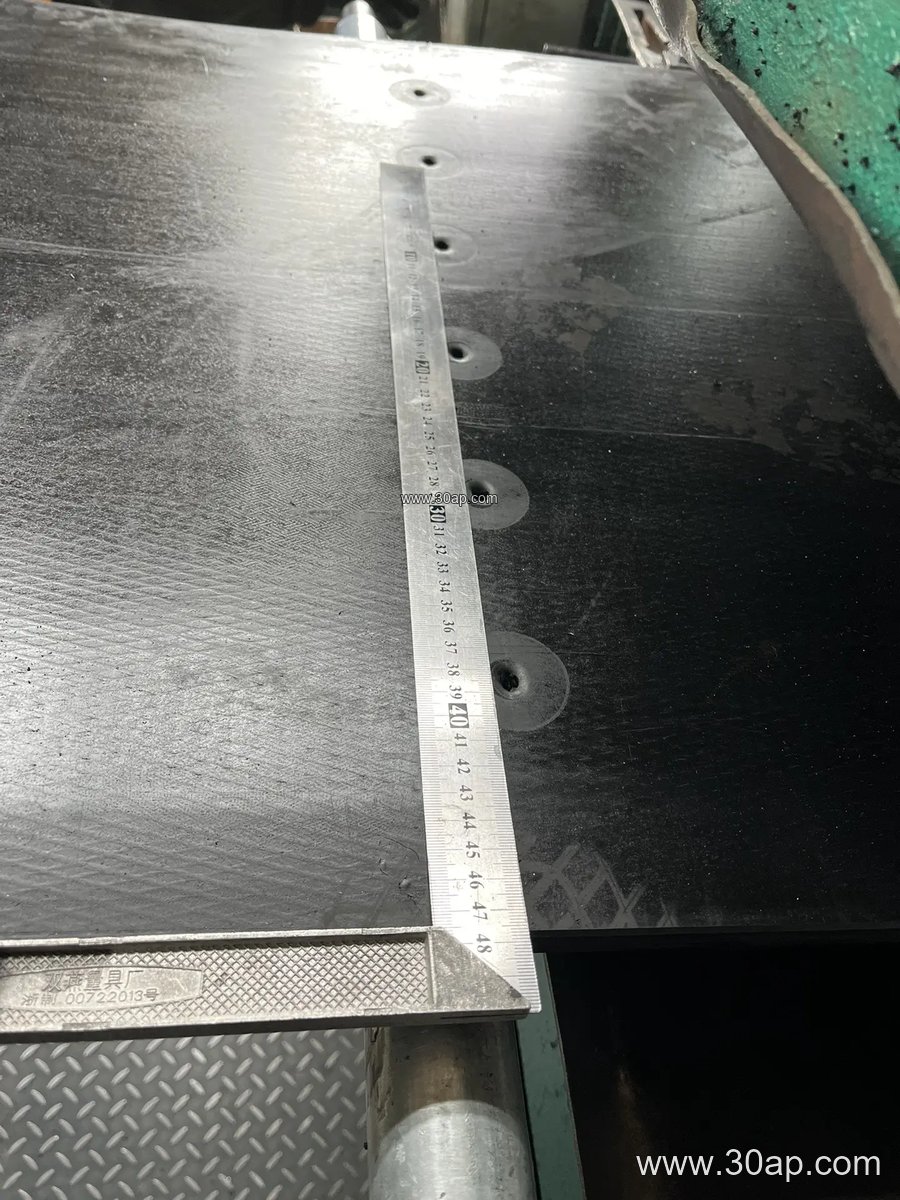
Construction and Common Specifications
Most 1400mm belts use either a fabric carcass or a steel cord carcass. Fabric core belts are usually described by ply count and strength grade, while steel cord belts are described by cord strength. Cover rubber is specified as top cover plus bottom cover thickness. The table below shows typical reference values, not fixed supply promises.
| Item | Common Reference Values |
|---|---|
| Belt width | 1400mm (B1400) |
| Fabric core types | EP conveyor belt, NN conveyor belt, multi-ply fabric core |
| EP strength grades | EP200, EP315, EP400, EP500, EP630, EP800, EP1000, EP1250, EP1600 |
| NN strength grades | NN100, NN200, NN300, NN400 |
| Steel cord grades | ST1000, ST1250, ST1600, ST2000, ST2500 |
| Cover rubber | 3+1.5, 4+2, 5+2, 6+2, 8+3 mm |
| Carcass plies | Usually 2 to 6 layers for fabric core |
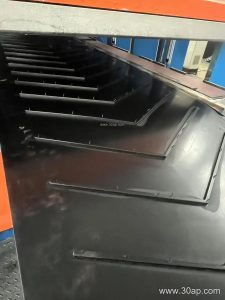
Surface forms matter too. A chevron conveyor belt or corrugated sidewall belt can be supplied in this width for inclined sections, while a skirted belt helps contain material at transfer points. For underground coal work, PVG conveyor belt grades such as PVG800 and PVG800S are common, and a flame retardant conveyor belt or anti-static belt may be required by the site’s safety rules.
Where the 1400mm Width Fits
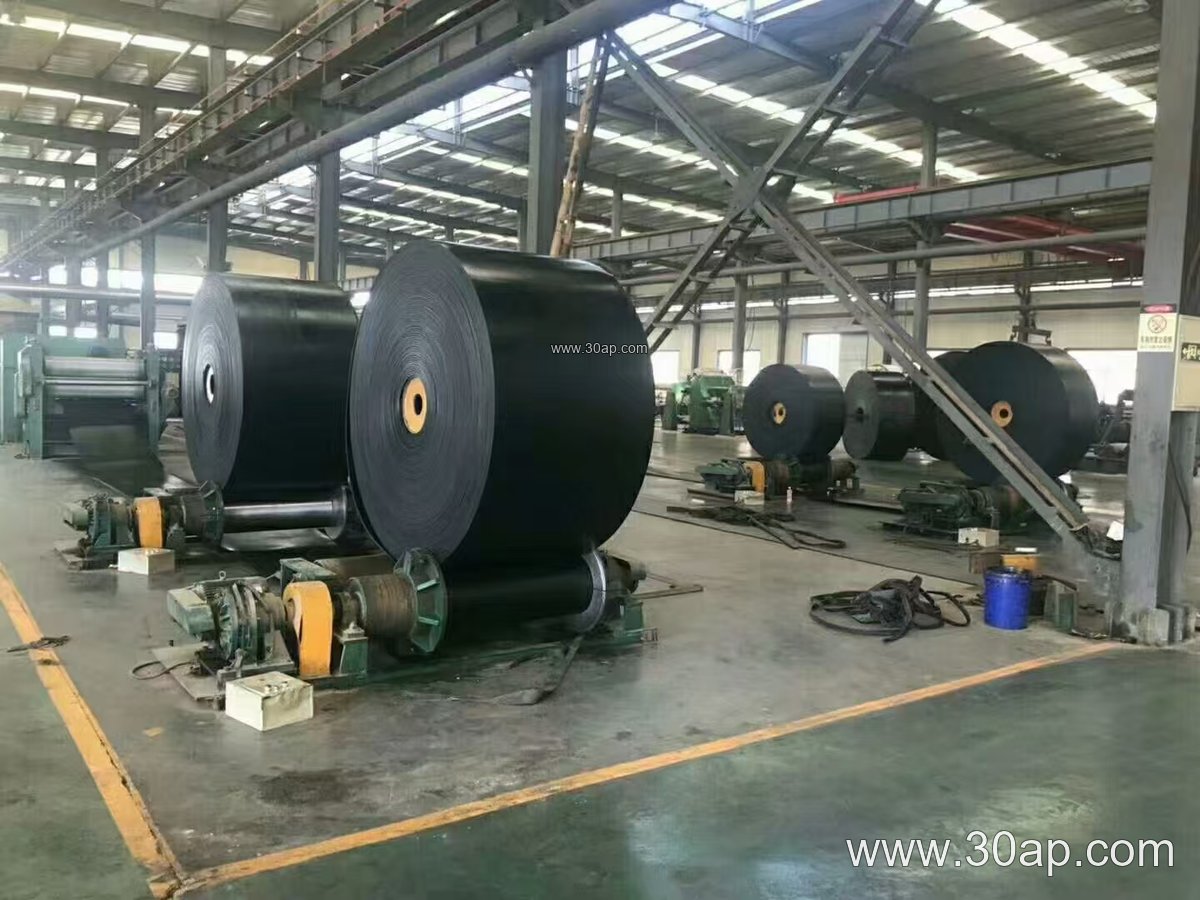
This width is often found on main line conveyors rather than small transfer belts. In a quarry conveyor belt or aggregate conveyor belt circuit, it can carry crushed stone from a crusher conveyor belt to a screening plant. In a coal mining conveyor belt system, it may run on the main haulage incline. Cement plants use it for clinker and raw material lines, and power plants use it for coal handling. Port and ship loading conveyors also use wide belts to move bulk material at high tonnage.
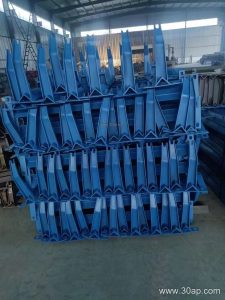
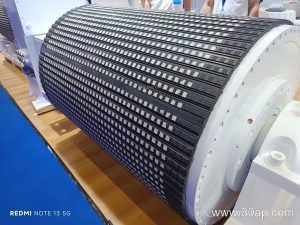
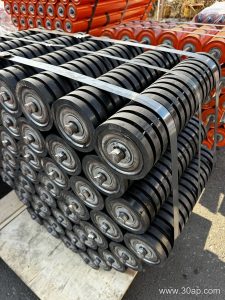
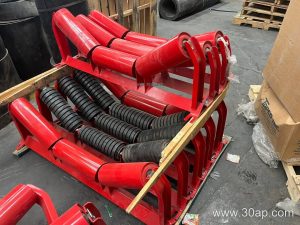
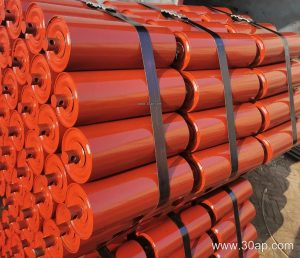
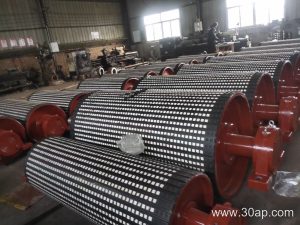
The belt works with other components, not alone. A conveyor pulley at the drive and tail ends, idler roller sets supporting the carrying side, and conveyor bracket frames all need to match the belt’s width and load. A wider belt usually needs wider pulleys and idlers, but the pulley diameter is set by the conveyor design, not by belt width alone. A 1400mm belt can run on different pulley diameters depending on tension and carcass type.
Selection Points for Buyers
- Material and condition: Choose an abrasion resistant conveyor belt for sharp rock, a heat resistant conveyor belt for clinker or sinter, an oil resistant belt for oily scrap, and a cold resistant belt for freezing sites.
- Strength grade: Match the grade to the calculated tension. Do not assume a higher grade is always better; it may add unnecessary weight and cost.
- Carcass type: Fabric core belts suit many medium-duty lines. Steel cord conveyor belts are used for long, high-tension routes.
- Cover thickness: Thicker covers last longer under impact but add weight. Use impact resistant grades at transfer points.
- Special requirements: For food or clean material, a food grade conveyor belt may be needed. For explosive dust, specify anti-static and flame retardant properties.
Ask for the full designation, for example an EP1000 1400mm conveyor belt with 6+2mm covers, rather than width alone. Also confirm the belt’s endless or open-end delivery, splice method, and whether the line uses a pipe conveyor belt or troughing idlers.
Maintenance and Handling Notes
Check belt tracking, idler roller rotation and pulley lagging regularly. Misalignment on a wide belt can damage edges quickly. Store belts away from heat and oil, and tension splices correctly. A 1400mm belt is a large item, so plan lifting and installation with the conveyor bracket and pulley layout in mind. For more details on compatible components, visit www.beltconveyorparts.com for conveyor belt, idler roller and pulley information.