What the EP1250 Conveyor Belt Is
The EP1250 Conveyor Belt is a multi-ply fabric core belt built around polyester-nylon (EP) carcass plies. The number 1250 refers to the nominal tensile strength of the carcass, commonly expressed as 1250 N/mm. In practice it sits in the upper-middle range of the EP family, above EP1000 and below EP1500, which makes it a practical choice where a single belt must carry steady tonnage without the stiffness and splicing demands of a steel cord construction. Buyers also meet it under the equivalent name EP1250 rubber conveyor belt, and both terms describe the same product.
Because the carcass is fabric rather than wire, the belt tolerates tight pulley wrap, repeated flexing and reasonably small terminal diameters better than a comparably rated steel cord belt. That flexibility is why it appears so often on long overland runs, plant-to-stockpile links and transfer conveyors in mines, cement works, power stations, ports and aggregate yards.
How the Belt Is Built
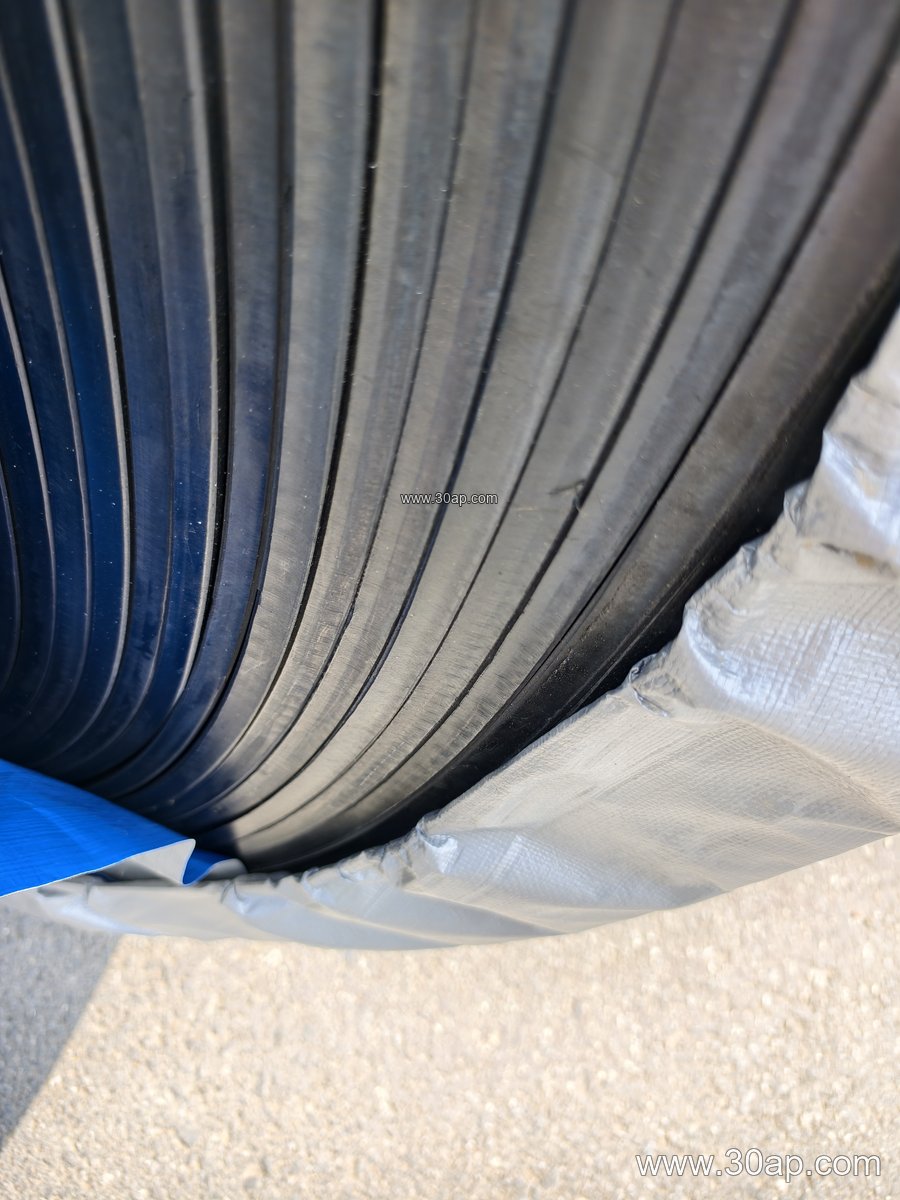
The carcass usually contains several EP plies, commonly between two and six depending on the strength target and the manufacturer’s design. Skim rubber bonds the plies, and top and bottom cover compounds protect the carcass from abrasion, moisture and impact. Cover thickness is stated as a pair, for example 6+2 mm or 8+3 mm, where the first figure is the carrying cover and the second is the pulley side.
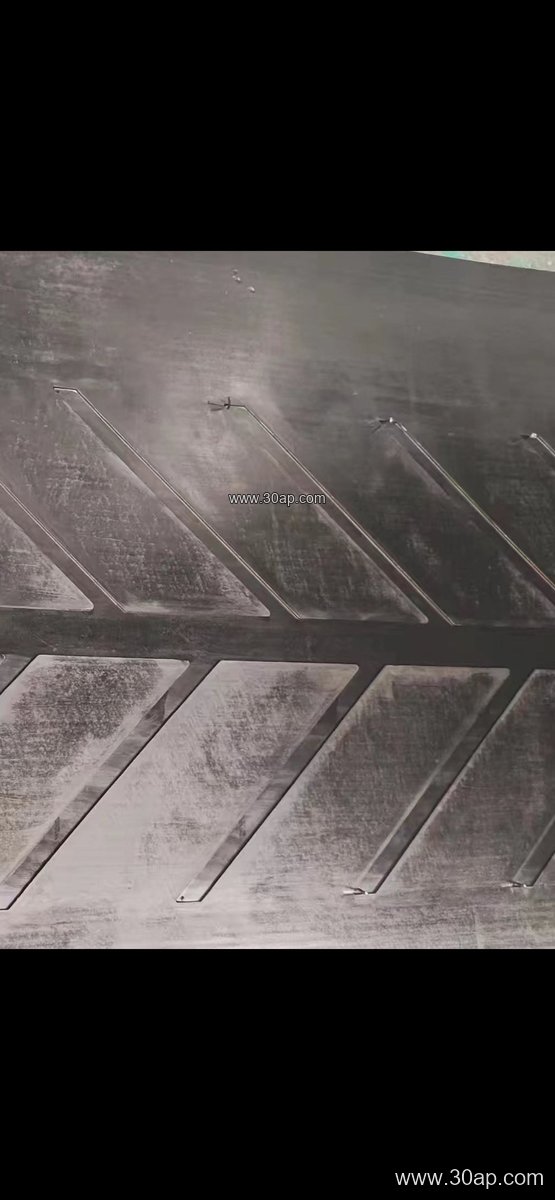
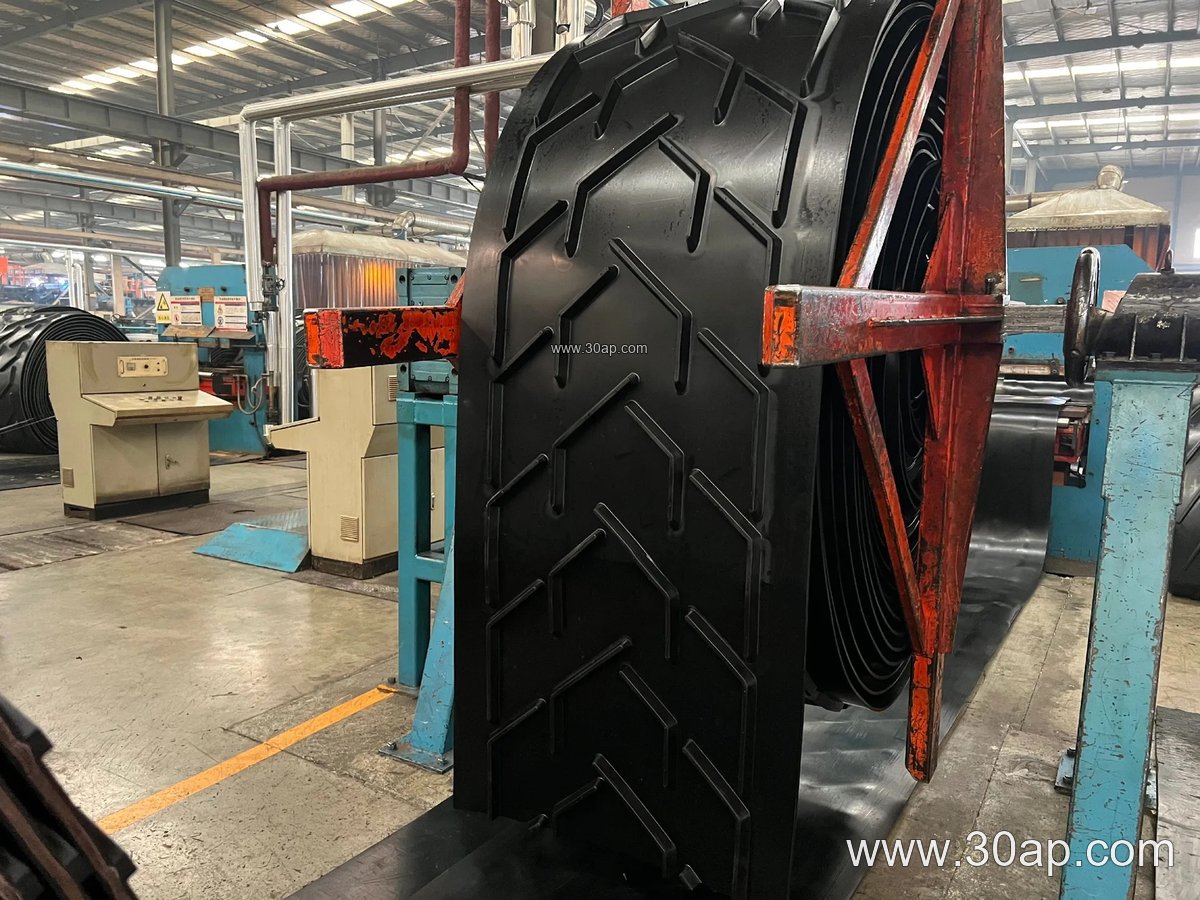
Edge construction matters as much as the middle of the belt. Cut edges are typical for general service, while moulded edges suit applications where edge fraying would be a nuisance. On inclined sections, a chevron conveyor belt or a corrugated sidewall belt may be preferred, but those are separate designs and do not replace the flat EP1250 belt where a standard troughing run is adequate.
Typical Duty and Industries
An EP1250 belt is often specified for continuous conveying of crushed rock, clinker, coal, ore, sand and gravel. In a quarry or sand making plant it may feed a crusher conveyor; in a cement plant it may link the raw mill area to storage silos; in a power plant it may handle fuel or ash. Underground coal mining conveyors usually demand flame retardant and anti-static properties, so a fire resistant grade of the same carcass is selected rather than the standard compound.
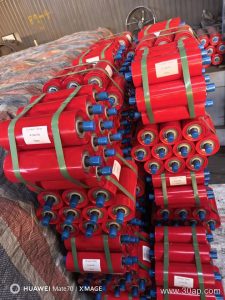
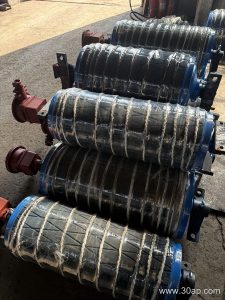
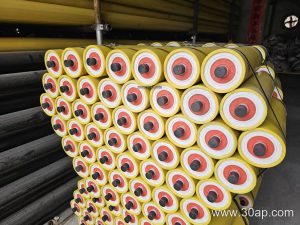
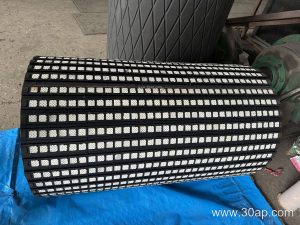
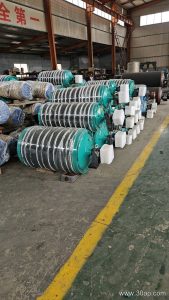
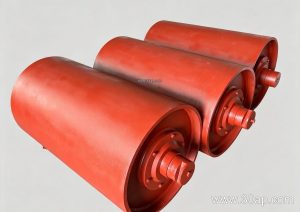
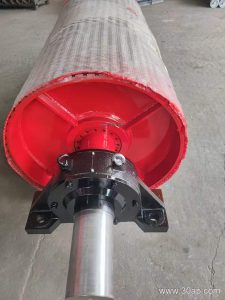
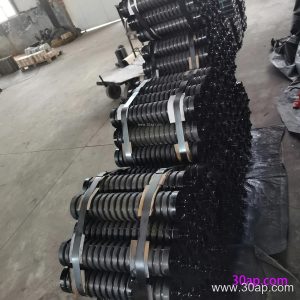
The belt runs over conveyor pulleys at the head and tail and is supported by idler rollers arranged in troughing sets. Conveyor brackets and frames hold those idlers in alignment. A well-matched take-up and correctly crowned pulleys help keep an EP1250 belt tracking straight, which matters on long centre distances.
Reference Dimensions and Related Grades
The figures below are common reference values, not fixed supply promises. Final construction is confirmed by design for each conveyor.
| Item | Common reference values |
|---|---|
| Carcass strength | EP1250 (1250 N/mm nominal) |
| Belt width | B800, B1000, B1200, B1400, B1600, B1800 |
| Cover thickness | 4+2, 5+2, 6+2, 8+3 mm |
| Ply count | Usually 3 to 6 plies |
| Related EP grades | EP1000, EP1500, EP1600 |
Width and strength are chosen together with the duty, the material lump size and the conveyor geometry. A 1200 mm or 1400 mm belt is common on main plant conveyors, while wider 1800 mm belts appear on high-capacity stockyard and port systems. The belt width does not dictate one pulley diameter; head, tail and bend pulleys are sized from belt tension, wrap angle and carcass flexibility as a set.
Selecting the Right Compound
Standard EP rubber conveyor belt covers handle general bulk material well. Where the load is sharp and hot, an abrasion resistant or heat resistant cover extends service life. Oily or chemical-laden cargo calls for an oil resistant or acid resistant grade. Cold climates favour a cold resistant compound to avoid cracking at start-up. For food or clean-room duty, a food grade belt with an appropriate carcass is used instead.
It also helps to compare the EP1250 with an NN conveyor belt of similar rating. NN (nylon-nylon) carcasses stretch more under load, so they may need a longer take-up stroke, while EP carcasses hold length better and are often favoured on long runs. Steel cord belts, by contrast, carry far higher tensions but demand larger pulleys and more careful splicing.
Buyer Checklist
- State the material, lump size, tonnage per hour and incline so the carcass and cover can be matched.
- Confirm belt width, cover thickness and ply count together, not in isolation.
- Ask whether flame retardant, anti-static or heat resistant properties are required by the site.
- Check pulley diameters, trough angle and idler spacing against the selected belt.
- Plan splicing method and take-up travel before ordering, especially on long conveyors.
For a dependable EP conveyor belt supply, matching the carcass grade to the actual duty is more useful than choosing the highest number on the list. An EP1250 belt sized with care will usually outlast a heavier belt that was simply forced into the wrong frame.