What Is a Parallel Idler
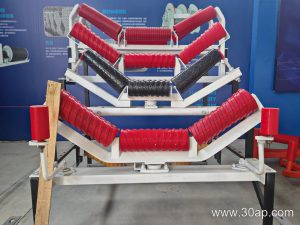
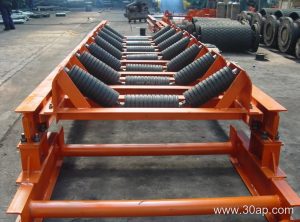
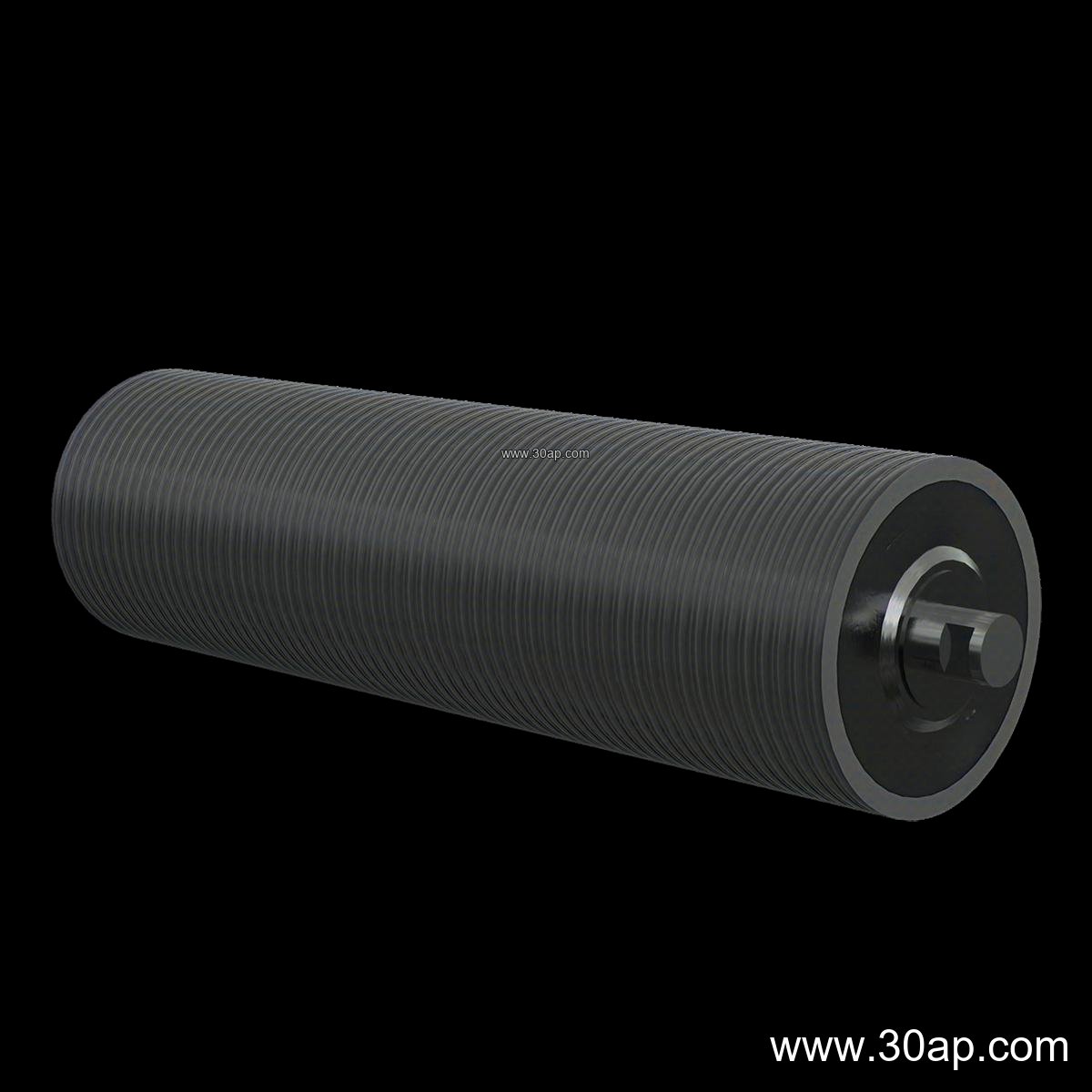
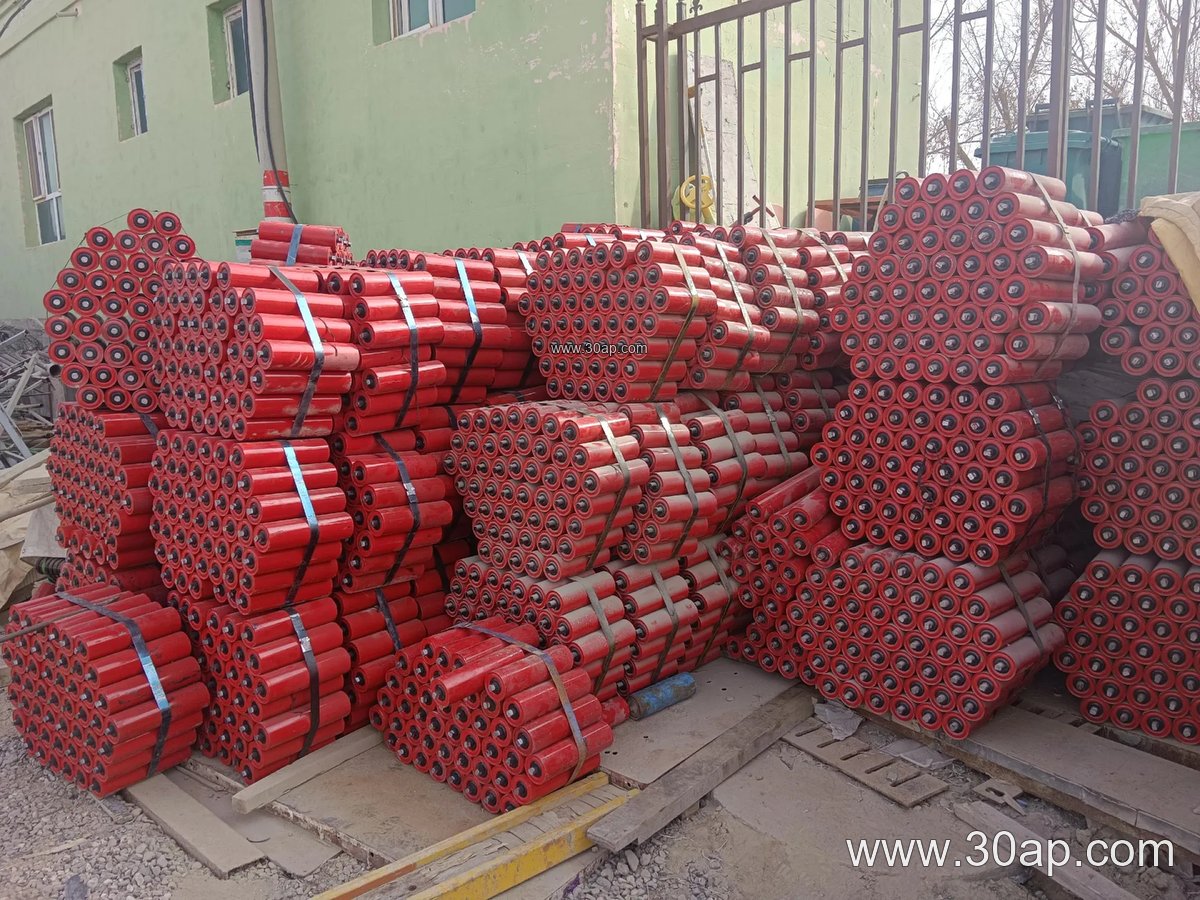
A parallel idler, also known as a flat return idler or plain carrying idler in some contexts, is a cylindrical roller mounted on a stationary shaft and supported by bearings, used to support the conveyor belt along its carrying or return path. Unlike troughed idlers that form the belt into a trough shape, a parallel idler keeps the belt flat or nearly flat. This idler roller is common in applications where the belt does not need deep troughing, such as the return strand, or in specific sections where a flat profile is preferred. The term “parallel” refers to the roller axis being parallel to the belt surface, allowing the belt to run flat over the roller.
Construction and Components
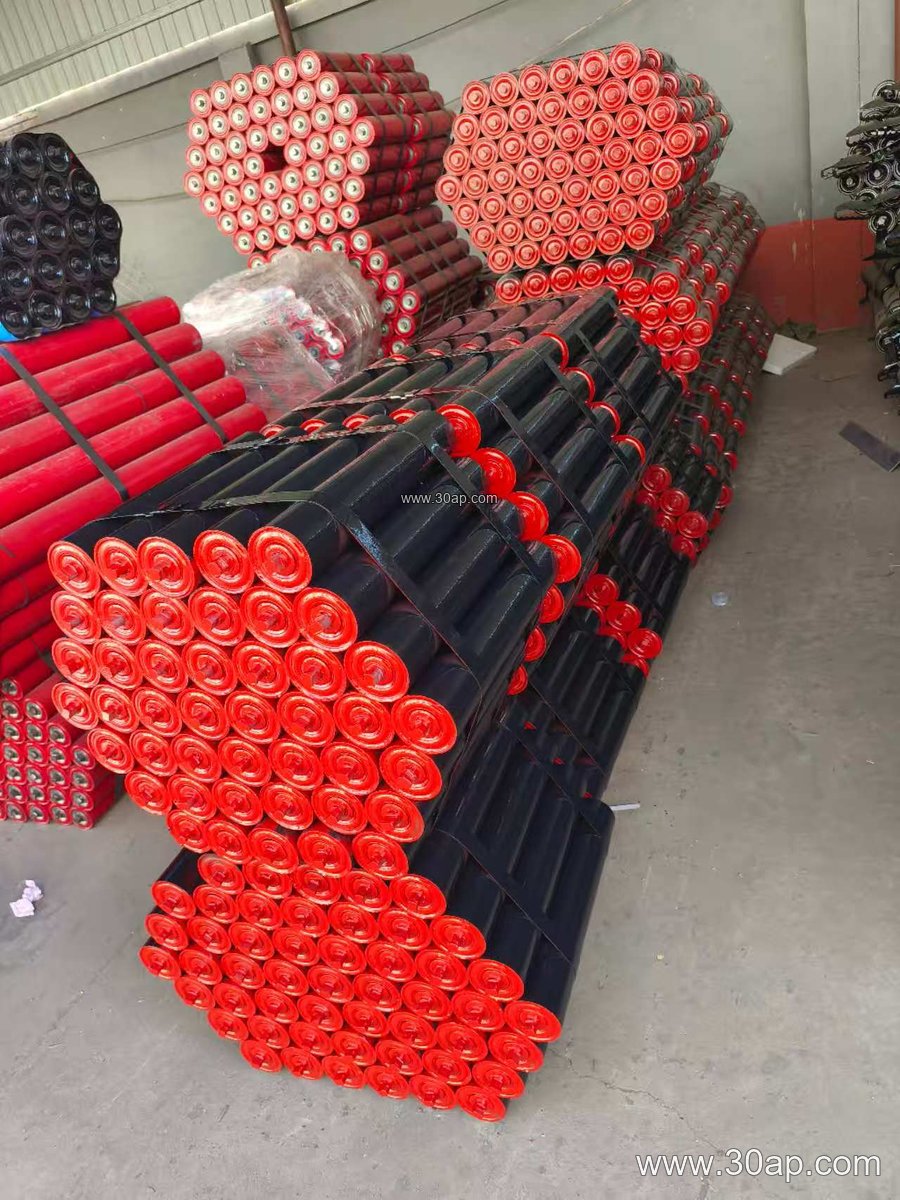
A typical parallel idler consists of a steel tube shell, a shaft, bearing housings, and seals. The shell material may be steel, nylon, ceramic, or rubber-covered, depending on the application. Bearings are usually deep groove ball bearings, with common sizes such as 6204, 6205, 6305, 6306, 6308, and 6310. The bearing selection depends on load and speed requirements, not solely on roller diameter. Sealing is critical to prevent dust and moisture ingress, especially in harsh environments like coal mining or cement plants. The roller diameter can range from Ø63 mm to Ø219 mm, and the length varies with belt width and idler arrangement. For a parallel idler, the roller length is typically matched to the belt width, for example, a B800 belt may use a roller length around 315 mm, but this is not a fixed rule and should be confirmed by design.
Where Parallel Idlers Are Used
Parallel idlers are often found on the return side of a conveyor, supporting the empty belt. They are also used in flat carrying sections where the material is not prone to spillage, such as in assembly lines or certain bulk handling operations. In the mining industry, parallel idlers may be used in underground mining conveyor systems for the return strand, helping to maintain belt alignment and reduce sag. In a quarry or aggregate plant, they can be seen on the return run of a crusher conveyor belt. Power plants use them in coal handling systems, and cement plants rely on them for clinker and raw material transport. The simplicity of the parallel idler makes it a cost-effective solution for many conveyor layouts.
Key Selection Factors
When choosing a parallel idler, buyers should consider the belt width, the load to be carried, the operating environment, and the required service life. The idler must match the conveyor bracket and frame dimensions. Belt speed and idler rotational speed affect bearing life. In dusty or wet conditions, enhanced sealing is advisable. For high-temperature applications, such as in a steel plant or sintering plant, heat-resistant bearings and lubricants may be needed. The roller surface can be plain steel, or it may have a rubber cover to improve grip or reduce noise. It is important not to assume that a specific belt width automatically dictates a particular shaft diameter; the shaft size is determined by the load and support conditions.
Maintenance and Troubleshooting
Regular inspection of parallel idlers helps prevent belt damage and downtime. Check for worn shells, seized bearings, and damaged seals. Misaligned idlers can cause belt tracking issues, so ensure they are mounted square to the belt. Lubrication should follow the manufacturer’s recommendations, though many modern idlers are sealed for life. In applications with heavy dust, such as coal mining or ore handling, more frequent cleaning may be necessary. Replacing a worn idler promptly avoids excessive belt wear and potential splice failure.
Related Equipment and Considerations
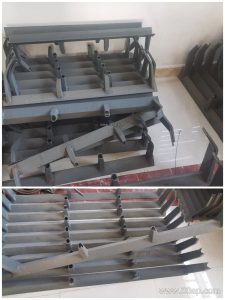
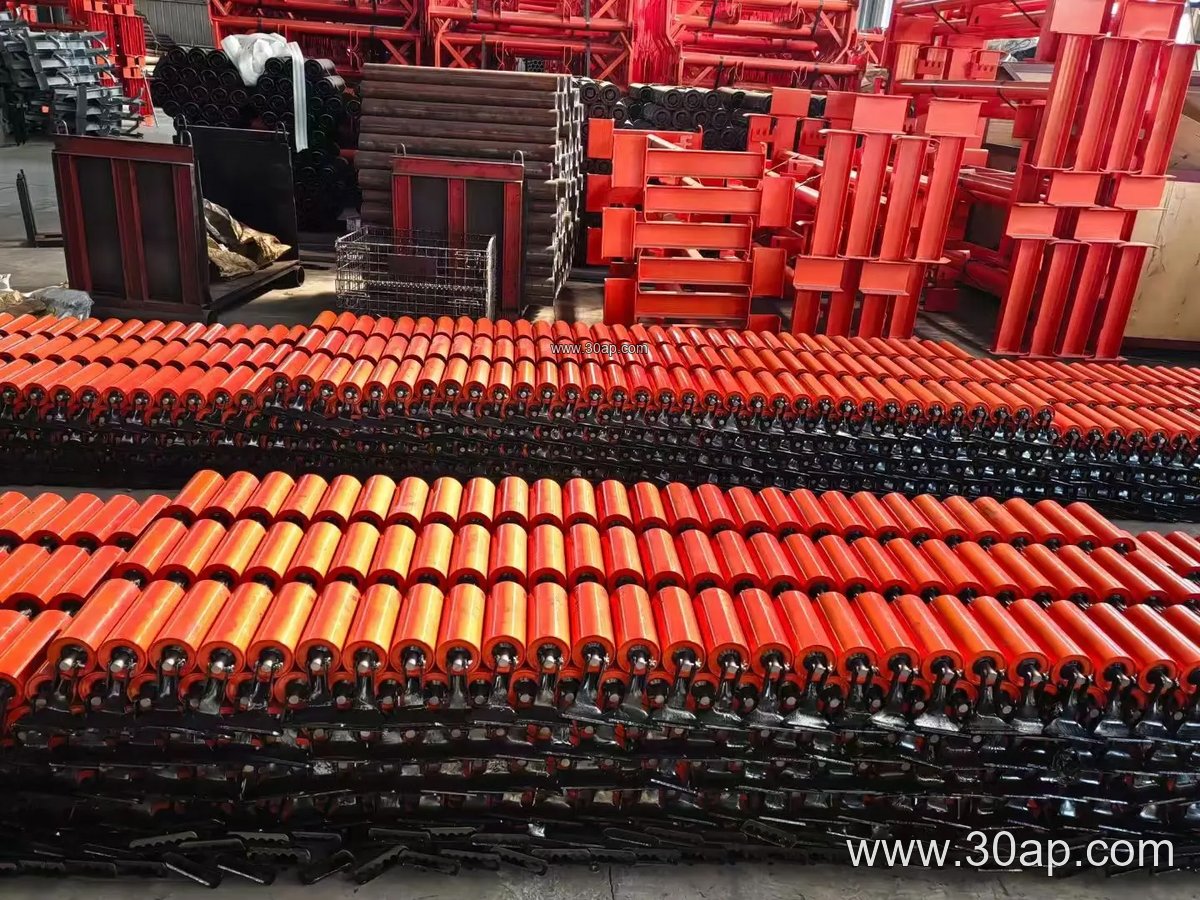
Parallel idlers work alongside conveyor pulleys, such as drive, tail, and bend pulleys, each with distinct roles. They are supported by conveyor brackets and frames. The conveyor belt itself, whether a rubber conveyor belt, EP conveyor belt, or steel cord conveyor belt, interacts with the idler surface. For example, an abrasion resistant conveyor belt may be paired with steel rollers in a quarry, while a heat resistant conveyor belt in a cement plant may require idlers with high-temperature bearings. The choice of idler should complement the belt type and the overall conveyor design.
For more information on conveyor components, visit our website at www.example.com/conveyor-idler or www.example.com/conveyor-belt. Our team can assist with selecting the right parallel idler for your application.