What a Belt Conveyor Bend Pulley Does
A belt conveyor bend pulley is a non-drive pulley used to change the direction of the conveyor belt, typically at the tail end, at a take-up station, or wherever the belt path needs to turn. It is often called a snub pulley or a redirect pulley, and its job is simple but important: guide the belt without slipping, without edge damage, and without adding unnecessary load to the system. Unlike the drive pulley, which transmits torque, or the tail pulley, which returns the belt, the bend pulley mainly controls belt routing and wrap angle.
In a quarry or aggregate line, a bend pulley may sit near the tensioning device to increase belt wrap around the drive. In a coal mining conveyor or a cement plant clinker transport system, the same component helps keep the belt aligned as it travels through transfers and inclines. The pulley itself does not pull the belt; it redirects it.
Construction and Surface Options
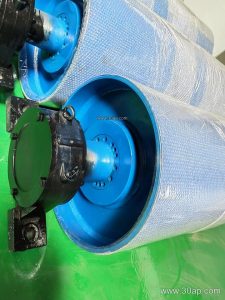
A typical bend pulley is built around a steel drum with welded end discs, a through shaft, and bearing housings mounted on a conveyor bracket. The shell may be plain or covered with rubber, ceramic, or diamond-pattern lagging to improve grip and reduce wear. Lagging thickness is commonly 8, 10, 12, 15, or 20 mm, depending on belt tension and environment.
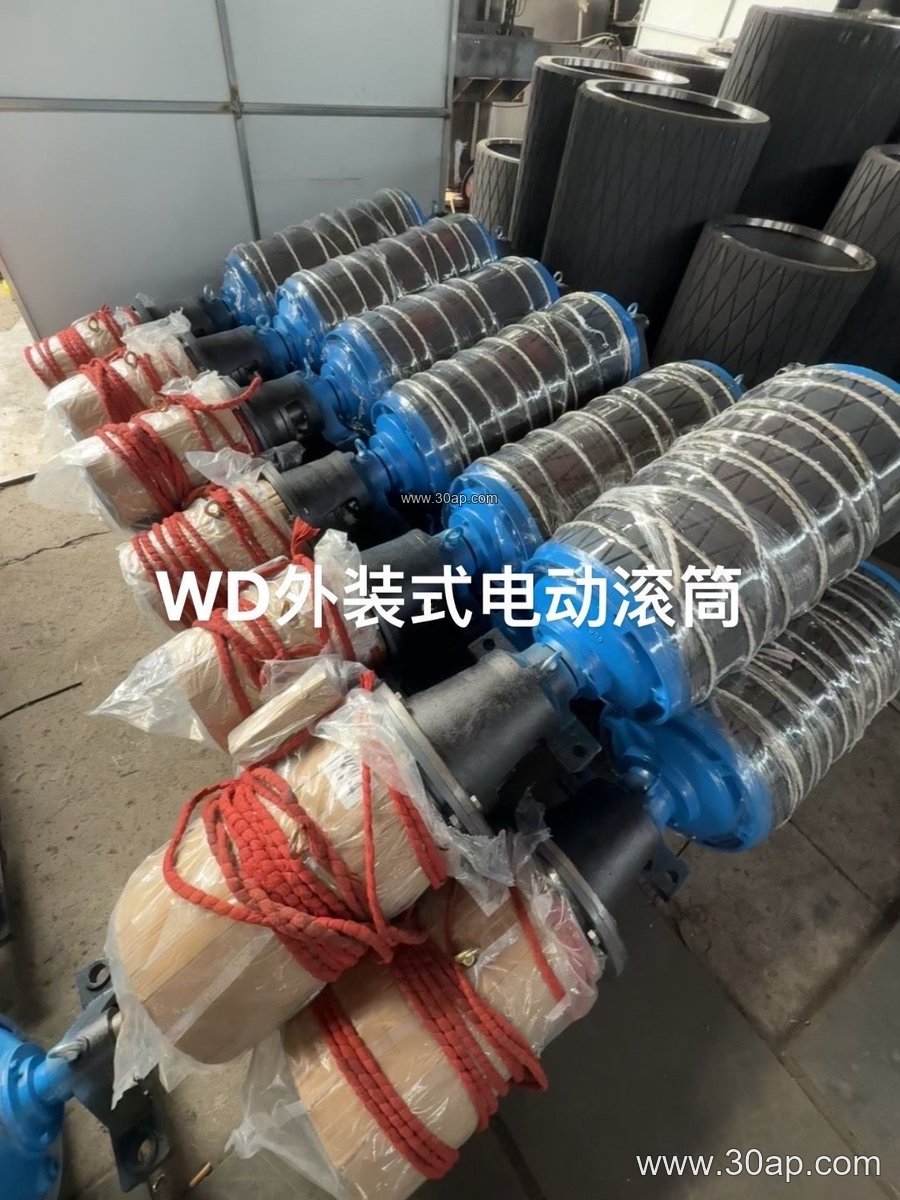
Common diameters range from Ø200 to Ø800 for bend positions, though larger sizes such as Ø1000 or Ø1250 may appear on high-tension routes. Shell width is usually wider than the belt: B650 may use about 750 mm, B1000 about 1150 mm, and B1400 about 1600 mm. These are reference values, not fixed rules. Shaft diameter is determined by torque and load, with common sizes including Ø80, Ø100, Ø120, and Ø140.
Where It Fits in the Conveyor Layout
Bend pulleys appear in many industries. In a limestone mine or iron ore plant, they help route a heavy-duty mining conveyor belt through a transfer tower. In a power plant coal handling system, a flame retardant conveyor belt may pass over a bend pulley before entering a bunker. In a sand and gravel plant, a fabric core conveyor belt such as an EP conveyor belt or NN conveyor belt often runs over a bend pulley near the discharge chute.
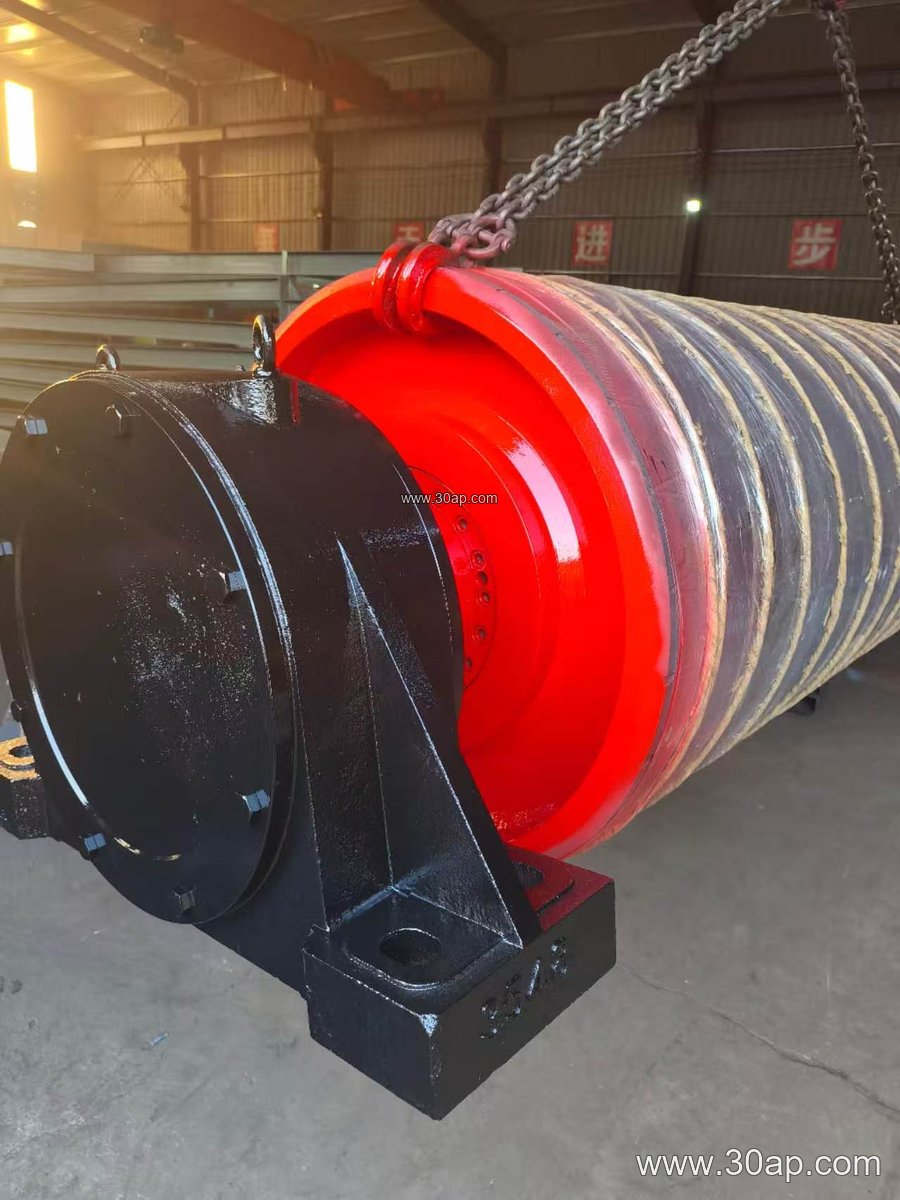
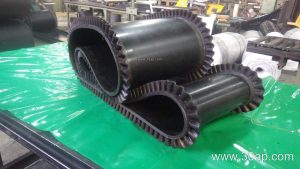
The pulley works alongside the conveyor belt, idler roller, and conveyor pulley set. A rubber conveyor belt with a chevron or corrugated sidewall profile may need a larger bend pulley to avoid cleat interference. A steel cord conveyor belt usually needs a larger diameter and a smooth, well-aligned surface. Pipe conveyor belt systems use different geometry, so the bend pulley must match the belt path design.
Buyer Checklist
- Belt width and type: Match shell width to the belt, whether it is a 650mm conveyor belt, 1000mm conveyor belt, or 1200mm wide conveyor belt.
- Duty level: Abrasion resistant conveyor belt and high abrasion resistant conveyor belt routes may call for thicker lagging.
- Environment: Heat resistant conveyor belt or fire resistant conveyor belt service may require specific lagging and bearing protection.
- Alignment: Check that the pulley face is square to the belt centerline and that the conveyor bracket is rigid.
For a reliable belt conveyor bend pulley, confirm the shaft size, bearing type, lagging thickness, and balance grade with the conveyor designer. Do not assume one belt width locks in one pulley diameter. A B800 × Ø500 bend pulley and a B1200 × Ø1000 bend pulley are common examples, but final sizing depends on wrap angle, belt tension, and space.
Maintenance Notes
Inspect lagging for wear, check bearing temperature, and confirm that the pulley rotates freely. A worn bend pulley can cause belt mistracking, edge fraying, and spillage. In dusty sites such as a crusher conveyor belt line or a recycling conveyor belt system, keep the pulley face clean and verify that the idler roller nearby is not seized. Regular checks keep the conveyor pulley train running smoothly.