What the ST3150 Conveyor Belt Is
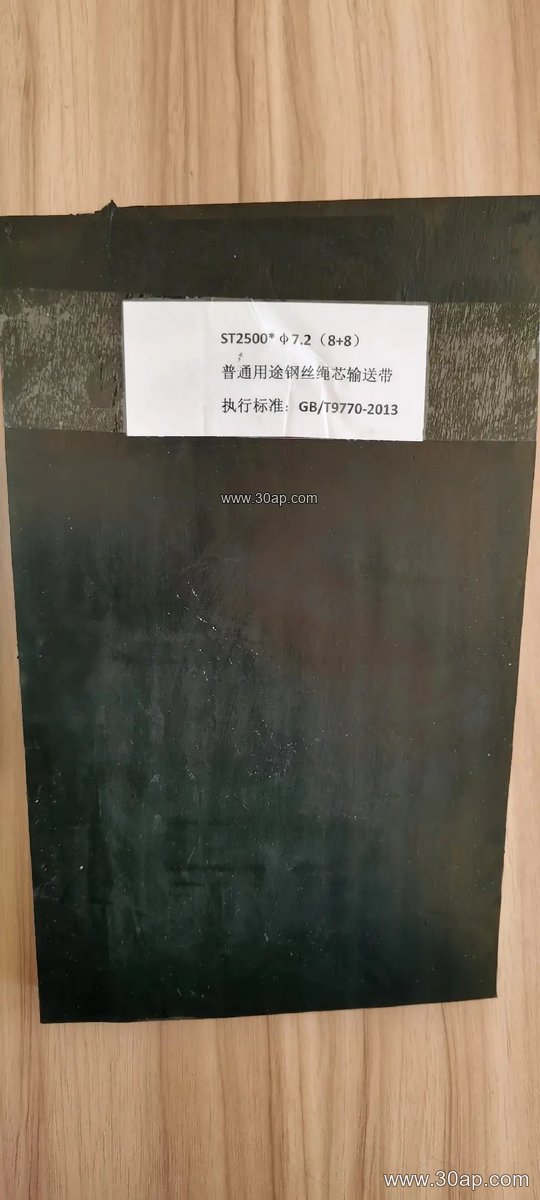
The ST3150 Conveyor Belt is a steel cord conveyor belt built around a single layer of high-tensile steel cords. The designation places it near the top of the ST series, with a nominal tensile strength of 3150 N/mm per unit width. In practice, that puts it in the class of belts chosen for long overland routes, steep inclines and high-capacity transfer points where fabric-reinforced belts would need too many plies or would stretch too much. It is a specific grade of Steel Cord Conveyor Belt, not a general-purpose rubber belt, and it is usually specified by engineers who already know the duty and the required safety factor.
Because the cords carry the load, the belt can be made thinner and lighter than a multi-ply construction of comparable strength. That matters on drives, on pulley diameters and on the total weight the conveyor structure has to support. For a mine or a cement plant comparing options, the ST3150 sits alongside grades such as ST1000, ST1600, ST2000 and ST2500 rather than replacing them; the right grade depends on the calculated tension, not on a preference for the biggest number.
How the Belt Is Constructed
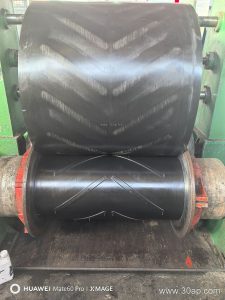
The core is a layer of parallel steel cords, generally brass-plated to bond with the rubber. A layer of core rubber sits above and below the cords, and the whole assembly is then covered with top and bottom cover compounds on a press. Cover thickness is commonly expressed as a pair of figures, for example 6+2 mm or 8+3 mm, where the first number is the carrying-side cover and the second the pulley-side cover. Heavier covers suit abrasive rock and ore; thinner pulley-side covers help flexibility around pulleys.
Edge construction also matters. Some belts use cut edges, others moulded edges, and the choice affects how well the belt tracks and how resistant the edges are to wear and water ingress. The compound can be selected for the environment: abrasion resistant, heat resistant, flame retardant, oil resistant, cold resistant or anti-static versions are all available in steel cord constructions. In coal mining, a flame retardant and anti-static combination is often required by the site’s own rules, and buyers should confirm the exact requirement rather than assume it.
Where It Fits in a Plant
Typical duties include primary ore transport in iron ore, copper and gold operations, coal handling from underground sections to the surface, limestone and clinker lines in cement works, and bulk coal or biomass routes at power plants. Quarries and sand and gravel yards use it on mainline conveyors after the crusher, where lump size and sharp edges punish the cover. Port and ship-loading conveyors also use high-strength steel cord belts because the routes are long and the tonnage is steady.
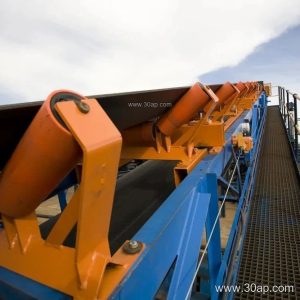
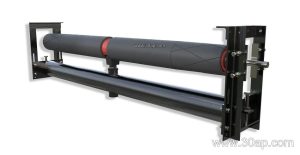
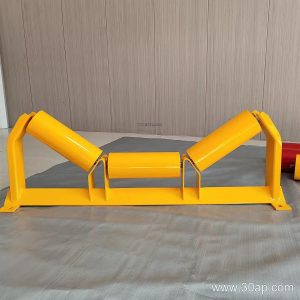
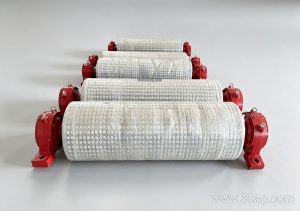
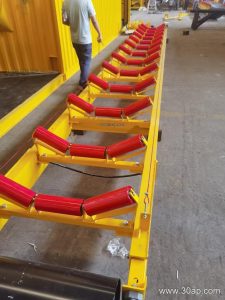
The belt does not work alone. A conveyor pulley at the head and tail, idler rollers supporting the carry and return strands, and conveyor brackets holding the idlers in line all have to be matched to the belt’s tension and weight. A common mistake is to upgrade the belt without checking whether the existing pulleys, shafts and take-up can handle the higher tension. On a retrofit, the drive, tail and bend pulleys each have a different role and should be reviewed separately rather than treated as one item.
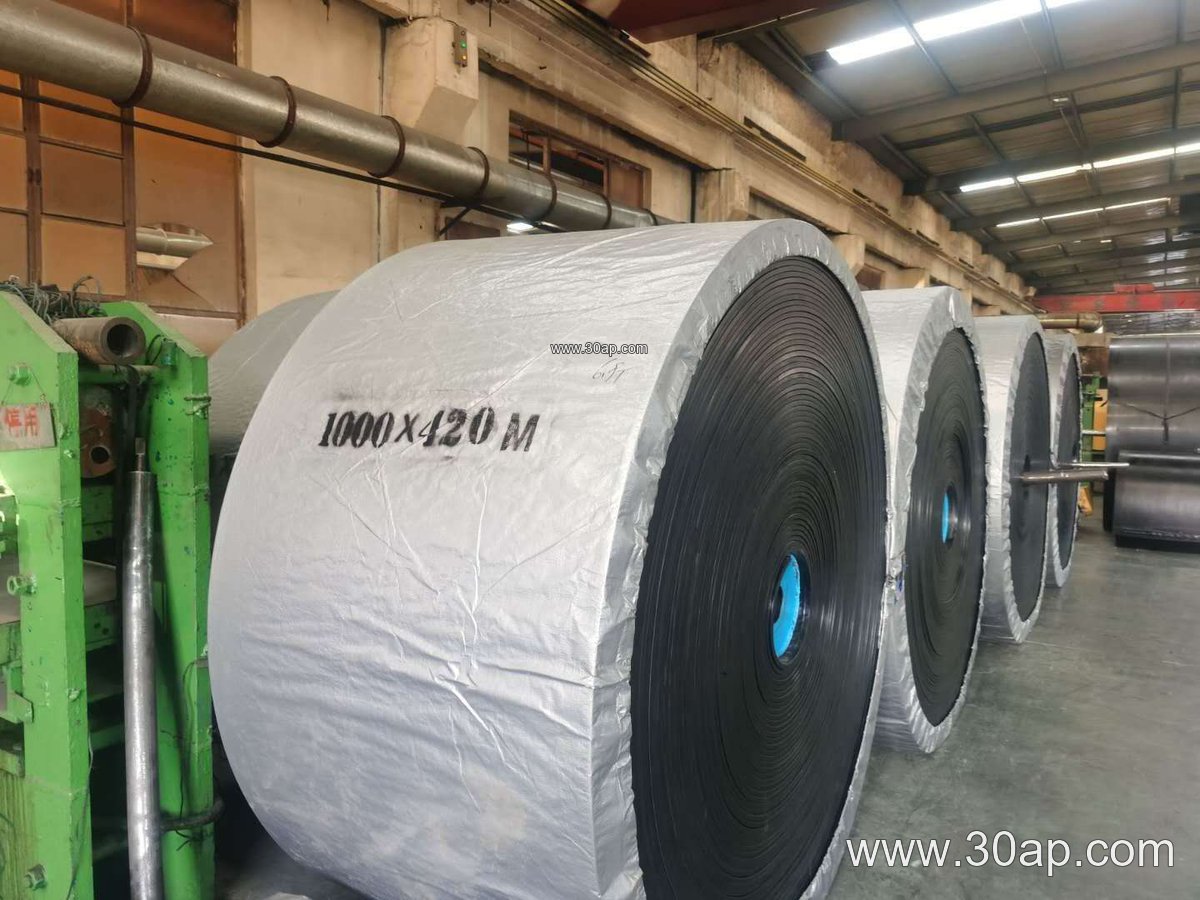
Common Reference Sizes
The figures below are reference values, not a fixed catalogue. Actual constructions vary between manufacturers and should be confirmed on the data sheet for the specific project.
- Strength grade: ST3150, part of the ST series from ST1000 up to ST2500 and beyond
- Common belt widths: B800, B1000, B1200, B1400, B1600, B1800, B2000 mm
- Cover combinations: 4+2, 5+2, 6+2, 8+3 mm
- Typical service: heavy-duty mining, quarry, cement and power plant conveying
Belt width and pulley diameter are separate decisions. A wider belt is not automatically tied to one pulley size, and shaft diameter must be calculated from the actual tensions and the pulley design. Buyers should ask for the cord pitch, the cover grade and the splice method, because a steel cord belt is normally spliced on site with vulcanised joints and the splice quality decides much of the belt’s service life.
Selection and Maintenance Notes
Start with the duty: material, lump size, tonnage per hour, inclination, ambient temperature and any chemical exposure. From there the required tension and safety factor give the strength grade, and the abrasion or heat conditions set the cover compound. Confirm that the pulley diameters meet the belt manufacturer’s minimum for the cord construction, and check the take-up travel. On the conveyor itself, keep idler rollers turning freely, watch for material build-up on the return side, and inspect the splice regularly. A Steel Cord Conveyor Belt of this class can run for years, but a damaged splice or a seized idler can shorten that quickly.
For a mine or plant planning a new line, the ST3150 Conveyor Belt is a sound choice when the tension calculation calls for it and the surrounding hardware is designed to match. Matching belt, pulleys, idlers and structure as one system is what keeps a high-tonnage conveyor reliable.