What the EP1000 Conveyor Belt Is
The EP1000 Conveyor Belt is a fabric-core rubber belt built around polyester-polyamide (EP) plies. Its designation places it in the EP family, with a nominal tensile strength of 1000 N/mm per ply width class. In practice, buyers meet it as an EP fabric core conveyor belt for main haulage lines where moderate-to-high tension and good troughability are both needed. It is not a steel cord belt, and it is not a single-ply lightweight belt; the multi-ply construction is what gives it the strength to carry dense bulk materials over long distances.
The same product is also described as an EP1000 rubber conveyor belt or simply an EP1000 belt. Those names refer to the same article, while EP800, EP1250 and similar grades are different strength levels in the same family.
Construction and Typical Build
An EP1000 belt usually combines two to six EP fabric plies with rubber cover layers on the carry side and pulley side. The carcass provides tensile strength and resistance to fatigue, while the covers protect the plies from abrasion, moisture and impact. Cover thickness is normally specified as a pair, for example 4+2 mm or 6+2 mm, and the correct combination depends on lump size, drop height and material abrasiveness.
- Polyester-polyamide plies for low elongation under load
- Rubber covers in abrasion resistant, heat resistant, oil resistant or flame retardant compounds
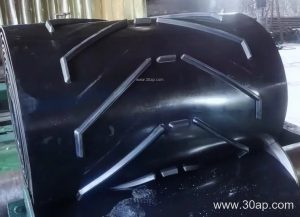
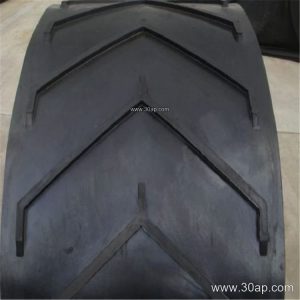
- Optional chevron or corrugated sidewall profiles for inclined or contained conveying
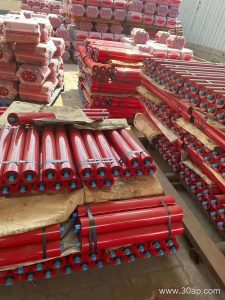
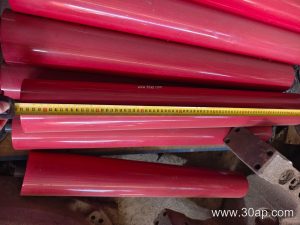
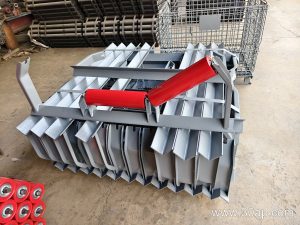
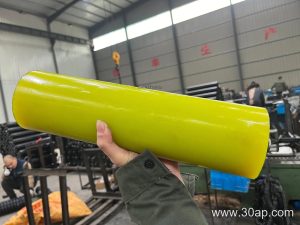
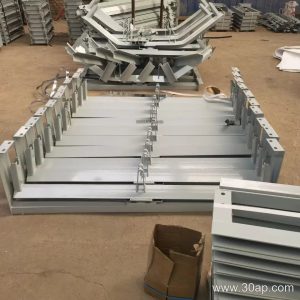
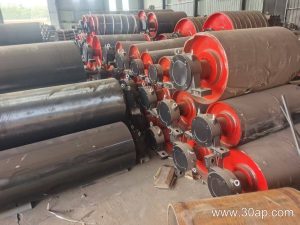
The belt runs over conveyor pulleys and idler rollers mounted in conveyor brackets along the frame. Drive, tail and bend pulleys each have a distinct role and are not interchangeable, so belt tension and pulley selection should be reviewed together during design.
Where EP1000 Belts Are Used
This grade suits main conveying lines in mines, coal preparation plants, cement works, power stations, quarries and sand and gravel operations. It is a common choice for crushed stone, clinker, ore and other bulk material where a steel cord belt would be heavier than necessary. In underground coal mining, flame retardant and anti-static versions are often requested. In cement plants, heat resistant covers help where clinker temperatures are elevated. For port and ship loading systems, wide belts such as 1200 mm, 1400 mm or 1600 mm may be specified to match the required capacity.
Related duties may call for a rubber conveyor belt with a chevron profile on inclines, or a skirted conveyor belt where spillage control matters. Those are design variants, not replacements for the EP1000 carcass itself.
Reference Parameters
The table below gives common reference ranges only. Actual values are confirmed by the belt designer and may differ between manufacturers.
- Strength grades in the EP family: EP200, EP315, EP400, EP500, EP630, EP800, EP1000, EP1250, EP1600, EP2000
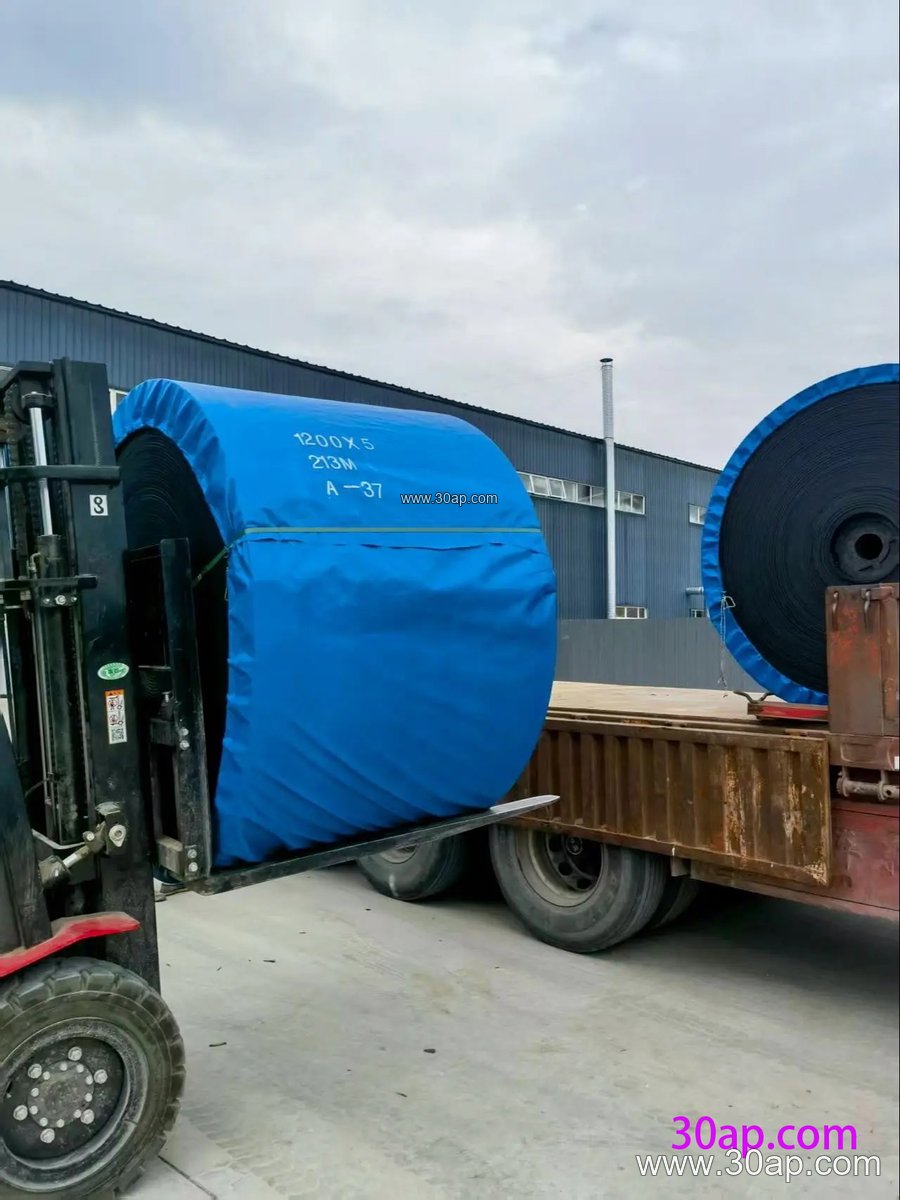
- Common belt widths: B500, B650, B800, B1000, B1200, B1400, B1600, B1800, B2000
- Typical cover combinations: 3+1.5 mm, 4+2 mm, 5+2 mm, 6+2 mm, 8+3 mm
- Carcass plies: usually 2 to 6, depending on strength grade and duty
Belt width and pulley diameter are selected from the conveyor layout, load and speed, not from a fixed one-to-one rule. A wider belt does not automatically dictate a particular shaft size, and shaft dimensions must come from the pulley manufacturer’s design calculation.
Buyer Checklist
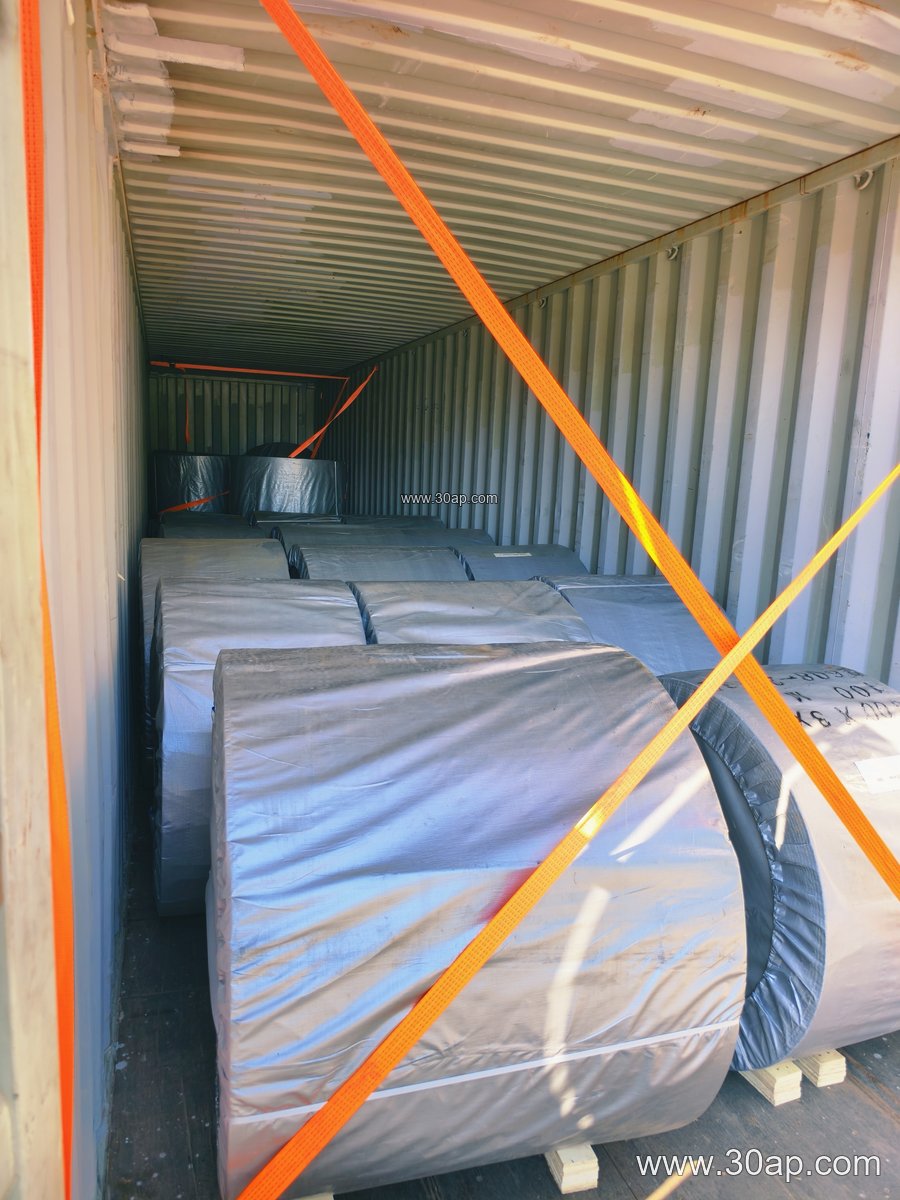
Before ordering, confirm the material being carried, lump size, temperature range, moisture and chemical exposure. State whether the belt needs abrasion resistance, heat resistance, oil resistance, flame retardancy or anti-static properties, because these affect the cover compound and may affect the carcass. Confirm the required width, cover thickness and number of plies, and check that the pulley diameters and idler roller spacing suit the selected belt. Ask for the splice method and whether an endless belt is preferred for the installation. Finally, review storage and handling conditions, since fabric-core belts should not be kinked or stored in direct sunlight for long periods.
For a complete conveyor line, the belt, pulleys, idler rollers and brackets should be treated as one system. A well-matched EP1000 installation delivers stable tracking, predictable elongation and a long service life in demanding bulk handling work.