What Conveyor Bracket Fabrication Involves
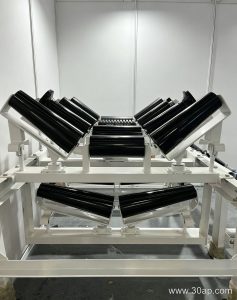
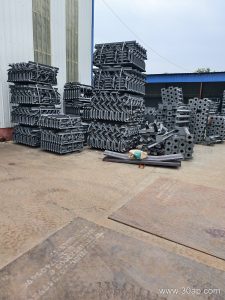
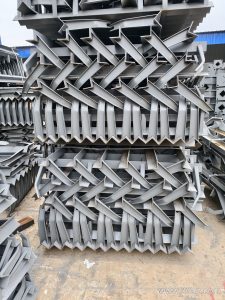
Conveyor bracket fabrication is the process of cutting, bending, welding, and finishing steel components that hold idler rollers and support the conveyor belt along its path. These brackets, often called idler frames or stands, are the structural link between the roller assembly and the conveyor stringer. A well-fabricated bracket keeps the belt profile stable, reduces vibration, and helps maintain proper tracking from the load zone to the discharge point.
Fabrication typically starts with raw steel sections such as angle iron, channel steel, or folded steel plate. The choice of material and thickness depends on the belt width, the weight of the conveyed material, and the service environment. In a quarry or aggregate line, brackets may need extra stiffness to handle impact from large rock; in a cement plant or power plant coal yard, corrosion resistance and dust tolerance often guide the design.
How a Bracket Is Built
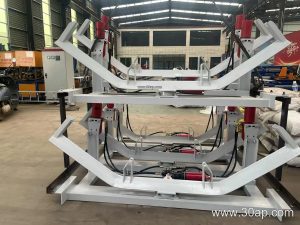
The fabrication sequence generally includes shearing or laser cutting the steel, drilling mounting holes, bending the trough wings, and welding the crossbeam to the end plates. For troughing brackets, the wing angle is set to match the required trough angle. Common trough angles include 20, 30, 35, and 45 degrees. Adjustable brackets allow the same frame to be set at different angles during installation or maintenance.
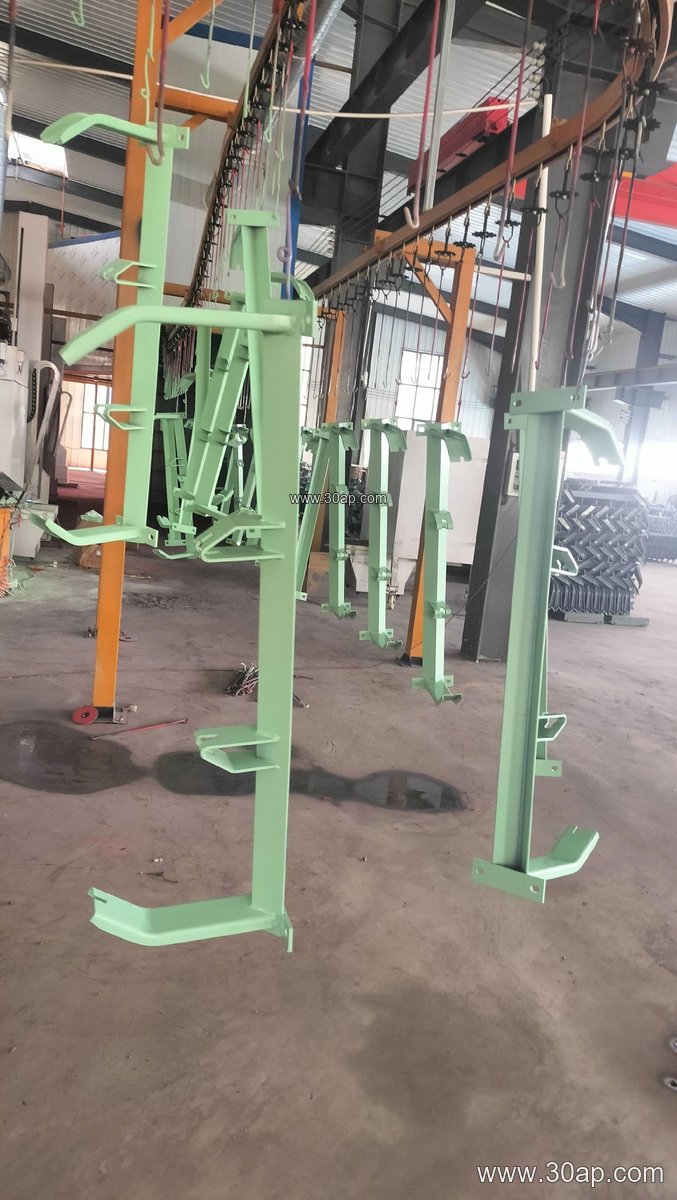
Welding quality matters because the bracket carries the dynamic load of the belt and material. Fabricators usually check squareness, hole alignment, and weld penetration before surface treatment. A primer or hot-dip galvanized finish may be applied for outdoor or wet conditions, though the specific coating should be confirmed with the supplier.
Types and Applications
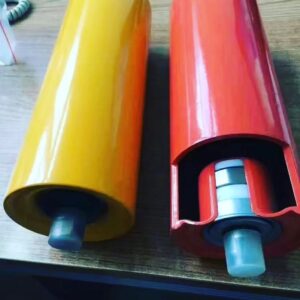
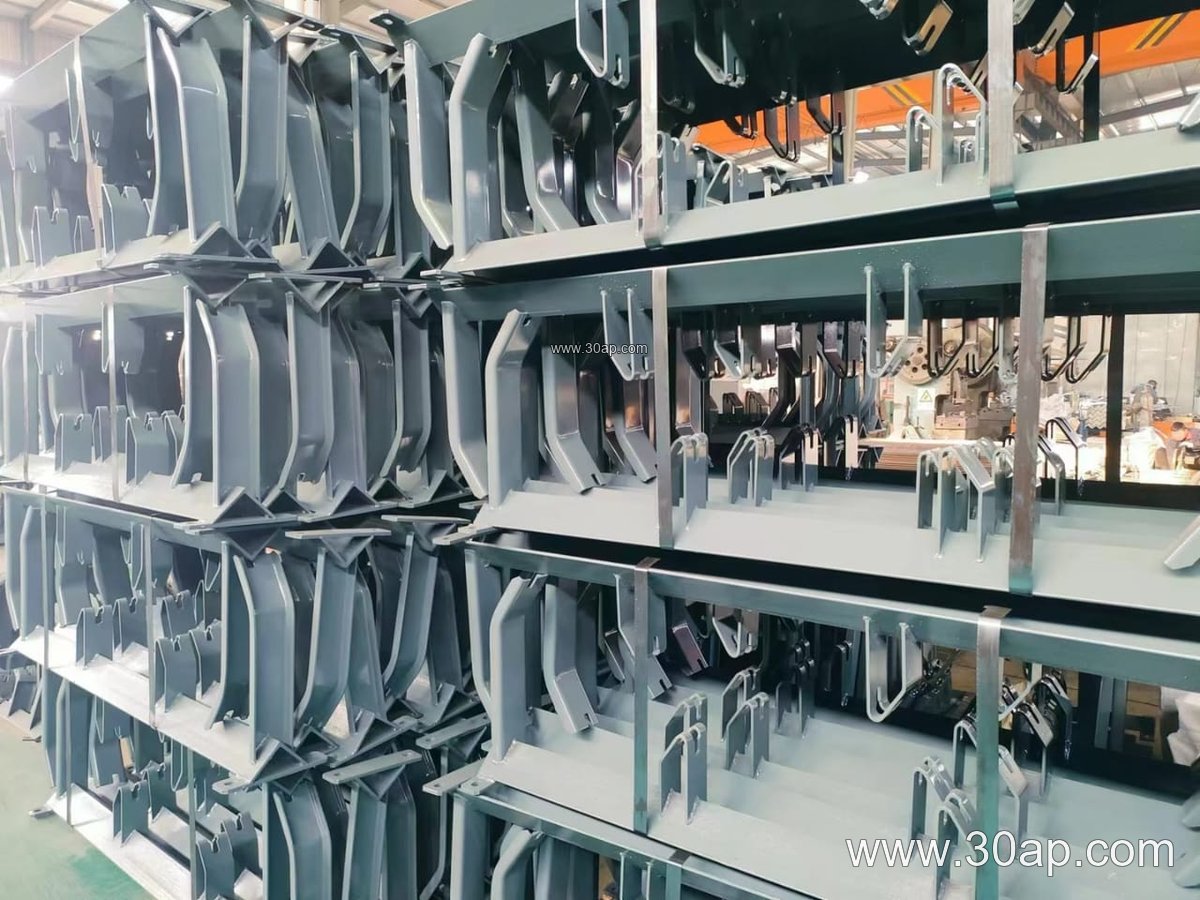
Different positions on the conveyor call for different bracket designs. Troughing brackets support the carrying side and form the belt into a trough. Return brackets hold the belt on the return run, and V-return brackets help center the belt on the lower side. Impact brackets are used under loading points where the belt receives falling material. Self-aligning brackets assist belt tracking on long runs.
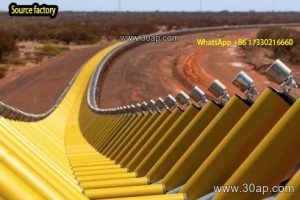
These fabricated frames are used across mining, coal preparation, cement production, power station coal handling, port bulk terminals, and stone crushing plants. In a typical aggregate conveyor, a B800 belt with a 35-degree trough and Ø108 idler rollers might use a standard three-roll troughing bracket. A wider B1200 line with a 45-degree trough and Ø133 rollers would call for a heavier crossbeam and larger mounting holes. These combinations are examples only; the final match depends on the conveyor design and the roller manufacturer’s data.
Matching Brackets with Belts and Rollers
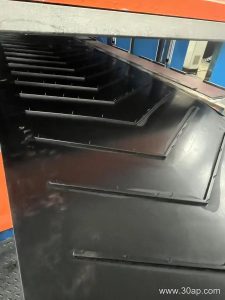
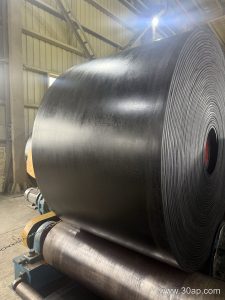
Bracket fabrication cannot be separated from the belt and roller selection. A heavy-duty mining conveyor belt, such as a steel cord belt or a thick EP conveyor belt, may require a stronger frame and larger roller diameter than a light-duty package handling line. The bracket must also suit the idler roller’s shaft diameter and the belt’s load support needs. For example, a B1000 conveyor carrying abrasive ore might use a 35-degree troughing bracket with Ø133 rollers, while a B650 conveyor in a sand plant could use a 30-degree bracket with Ø89 rollers.
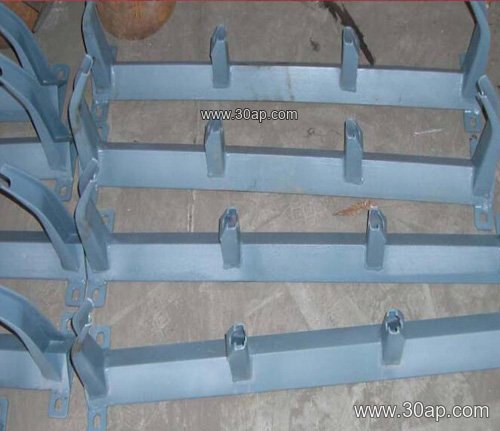
When specifying brackets, buyers should provide the belt width, trough angle, roller diameter, mounting hole spacing, and the required surface finish. It is also helpful to state the operating environment, such as a dusty coal yard, a wet port terminal, or a high-temperature cement kiln area. Fabricators can then choose the steel section and welding procedure accordingly.
What Buyers Should Check
Before ordering, confirm that the bracket drawing matches the conveyor stringer dimensions and the roller frame. Check that the trough angle is adjustable if future belt changes are expected. Ask about the steel grade and coating, and verify that the mounting holes are deburred and aligned. For replacement work, a site measurement of the existing bracket is often more reliable than a nominal size alone.
Fabrication quality affects the whole conveyor system, from the conveyor belt to the idler roller and the conveyor pulley. A square, rigid bracket helps the belt run smoothly and reduces wear on rollers and pulleys. Whether the application is a quarry conveyor, a cement plant, or a coal handling system, the bracket should be treated as an engineered part rather than a generic steel frame.