What a Galvanized Conveyor Bracket Does on a Belt System
A galvanized conveyor bracket is the structural component that positions and holds conveyor idlers under the belt line. In a quarry, a coal handling plant, or a cement kiln feed line, the bracket carries the load of the belt, the material, and the idler itself, then transfers that load into the conveyor frame. Hot-dip galvanizing gives the steel a zinc coating that resists moisture, dust, and the corrosive washdown common in aggregate and mineral processing. The result is a bracket that keeps its shape and bolt holes serviceable far longer than untreated carbon steel in wet or dusty conditions.
Because the bracket sits between the belt and the frame, its geometry directly affects belt tracking, trough shape, and idler life. A poorly aligned bracket can cause edge wear on a heavy-duty mining conveyor belt, while a well-set bracket keeps the belt centered and the idlers rolling freely.
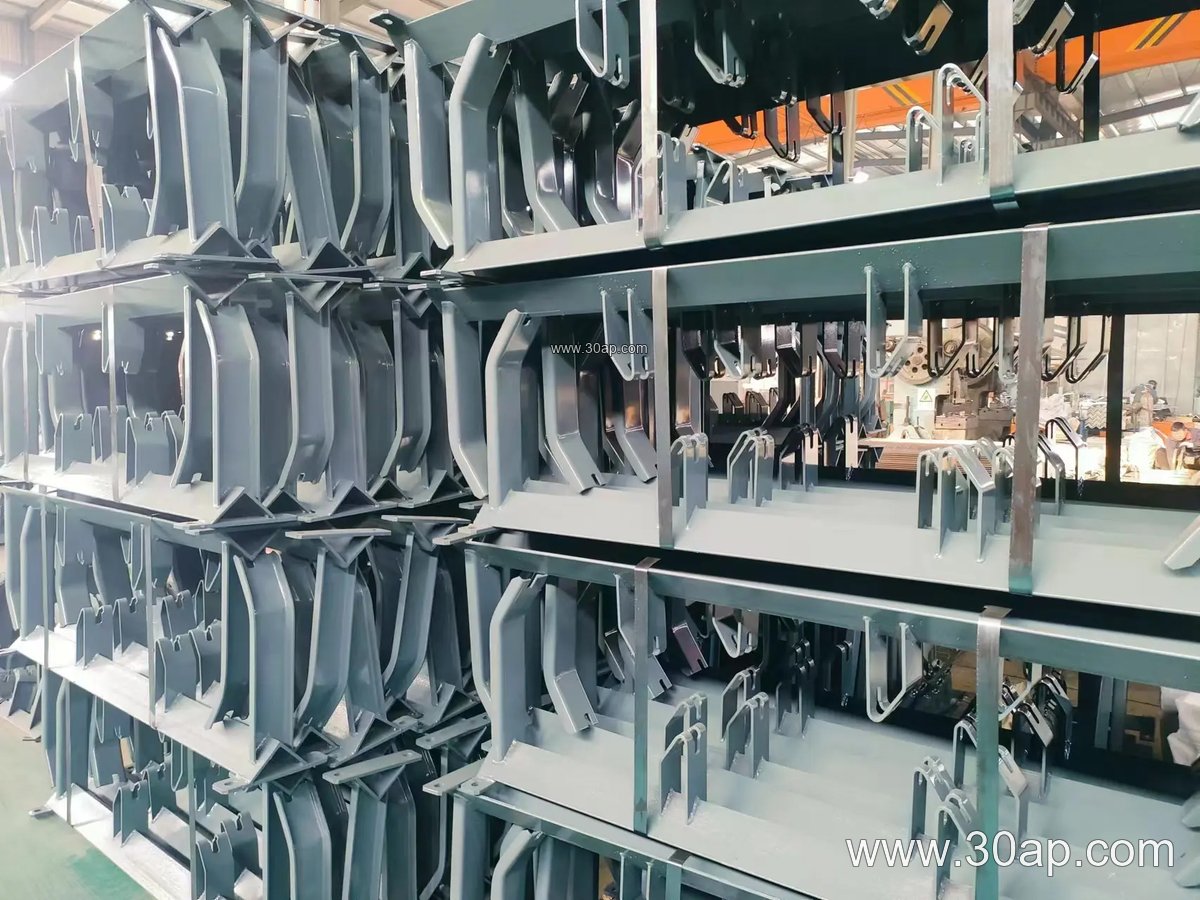
How the Bracket Is Built
Most brackets are fabricated from angle steel, channel steel, or folded steel plate, then galvanized after cutting, drilling, and welding. The forming method matters: folded plate brackets often give a cleaner profile and fewer sharp edges near the belt, while channel-based designs suit heavier loads. Installation holes are usually slotted or elongated so fitters can fine-tune position during alignment.
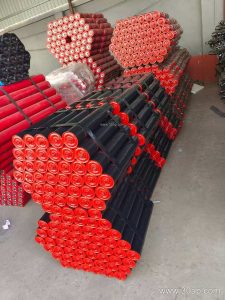
Common bracket families include trough brackets, transition brackets, return brackets, V-return brackets, impact brackets, self-aligning brackets, and adjustable brackets. Each has a distinct role. A trough bracket sets the carrying idlers at a given trough angle; an adjustable bracket allows that angle to be changed on site; a return bracket supports the belt on the return run. These are different components and should not be treated as interchangeable.
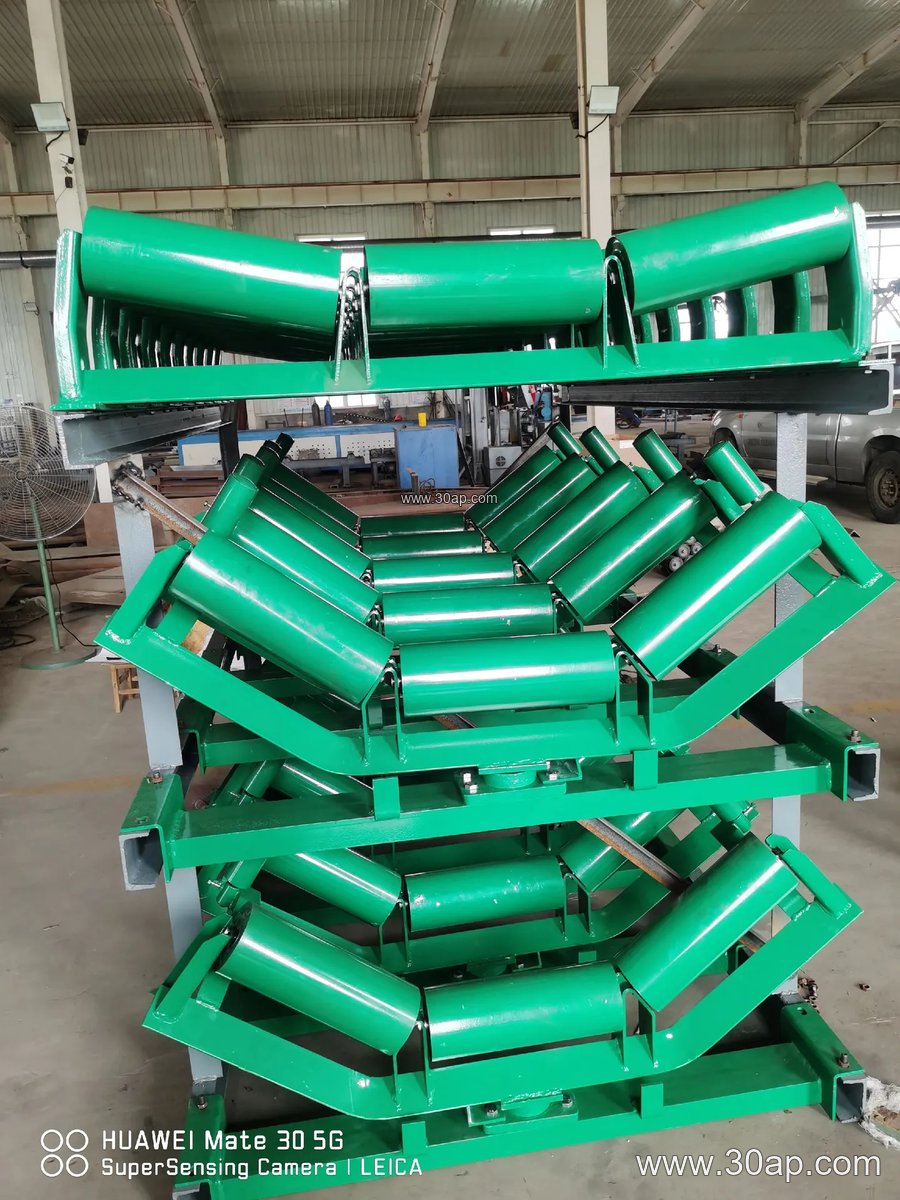
Matching Bracket, Belt Width, and Idler Diameter
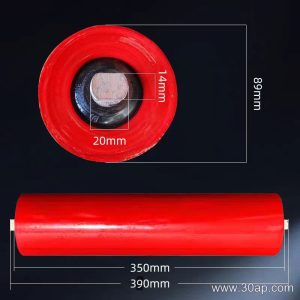
Bracket dimensions follow belt width, trough angle, and idler diameter, and the crossbeam length and hole spacing change with each combination. The table below shows typical reference combinations, not fixed rules. A given belt width can work with more than one trough angle or roller diameter depending on the conveyor design.
| Belt Width | Trough Angle | Idler Diameter | Typical Use |
|---|---|---|---|
| B650 | 30 degrees | Ø89 | Light aggregate, sand lines |
| B800 | 35 degrees | Ø108 | General quarry conveying |
| B1000 | 35 degrees | Ø133 | Cement and power plant belts |
| B1200 | 45 degrees | Ø133 | High-capacity ore transport |
| B1400 | 35 degrees | Ø159 | Heavy bulk material lines |
| B1600 | 45 degrees | Ø159 | Mining and port terminals |
| B1800 | 35 degrees | Ø194 | Large tonnage conveyors |
Available trough angles commonly include 20, 30, 35, and 45 degrees. Forward-leaning brackets are often set around 1.5 to 2 degrees to help center the belt. When specifying, confirm the idler diameter, belt width, and trough angle together rather than assuming one value fixes the others.
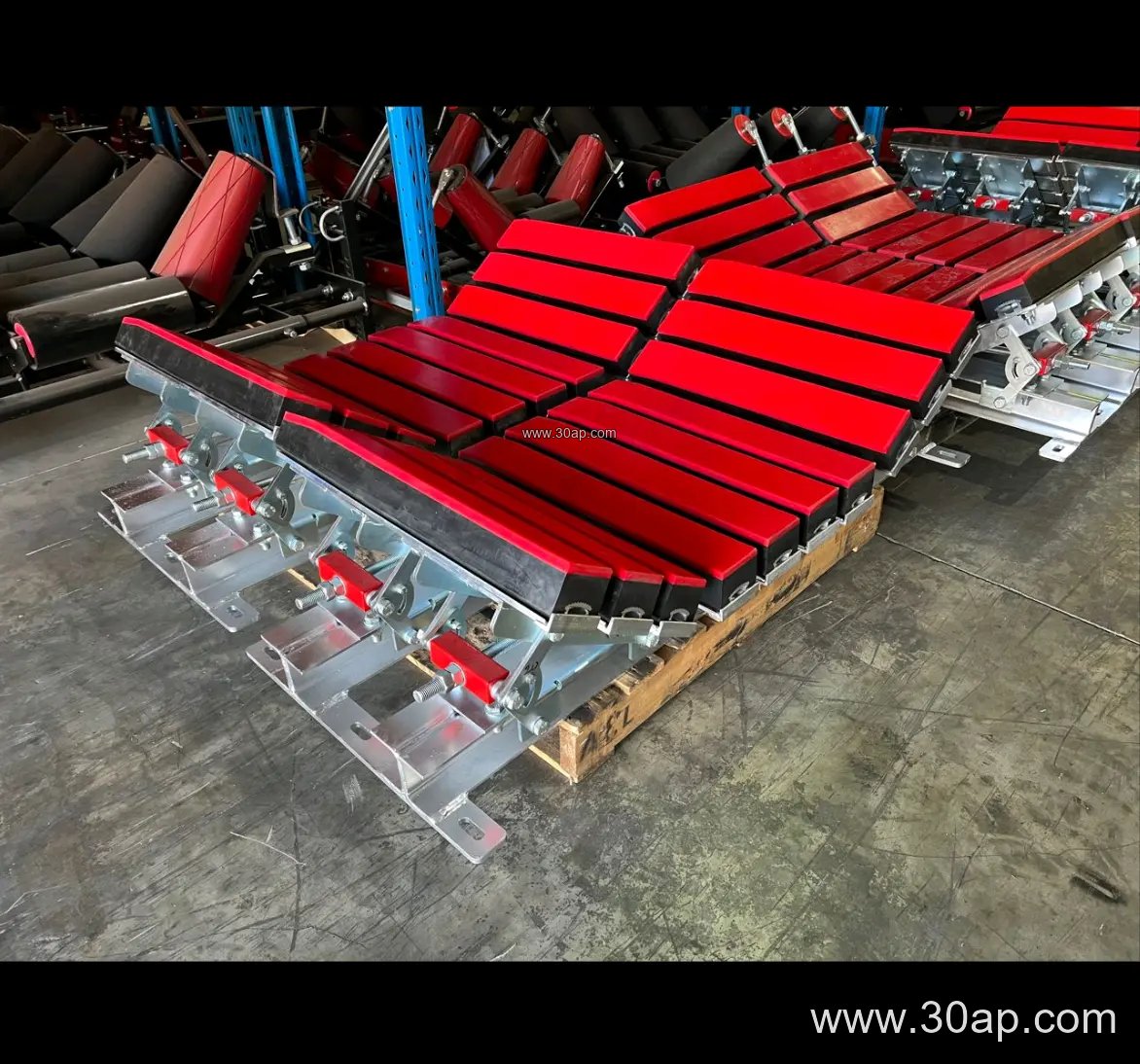
Where Galvanized Brackets Fit in Real Installations
In a limestone quarry or a stone crushing line, galvanized brackets hold troughing idlers through wet screening and dust. In a coal preparation plant, the zinc coating helps against acidic moisture while the bracket keeps a flame retardant conveyor belt running true. The same component appears in power plant coal yards, fertilizer granulation halls, and grain silos where washdown and humidity are routine.
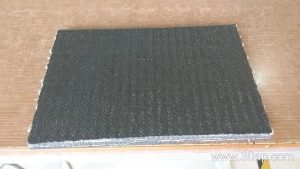
On a steep incline, a corrugated sidewall conveyor belt or chevron conveyor belt may need transition brackets set carefully so the belt edges are not pinched. On the return side, a V-return bracket with a pair of angled idlers helps shed carryback before it reaches the tail pulley. For impact zones under a crusher, impact brackets with rubber-cushioned idlers absorb shock and protect both the bracket and the belt.
Buyer Checklist Before Ordering
- Confirm belt width and the trough angle your conveyor frame uses.
- Match the bracket to the actual idler diameter, not to a nominal size.
- State the mounting hole pattern and crossbeam length required by the frame.
- Ask how the galvanizing is applied and what coating thickness is typical.
- Check whether adjustment slots are needed for alignment during installation.
- For corrosive or wet service, confirm the bracket material and coating suit the environment.
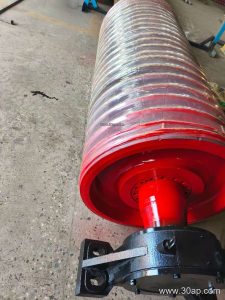
Galvanized conveyor brackets are simple parts, but they carry the belt, guide the idlers, and influence tracking across the whole system. Getting the bracket geometry and coating right at the specification stage reduces downtime and keeps the belt, roller, and pulley working as a set.