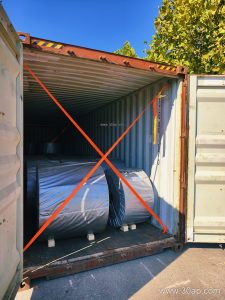
What a Custom Idler Really Is
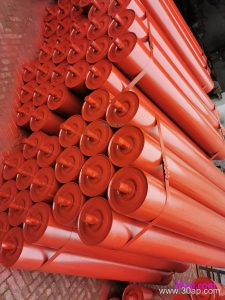
A custom idler is a conveyor idler roller made to a specific drawing, duty, or mounting requirement instead of being pulled straight from a standard catalogue page. In practice, that can mean a non-standard roller length, a particular shaft end, a chosen bearing seat, a special roller surface, or a combination of these. The idler still does its basic job — supporting the conveyor belt and keeping it tracking — but every dimension and material choice is set by the machine it will sit in. Custom idler work usually starts when a standard roller cannot be fitted without changing the frame, or when the operating environment asks for more than a general-purpose roller can offer.
How the Roller Is Put Together
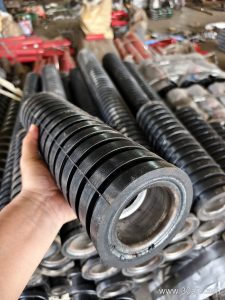
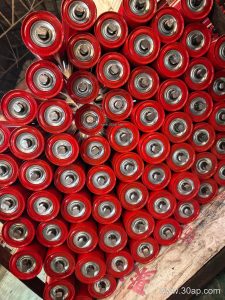
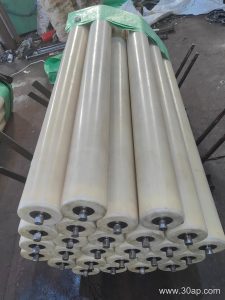
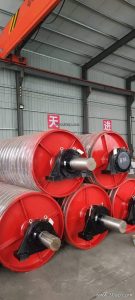
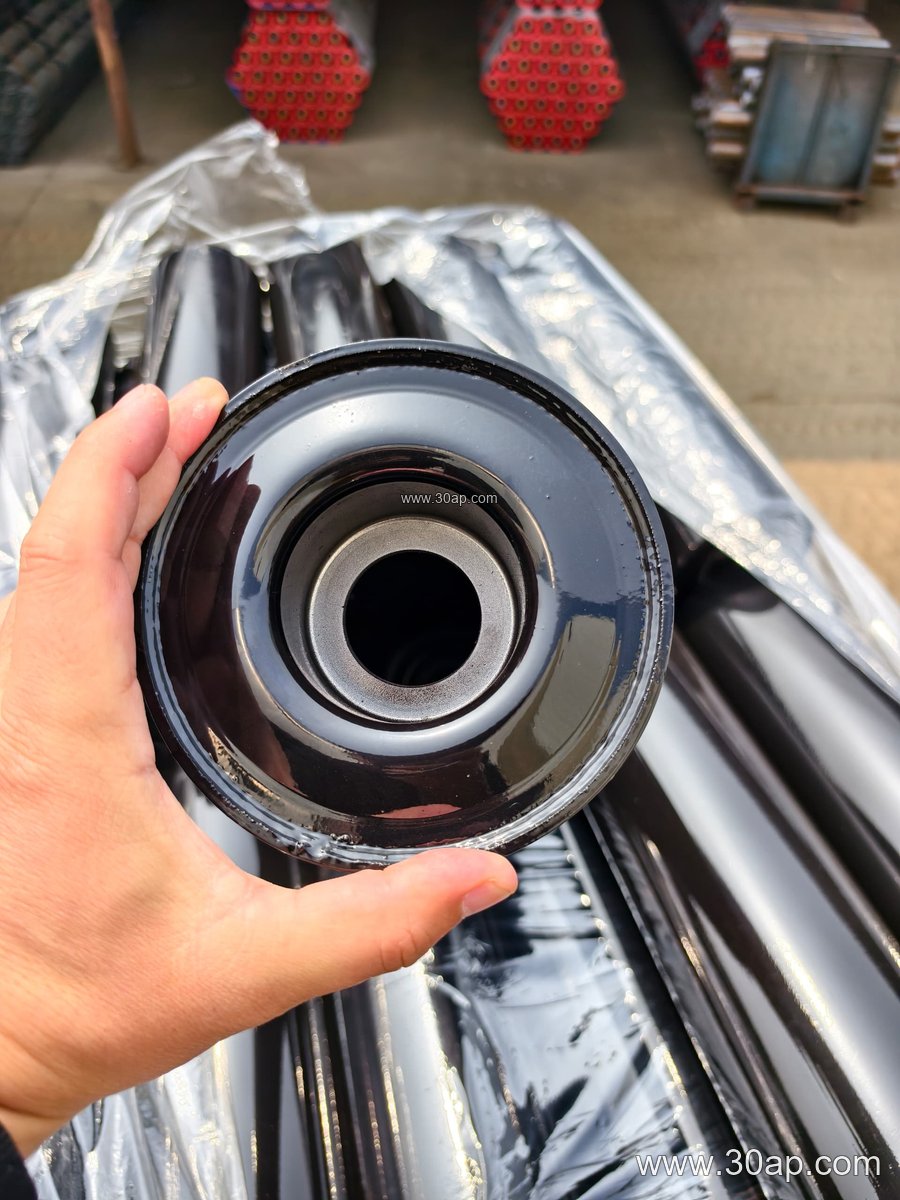
The core of any idler roller is a steel tube, often with a machined bearing housing at each end, a through shaft, and sealed bearings. A custom build adjusts these elements to the application: tube wall thickness, roller diameter, shaft diameter and length, bearing size, sealing arrangement, and the surface the belt actually touches. Surface options range from plain steel to nylon, ceramic, or rubber rings, depending on whether the goal is low friction, wear life, or impact absorption. Bearing selection is never a simple match to one tube size — a given roller diameter may be built with different bearing sizes depending on load and speed, so the drawing and the duty cycle decide the final combination. If the same conveyor also carries a skirted conveyor belt or a corrugated sidewall conveyor belt, the idler profile and clearances may need extra attention so the belt edges and cleats do not rub.
Where These Rollers Earn Their Place
Custom idlers turn up wherever a conveyor line has been modified, extended, or built around an unusual layout. In a quarry or aggregate line, a crusher discharge may need a closer roller spacing and rubber-ring impact rollers to absorb lumpy feed. In a coal handling plant or power plant coal yard, flame retardant conveyor belt runs often call for rollers with specific sealing and static control. Cement plants, lime kilns, and sinter plants may ask for heat-tolerant bearing grease and heavier tubes. Port terminals handling iron ore or copper ore concentrate tend to push toward thick-walled rollers and abrasion resistant conveyor belt combinations, while a sand making plant or stone crushing circuit may simply need a short custom length to fit a rebuilt frame. The point is that the roller is matched to the line, not the other way around.
Types and Dimensions a Buyer Will Be Asked About
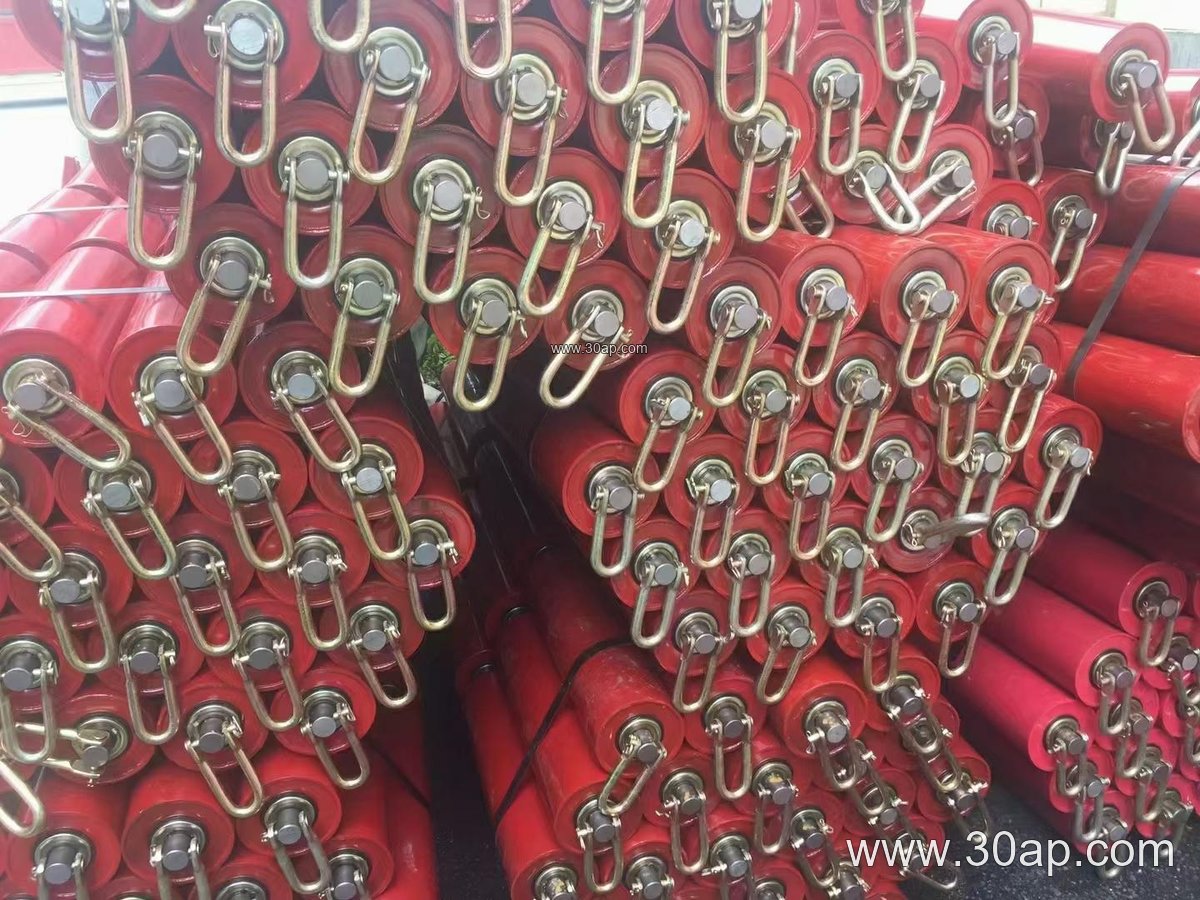
Most custom idler enquiries fall into a few familiar families. Troughing idlers carry the loaded strand, return idlers support the empty side, impact idlers sit under loading points, and self-aligning idlers help correct belt wander. The table below gathers common reference values; they are typical examples, not fixed rules, and the final figures come from the conveyor design.
| Item | Common Reference Values |
|---|---|
| Idler type | Troughing, return, impact, self-aligning, spiral, comb |
| Roller diameter | Ø63, Ø76, Ø89, Ø102, Ø108, Ø127, Ø133, Ø159, Ø178, Ø194, Ø219 mm |
| Belt width | B400 to B2400 mm |
| Trough angle | 20°, 30°, 35°, 45° |
| Roller surface | Steel tube, nylon, ceramic, rubber rings |
| Bearing size | 6204, 6205, 6305, 6306, 6308, 6310 (selected by load and speed) |
| Roller length (three-roll trough, example) | B500 ≈ 200 mm, B650 ≈ 250 mm, B800 ≈ 315 mm, B1000 ≈ 380 mm, B1200 ≈ 465 mm, B1400 ≈ 530 mm, B1600 ≈ 600 mm, B1800 ≈ 670 mm, B2000 ≈ 750 mm |
Side rollers and centre rollers can differ in length, and a two-roll or single-roll arrangement changes the picture again. Belt width and roller diameter are separate decisions: a 1200 mm wide conveyor belt does not dictate one roller diameter, and a roller diameter does not fix the shaft size. Both come from load, speed, and frame geometry.
What to Put on the Enquiry
- Belt width and belt type, for example an EP conveyor belt, steel cord conveyor belt, or heat resistant conveyor belt.
- Roller position on the conveyor and the trough angle if troughing.
- Required roller diameter, roller length, and shaft end detail, with a sketch if possible.
- Bearing preference and sealing expectation for dust or water exposure.
- Surface choice: plain steel, nylon, ceramic, or rubber ring.
- Environmental notes such as temperature, abrasion, oil, or static risk.
Clear drawings shorten the loop between enquiry and delivery. A dimensioned sketch of the conveyor bracket and frame opening is often more useful than a long description, because it shows exactly where the custom idler has to fit.
Fitting and Maintenance Notes
Custom rollers should be checked against the frame before the line is run. Confirm that the shaft ends seat properly in the conveyor bracket, that the roller turns freely by hand, and that the belt sits centred on the trough. Keep the sealing area clean and re-grease only where the bearing arrangement allows it. On heavy-duty mining conveyor belt circuits, a periodic walk-down to spot seized rollers, worn rubber rings, or damaged shells prevents belt edge damage and reduces the chance of a stoppage. Spare custom idlers kept on site in the most wear-prone positions are a practical safeguard for plants that cannot afford long downtime.