What a 1500mm Wide Conveyor Belt Is
A 1500mm wide conveyor belt is a heavy-duty belting product built for conveyor lines that must move large volumes of bulk material in a single pass. With a nominal width of 1500 mm, it sits in the wide-belt category, above common 1000mm and 1200mm sizes and below extra-wide options such as 1800mm and 2000mm. The extra width raises carrying capacity and spreads the load across the carcass, which suits main haulage lines in mining, cement, power generation, ports and aggregate plants.
In practice, buyers refer to this product by several equivalent names, including a 1500mm wide conveyor belt, a 1.5m wide belt, or simply a wide conveyor belt in 1500mm width. All describe the same belting item; the width is the defining dimension, while the construction and rubber compound are selected separately for the duty.
Construction and Common Specifications
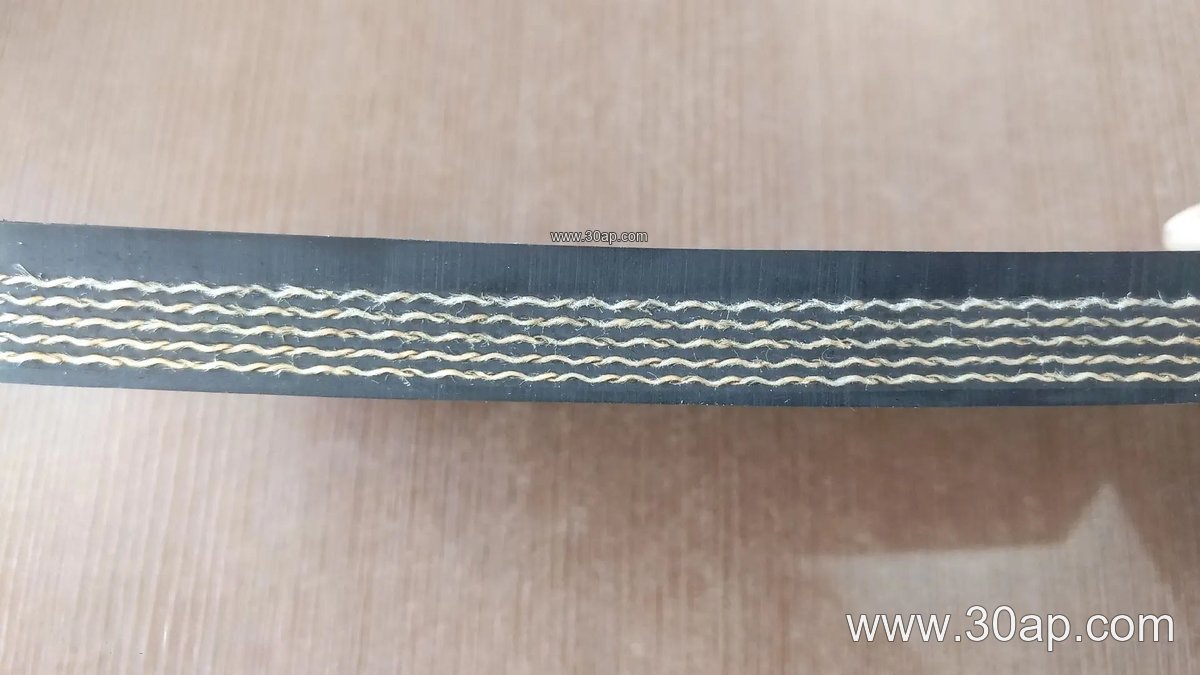
The belt is typically built from a fabric or steel cord carcass covered with rubber on both faces. Fabric-cored versions may use EP (polyester-cotton) or NN (nylon-nylon) plies, usually 2 to 6 layers depending on the required strength. Steel cord constructions are chosen when very high tensile strength and low elongation are needed on long conveyors.
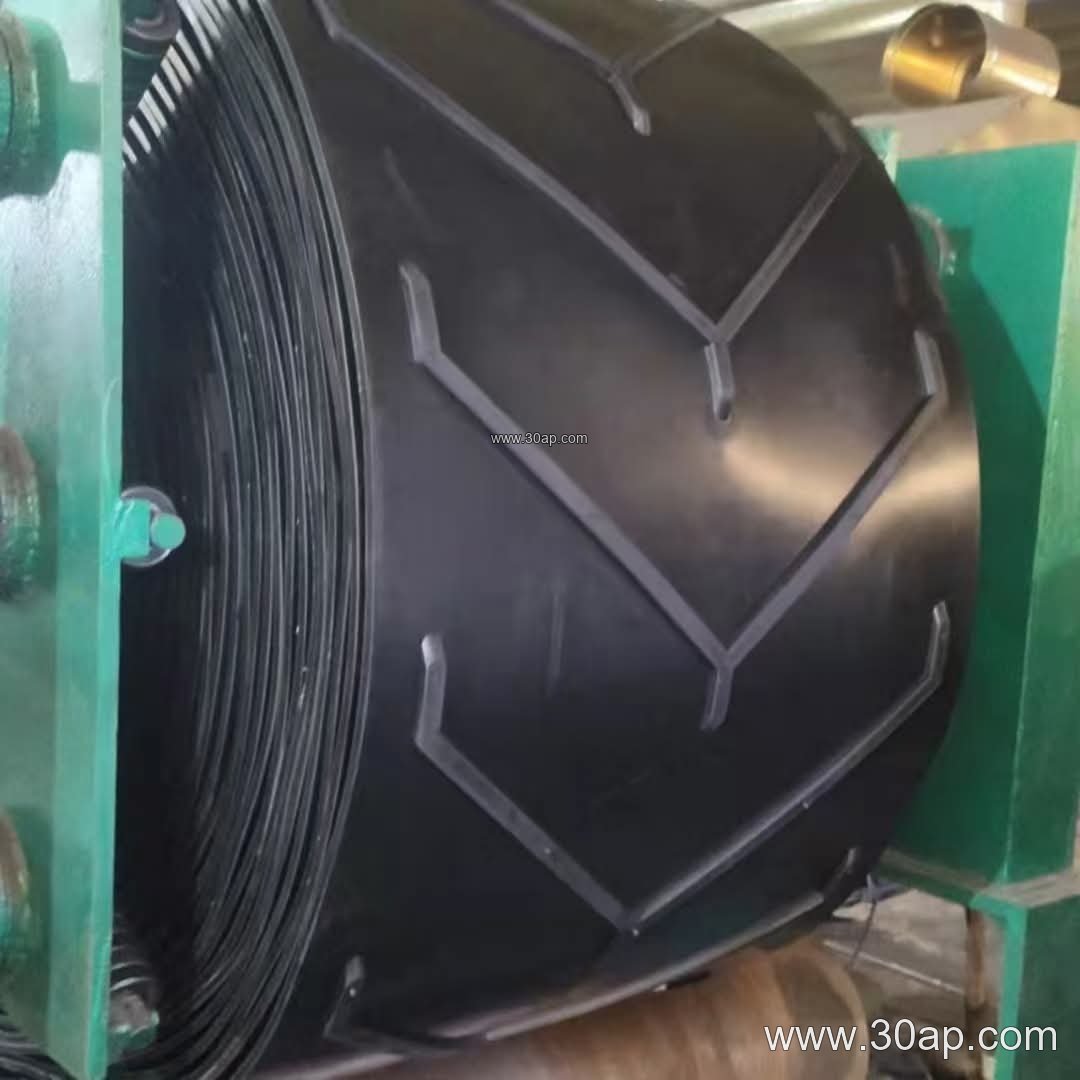
Cover rubber grades are matched to the environment: abrasion resistant for sand and stone, heat resistant near clinker or sinter, flame retardant for underground coal mining, oil resistant for workshops, and cold resistant for outdoor winter operation. Edge and surface forms such as chevron, corrugated sidewall or skirted belts are separate subtypes and should be specified only when the application calls for them.
| Parameter | Typical range (reference only) |
|---|---|
| Belt width | 1500 mm (B1500) |
| Fabric strength grades | EP200, EP315, EP400, EP500, EP630, EP800, EP1000 |
| Steel cord grades | ST1000, ST1250, ST1600, ST2000 |
| Number of fabric plies | 2 to 6 |
| Cover thickness (top + bottom) | 4+2, 5+2, 6+2, 8+3 mm |
Figures above are common industry references, not a fixed supply promise. Final construction is confirmed by the belt designer together with the conveyor layout.
Where This Width Fits
A 1500mm wide belt is often found on main line conveyors in metal mines and coal preparation plants, on clinker transport in cement works, on coal yard and ash handling lines in power stations, and on ship loading or stockyard systems at ports. It also appears in large sand and gravel plants and crusher discharge lines where throughput is high and the belt runs continuously.
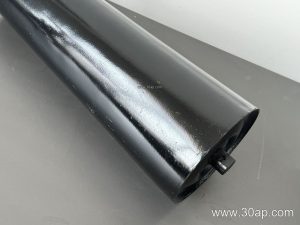
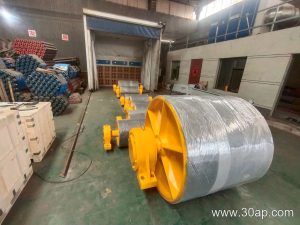
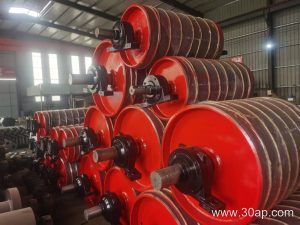
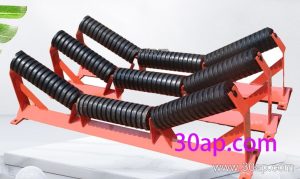
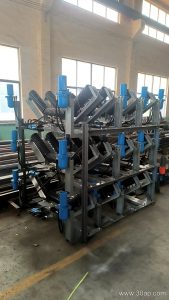
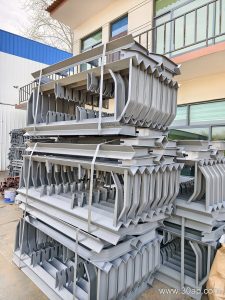
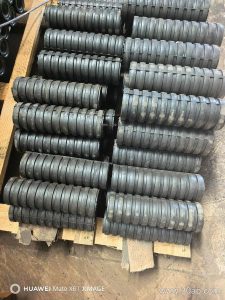
Because of the width, the supporting structure must be matched: idler rollers should be sized and spaced for the belt load, and the conveyor pulley diameters, shaft sizes and bearing selections are determined by the drive duty, belt tension and pulley position, not by width alone. Drive pulleys, tail pulleys and bend pulleys each play a different role and are not interchangeable. Conveyor brackets and frames should be checked for adequate clearance and alignment.
Selection Points for Buyers
- Confirm the required tensile grade and number of plies from the conveyor power and length calculation.
- Match the cover compound to the material: abrasive, hot, oily, wet or flammable.
- State whether the belt must be anti-static or flame retardant for underground coal mining service.
- Check pulley face width, trough angle and transition distance so the 1500mm belt trains correctly.
- Decide between open-end delivery and an endless conveyor belt spliced on site.
- Ask for the actual measured width and thickness tolerances before installation.
For related hardware, confirm idler roller diameters and spacing, conveyor pulley dimensions and bracket layouts with the same supplier so the whole line works together.
Handling and Maintenance Notes
Wide belts need careful storage and lifting to avoid edge damage. During operation, monitor tracking, splice condition and cover wear; a 1500mm belt running off-centre can damage edges quickly. Keep idler rollers turning freely and inspect pulleys for build-up that affects belt path. For high-abrasion duties, an abrasion resistant conveyor belt grade extends service life, while heat resistant or flame retardant grades protect the line in cement and coal mining environments.
Whether the final choice is an EP conveyor belt, an NN fabric core belt or a steel cord belt, the 1500mm width should be treated as one design input among many, confirmed against the actual conveyor duty and site conditions.