What a Lower Self-Aligning Idler Does
A lower self-aligning idler is a return-side idler roller designed to correct belt drift before it becomes a problem. Mounted beneath the carrying run, it senses a belt that has wandered off center and steers it back. On a long overland conveyor or a short transfer in a sand and gravel plant, this small correction saves edge damage, spillage, and premature wear on the conveyor belt.
Unlike a fixed flat return idler, the self-aligning version pivots. When the belt edge contacts a vertical guide roller, the frame swings slightly and the angled rollers push the belt back toward the center line. This is why operators often call it a training idler or belt training roller, though the lower self-aligning idler remains the precise name for the return-side unit.
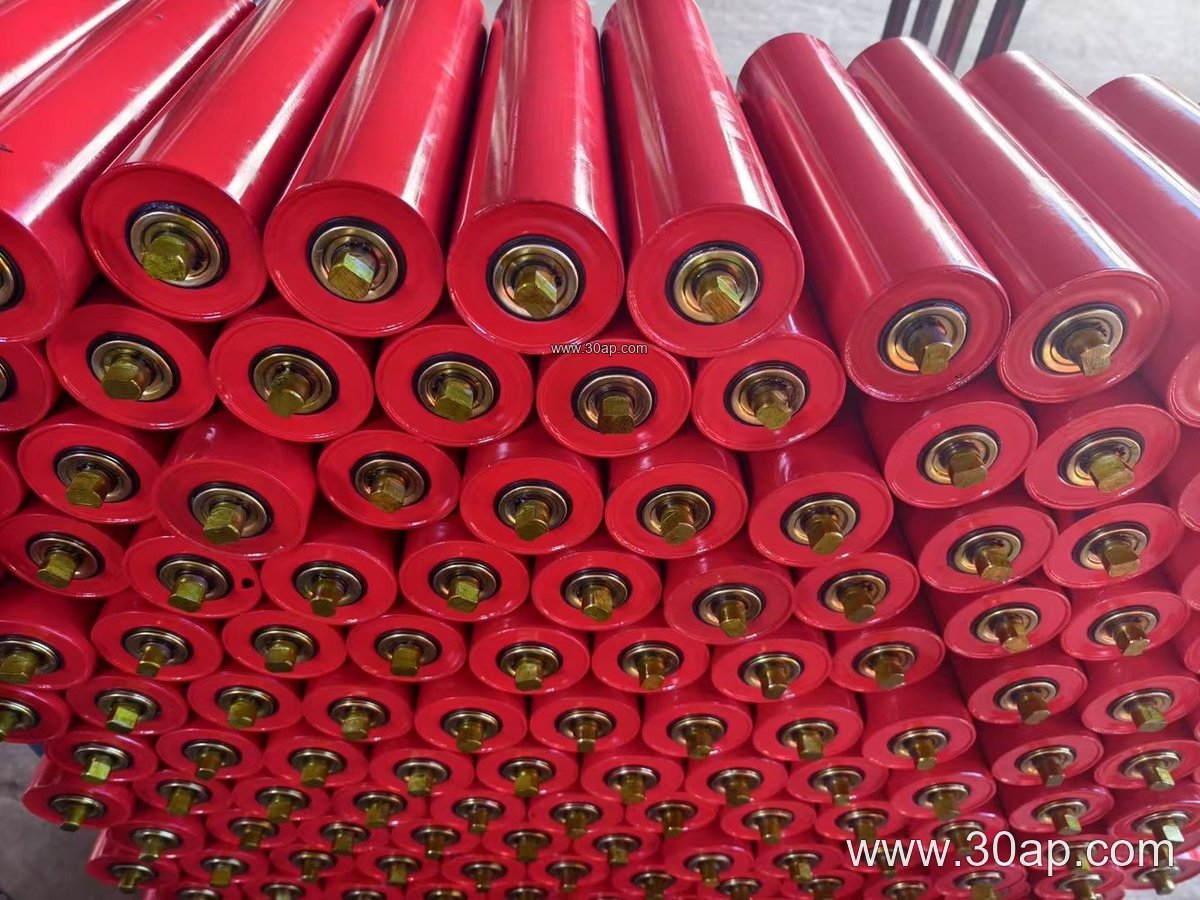
Construction and Working Principle
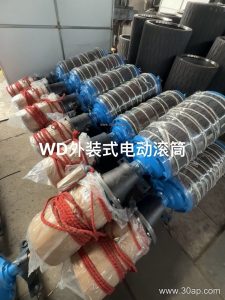
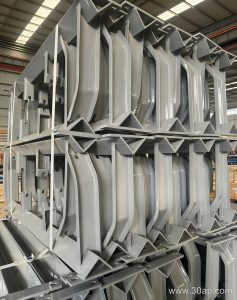
The assembly usually combines a pivoting frame, two or more idler rollers, and a pair of vertical guide rollers on the edges. The frame turns on a central pivot. Friction between the belt and the angled rollers generates a small sideways force, and the guide rollers trigger the swing when the belt drifts. Return-side units are commonly built as V-type or two-roller arrangements, so the belt rests in a shallow trough that encourages centering.
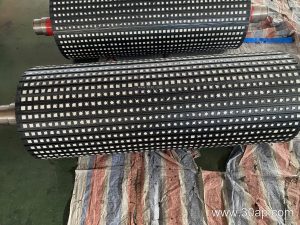
- Roller shell: steel tube is standard, with rubber or ceramic lagging available for sticky or abrasive service
- Bearing: sealed ball bearings such as 6205, 6305, or 6306 are common, selected by load and shaft design rather than by belt width alone
- Sealing: labyrinth or contact seals protect the bearing from dust and water ingress
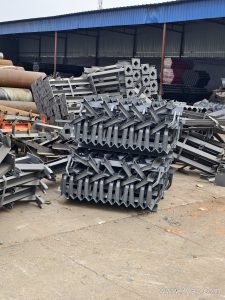
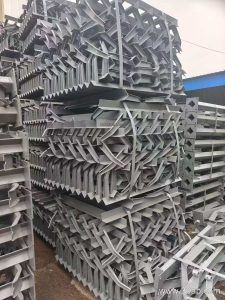
- Frame: welded steel with a pivot shaft and mounting brackets that bolt to the conveyor bracket
The guide rollers are the key to sensitivity. If they are set too tight, the idler reacts to normal belt wander and causes over-correction. A small clearance, typically a few millimeters, is usually specified so the unit responds only to real misalignment.
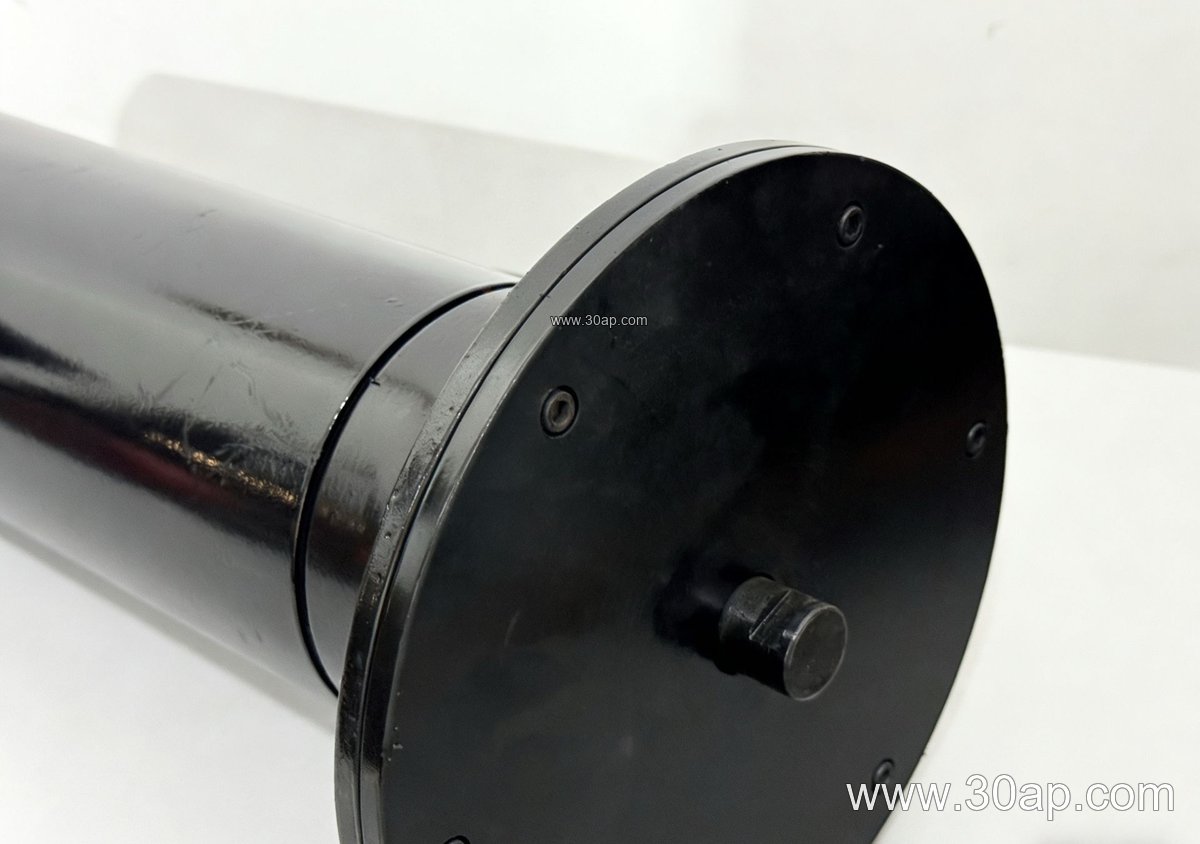
Where It Fits on the Conveyor
Lower self-aligning idlers are placed at intervals along the return run, often near the tail, before the bend pulley, and at points where the belt is known to drift. In a coal handling system feeding a power plant boiler, or a limestone conveyor at a cement plant, return-side tracking problems often appear after a curve or a transition. Placing a training idler downstream of that transition is common practice.
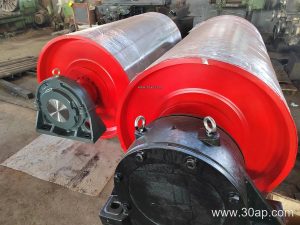
They are not a substitute for a bend pulley or a tail pulley. Those components change belt direction and carry tension; the lower self-aligning idler only guides the return strand. Likewise, a troughing idler on the carrying side performs a different job, so the two should not be confused when specifying spares.
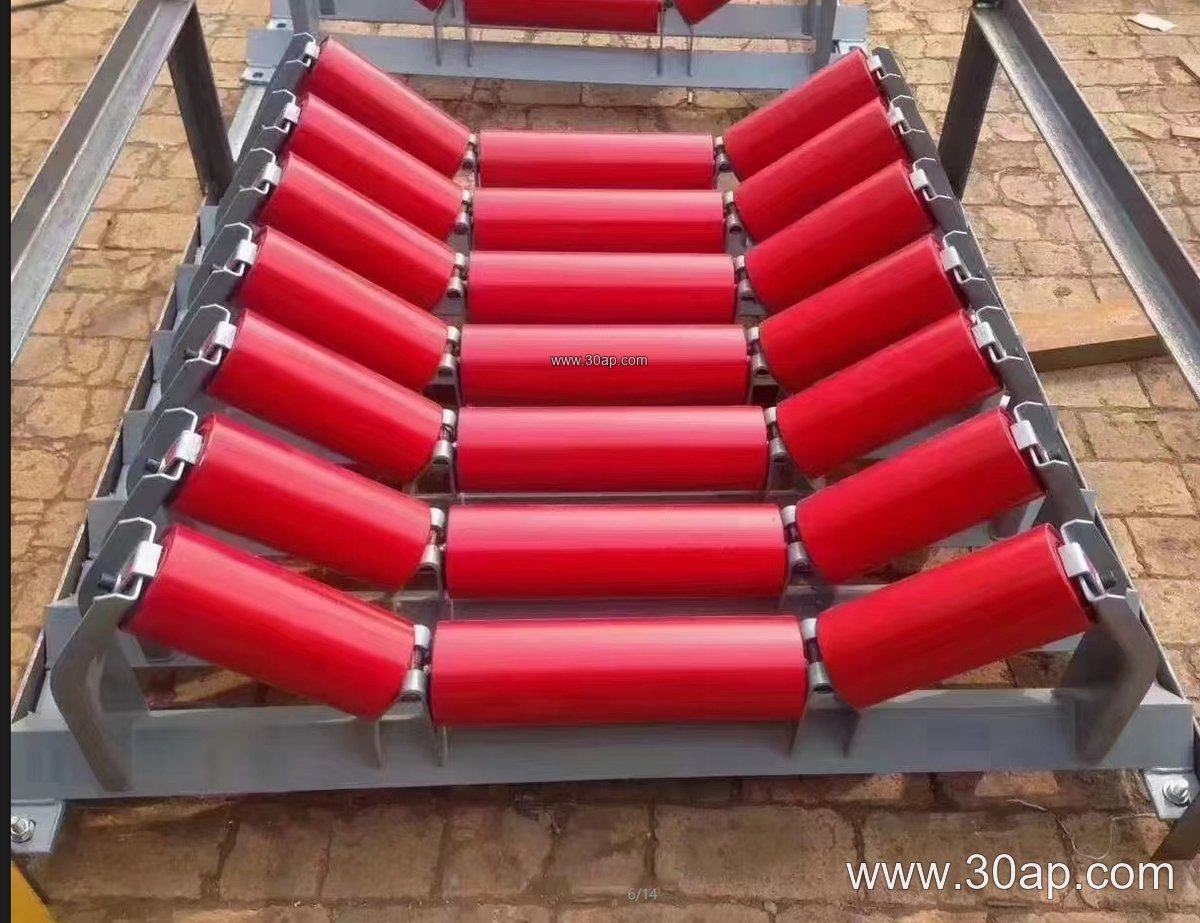
Common Sizes and Configuration Reference
Sizing follows the conveyor design, not a fixed rule. The table below shows typical reference values; final dimensions depend on belt width, trough angle, and the idler group arrangement.
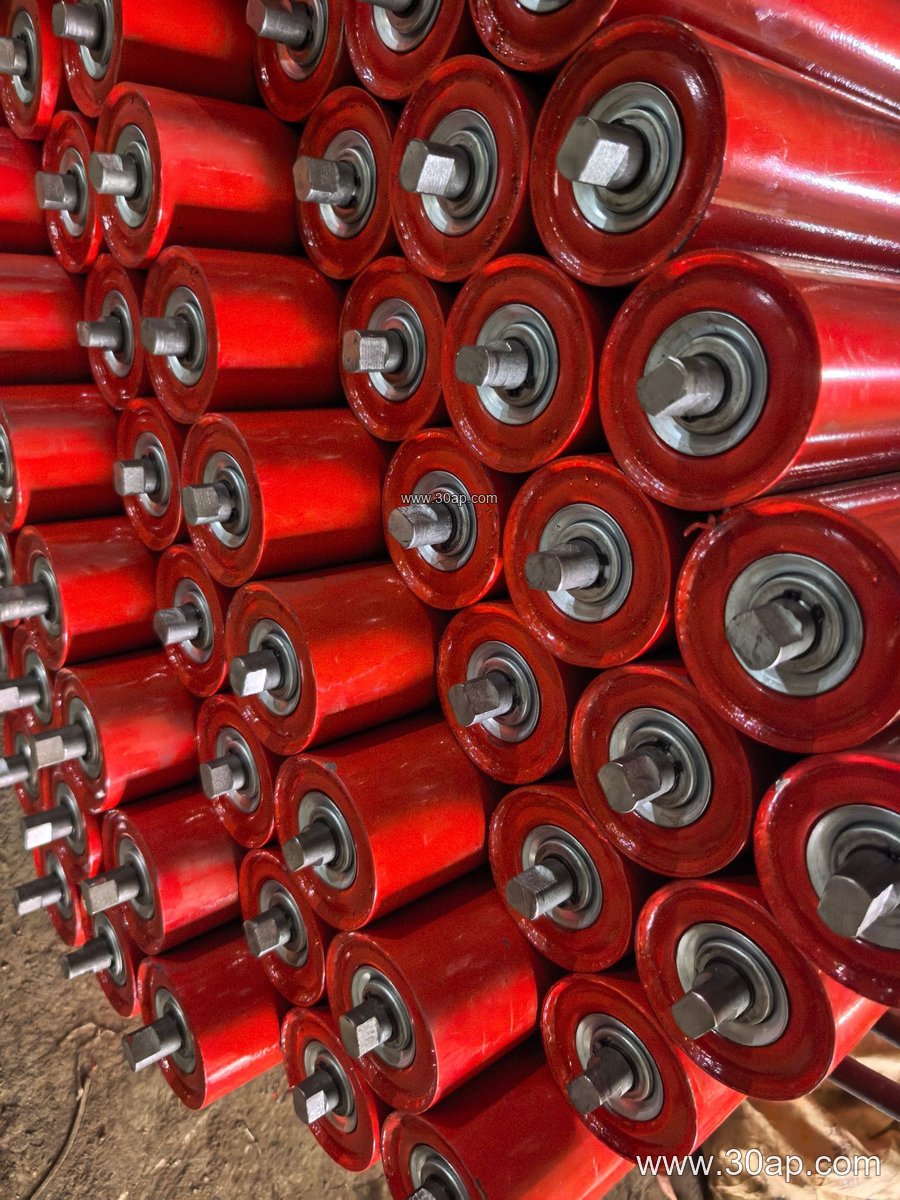
| Item | Typical Reference Range |
|---|---|
| Roller diameter | Ø89, Ø102, Ø108, Ø127, Ø133, Ø159 mm |
| Belt width | B650, B800, B1000, B1200, B1400, B1600 mm |
| Return arrangement | Single roller, two-roller V type |
| Bearing | 6205, 6305, 6306, 6308 (selected by load) |
| Shell surface | Steel, rubber lagged, ceramic lagged |
For a heavy-duty mining conveyor belt carrying iron ore, larger diameters and heavier bearings are usual. For a medium-duty aggregate conveyor belt in a quarry, a Ø102 or Ø108 roller on a B800 or B1000 frame is a common starting point. None of these pairings is mandatory; the engineer confirms shaft, bearing, and frame together.
Buyer Checklist
Before ordering, confirm the belt width, the return idler spacing, the mounting hole pattern on the conveyor bracket, and the environment. A dusty coal yard may call for better sealing, while a wet wash plant may need corrosion protection. Check whether the existing return idlers are flat or V-type, because the self-aligning unit must match the belt line height. Also confirm the guide roller clearance and whether the pivot needs a grease point or a sealed lifetime bearing.
Ask for the roller diameter, shell thickness, bearing number, and frame drawing. On conveyors handling sticky material, rubber or ceramic lagging can reduce build-up and improve tracking. Where fine dust is present, anti-static properties of the belt and grounding of the frame deserve attention, though the idler itself is a mechanical guide.
Maintenance Notes
Inspect the guide rollers first; worn or seized guide rollers make the unit either unresponsive or overly sensitive. Check the pivot for free movement and clean out packed material around the frame. Replace rollers when the shell wears thin or the bearing becomes noisy. On a port conveyor or a crushing and screening line, a monthly walk-by inspection of return-side training idlers is usually enough to catch drift early. Keeping the belt centered protects the conveyor belt edges and reduces spillage at transfer points.