What Is a Fabric Core Conveyor Belt
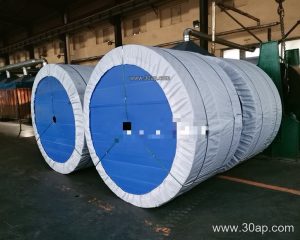
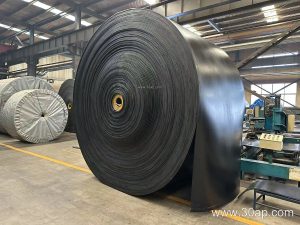
A fabric core conveyor belt is a type of conveyor belt whose load-bearing skeleton is made from woven textile layers, known as plies, rather than steel cords. This construction gives the belt flexibility, good troughability, and resistance to repeated flexing around pulleys. The fabric core conveyor belt is widely used in mining, coal preparation, cement plants, power stations, quarries, and sand and gravel yards for transporting bulk materials such as ore, coal, clinker, limestone, and aggregates.
Common synonyms include textile conveyor belt and fabric-reinforced conveyor belt. The most familiar subtypes are EP conveyor belt (polyester-cotton canvas) and NN conveyor belt (nylon-nylon canvas). Both belong to the fabric core family, but they differ in tension member and elongation behavior. For heavy-duty, long-distance haulage, a steel cord conveyor belt may be chosen, but that is a different product category and not a replacement for fabric core belts in most primary and secondary crushing circuits.
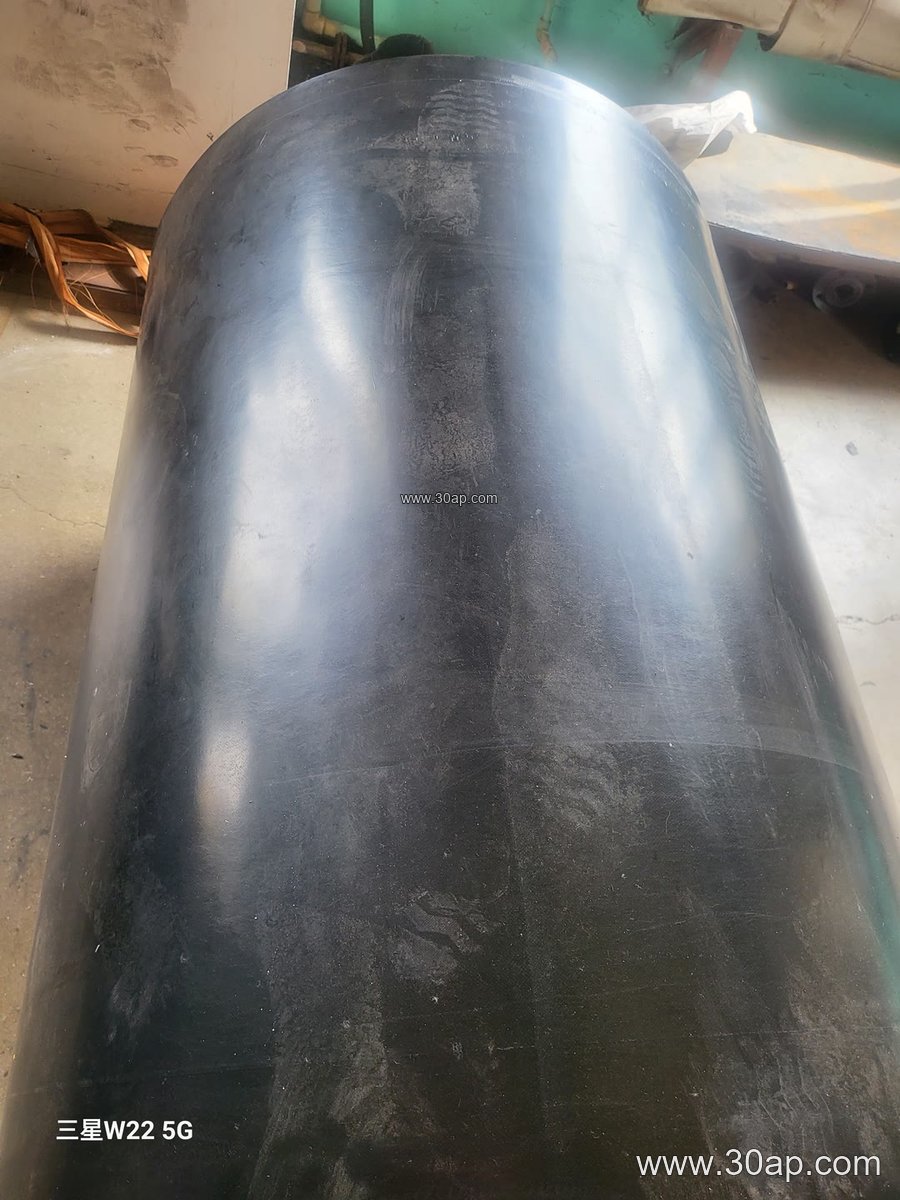
Construction and Key Components
The belt body usually consists of two to six fabric plies bonded with rubber skim compound, topped and bottomed by cover rubber. The cover protects the carcass from abrasion, impact, moisture, and chemicals, while the plies carry the tensile load. A buyer will often see cover thickness expressed as top cover plus bottom cover, for example 4+2 mm, 5+2 mm, 6+2 mm, or 8+3 mm. The number of plies and the strength of each ply determine the belt’s rated tensile strength, commonly given in EP or NN grades such as EP200, EP400, EP630, EP800, EP1000, EP1250, and EP1600.
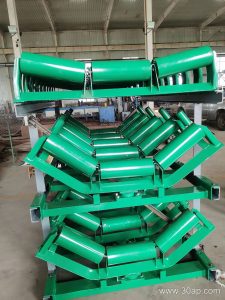
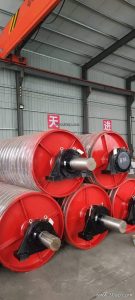
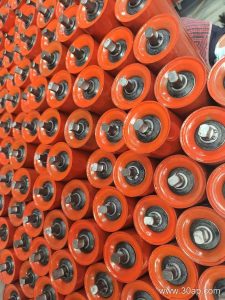
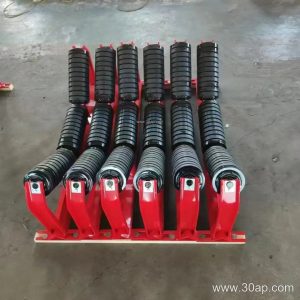
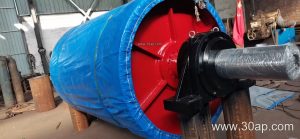
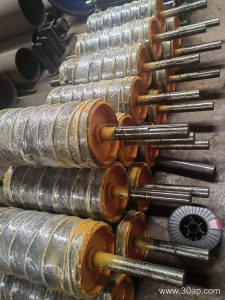
On the conveyor structure, the belt runs over idler rollers that support the carrying and return strands, and around a drive pulley and a tail pulley that are not interchangeable. A bend pulley may be used to change direction, but it performs a different duty from the drive pulley. Conveyor brackets hold the idlers and pulleys in alignment. Proper matching of belt width to pulley face width and idler trough angle is a design decision, not a fixed rule; a 1000mm wide belt and a 1200mm wide belt can each be used with different pulley diameters depending on tension and wrap angle.
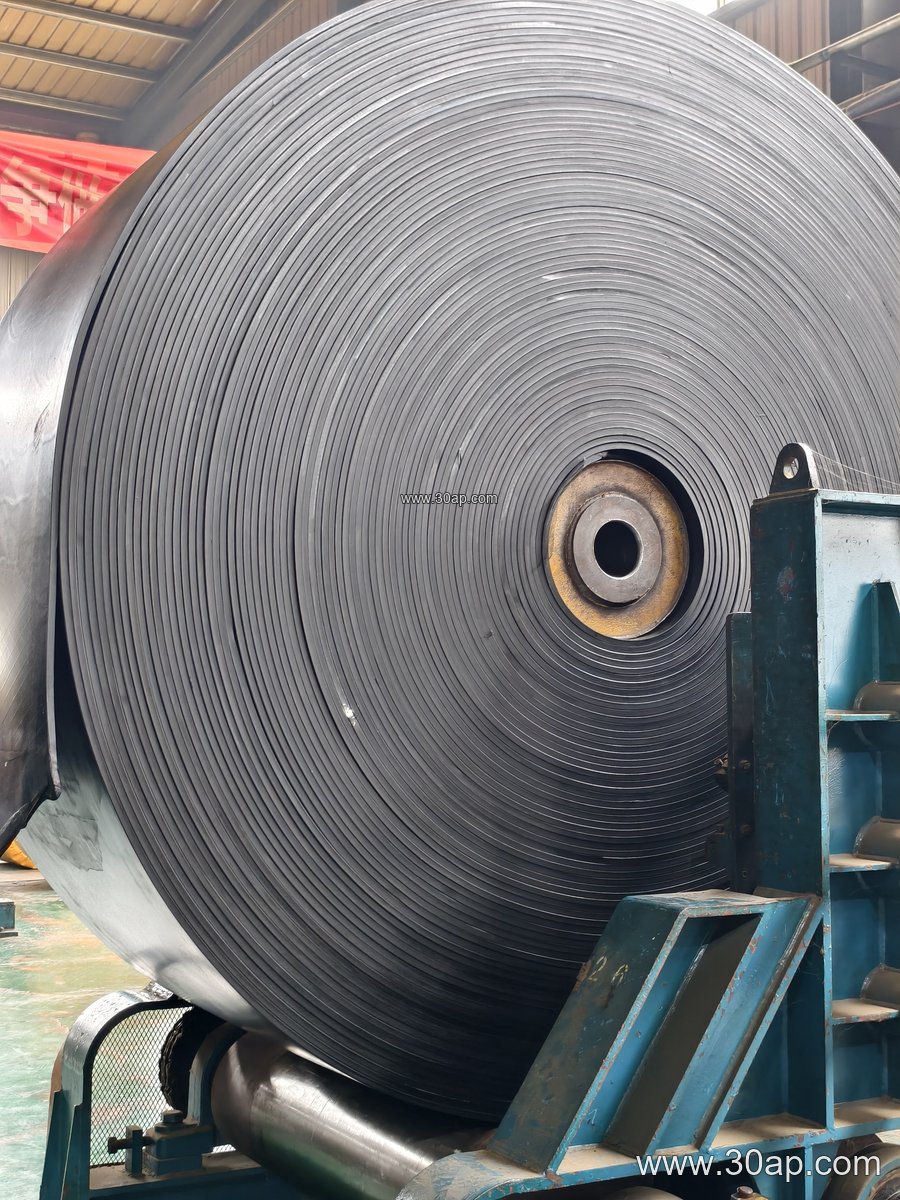
Typical Specifications and Configurations
Fabric core belts are available in a range of widths and strength grades. The table below shows common reference values; actual supply should be confirmed with the manufacturer or designer.
| Parameter | Common Reference Range |
|---|---|
| Belt width | B500, B650, B800, B1000, B1200, B1400, B1600, B1800, B2000 mm |
| Strength grade (EP/NN) | EP200, EP315, EP400, EP500, EP630, EP800, EP1000, EP1250, EP1600, EP2000 |
| Number of plies | 2 to 6 plies, occasionally more for special duty |
| Cover thickness | 3+1.5 mm, 4+2 mm, 5+2 mm, 6+2 mm, 8+3 mm |
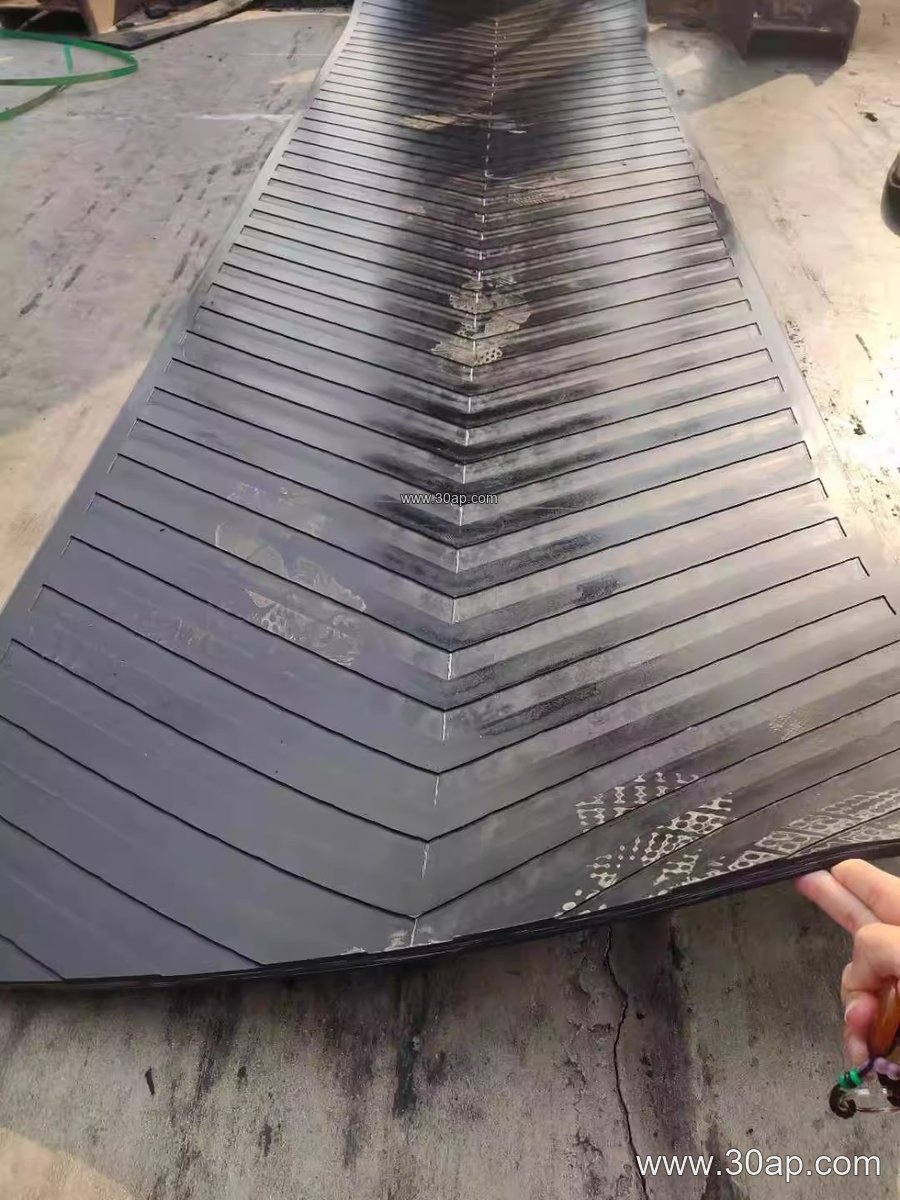
| Surface forms | smooth, chevron (patterned), corrugated sidewall, skirted |
For example, an EP1000 1200mm conveyor belt might be used on a primary crushing line, while an EP630 800mm belt could serve a smaller aggregate transfer. NN belts are often selected where high elongation and impact resistance are needed. A multi-ply fabric core conveyor belt with 5+2 mm covers is common in cement and power plant applications where abrasion is moderate but continuous operation is required.
Where Fabric Core Belts Are Used
In mining and coal mining, flame retardant and anti-static grades are often specified for underground mining conveyor belts. In quarries and sand making plants, abrasion resistant conveyor belts handle crushed rock and aggregate. Cement plants use heat resistant conveyor belts for clinker and oil resistant belts where lubricants may drip. Power plants rely on fabric core belts for coal and ash handling. Ports and ship loading terminals use wide belts, sometimes 1800mm or 2000mm, for high throughput. Recycling and construction industries also use fabric core belts because they tolerate mixed loads and frequent starts.
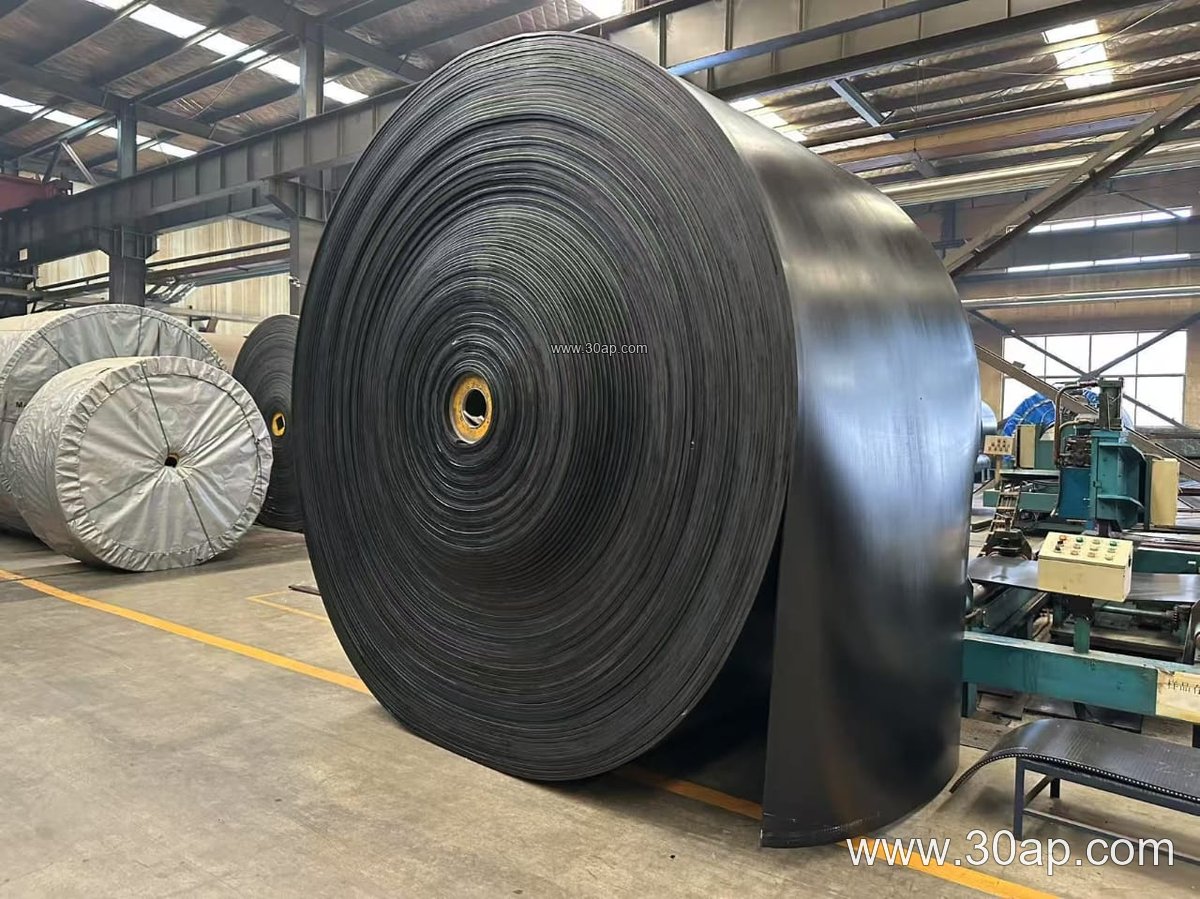
Related equipment such as idler rollers, conveyor pulleys, and conveyor brackets should be selected together with the belt. A heavy-duty mining conveyor belt may need impact idlers at the loading point and a drive pulley sized for the starting torque. A chevron conveyor belt or corrugated sidewall belt is a different surface form used for steep inclines, not a substitute for a standard fabric core belt on a flat run.
Buyer Checklist
- Confirm material type, lump size, and temperature to choose cover compound and strength grade.
- Check whether flame retardant, anti-static, oil resistant, or heat resistant properties are required.
- Match belt width to the conveyor frame and pulley face, and verify ply count against calculated tension.
- Review cover thickness and surface form; smooth, chevron, and skirted belts serve different functions.
- Ask for the manufacturer’s data sheet for the exact EP or NN grade and cover thickness before ordering.
For more information on fabric core conveyor belts, EP conveyor belts, and related components, visit www.example.com/fabric-core-conveyor-belt.