What a Spiral Return Idler Does
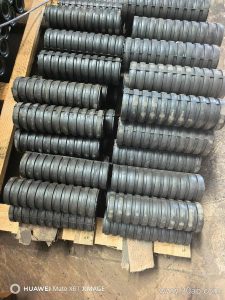
A spiral return idler is a rotating roller with a helical steel flight wrapped around its shell, mounted on the return strand of a conveyor to support the belt after it has discharged material. The spiral shape is the defining feature: as the roller turns, the helix continuously scrapes and guides the belt, helping to shed sticky carryback and reduce the buildup that can cause mistracking. In many plants this component is also called a spiral roller or helix return roller, and it performs the same function under those names.
Unlike a flat return idler, the spiral return idler is often used where the belt is prone to material adhesion. The helical flight does not replace the need for a proper belt cleaner, but it works as a secondary defense in the return run, especially in dusty or wet conditions.
Construction and Key Components
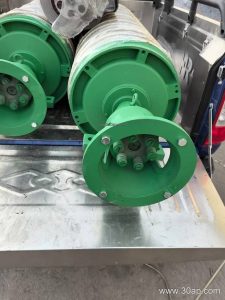
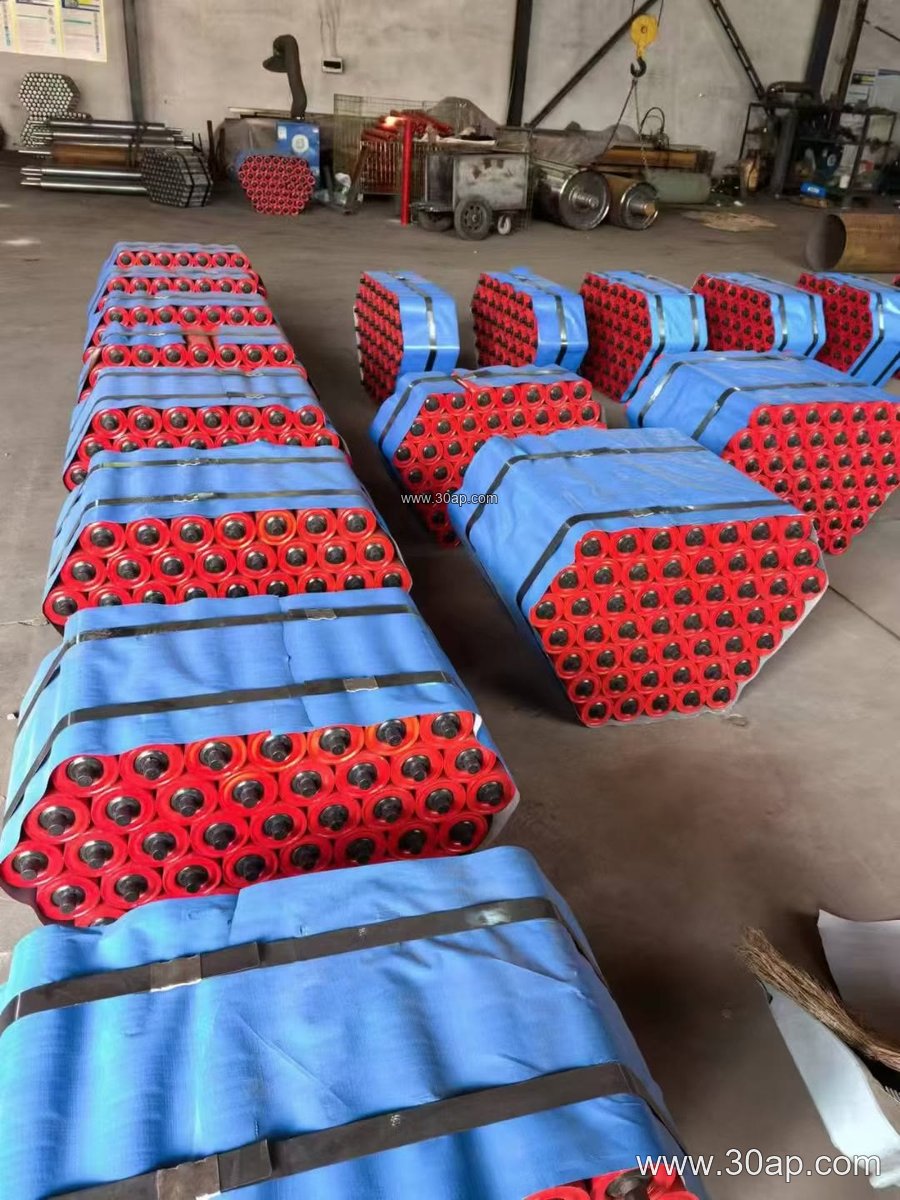
The body is typically a steel tube with a continuous spiral flight welded to the surface. The ends are fitted with bearing housings, and the shaft is supported by bearing blocks that mount to the conveyor bracket. Common bearing sizes include 6204, 6205, 6305, 6306, 6308 and 6310, selected according to load and roll diameter rather than a fixed rule. Roll diameters often range from Ø63 to Ø219, and the shell may be plain steel or supplied with a rubber or ceramic surface for extra wear protection.
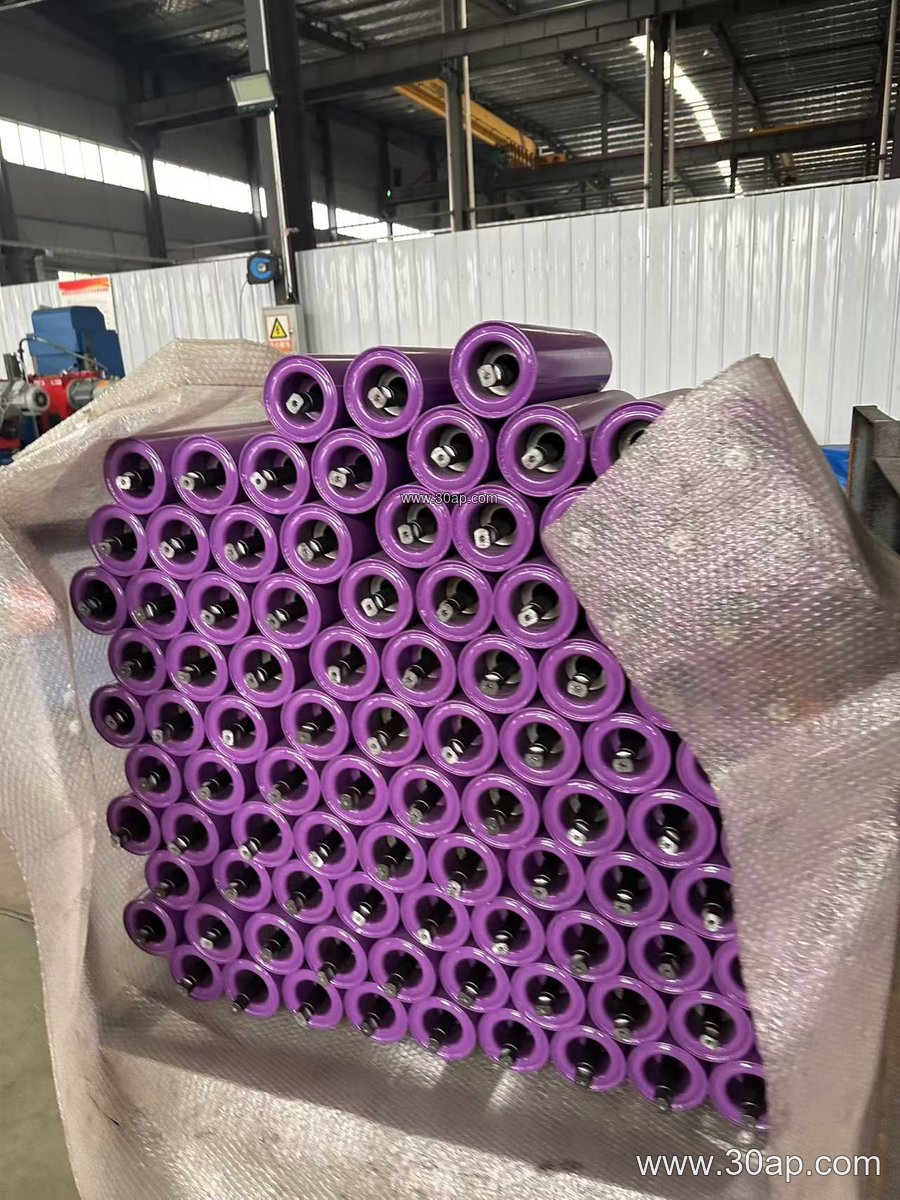
Sealing is critical in spiral return idlers because the return strand is often exposed to fine dust and moisture. Labyrinth seals and contact seals are common, and some designs include a grease retention feature. The spiral pitch and flight height are usually matched to the belt width and the expected carryback volume; these are design choices, not universal standards.
Where It Fits in the Conveyor Layout
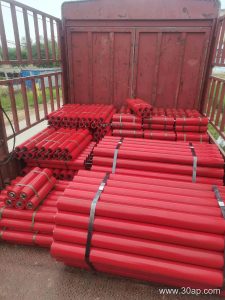
Spiral return idlers are installed on the return side of the conveyor belt, between the head pulley and the tail pulley. They are not drive pulleys, tail pulleys or bend pulleys, and they should not be used as replacements for those components. In a typical conveyor, the return idlers support the empty belt and help maintain a consistent belt path. The spiral return idler is especially relevant in:
- Aggregate and quarry conveyor lines where dust and small stones cling to the belt.
- Coal mining and coal handling systems that handle moist or sticky material.
- Cement plants and power plant coal yards where fine powder accumulates.
- Port and ship loading conveyors that run in open air and encounter variable weather.
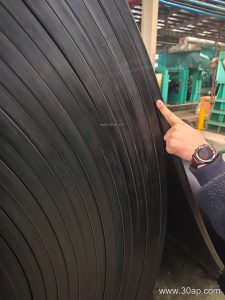
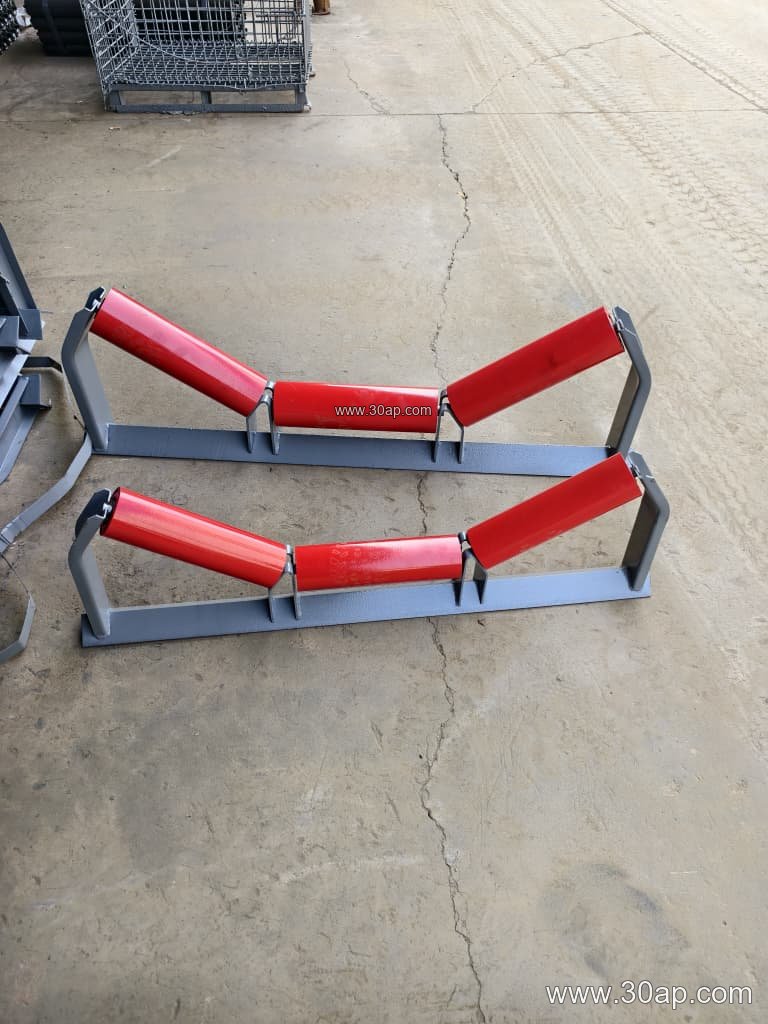
In these settings, the spiral return idler is often paired with a rubber conveyor belt or an EP conveyor belt, and it can be used alongside V-type return idlers or flat return idlers depending on the belt width and the space available. The idler roller itself is mounted on a conveyor bracket, and the bracket spacing should follow the conveyor design rather than a single universal figure.
Selection and Sizing Notes
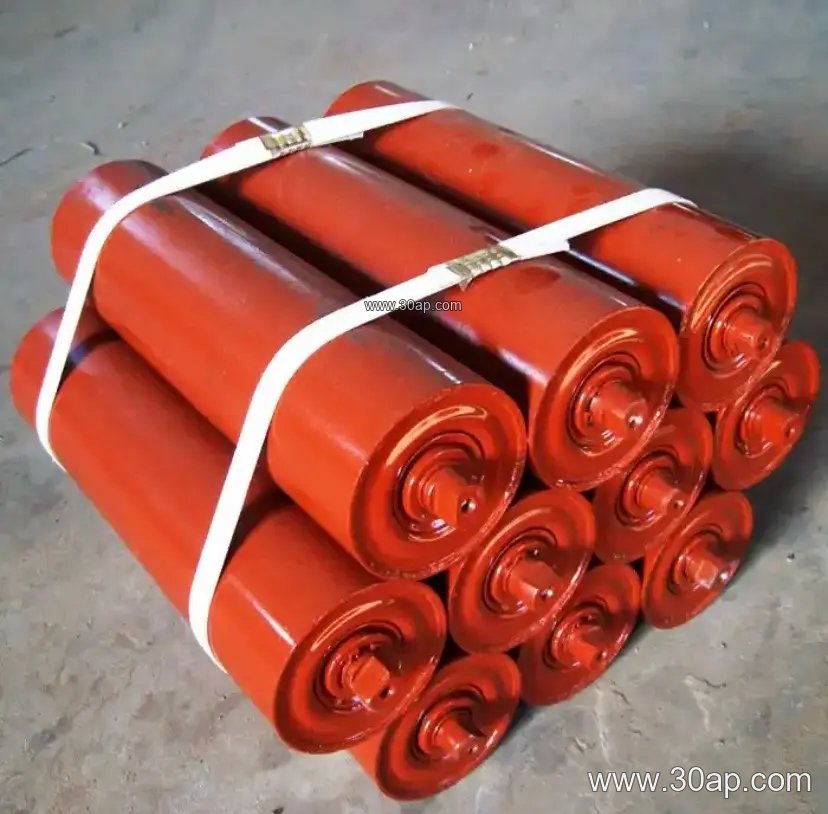
Buyers should consider the belt width, the return strand load, the roll diameter and the bearing size together. For reference, common belt widths include B400, B500, B650, B800, B1000, B1200, B1400, B1600, B1800 and B2000, and roll diameters are often chosen from a range such as Ø89, Ø108, Ø127, Ø133, Ø159 and Ø178. These are reference values, not mandatory pairings. The table below gives an example of how spiral return idler dimensions might be organized for a project; actual sizes are determined by the conveyor design.
| Belt Width (reference) | Common Roll Diameter Range | Typical Bearing Options | Mounting |
|---|---|---|---|
| B500–B800 | Ø63–Ø108 | 6204, 6205, 6305 | Conveyor bracket |
| B1000–B1400 | Ø108–Ø159 | 6305, 6306, 6308 | Conveyor bracket |
| B1600–B2000 | Ø133–Ø219 | 6308, 6310 | Conveyor bracket |
Spiral return idlers are available with different surface forms, and the choice depends on the material being conveyed. In abrasive conditions, a rubber-covered spiral may last longer, while a plain steel spiral is easier to clean. For flame retardant or fire resistant requirements, the idler itself is usually specified with the conveyor belt and the overall system, not as a standalone certification.
Maintenance and Buyer Checklist
Inspect the spiral return idler for worn flights, loose bearing housings and material buildup. A spiral that is packed with hardened material can stop rotating and flat-spot the belt. Check that the idler turns freely by hand and that the bracket bolts remain tight. When replacing a spiral return idler, confirm the shaft diameter and bearing size against the existing conveyor bracket, and verify that the roll length suits the belt width and the return idler arrangement.
For projects involving heavy-duty mining conveyor belts, steel cord conveyor belts or heat resistant conveyor belts, the spiral return idler should be selected as part of the complete conveyor component package. Buyers can specify the spiral return idler with the required roll diameter, bearing size and surface finish, and should request dimensional drawings for confirmation before ordering. The idler roller is a wear part, so keeping a small stock of common sizes can reduce downtime in a quarry, coal preparation plant or cement line.