What a Welded Pulley Is
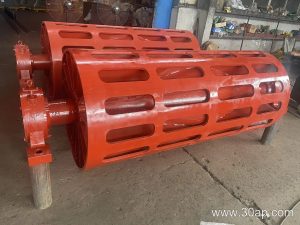
A welded pulley is a conveyor pulley whose shell, end discs and hub assembly are joined by welding rather than by a bolted or cast construction. In a belt conveyor, this component transmits motion to the conveyor belt or changes its direction, and because the joints are fused, the finished drum behaves as one stiff unit. Buyers often call it a welded drum pulley or a fabricated steel pulley, and both names refer to the same product. It is a workhorse in stone crushing lines, cement plants and bulk terminals where steady rotation under load matters more than cosmetic finish.
How the Shell and Hub Come Together
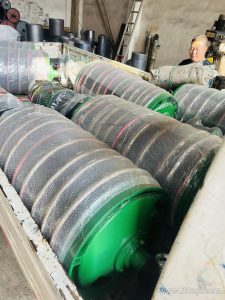
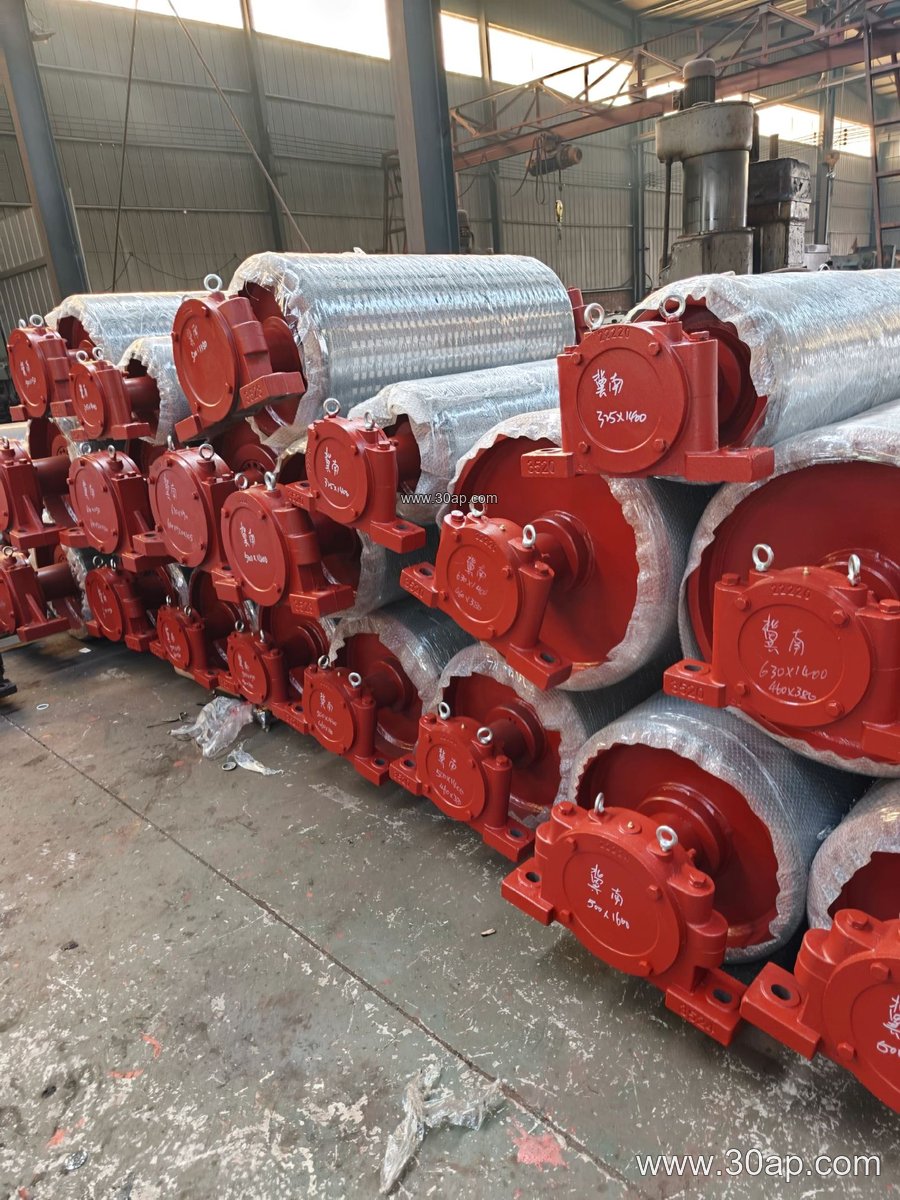
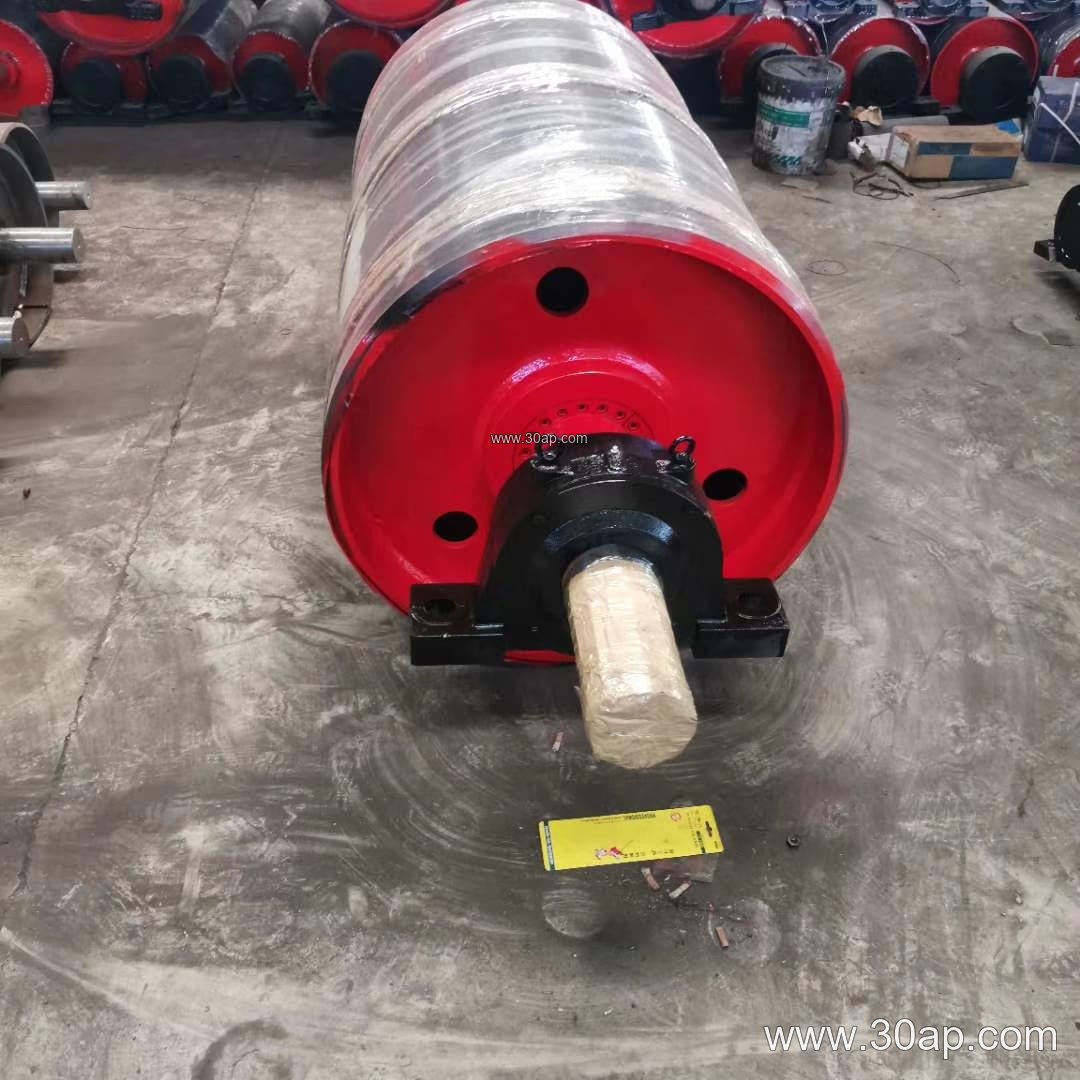
Production usually starts with rolled steel plate formed into a cylinder, followed by machining of the end faces. End discs are welded to the shell, hubs are welded to the discs, and the shaft is fitted by keyed connection or shrink fit depending on the design. After welding, the assembly is stress relieved and the shell is machined or ground so the belt runs true. Dynamic balancing is common for larger diameters and higher speeds. Surface treatment then follows, from plain painted steel to rubber lagging for grip.
Where It Fits on the Conveyor
Position decides duty. A drive pulley at the head pulls the belt and carries the highest torque, so its welded body needs a robust hub and shaft connection. A tail pulley at the loading end guides the return belt and often runs with a smaller diameter. A bend pulley redirects the belt around a curve, and a take-up pulley works with the tensioning device to keep slack out of the line. These roles are not interchangeable, and a welded pulley selected for one position should not be swapped into another without checking loads and wrap angle.
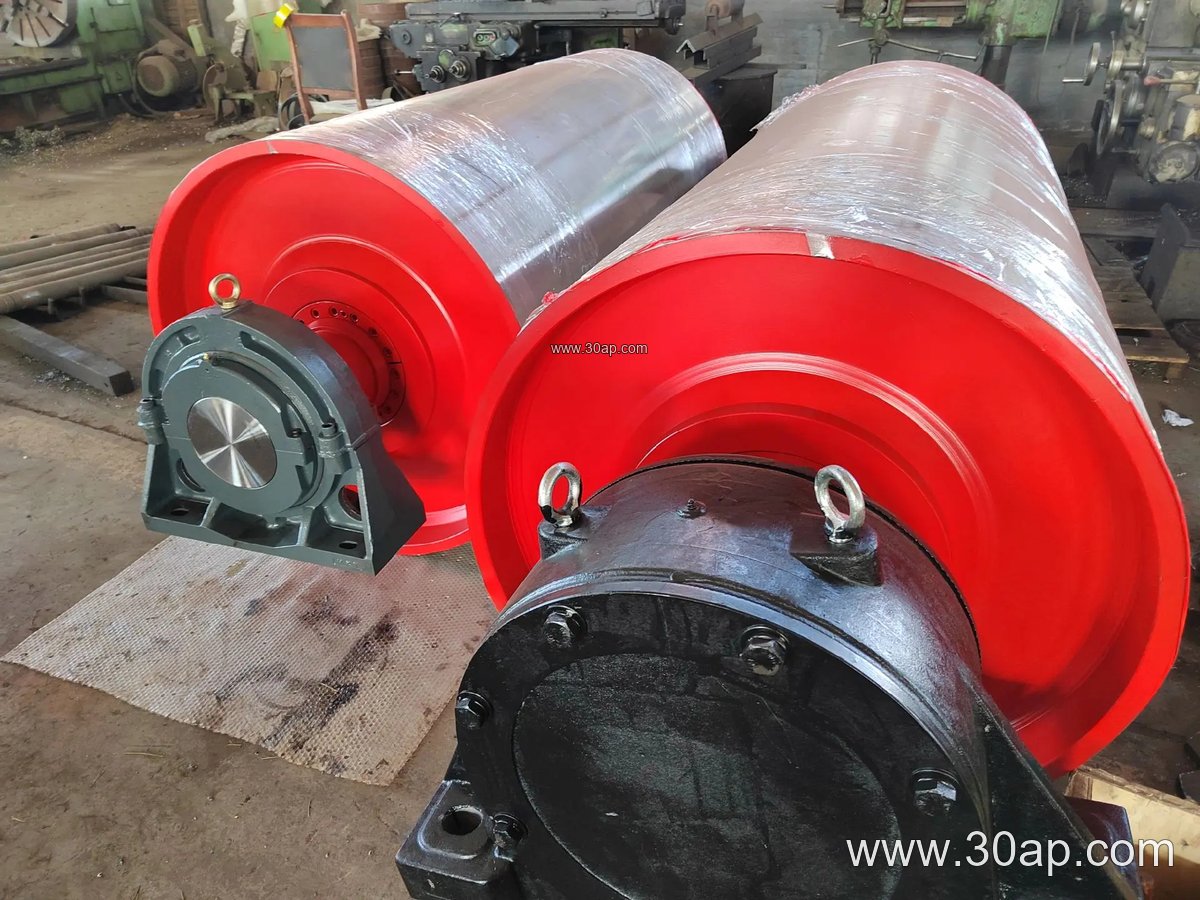
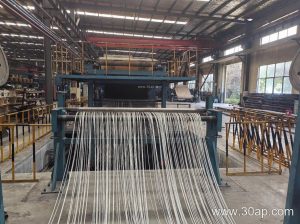
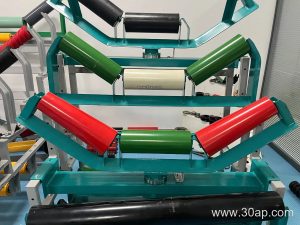
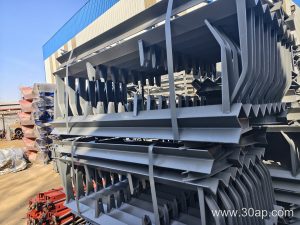
Typical workplaces include quarry plants feeding a crusher, cement works moving clinker, power station coal handling, and port bulk terminals. In each case the pulley works alongside the conveyor belt, idler roller and conveyor bracket, so alignment across the whole frame affects belt tracking.
Common Sizes and Surface Options
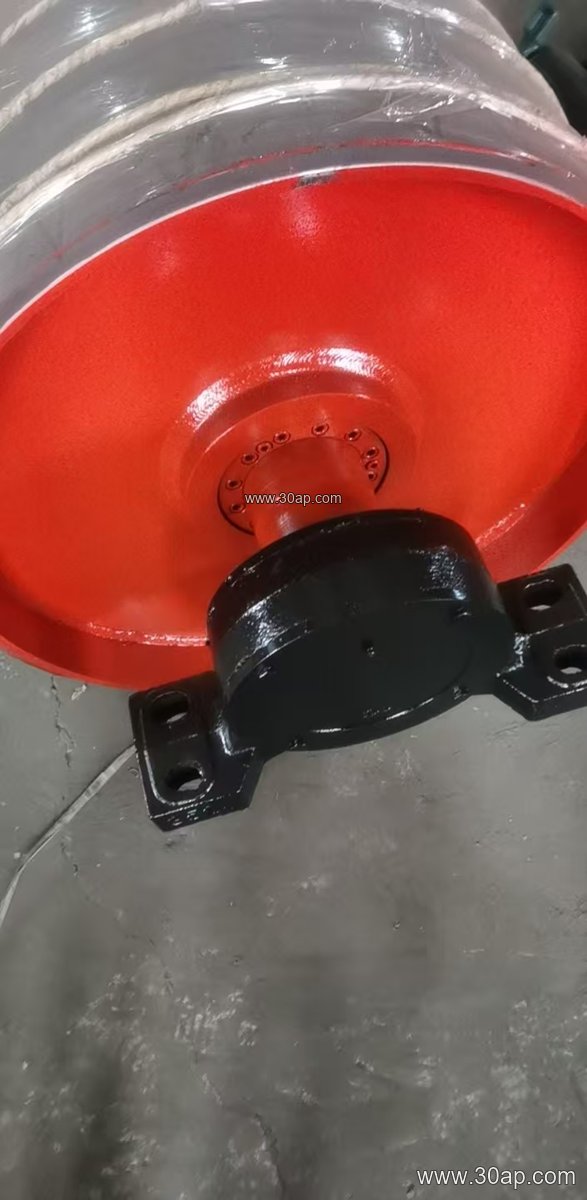
Dimensions are matched to the belt and to the torque demand, not picked from a single chart. Belt widths in the reference range run from B400 to B2400, with shell face width usually somewhat wider than the belt. Diameters commonly range from about Ø200 up to Ø1800 for heavy duties. Shaft diameter is set by torque and bearing load, typically between Ø50 and Ø200, and should never be assumed from belt width alone.
| Belt width | Typical shell face width | Example diameter combination |
|---|---|---|
| B400 | about 500 mm | Ø200 to Ø315 |
| B650 | about 750 mm | Ø315 to Ø500 |
| B800 | about 950 mm | Ø400 to Ø630 |
| B1000 | about 1150 mm | Ø500 to Ø800 |
| B1200 | about 1400 mm | Ø630 to Ø1000 |
| B1400 | about 1600 mm | Ø800 to Ø1250 |
| B1600 | about 1800 mm | Ø1000 to Ø1400 |
| B1800 | about 2000 mm | Ø1250 to Ø1600 |
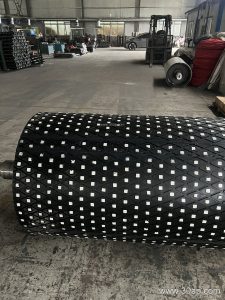
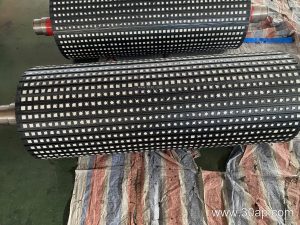
Surface forms include plain finish, hot vulcanized rubber, cold bonded rubber, diamond grooving, herringbone pattern and ceramic lagging. Lagging thickness is commonly 8, 10, 12, 15 or 20 mm. A chevron conveyor belt or a corrugated sidewall conveyor belt may need a different lagging pattern to keep the cleats tracking cleanly, while a pipe conveyor belt asks for careful crown control.
Selection and Maintenance Notes
- Confirm the actual belt tension and starting torque before fixing shaft size.
- Check that the shell face width suits the belt, allowing for mistracking.
- Match lagging to the material, for example abrasion resistant conveyor belt duties in a quarry or heat resistant conveyor belt service near a kiln.
- Verify weld quality and balancing records for high speed drives.
- Inspect lagging wear, weld seams and bearing play during scheduled shutdowns.
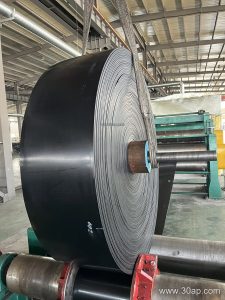
When the pulley serves a steel cord conveyor belt or a multi-ply fabric core conveyor belt, diameter choice influences belt fatigue, so the minimum bend radius recommended by the belt maker should be respected. A welded pulley built to the right diameter and lagging will keep a cement plant or coal mining conveyor belt running smoothly for years.