What a Conveyor Bracket Is and Why Its Price Varies
The conveyor bracket is the steel support that holds idler rollers in position along a belt conveyor. It may look like a simple piece of folded steel, yet its price reflects material grade, forming method, coating, and the load it is designed to carry. Buyers in a quarry, a cement plant, or a power plant coal yard often ask why two brackets that appear similar differ so much in cost. The answer usually lies in the details of construction and the operating conditions the part must survive.
At www.jiuher.com conveyor bracket selection is treated as an engineering choice rather than a commodity purchase, because a bracket that sags or corrodes will shorten roller life and disturb belt tracking.
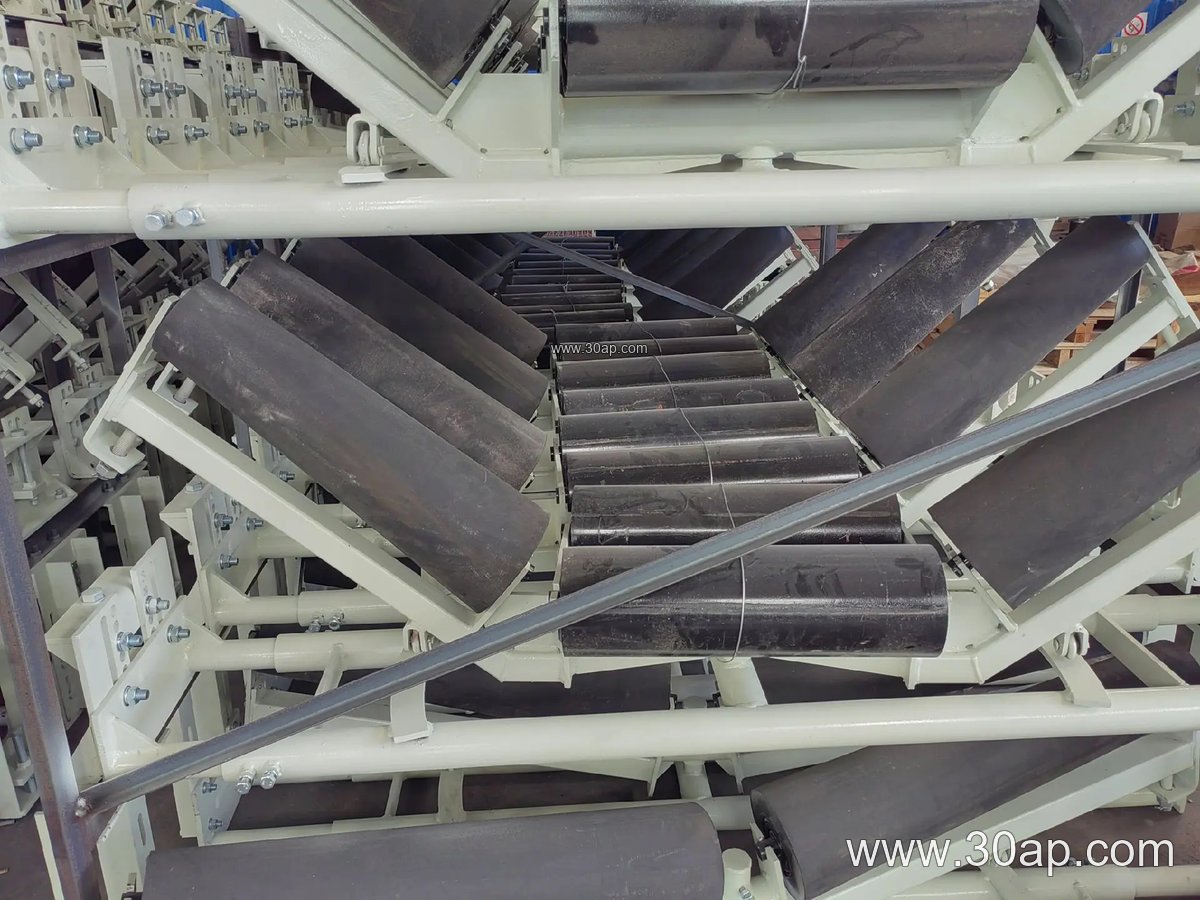
How the Bracket Is Built
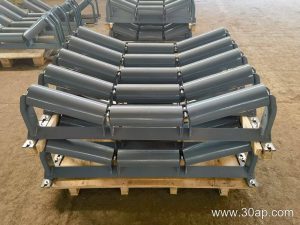
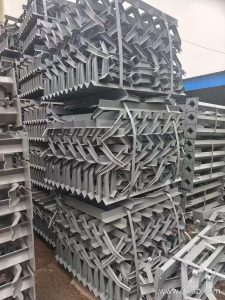
Most troughing brackets are made from angle steel, channel steel, or folded steel plate. The frame is cut, punched for mounting holes, bent to the required trough angle, and then painted or galvanized. Heavier designs use thicker plate and reinforced gussets where the roller shafts sit. The fabrication route matters: a pressed and welded bracket with consistent hole spacing costs more than a lightly formed one, but it holds alignment better under continuous load.
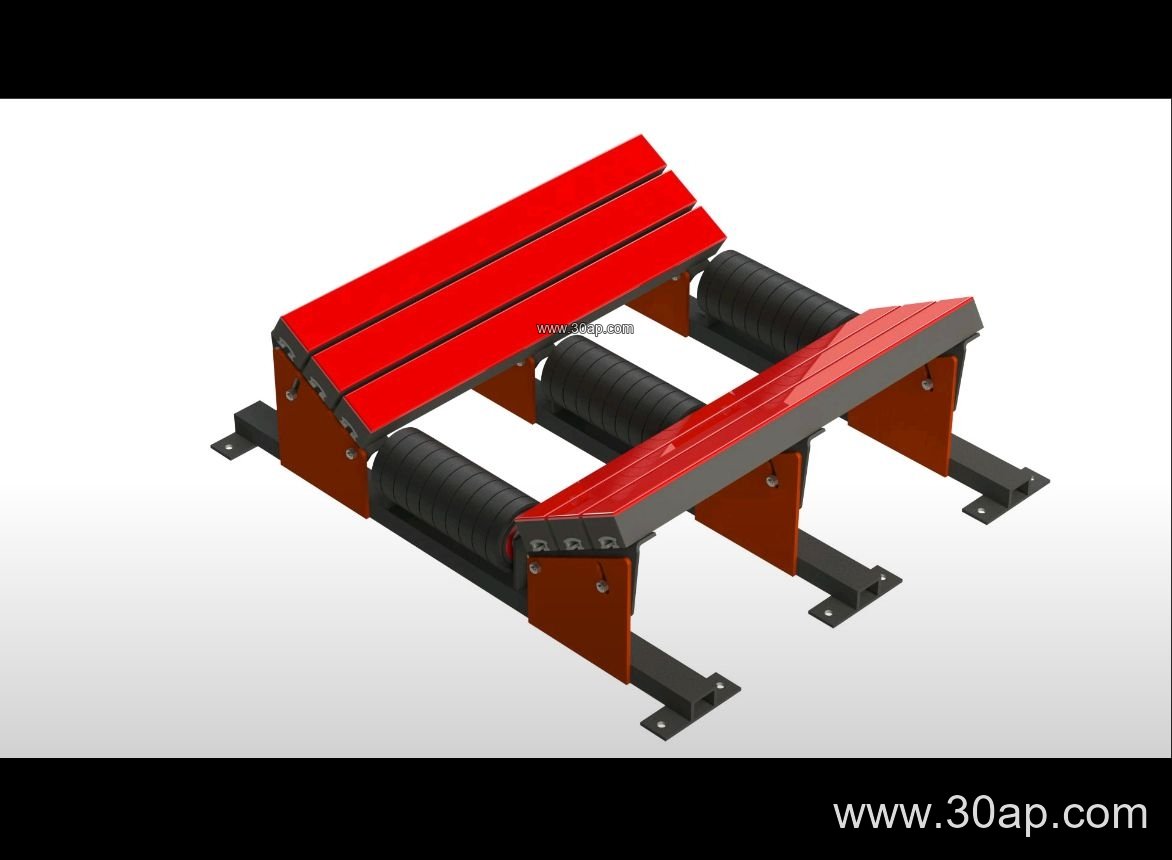
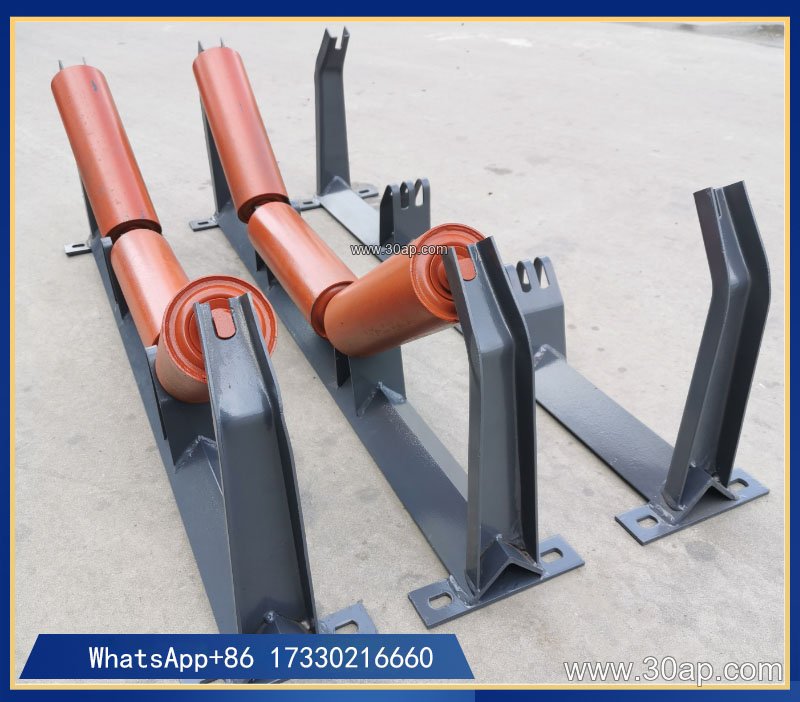
Common bracket families include the upper troughing bracket, transition bracket, return bracket, V-return bracket, impact bracket, self-aligning bracket, and adjustable bracket. Each has a different shape and therefore a different price point. An adjustable bracket, for example, allows the trough angle to be changed on site, which adds hardware and machining cost.
Where These Supports Are Used
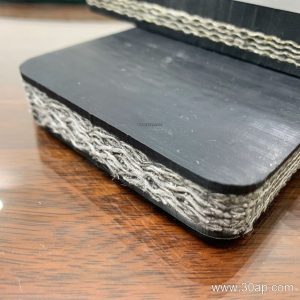
In a limestone quarry or a sand and gravel line, brackets carry rollers beneath an abrasion resistant conveyor belt moving crushed rock. In a coal washing plant, flame retardant conveyor belt runs over troughing sets that must resist fine dust and moisture. The same component appears in cement plants, steel sintering lines, and port ship loaders, where a heavy-duty conveyor belt carries bulk material at high tonnage.
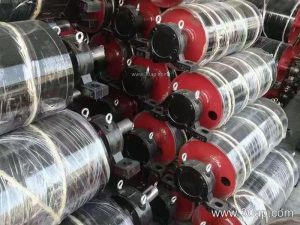
Because the bracket works together with the conveyor pulley, idler roller, and belt, its price should be judged as part of the whole conveyor rather than in isolation. A cheap bracket that misaligns a roller can wear a steel cord conveyor belt or an EP conveyor belt far faster than the savings justify.
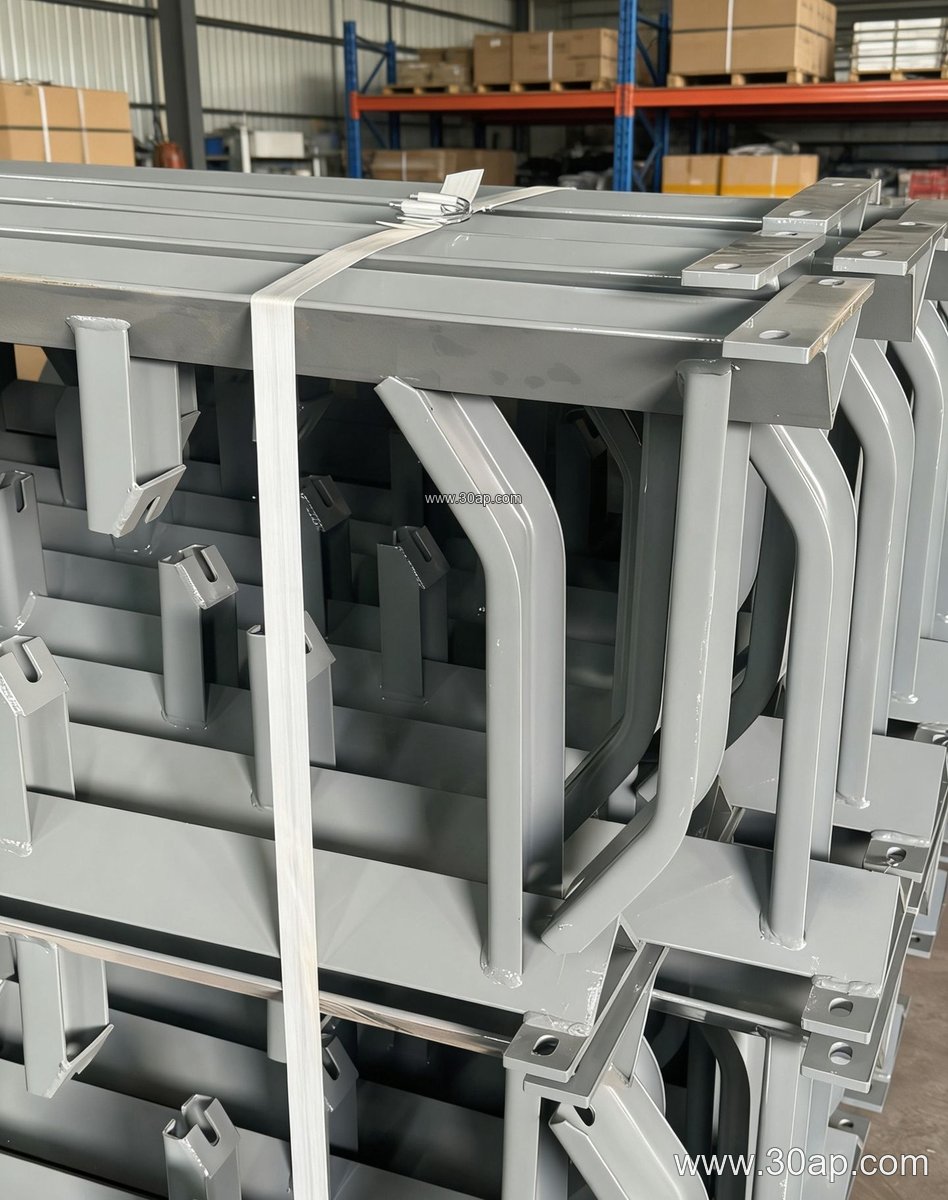
Matching Brackets to Belt Width and Roller Diameter
Bracket dimensions follow the belt width and the roller diameter chosen for the duty. The table below shows common reference combinations; actual mounting hole spacing and beam length are determined by design, not by a fixed rule.
| Belt Width | Trough Angle | Roller Diameter | Typical Bracket Use |
|---|---|---|---|
| B650 | 30 degrees | Ø89 | Light aggregate and sand lines |
| B800 | 35 degrees | Ø108 | General bulk handling |
| B1000 | 35 degrees | Ø108 or Ø133 | Cement and coal conveying |
| B1200 | 45 degrees | Ø133 | High-capacity troughing sets |
| B1400 | 35 degrees | Ø159 | Mining and port duties |
| B1600 | 45 degrees | Ø159 or Ø194 | Heavy-duty mining conveyor |
One belt width does not lock the buyer to a single trough angle or roller size. A B1000 conveyor may run 30 or 35 degrees depending on material surcharge and belt speed, and the bracket price changes accordingly. Transition brackets near the pulley usually differ in angle from standard troughing brackets, and they are priced separately.
What Drives the Price
- Material and thickness – channel steel and thick folded plate cost more than light angle steel.
- Forming accuracy – precise hole spacing and consistent trough angle reduce installation time.
- Surface protection – galvanizing or heavy paint adds cost but extends service life in wet or corrosive plants.
- Type and adjustability – self-aligning and adjustable brackets carry more machining than fixed troughing brackets.
- Order quantity and drawing requirements – non-standard hole patterns and small batches raise unit cost.
Prices also reflect freight weight, since brackets are bulky steel items. Buyers comparing offers should confirm plate thickness, coating type, and whether mounting hardware is included. A quotation without these details is difficult to compare fairly.
Buying Advice
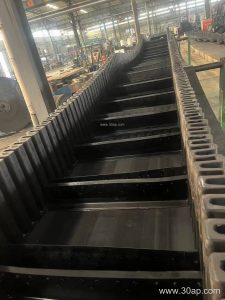
Before ordering, confirm the belt width, trough angle, roller diameter, and the bracket type required at each position along the conveyor. Check whether the line uses a pipe conveyor belt, a corrugated sidewall conveyor belt, or a standard troughed belt, because the support arrangement differs. For hot material such as sinter or clinker, specify a heat resistant conveyor belt and confirm that the bracket and roller assembly can tolerate the temperature.
Ask for dimensional drawings, and verify that hole spacing matches the existing conveyor frame. On www.jiuher.com roller and bracket data can be reviewed together so that the support and the idler roller are ordered as a matched set. A clear specification at the enquiry stage is the most reliable way to get a conveyor bracket price that reflects the real duty rather than a stripped-down substitute.