What a Fixed Conveyor Bracket Does on the Line
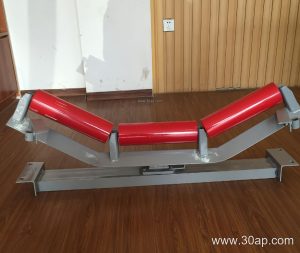
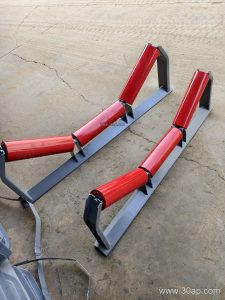
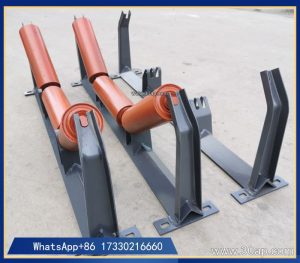
A fixed conveyor bracket is the stationary support frame that holds the idler roller in place along a conveyor structure. Unlike an adjustable bracket, it is welded or bolted at a set position, so the trough angle and roller spacing stay constant once installed. On a quarry conveyor belt or a cement plant transfer line, this bracket is the quiet component that keeps the belt profile steady, reduces edge misalignment, and protects the conveyor belt from unnecessary wear.
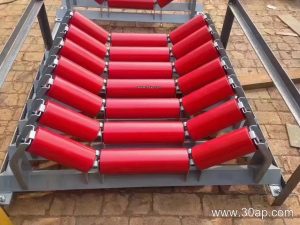
Also called a fixed idler support bracket, this part appears in both carrying and return positions. The carrying side usually uses a trough-type bracket, while the return side may use a flat or V-shaped return bracket. Each position has its own geometry, and the bracket must match the belt width, roller diameter, and load expected at that point.
How the Bracket Is Built
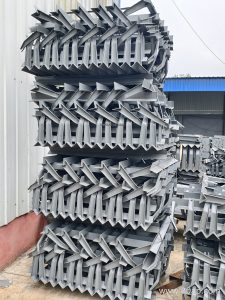
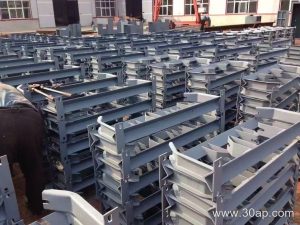
Most fixed brackets are fabricated from angle steel, channel steel, or bent steel plate. The frame carries the mounting slots or notches for the idler roller shaft, and the crossbeam length follows the conveyor width rather than a single universal number. Welds should be straight and the mounting surfaces aligned, because a twisted bracket will pull the belt to one side.
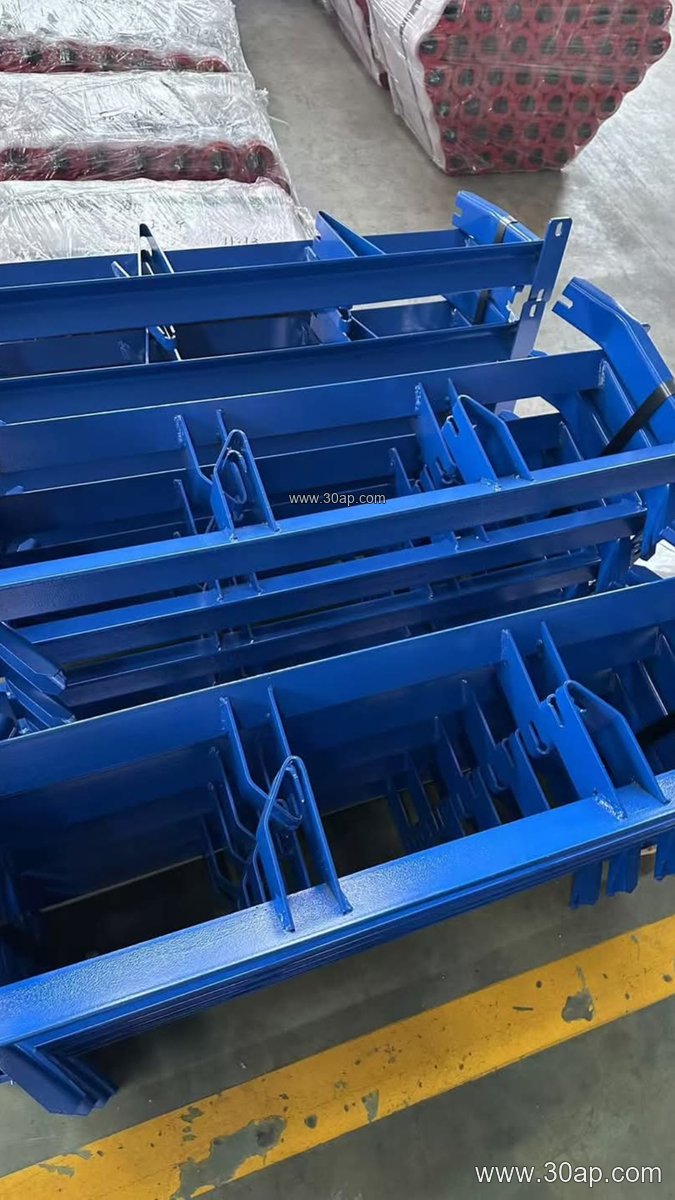
Common construction details include:
- Rolled or folded steel crossbeam with punched mounting holes
- Reinforced end plates at the connection to the conveyor stringer
- Fixed trough angles such as 20, 30, 35, or 45 degrees
- Optional forward tilt of about 1.5 to 2 degrees on training brackets
The paint or galvanized finish matters in wet or dusty service. In a coal mining conveyor belt system, corrosion protection and dust shedding are practical concerns, especially where washdown or humidity is present.
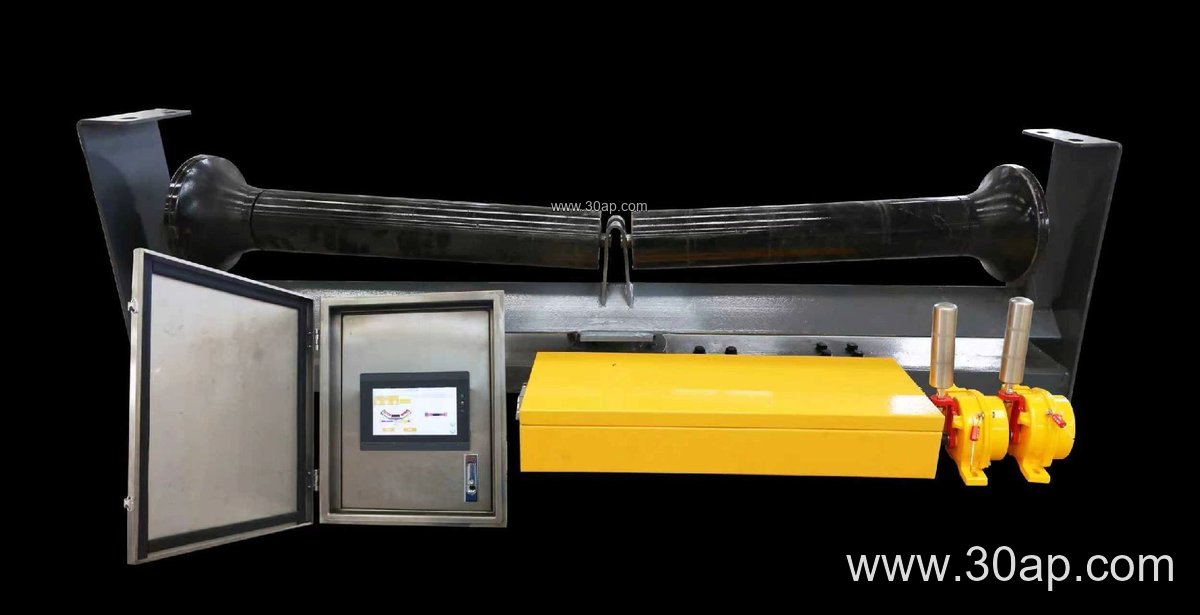
Matching Bracket, Belt, and Roller
The bracket is only one part of the support set. A correct match considers belt width, roller diameter, trough angle, and the material being carried. A B800 bracket with a 35 degree trough and Ø108 rollers is a common arrangement, but it is not the only option; the same width may appear with different angles and roller sizes depending on the design. Similarly, a B1200 line may use 45 degrees and Ø133 rollers, while a lighter B650 conveyor could use 30 degrees and Ø89 rollers.
The table below lists reference combinations, not fixed supply rules:
| Belt width | Typical trough angle | Typical roller diameter | Common position |
|---|---|---|---|
| B500 | 20–30 degrees | Ø89 | Carrying, light duty |
| B650 | 30 degrees | Ø89–Ø108 | Carrying and return |
| B800 | 35 degrees | Ø108 | Carrying, quarry line |
| B1000 | 35–45 degrees | Ø108–Ø133 | Carrying, bulk material |
| B1200 | 45 degrees | Ø133 | Carrying, heavy load |
| B1400 | 35–45 degrees | Ø133–Ø159 | Carrying and transition |
| B1600 | 35–45 degrees | Ø159 | Heavy-duty carrying |
| B1800 | 35–45 degrees | Ø159–Ø194 | Main haulage |
| B2000 | 35–45 degrees | Ø194 | High-capacity line |
Where Fixed Brackets Are Used
Fixed brackets suit sections where the belt path should stay unchanged: long straight runs, loading zones supported by impact brackets, and transition areas near the head or tail. In a limestone mine or a sand and gravel plant, fixed trough brackets keep the conveyor belt centered under the crusher discharge. In a power plant coal yard, they support the belt through transfer towers and along inclined galleries.
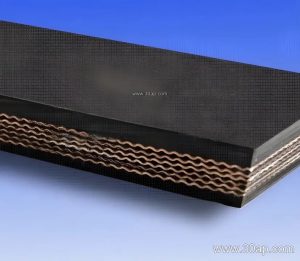
They are also common in iron ore handling, sinter plants, fertilizer granulation lines, and port ship loading systems. Where the belt carries an EP conveyor belt or a steel cord conveyor belt, the bracket must be stiff enough to resist the pull of the tensioned belt without flexing.
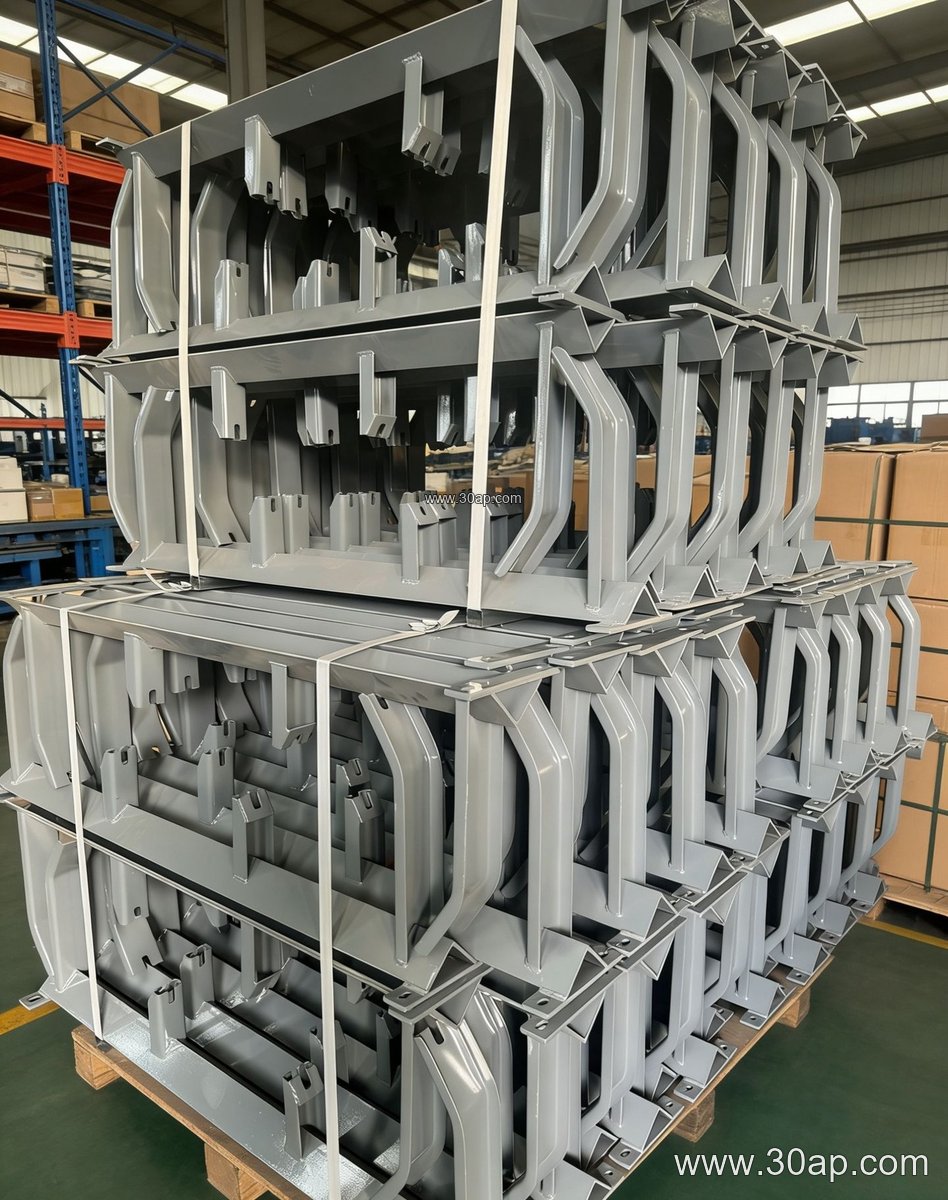
Fixed or Adjustable Bracket
The main comparison is with the adjustable bracket, which allows the trough angle to be changed after installation. A fixed bracket keeps one angle permanently, so it is simpler, stiffer, and less likely to shift under vibration. Adjustable versions are useful during commissioning or where material flow changes seasonally. For most steady-state runs, the fixed version gives predictable belt support and easier maintenance planning.
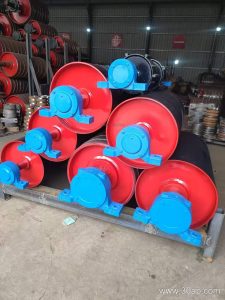
A fixed bracket should not be confused with a drive pulley bracket or a bend pulley support; those are different structures with different loads. The fixed bracket is a support for idlers, not a substitute for the pulley frame.
Buyer Checklist
- Confirm the belt width and the actual roller diameter before ordering.
- State the required trough angle and whether the position is carrying or return.
- Ask for the mounting hole spacing and crossbeam length, since these vary with width and angle.
- Match the finish to the site: dusty, wet, or corrosive conditions may need extra protection.
- Check that the bracket fits the existing stringer and does not clash with the conveyor pulley or frame.
A well-chosen fixed conveyor bracket is a small investment that keeps the belt tracking true and extends the life of the idler roller and the belt itself. For more details on matching brackets with rubber conveyor belt systems and conveyor pulleys, visit beltconveyorparts.com and review the support options for your line.