What a 1250mm Drive Pulley Does
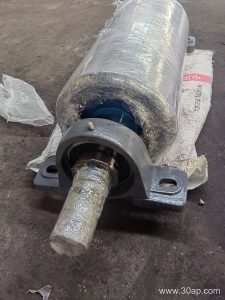
A 1250mm drive pulley is the powered drum at the head of a belt conveyor that transmits torque to the conveyor belt and keeps the whole line moving. The 1250mm figure normally refers to the pulley diameter, a common size for high-capacity main drives where belt tension and wrap angle are substantial. Because it drives rather than merely guides or returns the belt, it is not interchangeable with a tail pulley or a bend pulley. Those perform different duties at different points along the conveyor structure.
In practice, the pulley works together with the gearbox, coupling, shaft and conveyor bracket, and its surface must grip the belt well enough to avoid slip under starting loads. The right combination of diameter, face width and lagging is usually settled at the design stage, not chosen from a single number.
Construction and Surface Options
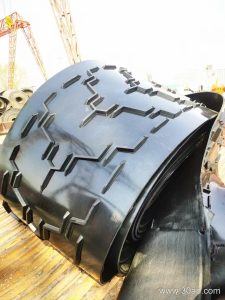
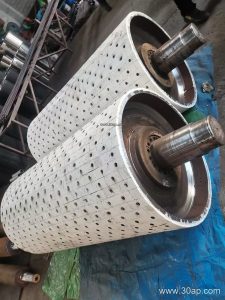
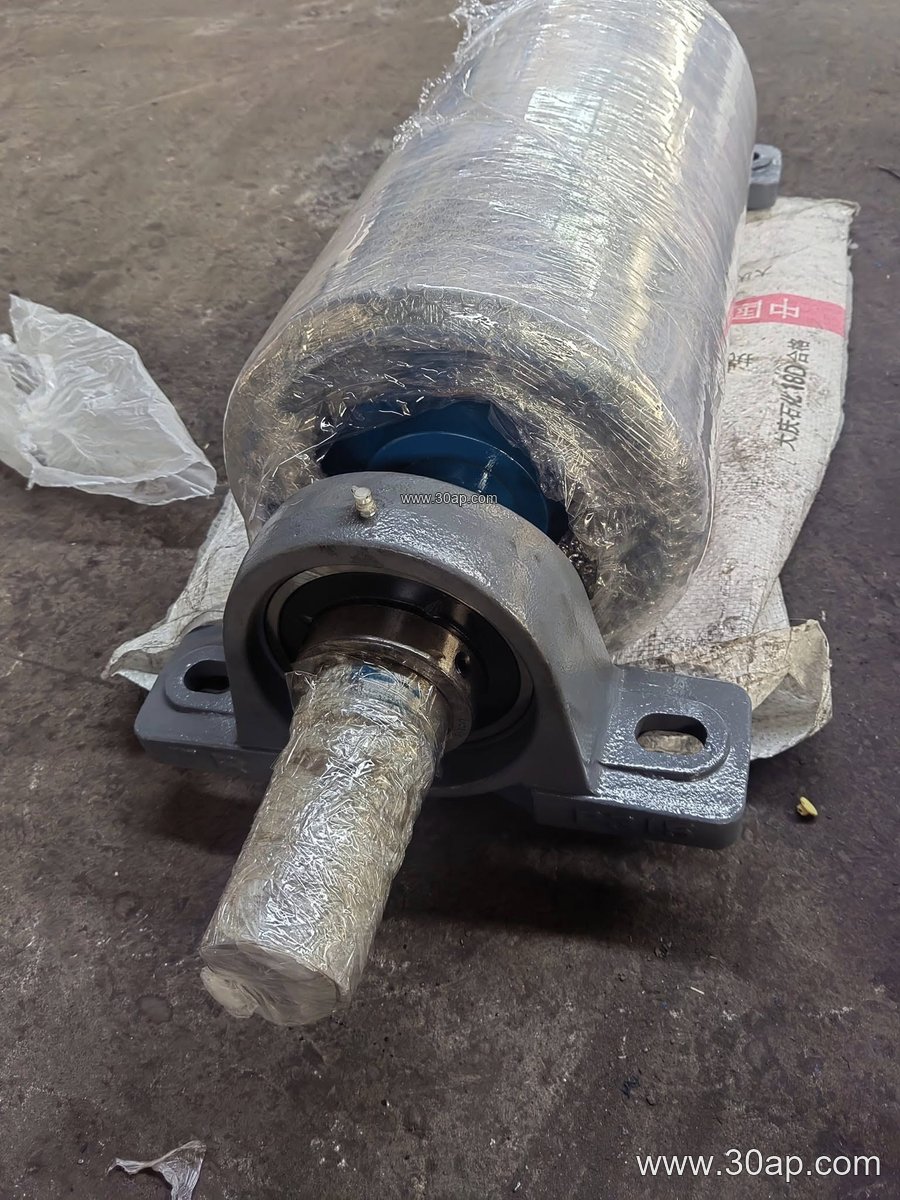
Most large drive pulleys are built as a welded steel drum with a hub and shaft assembly, machined so the shell runs true. The shell may be plain, or covered with rubber lagging applied by cold bonding or hot vulcanizing. Diamond and herringbone patterns are common when extra grip and water shedding are needed, and ceramic lagging is chosen where abrasive dust and slip risk are both high.
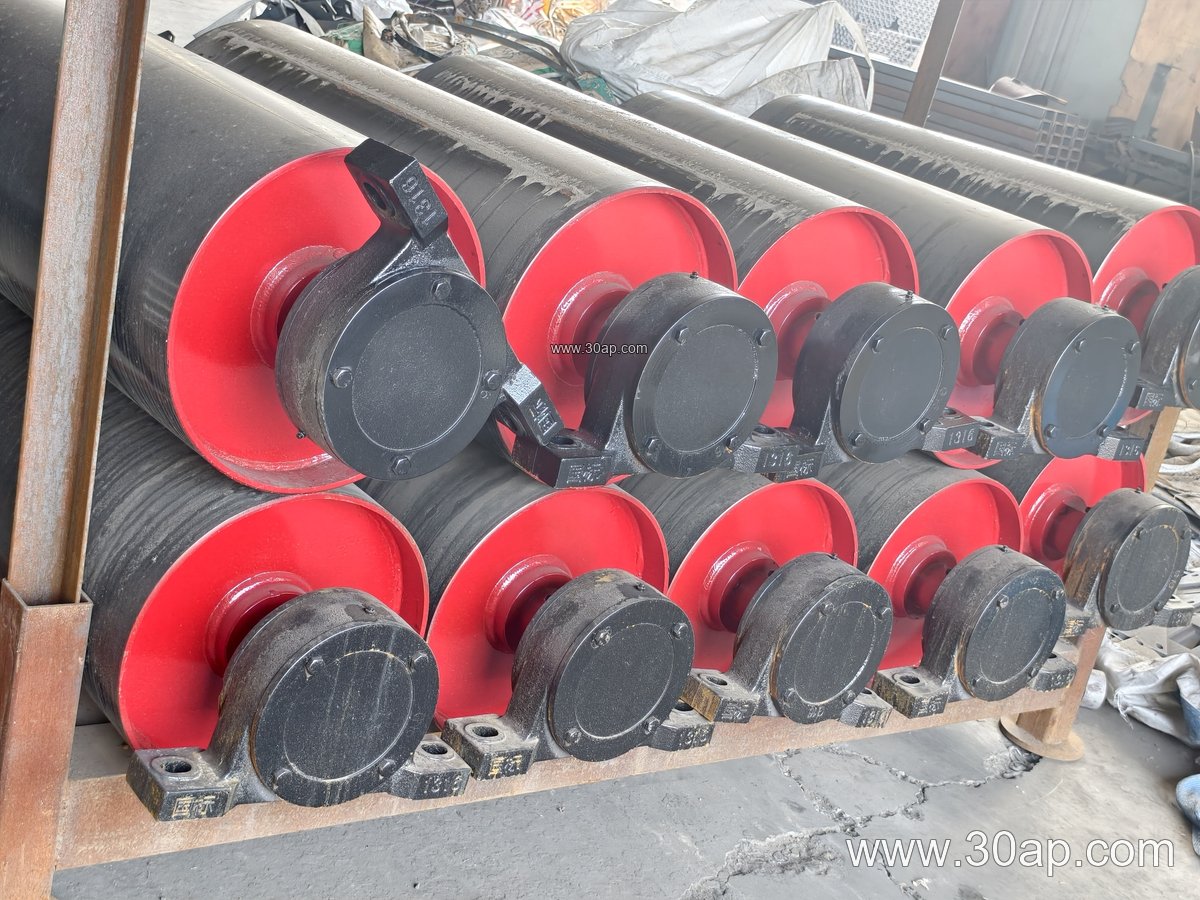
- Shell: rolled and welded steel, machined for balance
- Lagging: plain, cast rubber, cold-bonded or hot-vulcanized rubber, diamond, herringbone or ceramic
- Lagging thickness: often 8, 10, 12, 15 or 20 mm depending on duty
- Shaft: sized by torque and load, not simply by belt width
A 1250mm drive pulley may be supplied for belt widths such as B1200, B1400 or wider, but the face width is normally greater than the belt width. A B1200 conveyor, for example, typically uses a pulley face around 1400 mm. Diameter and belt width are matched by conveyor design calculations, so no single belt width locks the pulley to one diameter, and no fixed shaft size should be assumed from width alone.
Where It Fits in the Plant
This size of drive pulley appears in bulk handling lines where large tonnages move continuously. In a coal preparation plant or a power station coal yard, it may sit at the discharge end of a main conveyor feeding bunkers or crushers. In a limestone quarry or aggregate line, it drives the primary belt that carries run-of-mine rock toward screening. Similar units serve cement plants, iron ore and copper ore handling, port bulk terminals and steel plant raw material systems.
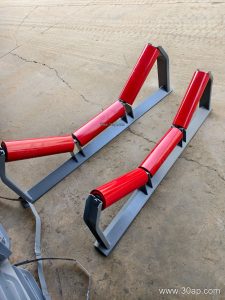
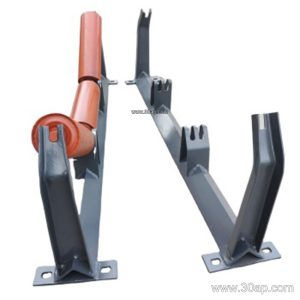
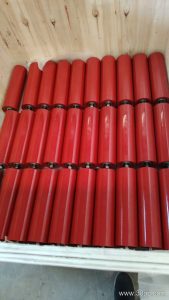
The pulley is only one part of the chain. The conveyor belt, idler roller sets and conveyor bracket assemblies all influence how well it performs. A heavy-duty mining conveyor belt with high tension demands a robust drum and properly rated shaft, while a fabric core belt such as an EP conveyor belt or NN conveyor belt calls for a lagging surface that grips without over-stressing the carcass. Abrasion resistant conveyor belt grades are common in quarry and ore duty, and flame retardant conveyor belt grades are typical in underground coal mining conveyors.
Selection Checks for Buyers
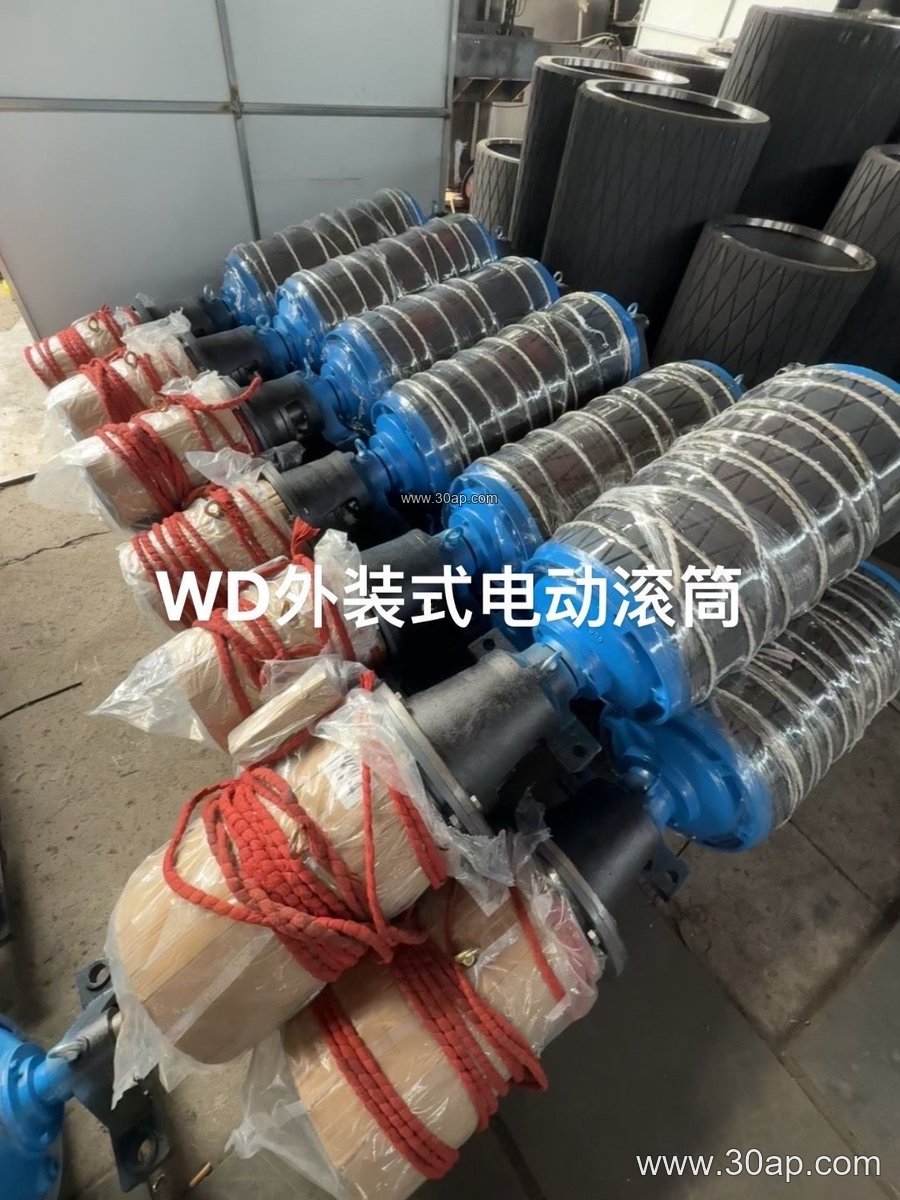
Buyers should confirm the required diameter together with face width, shaft diameter, bearing type and lagging specification. Key points usually include:
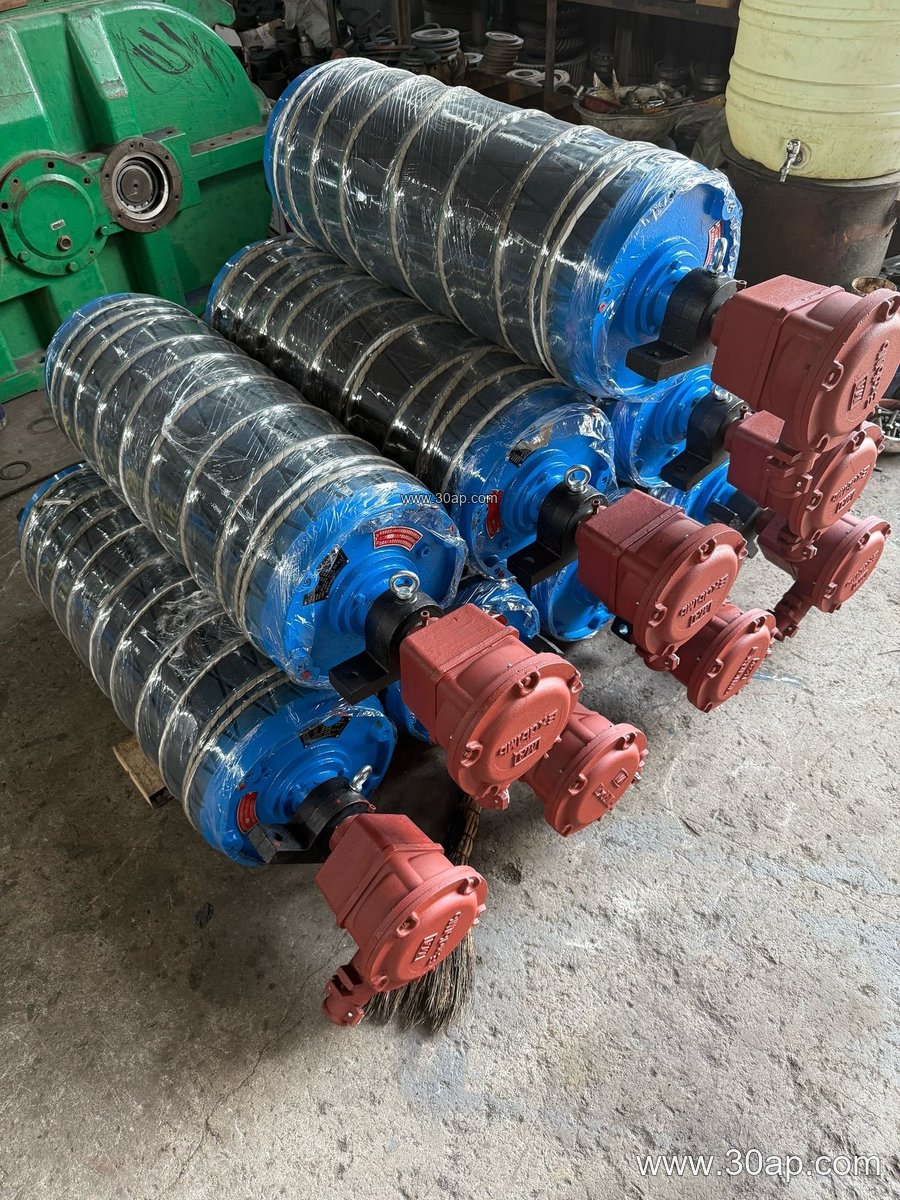
- Calculated belt tension and starting torque, which set shaft and bearing sizes
- Belt width and pulley face width, allowing for belt tracking and lagging edges
- Lagging pattern and thickness for grip, wear life and material conditions
- Environmental factors such as dust, moisture, heat or oil, which may call for heat resistant conveyor belt or oil resistant conveyor belt grades on the line
- Balancing and machining tolerances, especially for high-speed main drives
It also helps to review the whole conveyor, not just the drum. Mismatched idler roller spacing, poor conveyor bracket alignment or a worn belt can shorten pulley life. For very long or high-lift systems, a steel cord conveyor belt may be used, and the drive pulley then needs a shell and lagging suited to the higher tension. In confined transfer points, a corrugated sidewall conveyor belt or skirted conveyor belt may run on the same line, so clearance around the pulley should be checked.
Installation and Maintenance Notes
Correct alignment at installation prevents edge wear and reduces the chance of belt mistracking. Lagging should be inspected for glazing, cuts and embedded material, and re-lagged when grip falls. Bearing temperature and lubrication are worth routine checks, and shaft keys and couplings should be examined after heavy starting cycles.
For a 1250mm drive pulley, the practical goal is a drum that matches the conveyor duty, grips the belt reliably and stays true under load. Treat the diameter as one design input among several, and confirm all dimensions against the actual conveyor layout before ordering.