What a Wide Conveyor Belt Is
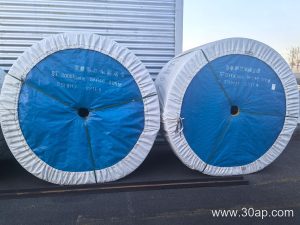
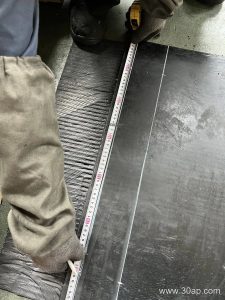
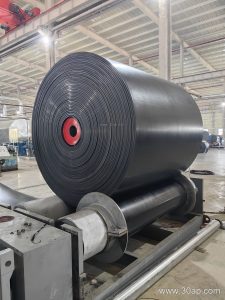
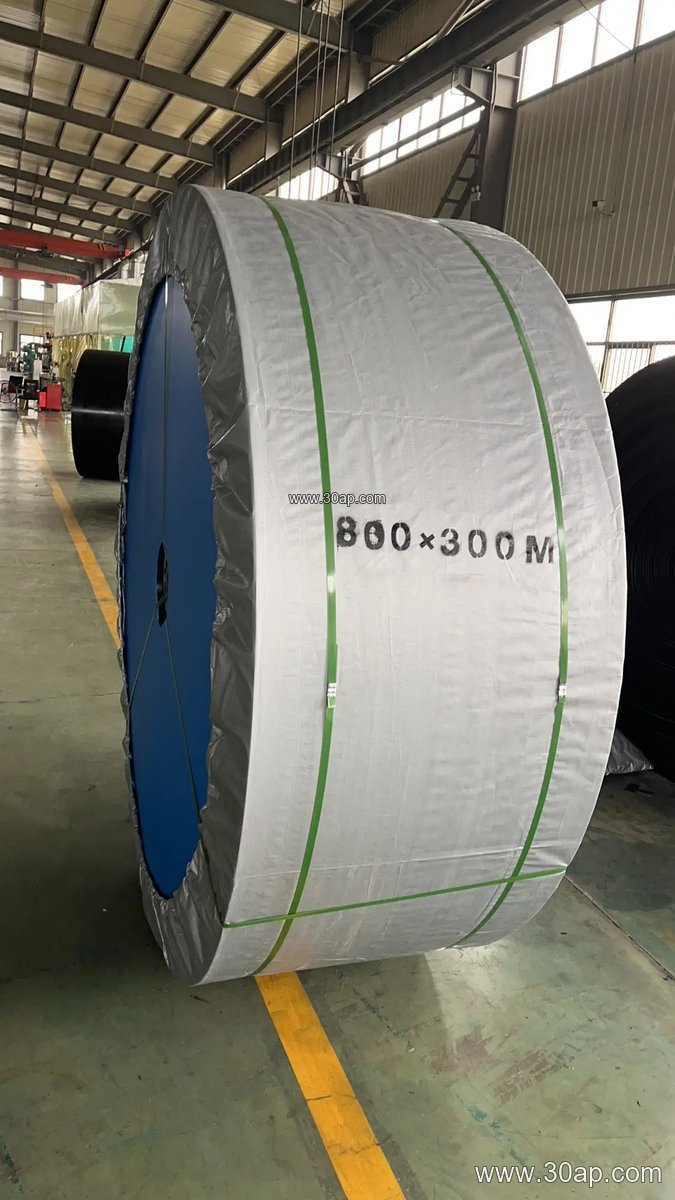
A wide conveyor belt is a heavy-duty endless loop of rubber or fabric-reinforced material built with a broad cross-section, typically used where large volumes of bulk material must move in a single pass. In practical terms, the belt width is the defining dimension that separates a standard belt from a wide one, and widths of 1200 mm, 1400 mm, 1600 mm, 1800 mm, and 2000 mm are common in high-capacity systems. A 1200mm wide conveyor belt is often the entry point for main haulage lines, while a 1800mm wide conveyor belt or larger may be found where throughput demands are especially high. Some operations refer to anything beyond the usual range as an extra-wide conveyor belt, though the boundary is a matter of design convention rather than a fixed rule.
A wide belt is not simply a scaled-up narrow belt. The carcass, cover compounds, splice design, and supporting structure all change with width, because a broader belt carries more load per meter and is more sensitive to tracking, edge damage, and transverse stiffness.
How a Wide Belt Is Built
The construction follows the same logic as other fabric or steel-reinforced belts, but the balance between strength and flexibility becomes more critical. A typical build includes:
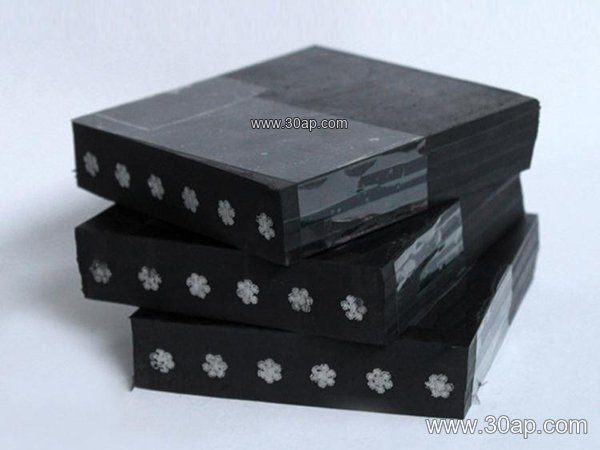
- A carcass of woven fabric plies or steel cords, providing tensile strength and resistance to elongation
- Top and bottom cover rubber, selected for abrasion, heat, oil, or flame resistance
- Edge protection, often in the form of cut edges or molded edges depending on the application
- Splice preparation, since a wide belt must be joined with careful attention to squareness and ply alignment
Fabric cores are common in wide belts for moderate tension. An EP conveyor belt, using polyester warp and nylon weft, offers low elongation and good fatigue resistance, and a multi-ply fabric core conveyor belt is often chosen where impact loads are present. For very long runs or high tension, a steel cord conveyor belt provides greater strength per unit width. In coal mines, a PVG conveyor belt with a solid woven carcass is frequently used where flame retardancy and resistance to tearing are required.
Common Widths and Strength Grades
The table below lists reference values that appear in catalogues and design documents. These are examples, not universal requirements, and final selection depends on the conveyor layout, material, and duty.
| Parameter | Common Reference Values |
|---|---|
| Belt width | B500, B650, B800, B1000, B1200, B1400, B1600, B1800, B2000 |
| EP strength grades | EP200, EP315, EP400, EP500, EP630, EP800, EP1000, EP1250, EP1600, EP2000 |
| Cover thickness (top + bottom) | 3+1.5, 4+2, 5+2, 6+2, 8+3 mm |
| Carcass plies | 2 to 6 layers, depending on grade |
For example, an EP1000 1200mm conveyor belt might be specified for a medium-length main line, while an EP1250 1800mm conveyor belt could suit a higher-capacity trunk conveyor. A 1500mm wide conveyor belt or 1600mm wide conveyor belt is common in cement and aggregate plants where a single stream feeds multiple downstream units. A thick conveyor belt with heavy covers is often paired with wide widths in primary crushing circuits.
Where Wide Belts Are Used
Wide belts appear wherever tonnage is high and transfer points are few. In mining, a heavy-duty mining conveyor belt moves ore from underground or open-pit loading points to processing plants; an underground coal mining conveyor belt must also meet flame retardant and anti-static requirements. In cement plants, a cement conveyor belt carries clinker, limestone, and raw meal across long distances. Power plants use wide belts for coal handling, and steel plants rely on them for sinter and coke. Quarries and sand making plants use a quarry conveyor belt or aggregate conveyor belt to move crushed stone, while ports apply them in ship loading and bulk terminal operations. A crusher conveyor belt and rock conveyor belt are common descriptions in stone crushing lines.
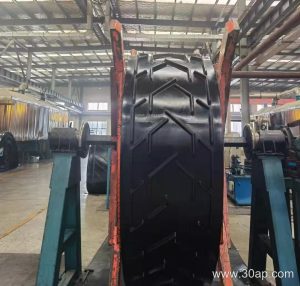
Wide belts are also used with special surface forms. A chevron conveyor belt, corrugated sidewall conveyor belt, or skirted conveyor belt may be built on a wide base where an inclined run needs material containment. A pipe conveyor belt is a different concept and is not a substitute for an open wide belt; it is mentioned here only to clarify that the two serve different transport philosophies.
Buyer Checklist
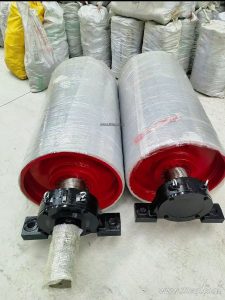
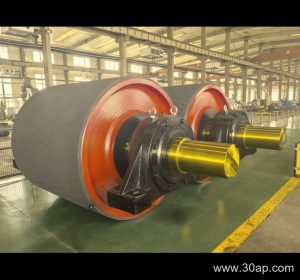
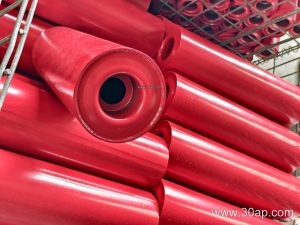
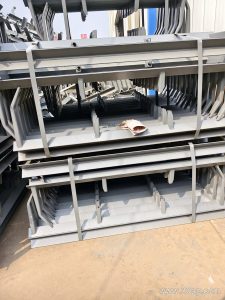
When specifying a wide belt, buyers should confirm the material characteristics, the maximum lump size, the conveyor profile, and the expected tension. Matching a belt width to a pulley diameter is a design decision, not a fixed formula, and shaft sizes must be calculated from the actual loads. Drive pulleys, tail pulleys, and bend pulleys each have distinct roles and should be specified separately, together with idler rollers, conveyor pulleys, and conveyor brackets. For heat or flame exposure, a heat resistant conveyor belt or flame retardant conveyor belt grade should be requested. For abrasive ore, an abrasion resistant conveyor belt with thicker covers is often worthwhile. Cold resistant, oil resistant, and anti-static options are available where conditions demand them.
Finally, confirm splice method, edge type, and delivery length. A wide belt is a significant investment, and correct tracking from the first installation saves far more than any small saving on a lighter grade.