What a Steel Plant Conveyor Idler Does
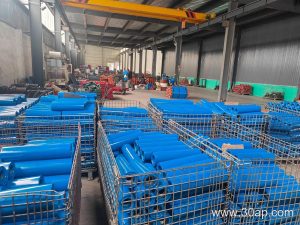
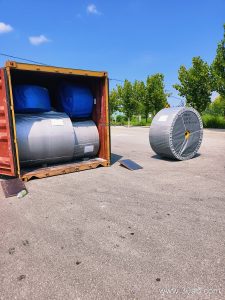
In a steel plant, raw materials such as iron ore, coke, limestone, and sinter are moved continuously on conveyor belts. The steel plant conveyor idler is the rotating component that supports the belt and the load along the carrying and return sides. Without reliable idlers, the conveyor belt would sag, misalign, and wear quickly. Idlers also help maintain the belt’s trough shape, reduce spillage, and keep the material stream stable from the stockyard to the blast furnace or sintering plant.
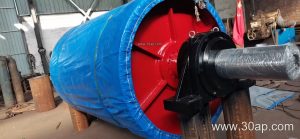
Unlike a drive pulley, tail pulley, or bend pulley—which transmit power and change belt direction—idlers only support and guide the belt. They are not interchangeable with pulleys, and their design focuses on low rolling resistance, dust protection, and long service life under heavy loads.
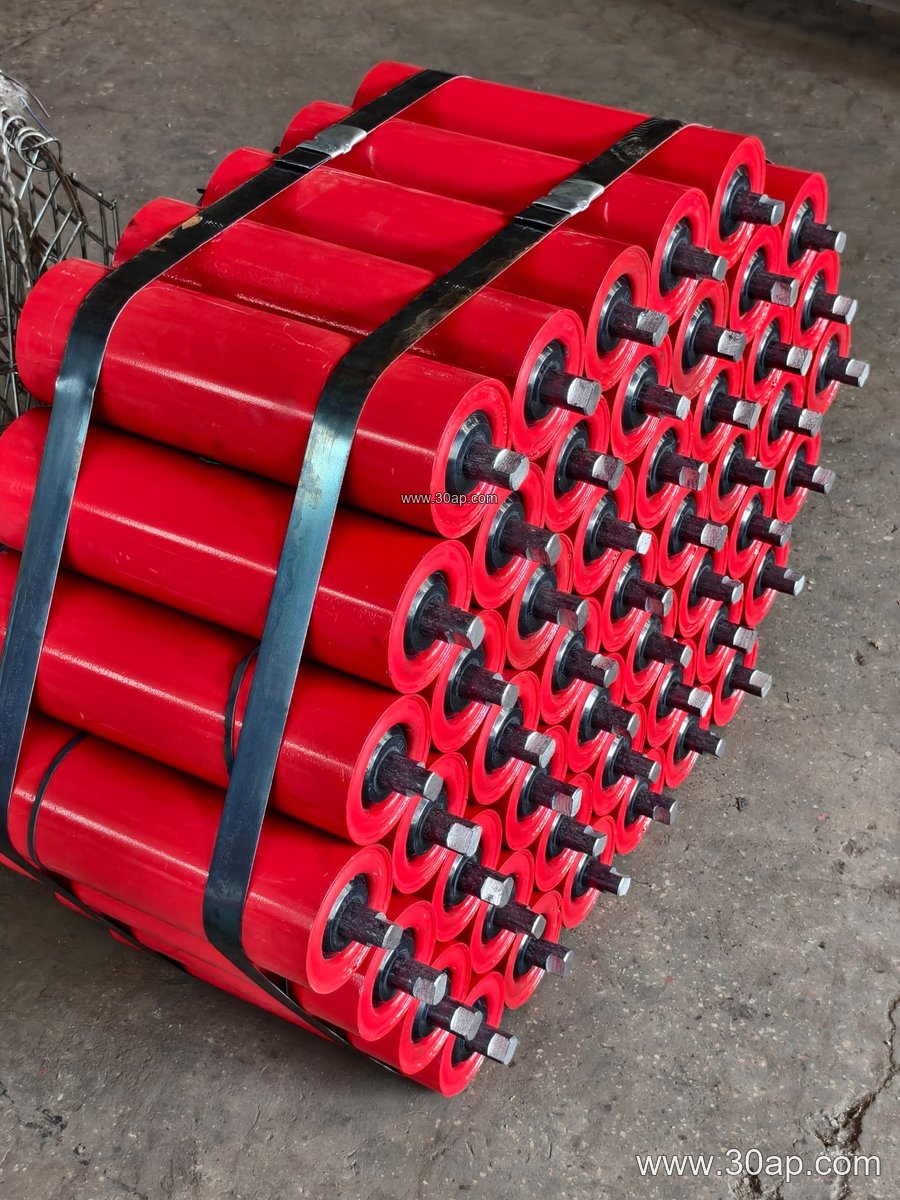
Construction and Key Components
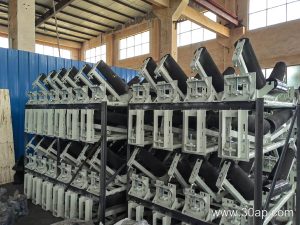
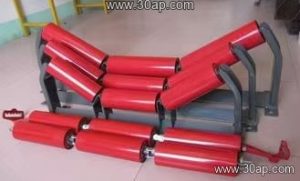
A typical idler roller consists of a steel tube shell, bearing housings, a shaft, and sealed bearings. The shell may be plain steel, nylon-coated, or covered with rubber rings for impact absorption. Bearing sizes such as 6204, 6205, 6305, 6306, 6308, and 6310 are common depending on load and diameter. The seal design is critical in steel plants, where dust, heat, and moisture are present. Labyrinth seals and grease retention features help keep bearings running smoothly.
Roll diameters commonly range from Ø63 mm to Ø219 mm. The choice depends on belt width, load, and speed. For example, a Ø108 mm idler might be used on a medium-duty line, while a Ø159 mm or Ø178 mm roller is more suitable for high-capacity iron ore conveyors. The roller length varies with belt width and trough angle; for a three-roll trough set, common roller lengths are about 200 mm for B500, 315 mm for B800, 465 mm for B1200, and 600 mm for B1600. These are reference examples, not fixed combinations—side rollers and center rollers can differ.
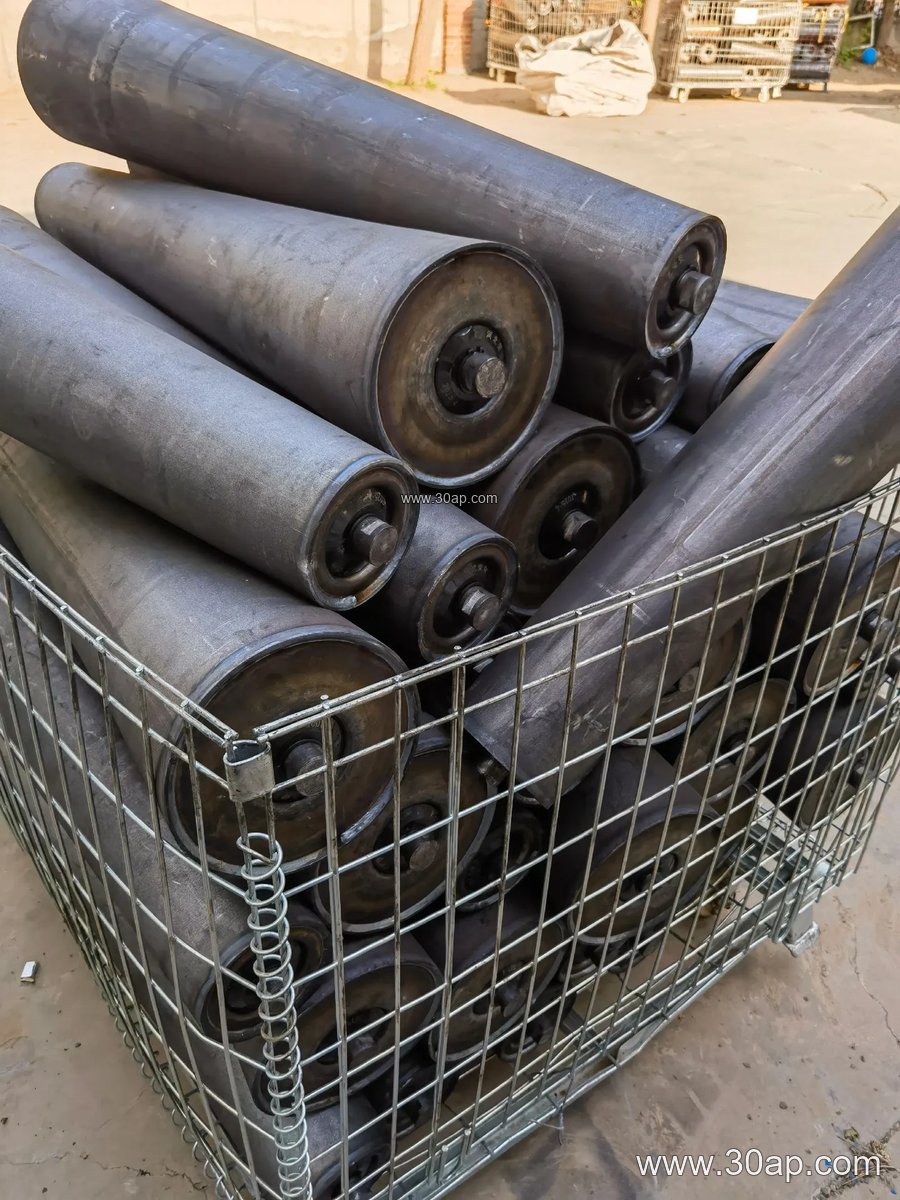
Common Idler Types in Steel Plants
Steel plants use several idler configurations to handle different sections of the conveyor:
- Troughing idlers (three-roll, two-roll, or single-roll) support the loaded belt and form a trough. Trough angles of 20°, 30°, 35°, and 45° are common; 35° is widely used for bulk materials.
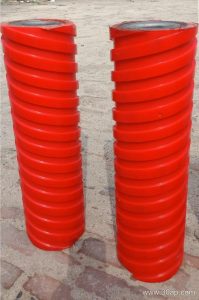
- Impact idlers with rubber rings are placed at transfer points to absorb the shock of falling ore or sinter.
- Return idlers (flat or V-shaped) support the empty belt on the return side.
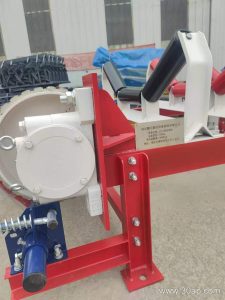
- Self-aligning idlers (friction or conical type) help correct belt misalignment, especially on long conveyors.
- Spiral idlers are sometimes used to reduce material buildup on the return side.
For comparison, a conveyor pulley (drive, tail, or bend) serves a different function and cannot replace an idler. Each idler type is selected for its specific location and duty.
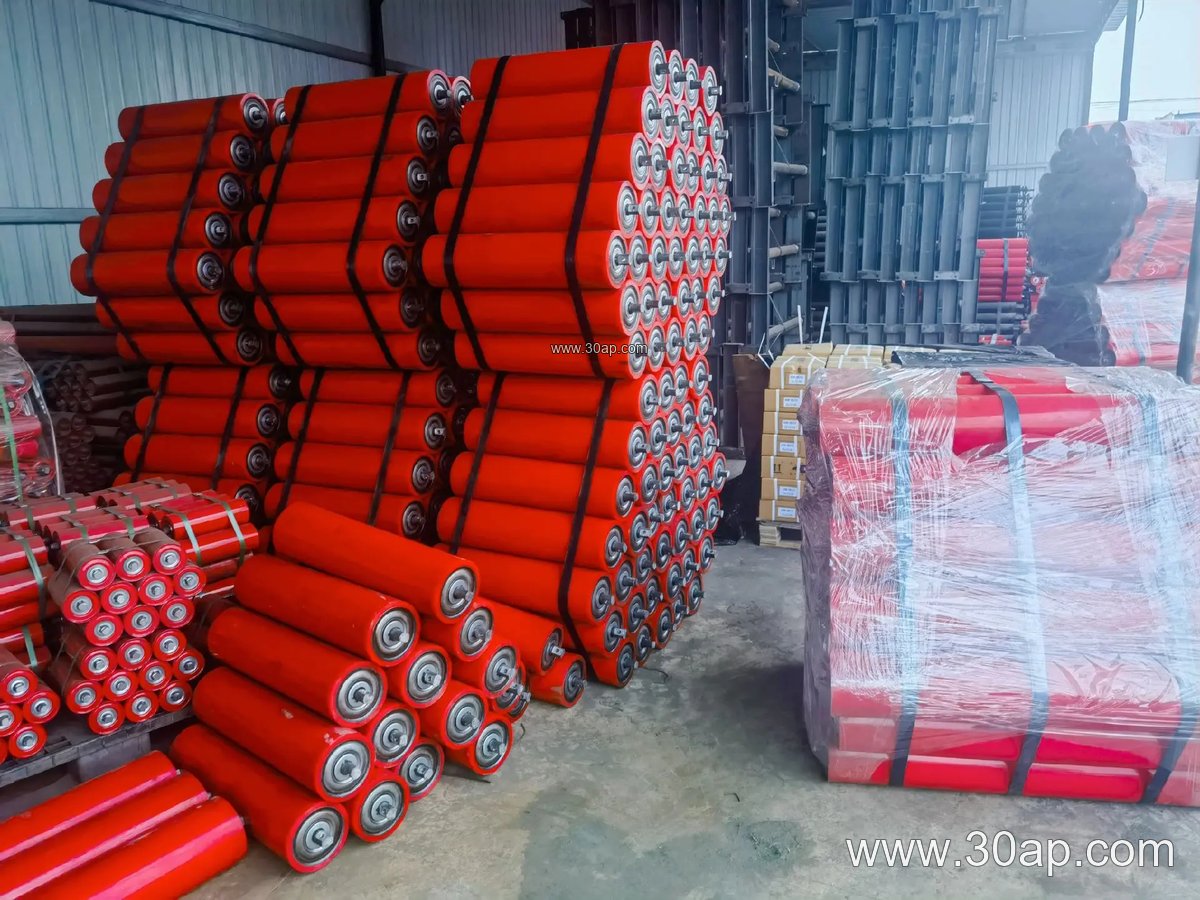
Where Steel Plant Conveyor Idlers Are Used
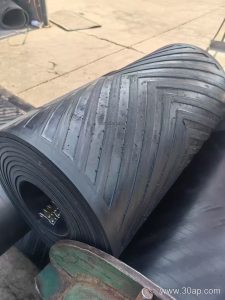
These idlers are found throughout the steelmaking process: raw material yards, sintering plants, coke ovens, blast furnace charging, and slag handling. They also appear in auxiliary systems such as limestone preparation and dust collection. In a steel plant, the environment is often hot, dusty, and abrasive, so idlers must resist heat and wear. A heat resistant conveyor belt may be used in sinter or coke areas, and the idlers underneath must tolerate elevated temperatures without losing grease or seizing.
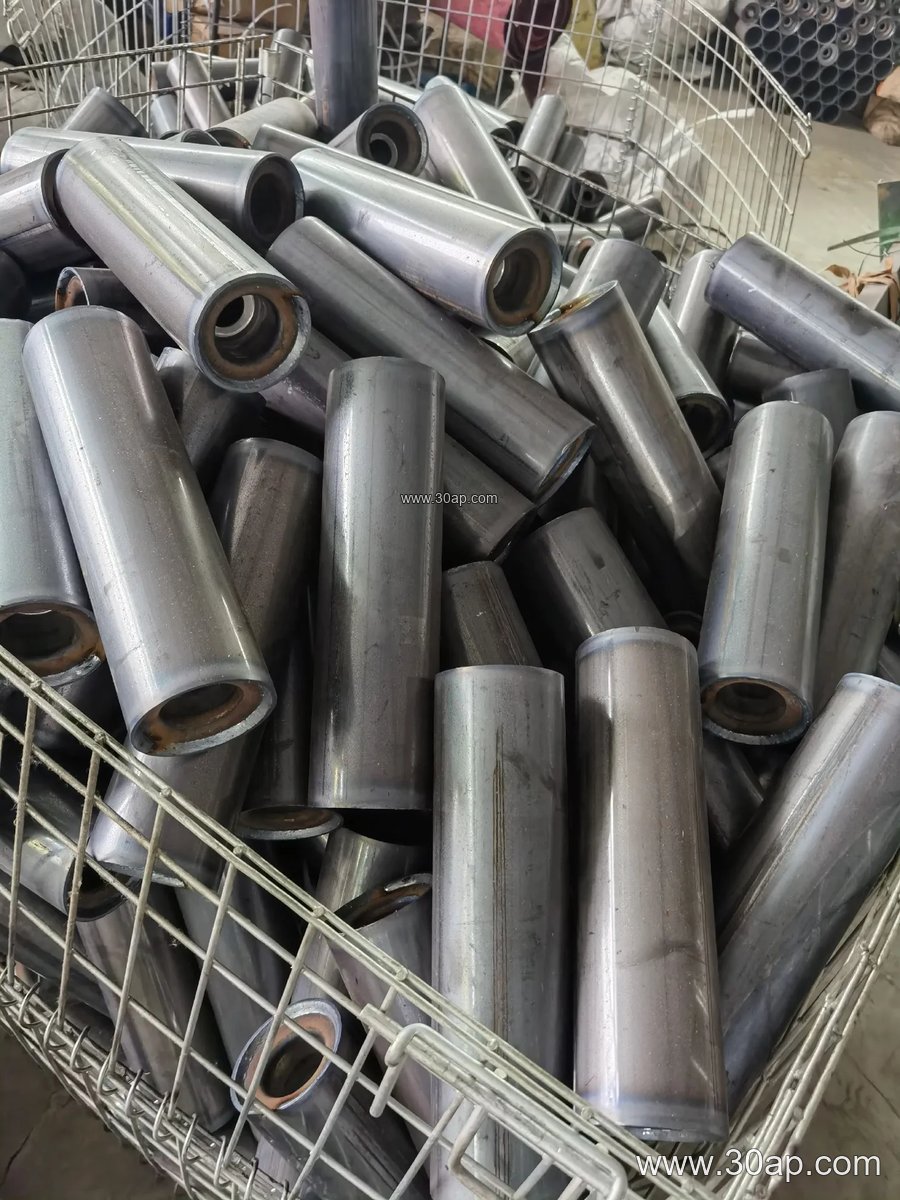
Beyond steel plants, similar idler designs are used in power plant coal handling, cement plants, and quarry operations. However, the steel plant conveyor idler often faces a combination of high impact, abrasive ore, and occasional heat spikes that demand robust sealing and heavy-duty bearings.
Selection and Maintenance Tips
Buyers should consider belt width, material lump size, throughput, and environmental conditions. The idler diameter should be matched to the belt speed and load; larger diameters generally run cooler and last longer under heavy loads. Trough angle affects material containment—a 35° or 45° trough is common for iron ore and sinter, while 20° may suit fine materials. Roller surface options include steel, nylon, ceramic, and rubber rings; rubber rings are preferred at impact zones.
Maintenance involves regular inspection for seized rollers, worn shells, and damaged seals. Lubrication schedules depend on the bearing type and seal design. Keeping idlers aligned and replacing worn ones promptly prevents belt damage and reduces downtime. Spare parts should match the original specifications for diameter, length, bearing size, and mounting brackets.
For more information on conveyor components such as conveyor belts, pulleys, and brackets, please visit example.com/steel-plant-conveyor-idler.