What the EP1000 Conveyor Belt Is
The EP1000 Conveyor Belt is a fabric core belt built on polyester warp and polyamide weft plies, commonly called an EP fabric core belt. The number 1000 refers to the belt’s nominal tensile strength per unit width, so this class sits in the upper middle of the standard EP range, above EP630 and EP800, and below EP1250 and EP1600. Where an EP conveyor belt is the general family, the EP1000 grade is the version selected when a line carries heavier loads, longer spans, or higher tension than lighter fabric belts can handle comfortably.
In practice, an EP1000 Conveyor Belt is often specified for main haulage rather than short transfer points. Its low elongation in service and good troughability make it a workable choice for bulk material conveyor systems in mines, quarries, cement works, power stations, and port loading facilities.
Construction and Typical Make-Up
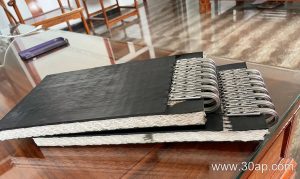
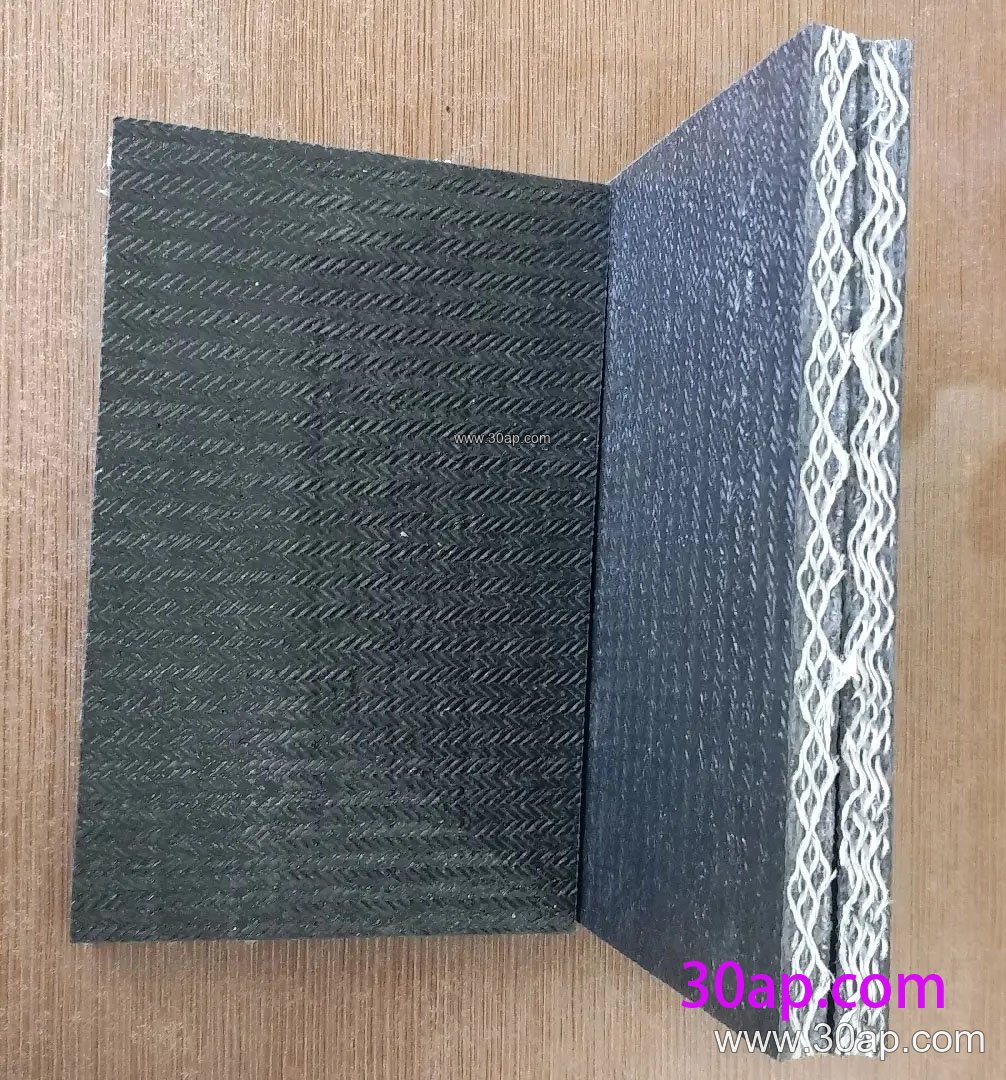
The carcass is made from multiple EP fabric plies bonded with rubber skim, then covered on both faces with abrasion resistant rubber. Ply count is normally chosen by the belt designer, but 2 to 6 plies is common across the EP range, with 3 to 5 plies typical for EP1000 duty. Cover thickness follows the material being carried; common build-ups include 4+2 mm, 5+2 mm, 6+2 mm, and 8+3 mm top and bottom combinations.
Edge construction matters as much as the carcass. Cut edges suit general bulk handling, while moulded edges reduce edge fraying on long runs. Buyers should confirm whether the belt is supplied as an endless conveyor belt with vulcanised splice, or in open lengths for mechanical or hot splicing on site.
Common Specifications
The table below shows reference values often quoted for this belt class. These are typical ranges for specification discussion, not fixed universal data or a supply promise.
- Belt grade: EP1000 (EP conveyor belt family)
- Common widths: B500, B650, B800, B1000, B1200, B1400, B1600, B1800
- Typical cover builds: 3+1.5, 4+2, 5+2, 6+2, 8+3 mm
- Carcass plies: usually 2 to 6 layers, selected by tension calculation
- Surface forms: plain, chevron conveyor belt, or corrugated sidewall versions
- Special grades: flame retardant, heat resistant, oil resistant, cold resistant, anti-static
Note that belt width and pulley diameter are matched by conveyor design, not by a fixed rule. A 1200mm wide EP1000 belt may run on quite different pulley sizes depending on tension, wrap angle, and shaft loading.
Where It Fits in the Plant
This belt class appears across heavy bulk handling. In mining and coal preparation, the flame retardant and anti-static variants are usually requested for underground mining conveyor and coal mining conveyor duties. In cement plants and quarries, the abrasion resistant build handles clinker, limestone, and aggregate, often on crusher conveyor and stone crushing lines. Power plants use it for coal and ash transport, and ports apply it on ship loading and stockyard conveyors.
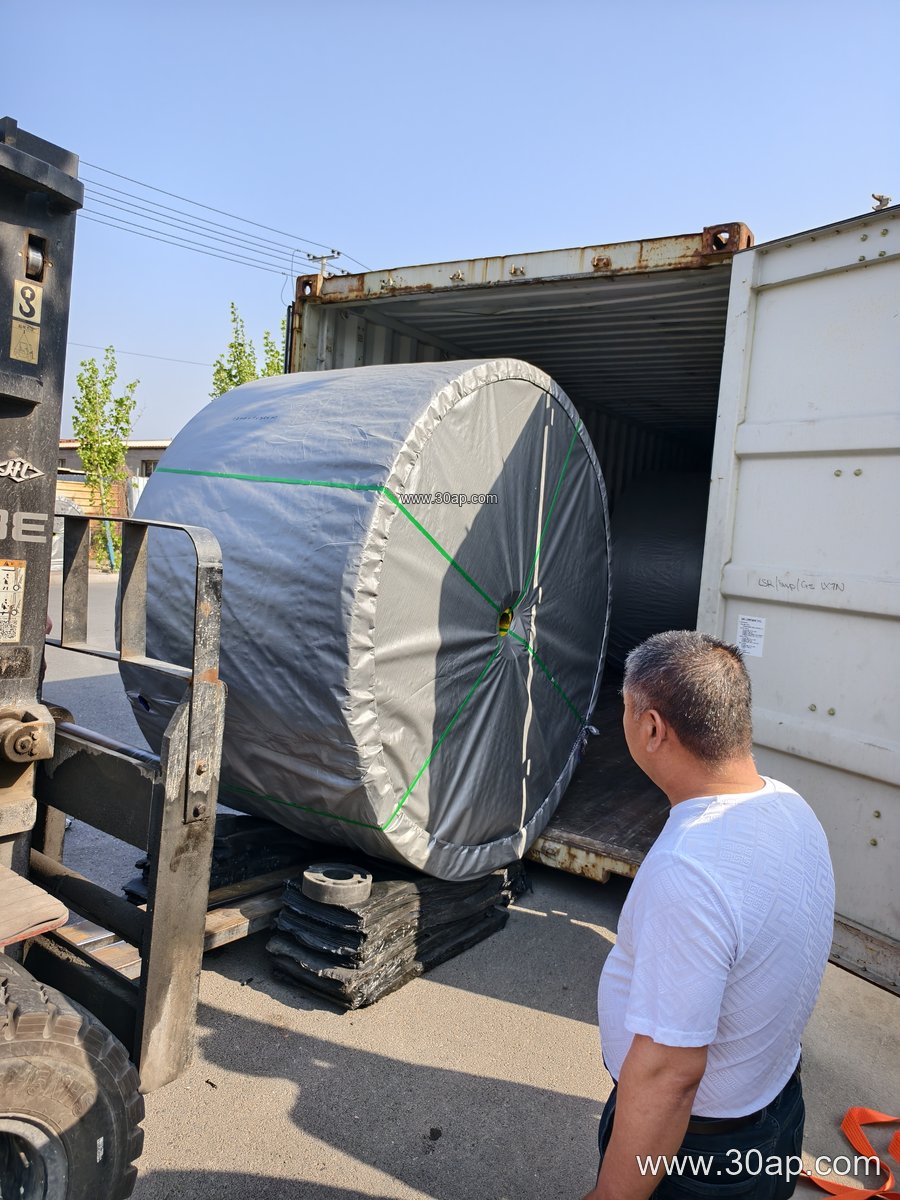
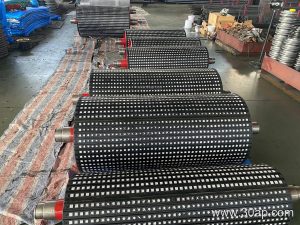
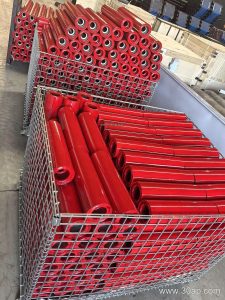
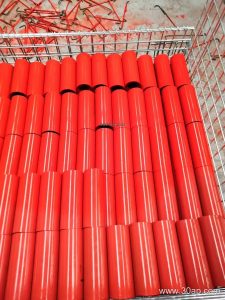
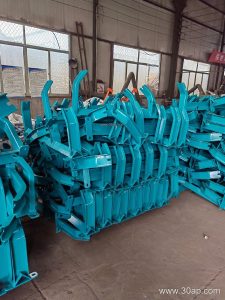
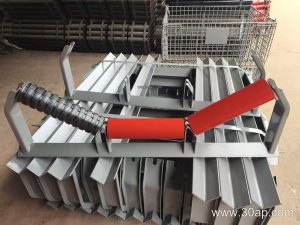
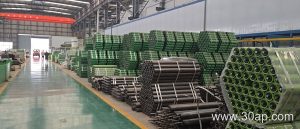
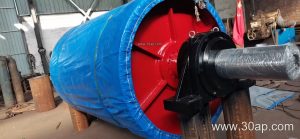
Supporting hardware should be reviewed together with the belt. Idler roller spacing, conveyor pulley diameters at the drive and tail, and conveyor bracket condition all affect belt life. A worn idler roller or a poorly aligned conveyor pulley can damage even a correctly specified belt.
Selection Points for Buyers
Start with the duty: material type, lump size, throughput, incline, and the highest expected tension. For hot clinker or sinter, a heat resistant conveyor belt grade may be needed; for oily scrap or grain, an oil resistant compound is more suitable; for cold climates, cold resistant covers help avoid cracking. When fine dust and explosive atmospheres are present, flame retardant and anti-static properties are usually part of the specification.
Compare grades honestly. An NN conveyor belt with nylon carcass can be an alternative in some medium-duty lines, while a steel cord conveyor belt is chosen for very high tension and long centre distances. Neither replaces the EP1000 class in its own working range; they simply serve different tension and elongation requirements. Buyers should ask for the tension rating, ply count, cover thickness, and splice method in writing, then check that the drive and tail pulley sizes and the idler roller layout match the belt’s recommended minimum pulley diameter.
Installation and Maintenance Notes
Store belts on a dry, shaded surface and avoid sharp bends. During installation, align the conveyor pulley and frames before tensioning, and check that every idler roller turns freely. Track the belt at low speed first, then bring the line to full load. Inspect edges, splices, and cover wear at regular intervals, and re-tension only as the manufacturer’s guidance allows. Keeping the conveyor bracket and pulley alignment in good order prevents the edge damage that shortens service life.